Free shipping · 0% for 6 months · White-glove available


Victorian Bedroom Design: The Complete Luxury Setup Guide for a Timeless Bedroom

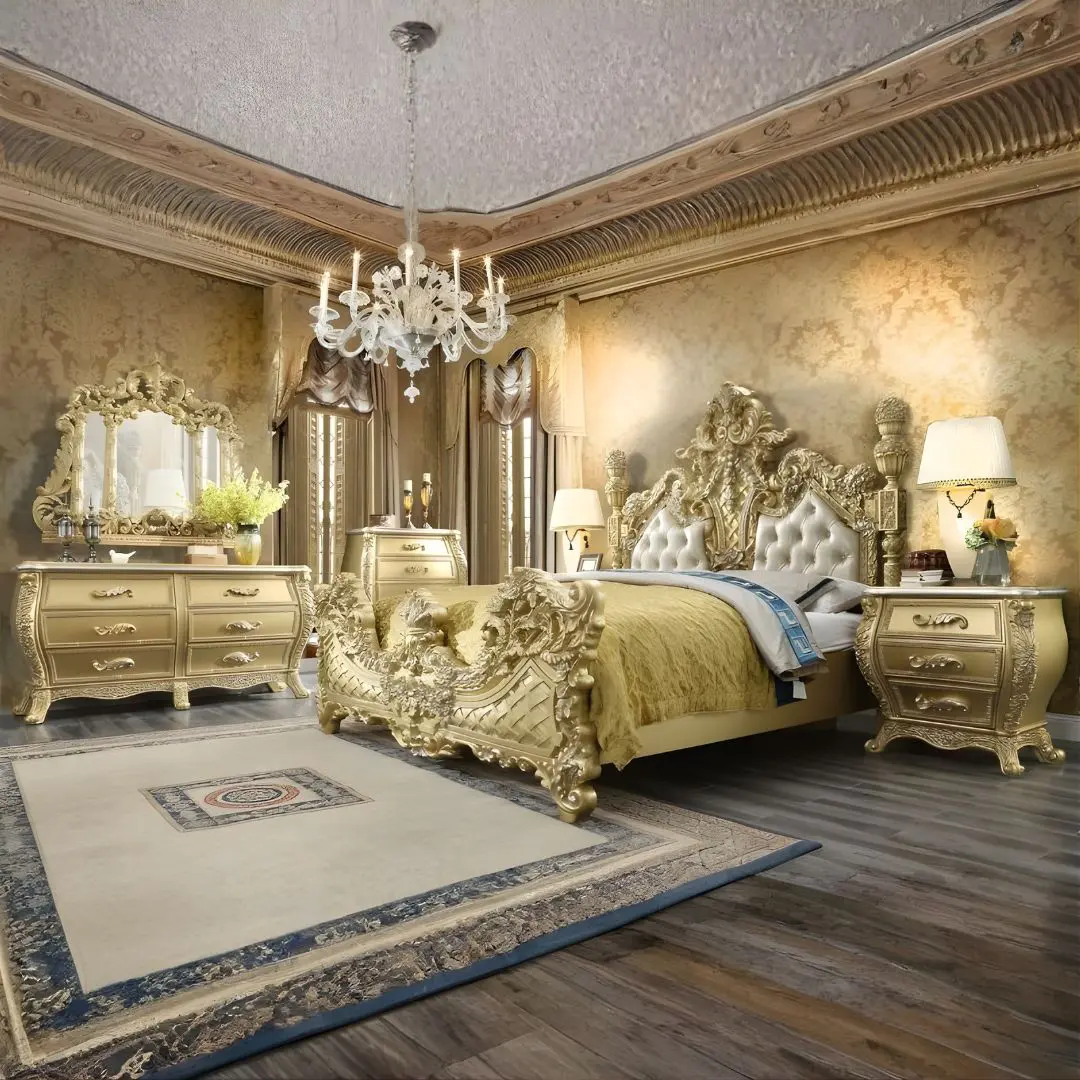
A Victorian bedroom represents one of the most enduring expressions of luxury interior design—where craftsmanship, ornamentation, and material richness converge into a deeply atmospheric space. Today, this style is experiencing a refined revival in American luxury homes, not as a historical reproduction, but as a curated interpretation that blends traditional elegance with modern livability.
In contemporary interiors, Victorian bedroom design is no longer about recreating a heavily decorated 19th-century room. Instead, it focuses on extracting its most meaningful design principles: architectural depth, sculptural furniture, rich textiles, and handcrafted detailing. When balanced correctly, these elements create a bedroom that feels both dramatic and restful, ornate yet controlled.
For homeowners exploring luxury bedroom design, the appeal lies in its emotional quality. A Victorian-inspired bedroom feels intentional and grounded—built around tactile materials, thoughtful symmetry, and statement furniture that reflects heritage craftsmanship. Brands like Mobilia Cleopatra contribute to this design language by emphasizing handcrafted woodwork, custom upholstery, and timeless furniture silhouettes adapted for modern homes.
This guide breaks down every essential element of Victorian bedroom design, from layout and furniture selection to materials, lighting, and styling. The goal is not to overwhelm the space with ornamentation, but to help you create a bedroom that feels curated, elegant, and built to last.
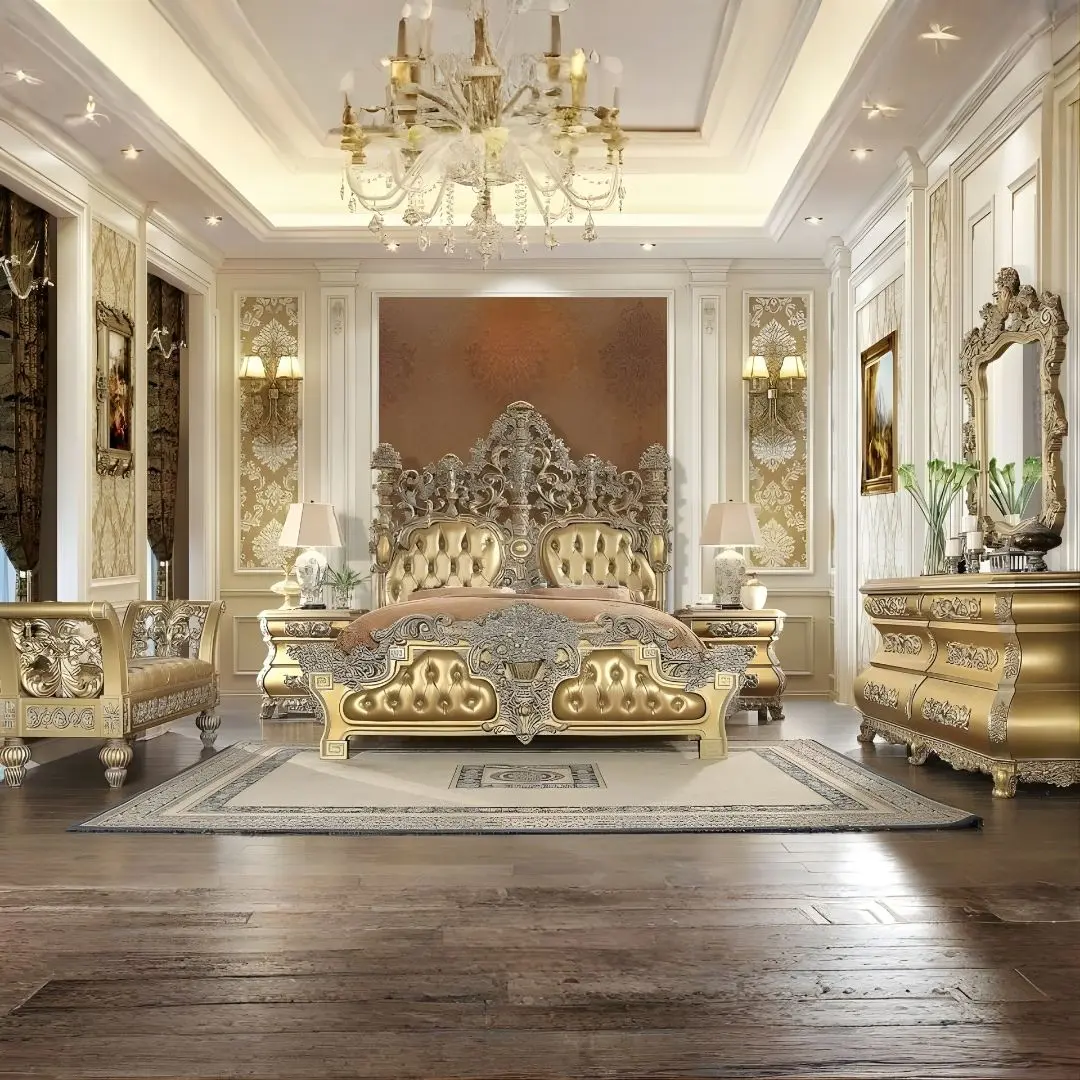
Victorian Bedroom Design
What Defines Victorian Bedroom Design?
Victorian bedroom design is rooted in the design philosophy of the Victorian era, a period defined by decorative richness, architectural detail, and an emphasis on craftsmanship. However, in modern interpretation, it becomes less about historical accuracy and more about emotional and visual richness.
The Origins of Victorian Interiors
Victorian interiors originated during the reign of Queen Victoria (1837–1901), a period marked by industrial progress and global trade expansion. This allowed access to exotic woods, luxurious textiles, and intricate decorative techniques. Bedrooms were considered private sanctuaries, often furnished with heavy wood furniture, upholstered headboards, and layered fabrics that emphasized comfort and status.
Key Characteristics of Victorian Bedrooms
Several design traits define the Victorian bedroom aesthetic. These include carved wooden furniture—often in mahogany or walnut—rich upholstery, symmetrical layouts, and decorative detailing such as moldings and patterned wallpaper. Furniture pieces were substantial, often handcrafted using traditional joinery and finished with polished or varnished surfaces that highlighted natural grain.
Why Victorian Bedrooms Remain Popular Today
The modern appeal of Victorian bedrooms lies in their contrast to minimalism. In a world of clean lines and neutral spaces, Victorian design introduces warmth, depth, and storytelling. Luxury homeowners are particularly drawn to its sense of permanence—each piece feels built with intention rather than mass production. When reinterpreted with restraint, it becomes one of the most sophisticated bedroom styles in contemporary interior design.
Planning the Perfect Victorian Bedroom Layout
A successful Victorian bedroom begins with spatial planning. Unlike modern minimalist layouts that prioritize openness, Victorian-inspired layouts focus on balance, hierarchy, and a clear visual focal point.
Understanding Room Proportions
Victorian furniture tends to be substantial, so scale is essential. The bed should anchor the room without overwhelming circulation space. In luxury bedroom design, proportional balance ensures that dressers, nightstands, and seating areas feel integrated rather than crowded.
Creating a Central Focal Point
The bed is the undisputed centerpiece of a Victorian bedroom. Whether it is a canopy bed, four-poster bed, or upholstered statement headboard, its placement defines the entire room composition. Everything else—lighting, rugs, seating—should support this focal point rather than compete with it.
Balancing Furniture Placement and Functionality
Symmetry is a defining principle. Matching nightstands, balanced lighting, and aligned décor create visual calmness. However, functionality should not be sacrificed. Modern Victorian bedrooms often incorporate seating corners or vanity areas that enhance usability without disrupting symmetry.
Layout Considerations for Modern Homes
In contemporary homes, Victorian design must adapt to open floor plans and smaller rooms. This often requires reducing furniture volume while maintaining visual richness through materials and textures. Strategic spacing is more important than filling every corner, ensuring the room feels breathable and elegant.
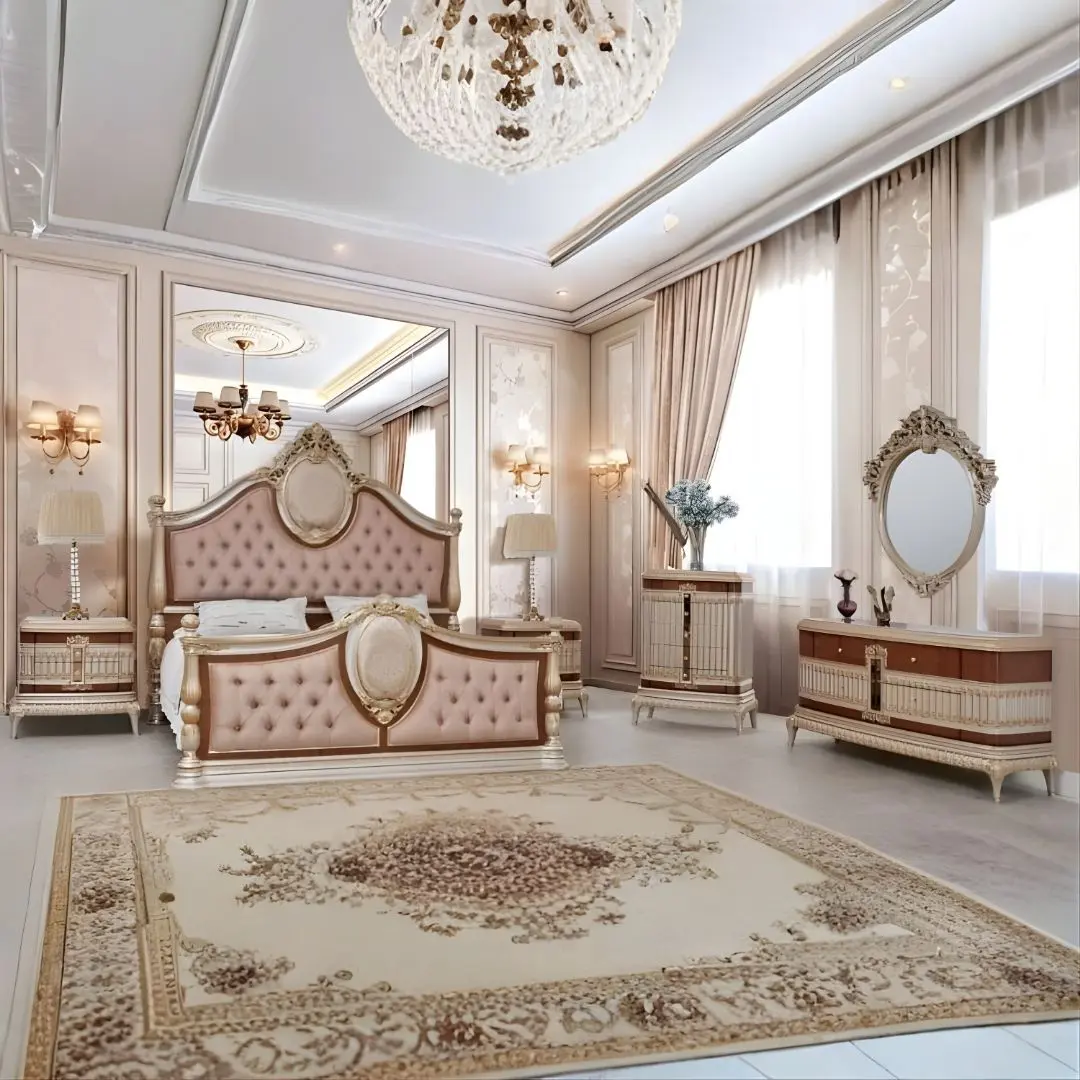
Victorian Bedroom Design
Choosing the Ideal Victorian Bed
The bed is the emotional and visual anchor of the Victorian bedroom. Its design sets the tone for everything else in the space.
Canopy Beds
Canopy beds evoke the most traditional Victorian aesthetic. Draped fabrics, carved posts, and tall silhouettes create a dramatic architectural presence. In modern interiors, simplified canopy frames are often used to avoid visual heaviness while preserving grandeur.
Four-Poster Beds
Four-poster beds represent structure and symmetry. Their verticality enhances ceiling height perception and adds a sculptural element to the room. When crafted in mahogany or walnut, they bring warmth and depth to the bedroom.
Upholstered Victorian Beds
Upholstered beds are popular in modern Victorian design because they soften the overall look. Deep button tufting, velvet fabrics, and curved headboards introduce comfort while maintaining classical elegance.
Statement Beds as the Room’s Centerpiece
Regardless of style, the bed should function as a statement piece. High-quality craftsmanship—such as hand-carved detailing or custom upholstery—ensures the bed feels like a designed object rather than a simple furnishing.
Essential Victorian Bedroom Furniture Pieces
A Victorian bedroom is defined not only by its bed but by a complete ensemble of supporting furniture that reinforces symmetry and luxury.
Nightstands and Bedside Tables
Nightstands in Victorian design are typically compact yet detailed, often featuring carved legs or decorative hardware. In modern interpretations, they balance ornamentation with clean functionality.
Dressers and Chests of Drawers
Dressers introduce storage while reinforcing material richness. Mahogany and walnut are commonly used, often paired with brass or bronze hardware. Their surfaces also provide space for decorative styling.
Armoires and Wardrobes
Armoires serve as vertical focal points, adding architectural weight to the room. They are particularly useful in homes without built-in closets and contribute to the traditional Victorian atmosphere.
Vanity Tables and Dressing Areas
A vanity table adds a sense of ritual and elegance to the bedroom. Upholstered stools, mirrored surfaces, and delicate detailing transform it into a functional luxury feature.
Bedroom Benches and Accent Chairs
Placed at the foot of the bed or near windows, benches and chairs add softness and usability. Upholstered seating in velvet or linen introduces texture while maintaining balance.
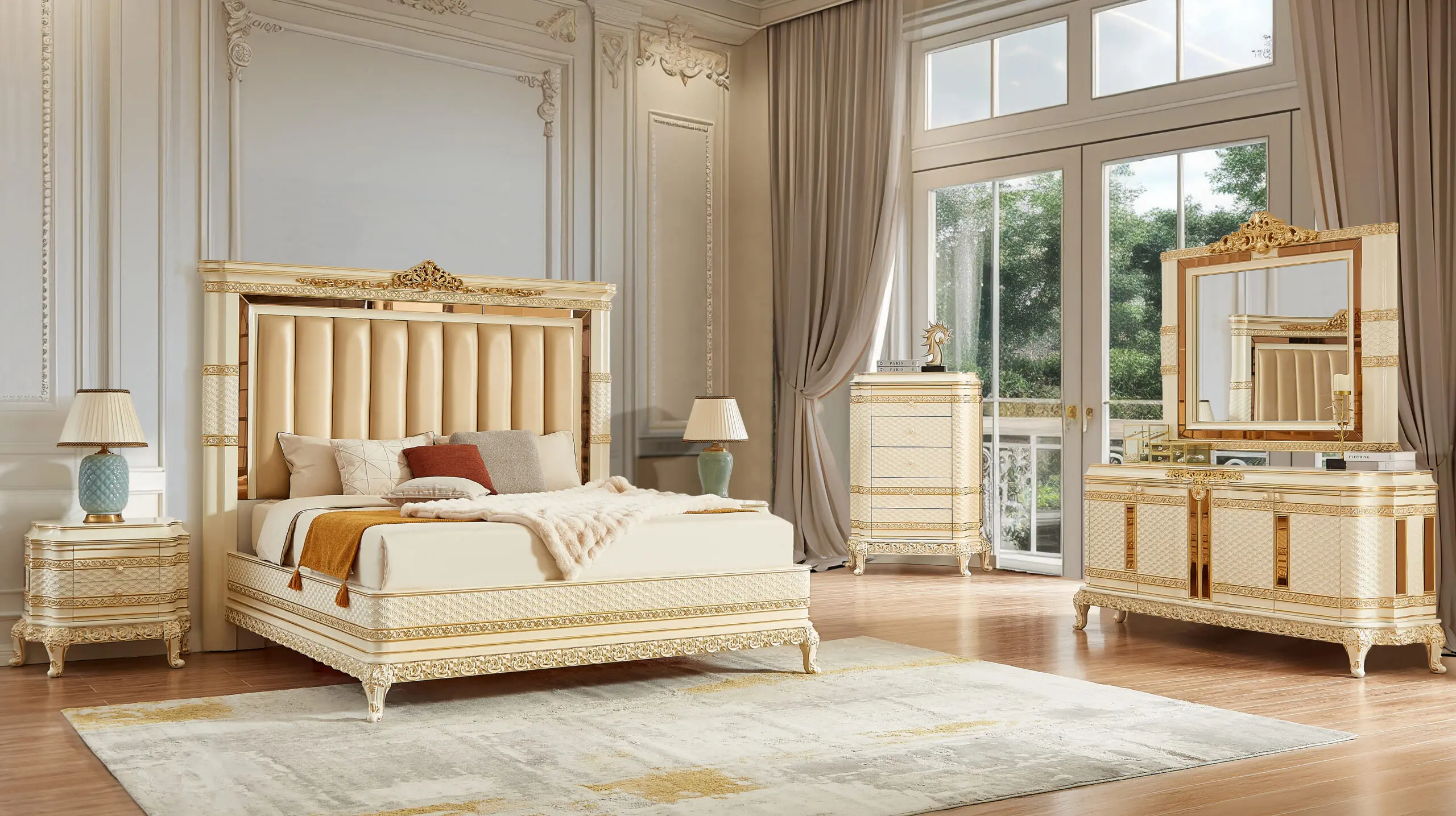
Victorian Bedroom Design
Victorian Bedroom Color Palettes
Color plays a critical role in defining the emotional tone of a Victorian bedroom.
Rich Traditional Victorian Colors
Deep tones such as burgundy, forest green, navy, and plum reflect historical Victorian interiors. These colors create depth and intimacy, especially when paired with dark wood furniture.
Soft Luxury Neutrals
Modern interpretations often use ivory, taupe, warm gray, and soft beige as foundational tones. These neutrals help Victorian furniture stand out without overwhelming the space.
Jewel Tone Accents
Jewel tones are best used in moderation—on pillows, drapery, or accent chairs. They introduce richness without dominating the room’s visual hierarchy.
Modern Victorian Color Schemes
A balanced palette might combine charcoal walls, walnut furniture, brass accents, and soft linen textiles. This blend maintains Victorian character while ensuring contemporary relevance.
Materials That Define Luxury Victorian Bedrooms
Material selection is central to achieving authenticity in Victorian bedroom design.
- Mahogany Furniture: Mahogany is one of the most iconic Victorian materials, valued for its deep tone and durability. It is commonly used in beds, dressers, and armoires.
- Walnut and Rosewood Pieces: Walnut introduces warmth, while rosewood adds complexity through its natural grain variation. Both are associated with high-end traditional furniture.
- Marble and Stone Accents: Marble surfaces, whether in nightstands or decorative objects, introduce classical elegance and visual contrast against wood furniture.
- Brass and Bronze Hardware: Metal accents provide subtle luxury. Handles, bed frames, and lighting fixtures in brass or bronze add warmth and historical character.
- Decorative Veneers and Inlays: Techniques such as marquetry and veneer work elevate furniture into decorative art forms, showcasing craftsmanship and detail.
Victorian Bedroom Textiles and Fabrics
Textiles define comfort and layering in Victorian-inspired bedrooms.
- Velvet Upholstery: Velvet remains a signature fabric, especially for headboards and seating. It adds depth, softness, and visual richness.
- Silk and Damask Fabrics: Silk introduces sheen and elegance, while damask offers traditional patterned sophistication often used in drapery.
- Luxury Bedding Layers: Layered bedding—linen sheets, embroidered covers, and decorative throws—creates a lived-in sense of luxury.
- Window Treatments and Drapery: Heavy drapes enhance privacy and reinforce Victorian atmosphere, while lighter layers help balance modern lighting.
- Area Rugs and Soft Furnishings: Rugs anchor the furniture layout and introduce warmth underfoot, completing the sensory experience of the room.
Victorian Bedroom Lighting Design
Lighting defines mood and enhances architectural detail.
- Crystal Chandeliers: Chandeliers are iconic in Victorian design, adding elegance and vertical emphasis.
- Bedside Lighting: Table lamps or wall sconces provide functional lighting while reinforcing symmetry.
- Accent and Ambient Lighting: Layered lighting ensures flexibility, allowing the room to shift from bright and functional to soft and intimate.
- Combining Traditional and Modern Fixtures: Modern lighting can be integrated to prevent the room from feeling historically rigid.
Victorian Bedroom Décor and Architectural Details
Architectural features elevate the room beyond furniture alone.
- Decorative Wallpaper: Patterned wallpaper introduces historical character and visual texture.
- Crown Molding and Trim Work: Molding enhances ceiling height perception and adds refinement.
- Mirrors and Wall Art: Mirrors expand space visually, while curated artwork blends old and new aesthetics.
- Fireplace Mantels and Built-In Features: A mantel serves as a powerful focal point, reinforcing Victorian symmetry and luxury.
Victorian Furniture Craftsmanship and Construction
Craftsmanship defines the value of Victorian-inspired furniture.
- Hand Carving Techniques: Intricate carving adds personality and individuality to each piece.
- Traditional Joinery Methods: Mortise and tenon or dovetail joinery ensure durability and structural integrity.
- Marquetry and Inlay Work: These decorative techniques elevate furniture into artistic expression.
- Hand Finishing and Upholstery: Hand-applied finishes and upholstery create depth, texture, and long-lasting quality.
Creating a Modern Victorian Bedroom
Modern Victorian design adapts historical richness to contemporary living.
- Blending Traditional and Contemporary Elements: Pair ornate furniture with clean lighting and simplified décor.
- Simplifying Ornate Details: Reduce excessive decoration to maintain visual clarity.
- Choosing Modern Luxury Accessories: Minimal accessories allow craftsmanship to stand out.
- Designing for Everyday Comfort: Comfort is essential—modern mattresses, ergonomic seating, and breathable textiles ensure livability.
Common Victorian Bedroom Design Mistakes
Avoiding design pitfalls ensures a refined result.
- Overcrowding the Room: Too much furniture disrupts flow and reduces elegance.
- Choosing Oversized Furniture:Scale must match room dimensions carefully.
- Ignoring Scale and Symmetry: Asymmetry can weaken Victorian visual harmony.
- Overusing Decorative Patterns: Excess patterns create visual noise instead of luxury.
Why Custom Furniture Elevates Victorian Bedroom Design
Custom furniture bridges tradition and modern needs.
- Tailoring Furniture to Room Dimensions: Custom sizing ensures perfect spatial integration.
- Selecting Premium Materials: Clients can choose high-end woods, fabrics, and finishes.
- Preserving Traditional Craftsmanship: Handcrafted techniques maintain authenticity.
- Investing in Long-Term Luxury: Custom pieces offer longevity and timeless value.
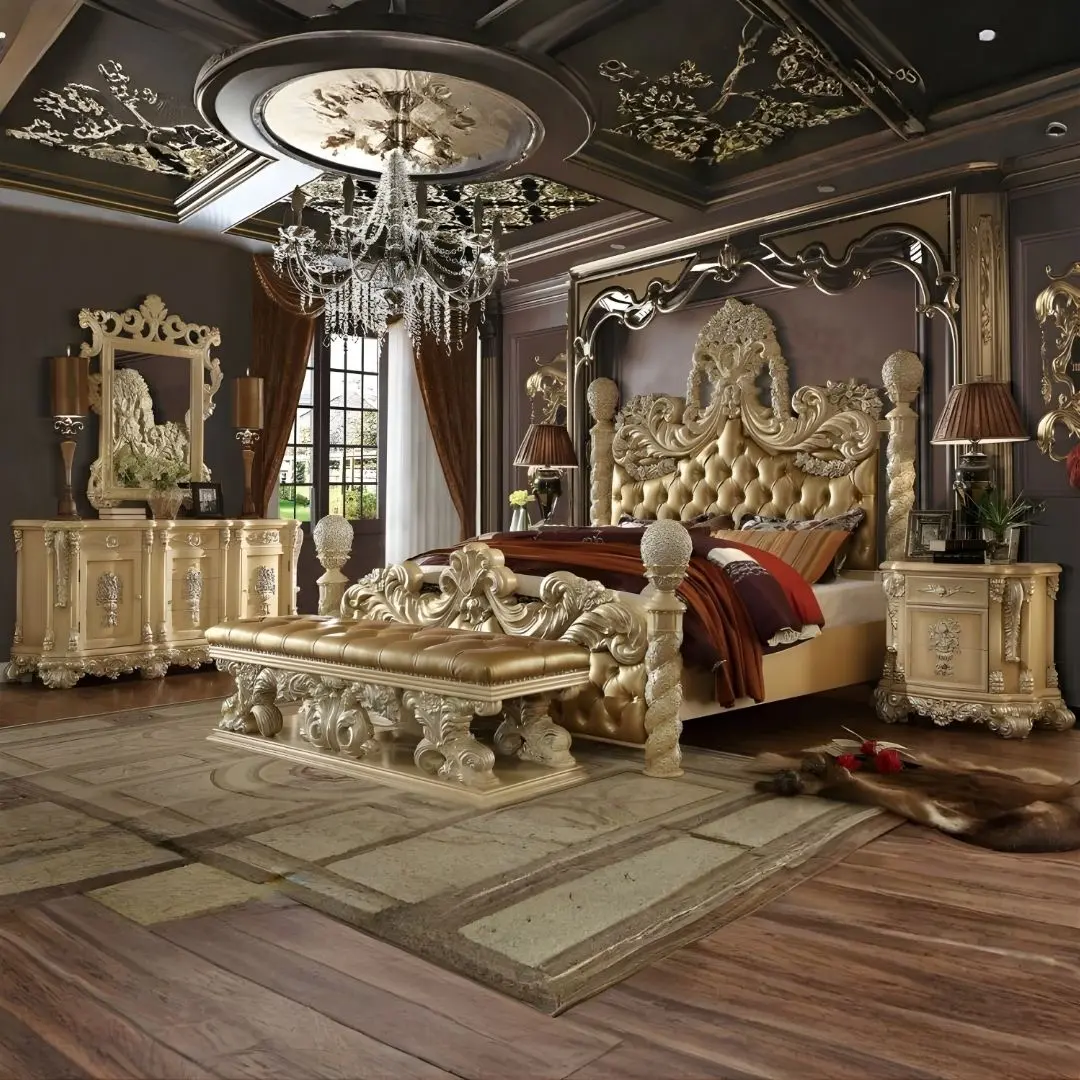
Victorian Bedroom Design
Building a Complete Victorian Luxury Bedroom Suite
A cohesive suite creates a unified luxury experience.
Coordinating Furniture Pieces
- Consistency in materials and finishes ensures harmony.
Layering Materials and Textures
Combining wood, fabric, and metal adds richness.
- Creating a Cohesive Design Vision: Every piece should support the central aesthetic.
- Achieving Timeless Elegance: True Victorian-inspired design feels enduring, not trend-driven.
Frequently Asked Questions
What defines a Victorian bedroom design?
A Victorian bedroom is defined by ornate furniture, rich materials like mahogany and velvet, symmetrical layouts, and decorative detailing that reflects traditional craftsmanship.
What furniture is essential in a Victorian bedroom?
Essential pieces include a statement bed, nightstands, dresser, armoire, and often a vanity table or seating bench.
What colors are commonly used in Victorian bedrooms?
Deep jewel tones, warm neutrals, and layered earthy shades are most common in Victorian-inspired interiors.
What is the best bed style for a Victorian bedroom?
Canopy, four-poster, or tufted upholstered beds are most commonly used depending on the level of formality desired.
Can a Victorian bedroom work in a modern home?
Yes. By simplifying ornamentation and balancing traditional furniture with modern lighting and layout, it integrates seamlessly.
Which wood species are most common in Victorian bedroom furniture?
Mahogany, walnut, and rosewood are the most historically and aesthetically aligned woods.
How do you decorate a Victorian bedroom without making it look outdated?
Use restraint—limit patterns, balance heavy furniture with light textiles, and introduce modern accents.
What fabrics are used in luxury Victorian bedrooms?
Velvet, silk, damask, linen, and brocade are commonly used for bedding and upholstery.
How should furniture be arranged in a Victorian bedroom?
Symmetry is key, with the bed as the focal point and matching elements on both sides.
What lighting works best in a Victorian bedroom?
Crystal chandeliers combined with layered bedside and ambient lighting work best.
Is custom furniture worth considering for a Victorian bedroom?
Yes. Custom furniture ensures proper scale, material selection, and craftsmanship alignment.
How do you create a luxury Victorian master bedroom?
Combine a statement bed, premium materials, layered textiles, architectural details, and balanced lighting for a cohesive luxury environment.
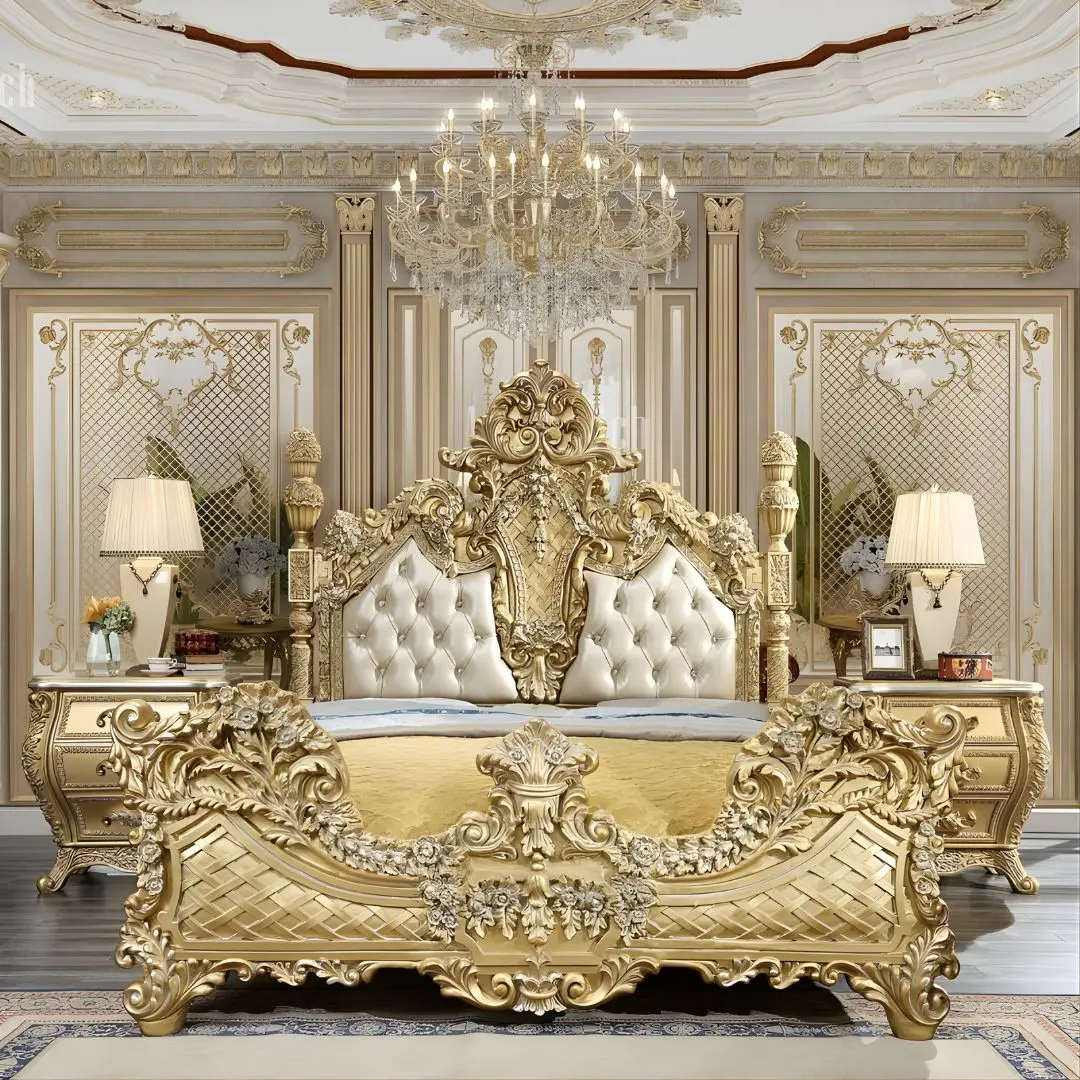
Victorian Bedroom Design
Conclusion
Victorian bedroom design remains one of the most powerful expressions of luxury interior aesthetics because it connects craftsmanship, material richness, and architectural elegance in a way few styles can replicate. When thoughtfully adapted to modern homes, it becomes more than a historical reference—it becomes a living, functional interpretation of timeless design.
A successful Victorian bedroom is not defined by excess but by intention. Every element, from the carved silhouette of a mahogany bed to the softness of layered velvet textiles, contributes to a carefully composed environment. Architectural details such as molding and paneling provide structure, while lighting and color introduce mood and balance. The result is a space that feels grounded, intimate, and visually rich without being overwhelming.
In today’s luxury interiors, homeowners are increasingly drawn to this blend of tradition and modernity. They want bedrooms that feel personal, crafted, and enduring. Custom furniture plays a central role in achieving this balance, allowing each piece to align with both aesthetic vision and functional needs. Whether it is a canopy bed designed for a grand master suite or a compact armoire adapted for a modern apartment, craftsmanship determines the difference between decoration and design.
At its core, Victorian bedroom design is about creating atmosphere—an environment where materials, proportion, and detail work together to support comfort and elegance. When executed with restraint and attention to scale, it becomes one of the most refined approaches to luxury bedroom design available today.
