Free shipping · 0% for 6 months · White-glove available


Few furniture styles make a room stop you in your tracks the way Victorian furniture does. Defined by hand-carved hardwood frames, button-tufted velvet, and an unapologetic commitment to ornament, Victorian furniture was built during one of history’s most deliberate eras of interior design — the reign of Queen Victoria, 1837 to 1901 — and it has never really left. The best pieces feel less like furniture and more like architecture: a carved mahogany canopy bed that commands a bedroom, a tufted velvet sofa that anchors a living room, a dining set that turns an ordinary meal into an occasion.
At Mobilia Cleopatra, we carry the full range of what Victorian furniture can be. For those who want carved, gilded pieces made by hand, our own Kleopatra Kingdom line offers handmade furniture in French Rococo and Baroque styles that suits a Victorian-inspired room; explore it in our French style furniture. For those building a Victorian interior more gradually, our broader Victorian collection brings the same aesthetic at a range of price points, with complete living room sets, bedroom suites, dining rooms, and accent pieces curated to work together. We don’t sell antique originals: our Victorian collection is new, Victorian-inspired furniture from brands such as Homey Design, built for today’s homes.
However you approach it, a Victorian interior is not decorated — it is composed. Browse the full collection below, or explore by room to find exactly what your space is missing.
Victorian Style Furniture Categories

Complete bedroom collections built around carved wood frames and tufted headboards — beds, nightstands, dressers, and mirrors coordinated in matching Victorian finishes.

Formal dining collections pairing carved tables with matching chairs, sized for everything from intimate dinners to grand family gatherings.

Coordinated sofas, loveseats, and accent chairs in matching tufted upholstery and carved frames — the fastest way to furnish a complete Victorian living room.
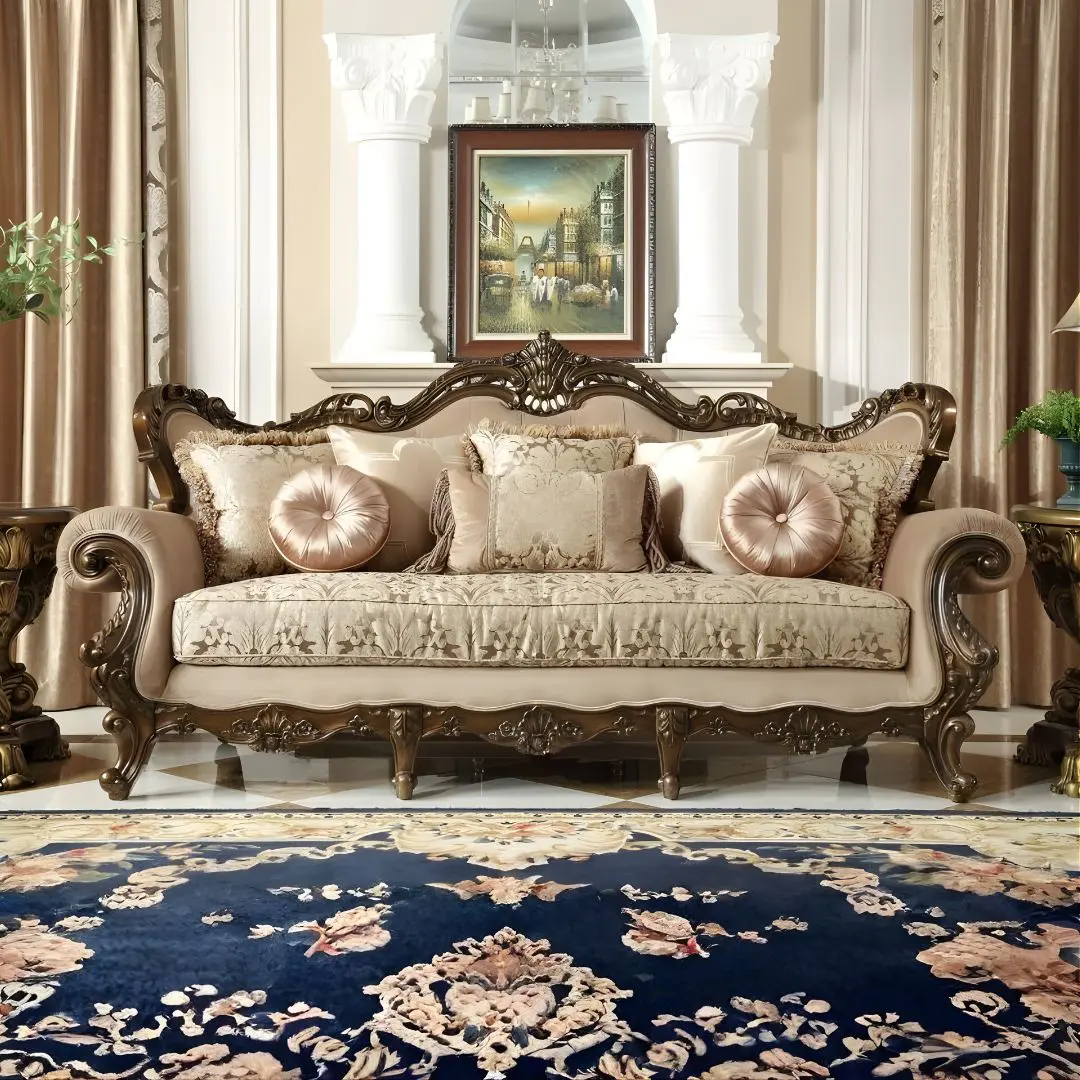
Individual sofas and loveseats for buyers building a room piece by piece, in the same carved wood and tufted velvet detailing as our complete sets.
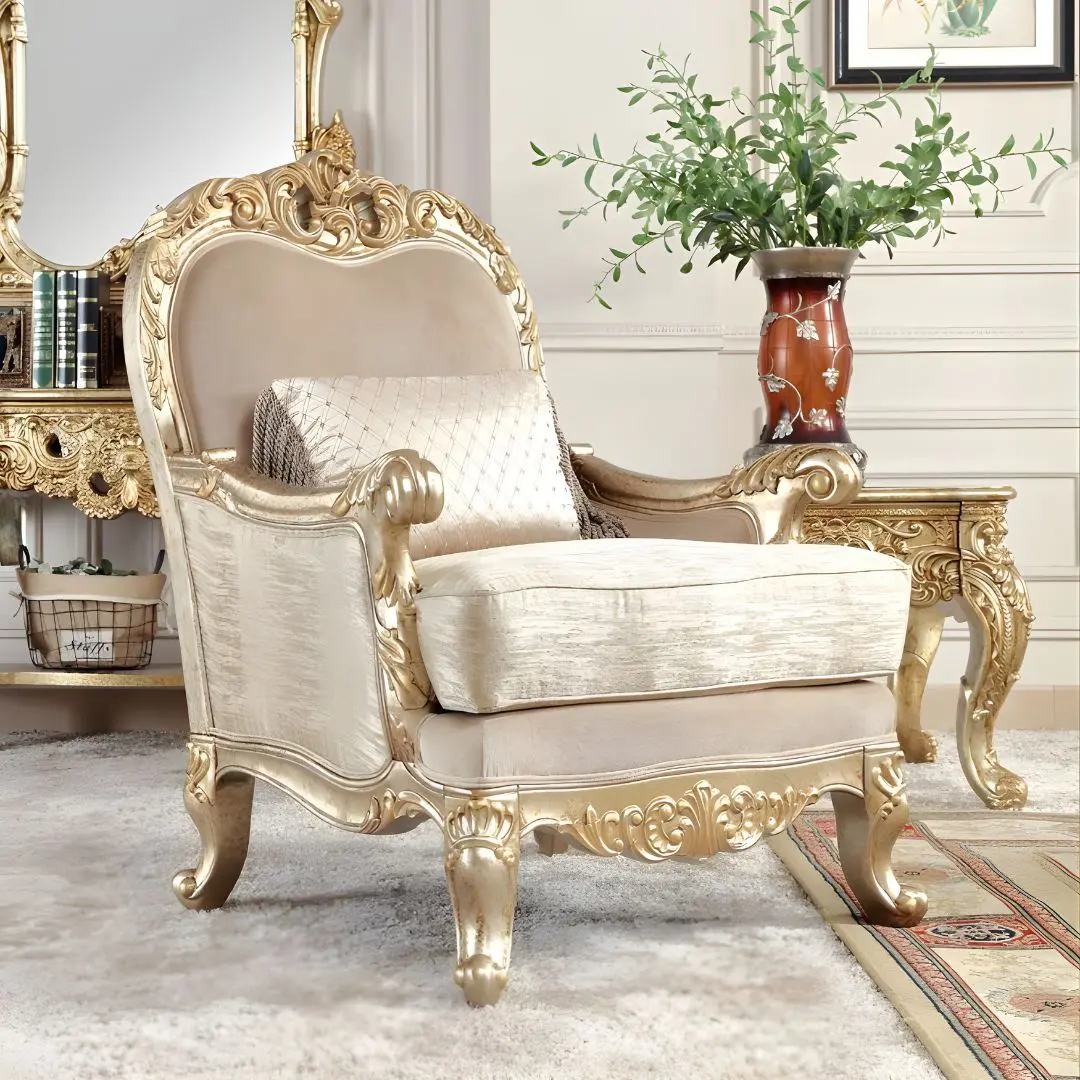
Statement chairs that anchor a room on their own or complement an existing sofa set, from tufted wingbacks to ornately carved armchairs.
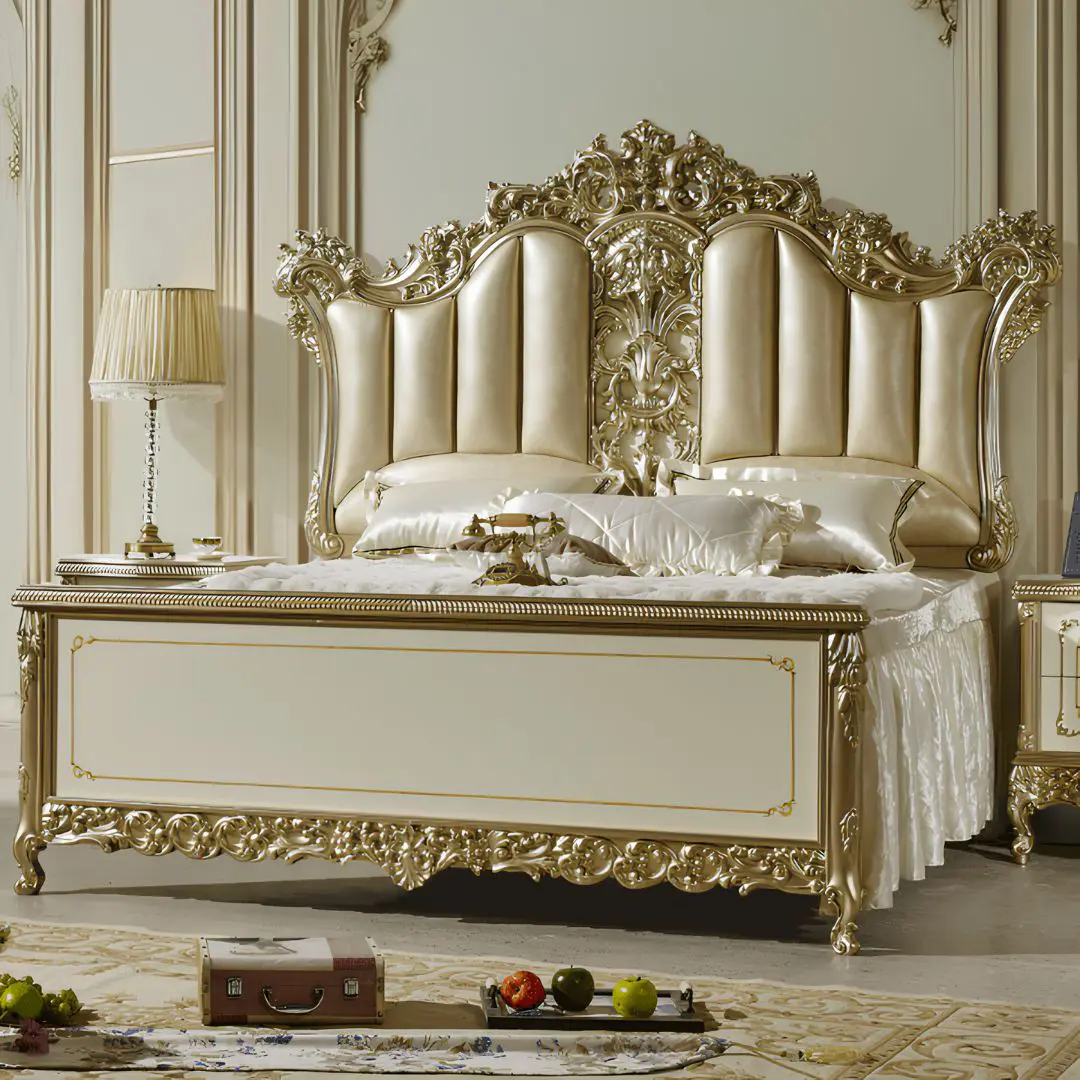
Carved wood bed frames in queen, king, and California king sizes, from tufted upholstered headboards to ornate carved headboards.
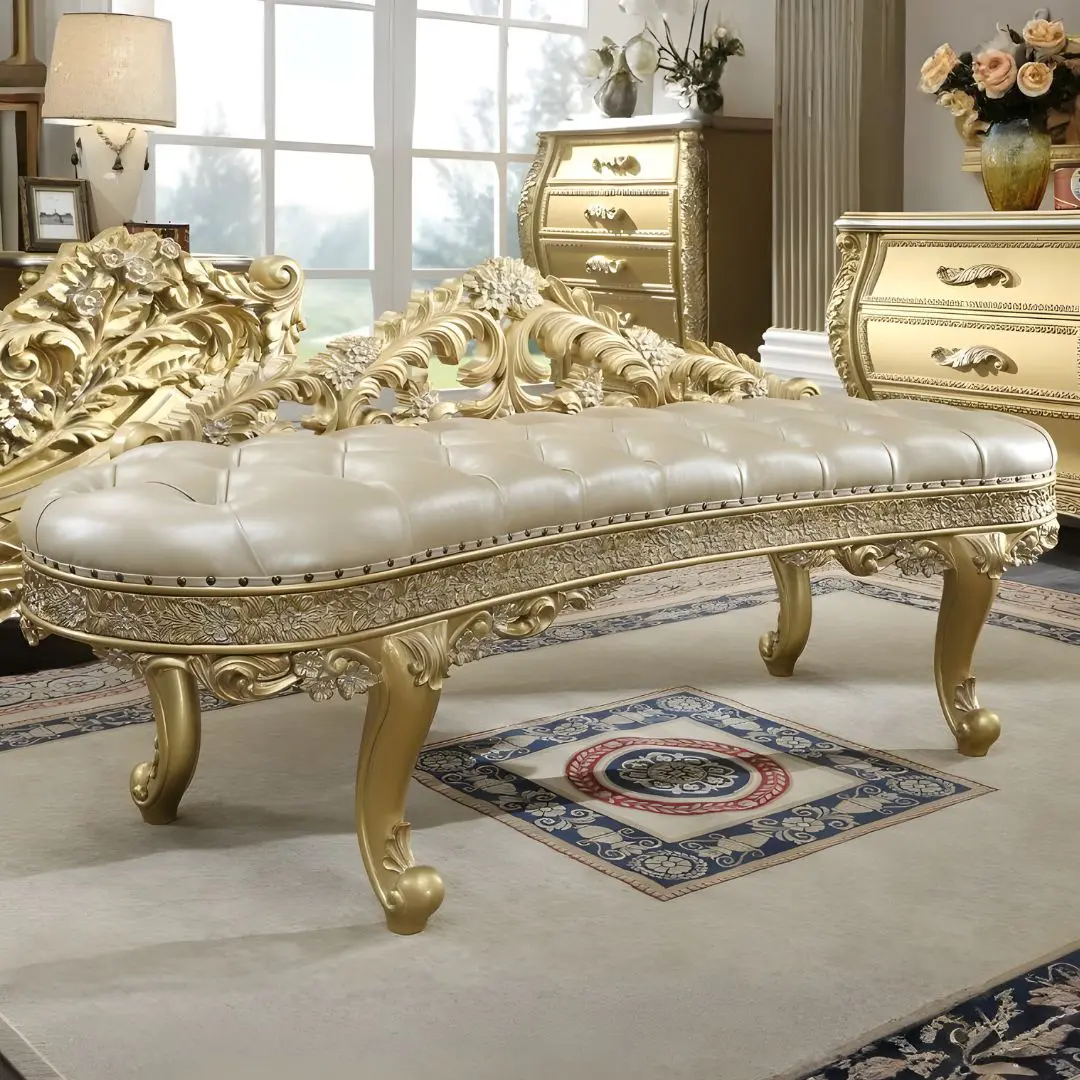
Upholstered bedroom and entryway benches finished to match our Victorian bedroom and living collections, ideal at the foot of a bed or beneath a hallway mirror.
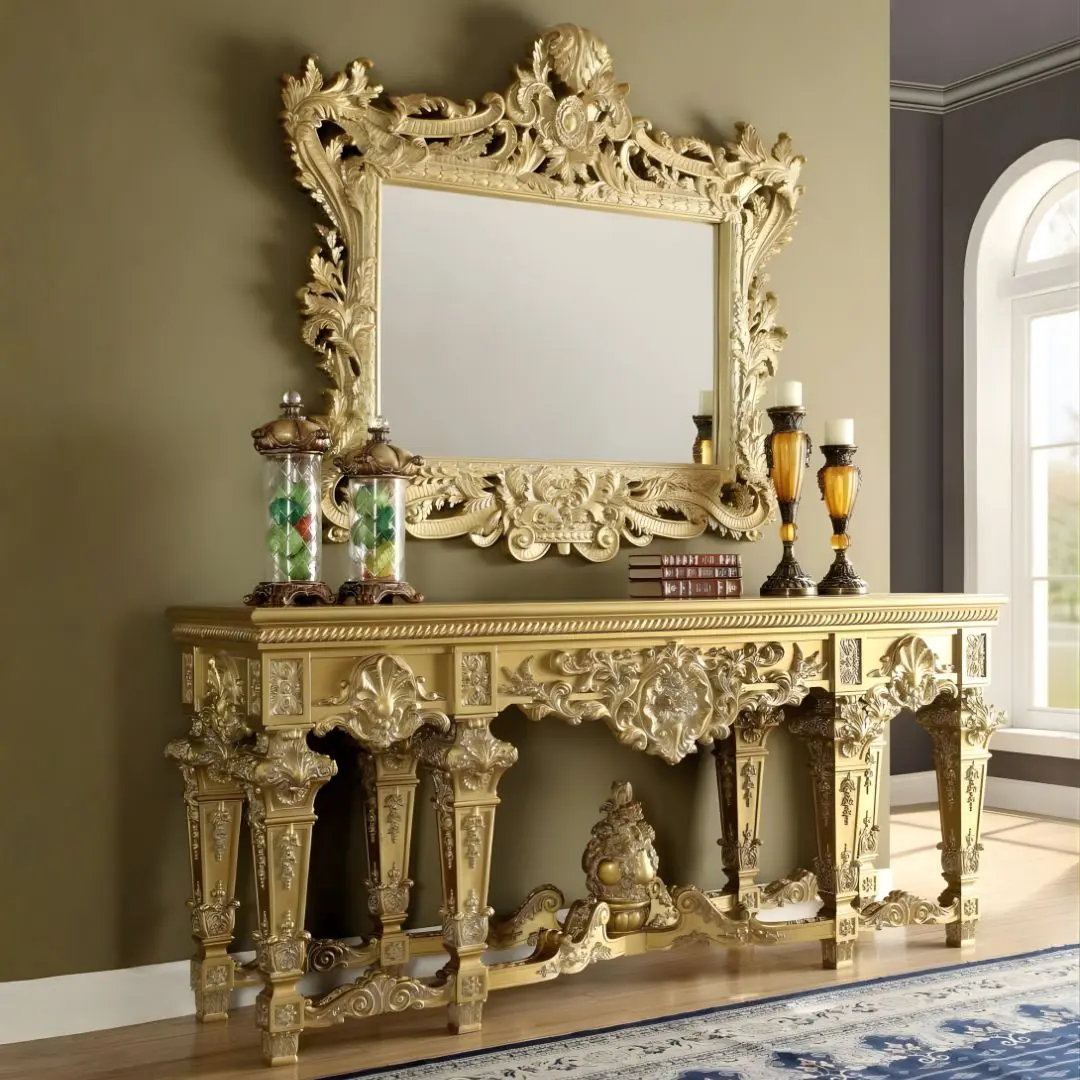
Carved console tables and matching mirrors finished in rich wood tones or metallic gold accents, built to elevate a foyer, hallway, or living room wall.
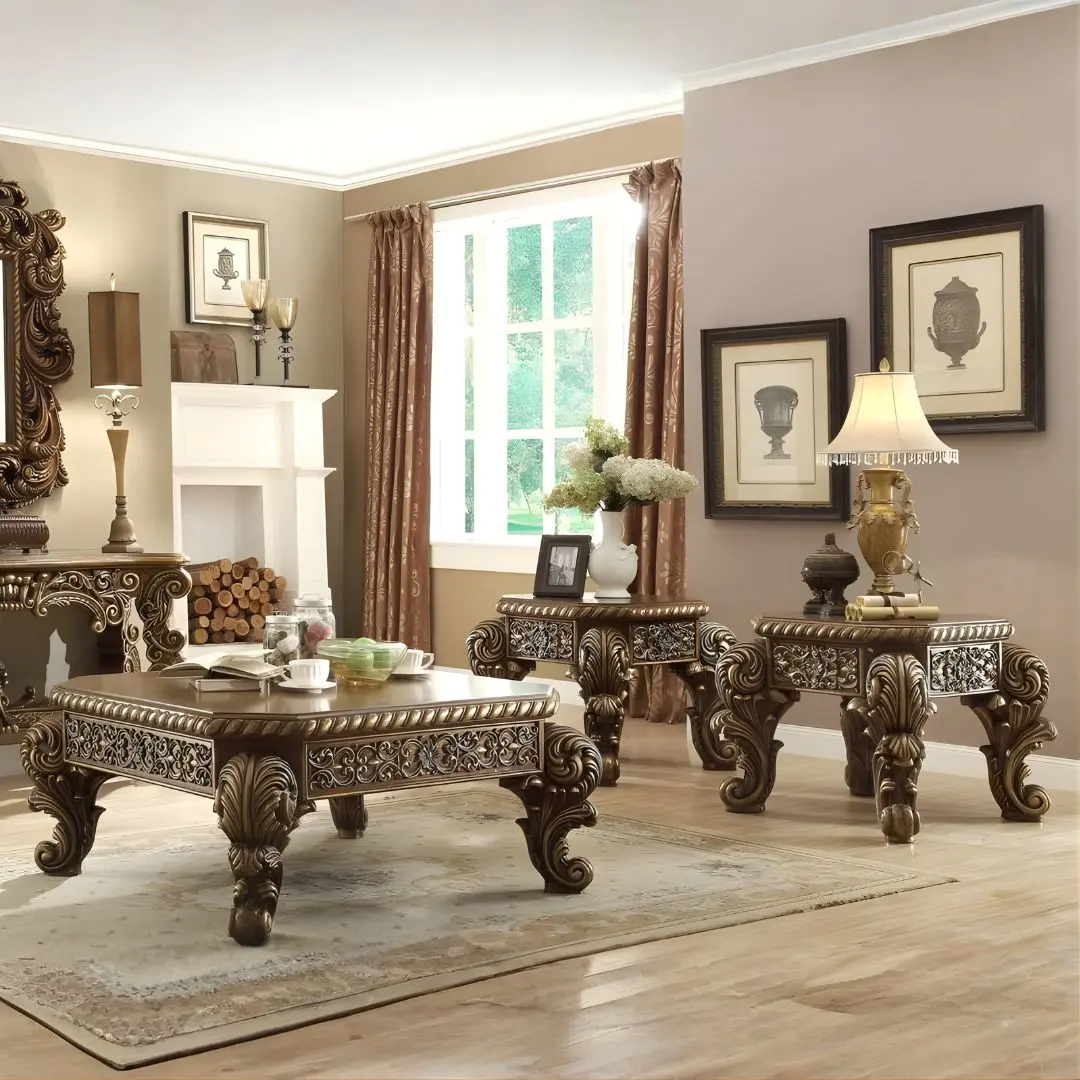
A curated mix of smaller Victorian-style accent pieces for finishing touches — the details that pull a room’s carved wood and tufted upholstery theme together.
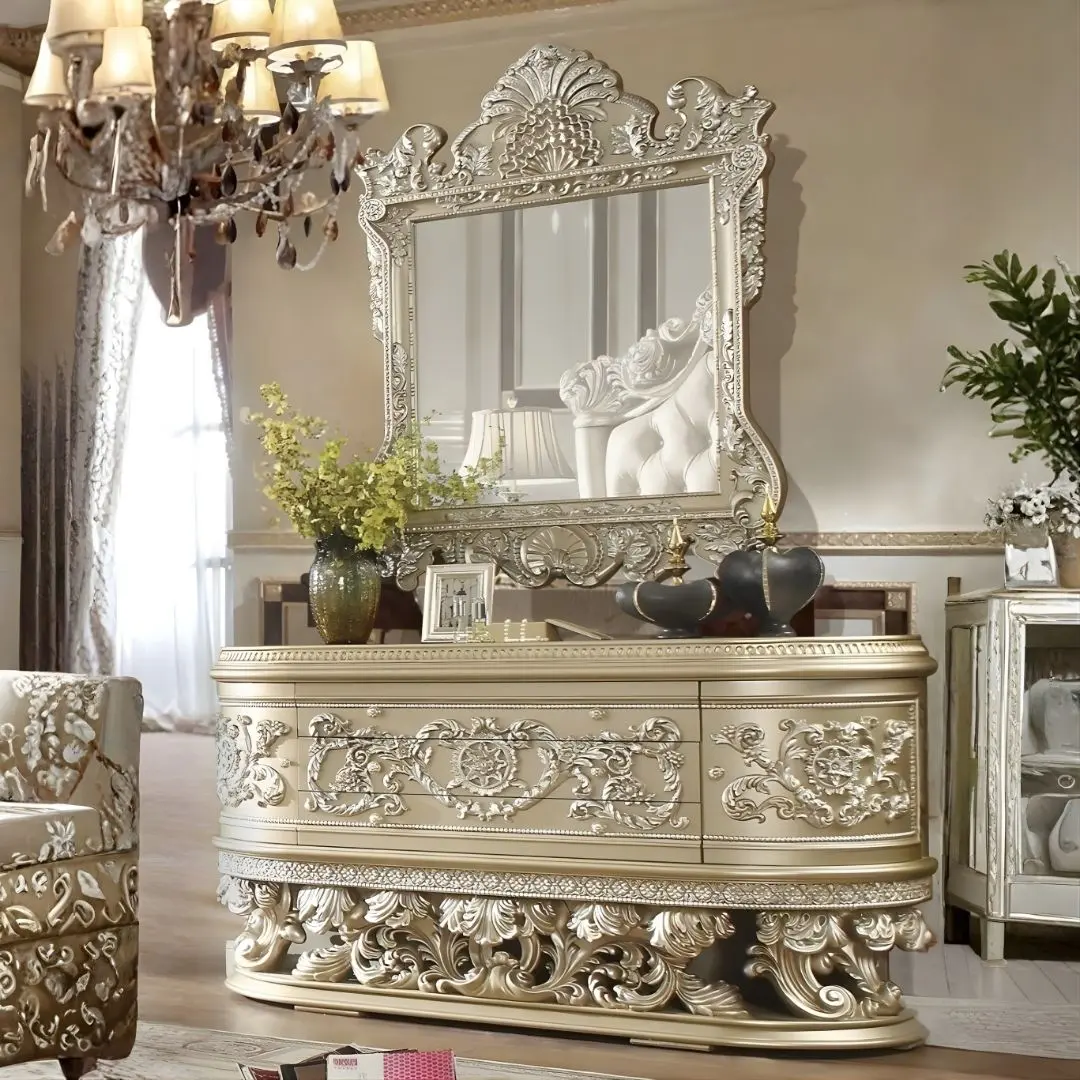
Carved vanity tables with matching stools and mirrors, designed to bring the same ornate detailing of our bedroom sets to a dressing corner.
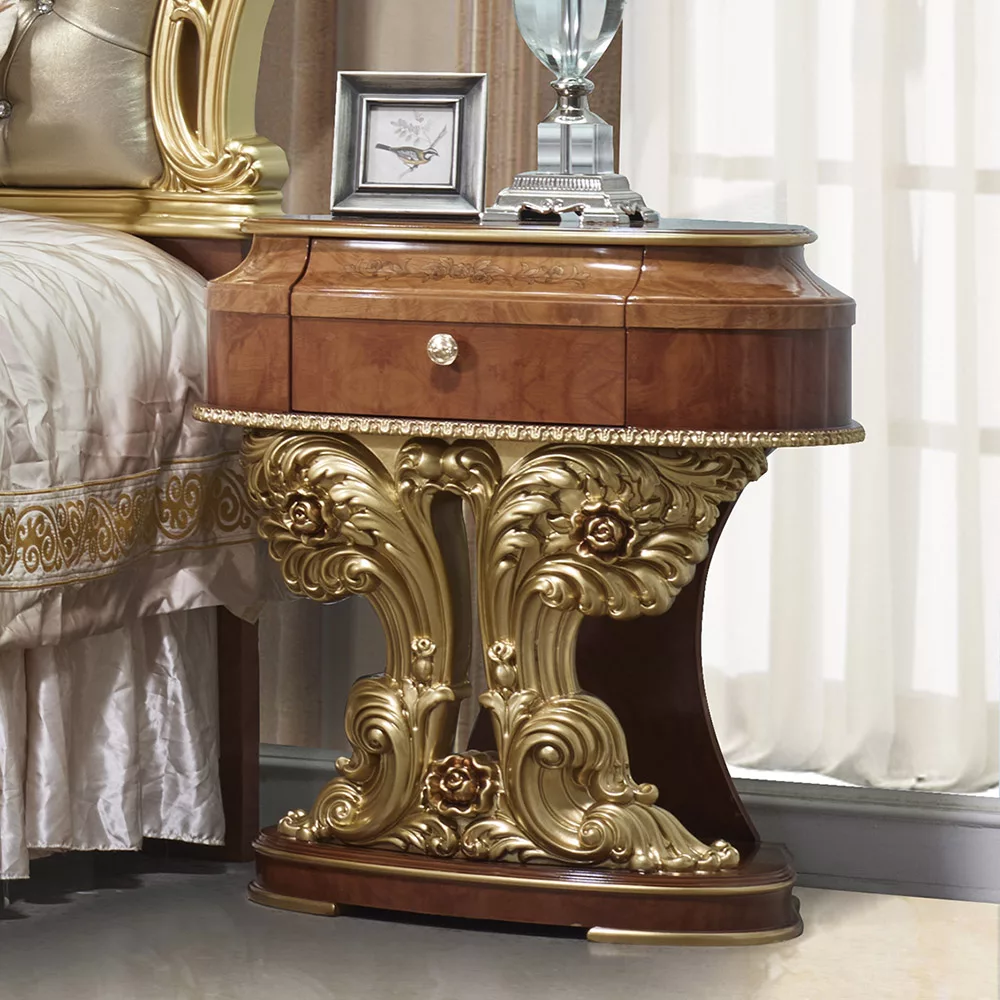
Bedroom storage pieces — dressers, media chests, and nightstands — carved and finished to match our complete Victorian bedroom collections.
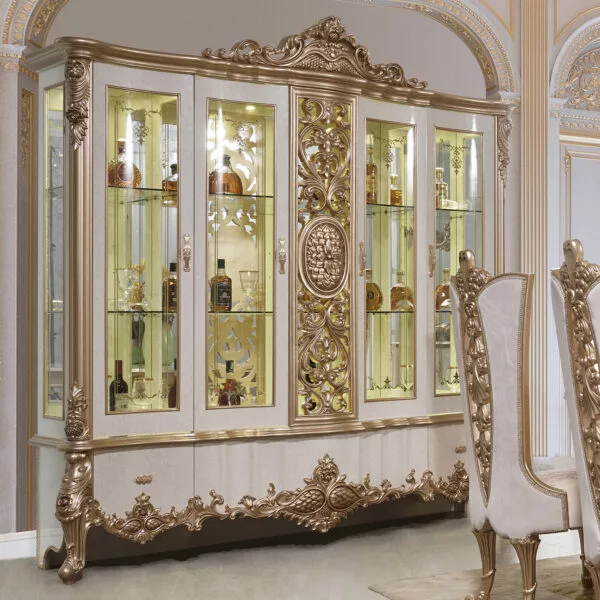
Display cabinets built to showcase fine china and glassware, with the same carved wood detailing found throughout our Victorian dining collections.
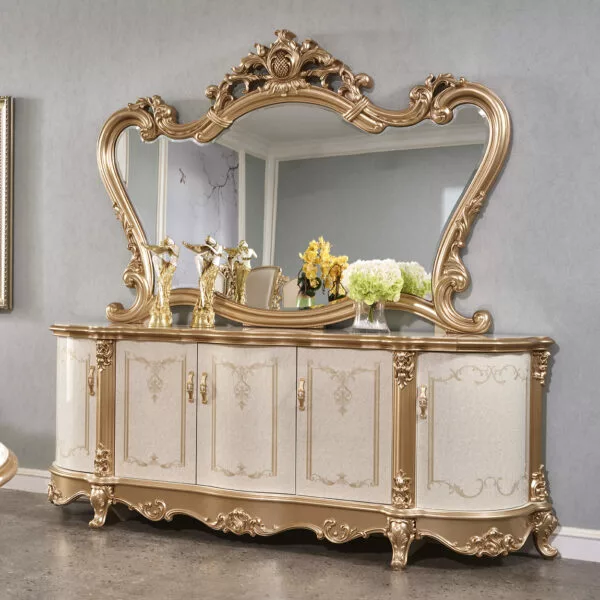
Sideboards and buffets sized for formal dining rooms, offering carved storage and serving space to match a Victorian dining set.
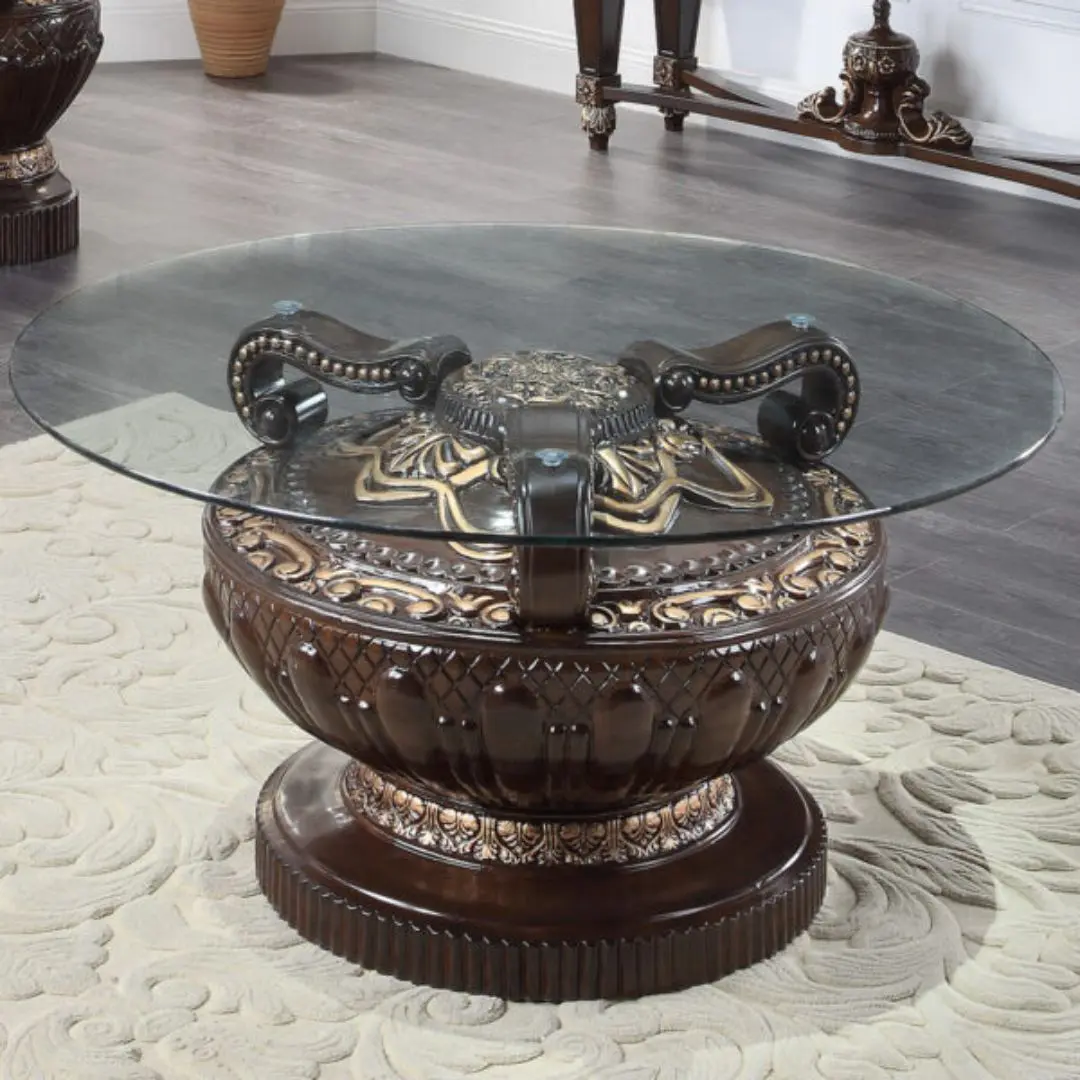
Carved coffee tables finished in dark mahogany, gold, and metallic accents to anchor a Victorian living room set.
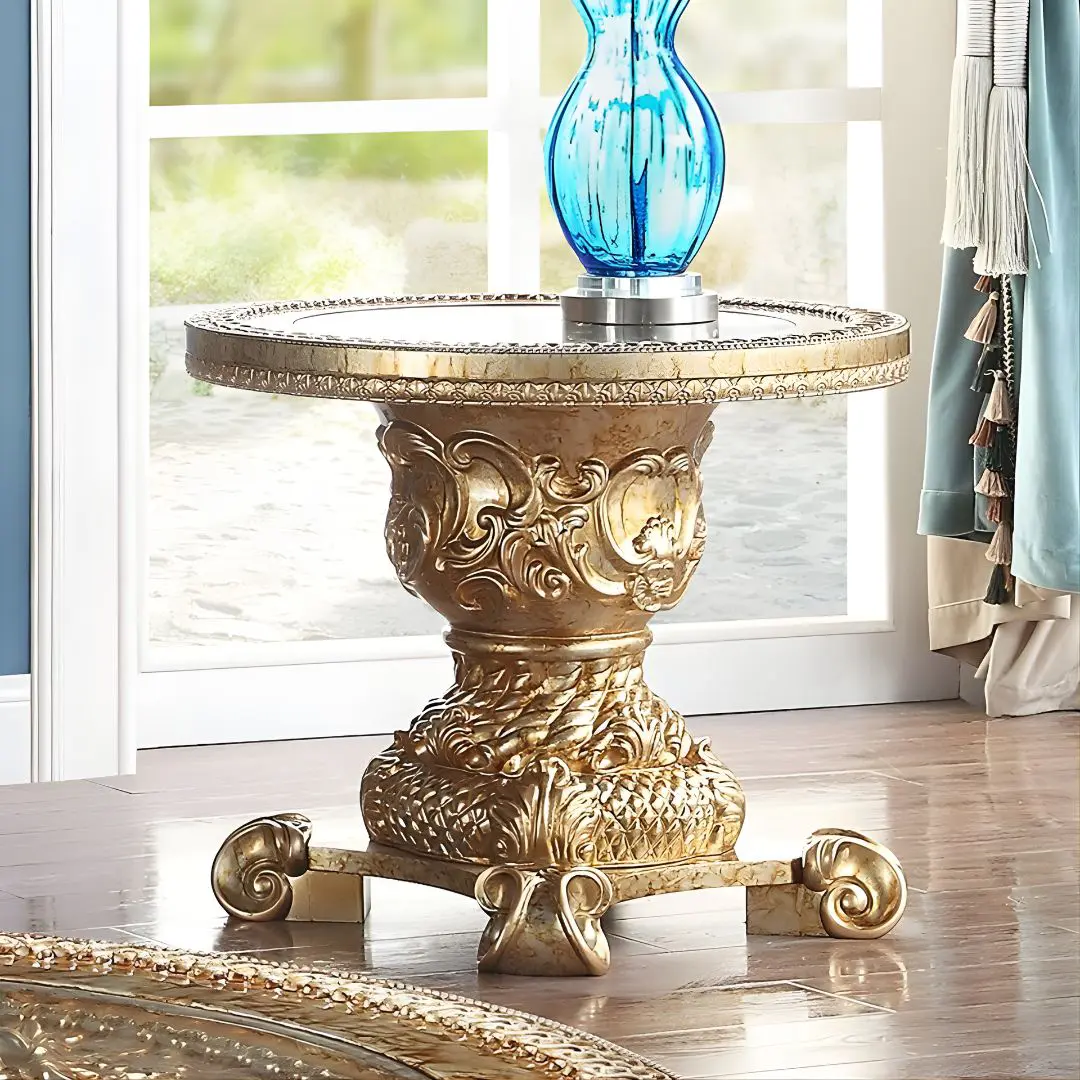
Companion end tables and side tables finished to match our Victorian sofas and loveseats — currently linked from this page, though the dedicated tag needs to be set up.
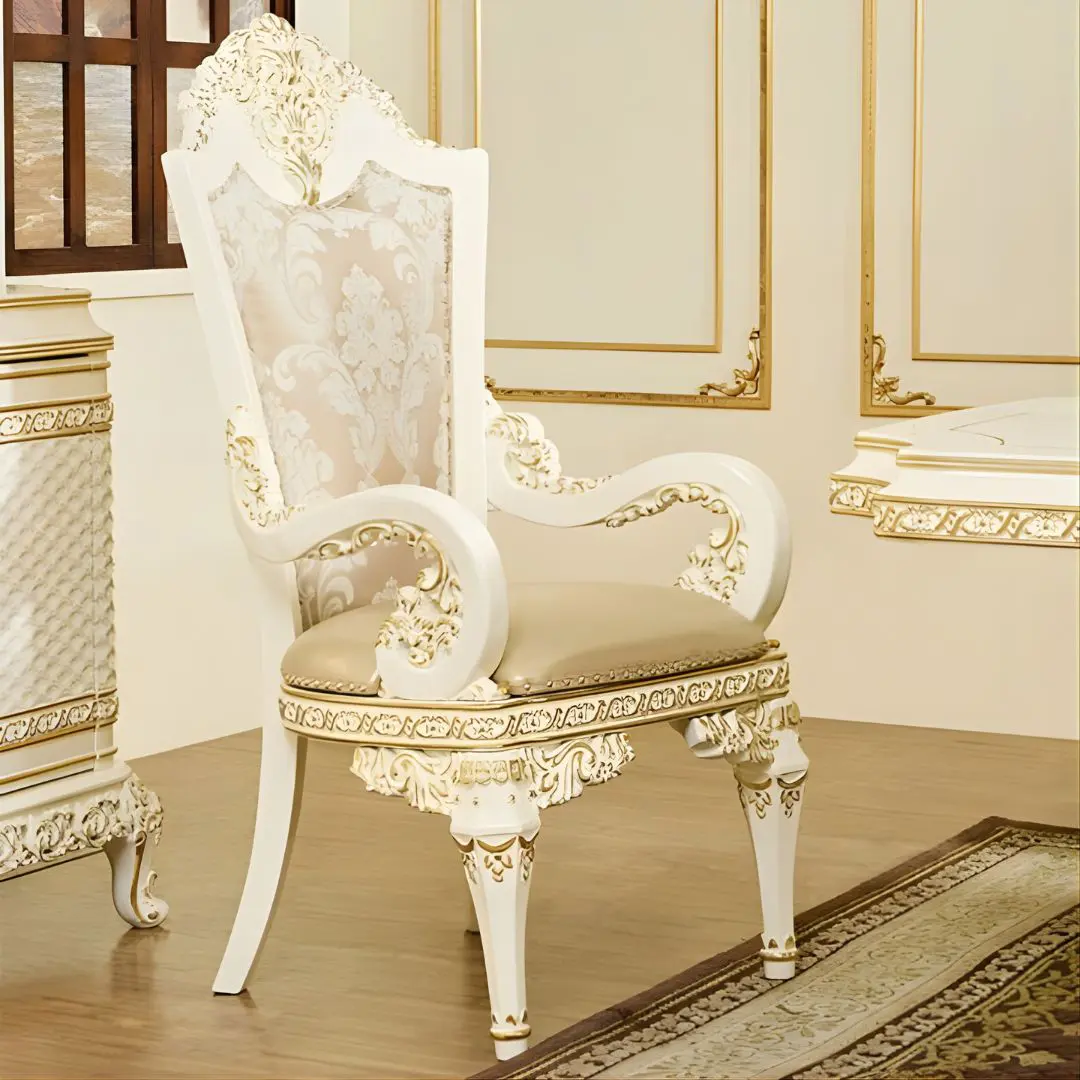
Ornate, carved dining chairs and benches available individually, for pairing with an existing table or expanding a dining set’s seating.
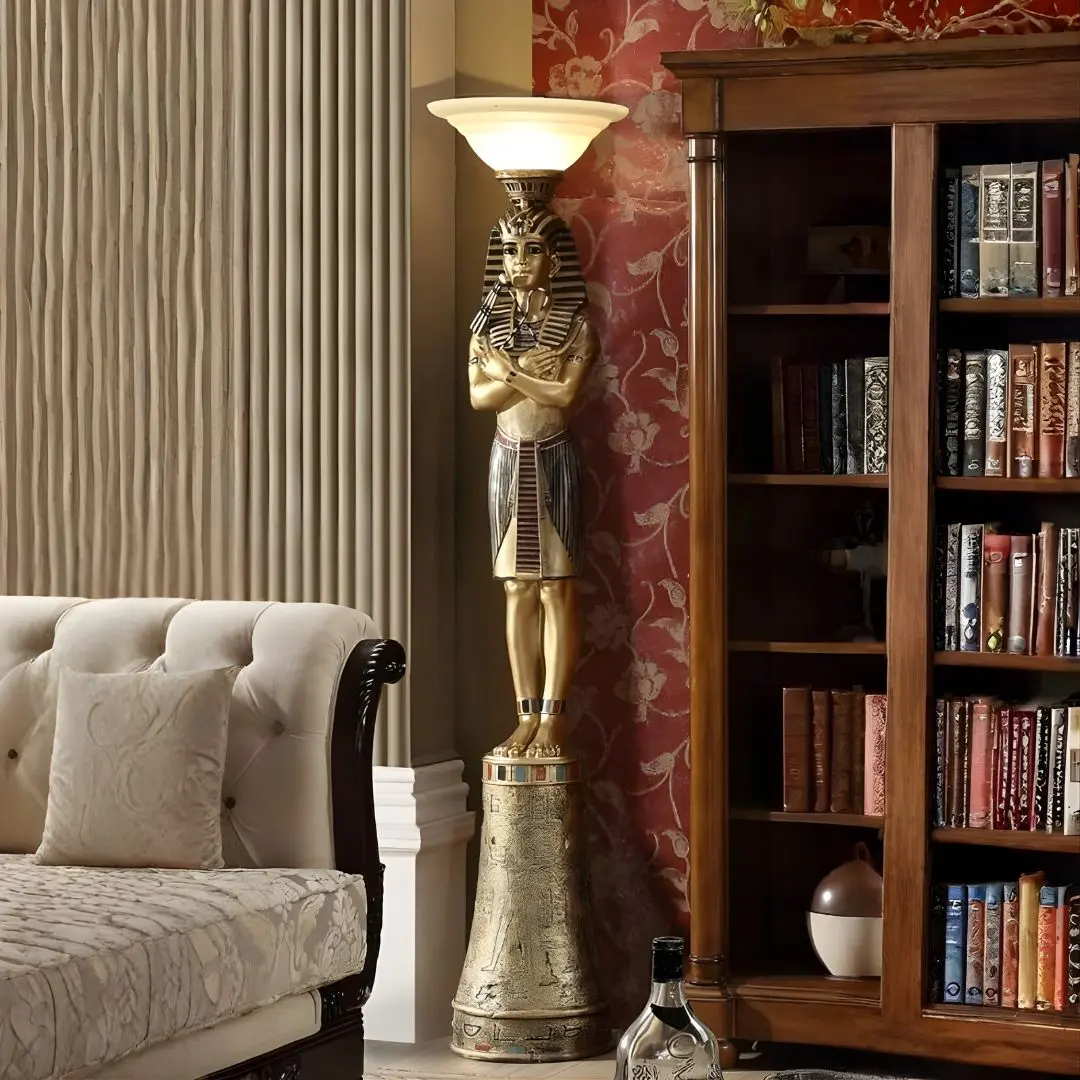
Gold-finished floor lamps that carry the same ornate detailing as our furniture collections into a room’s lighting.
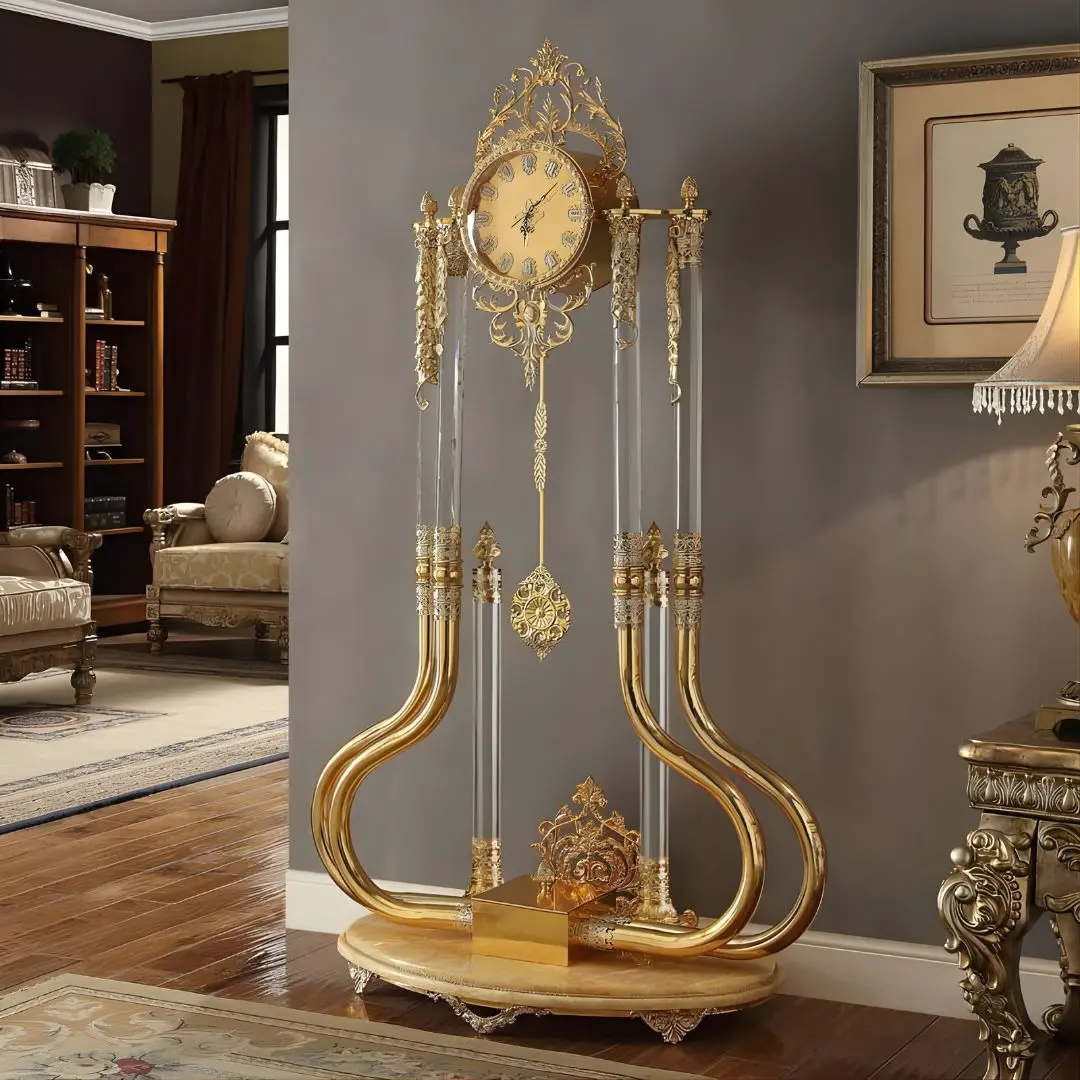
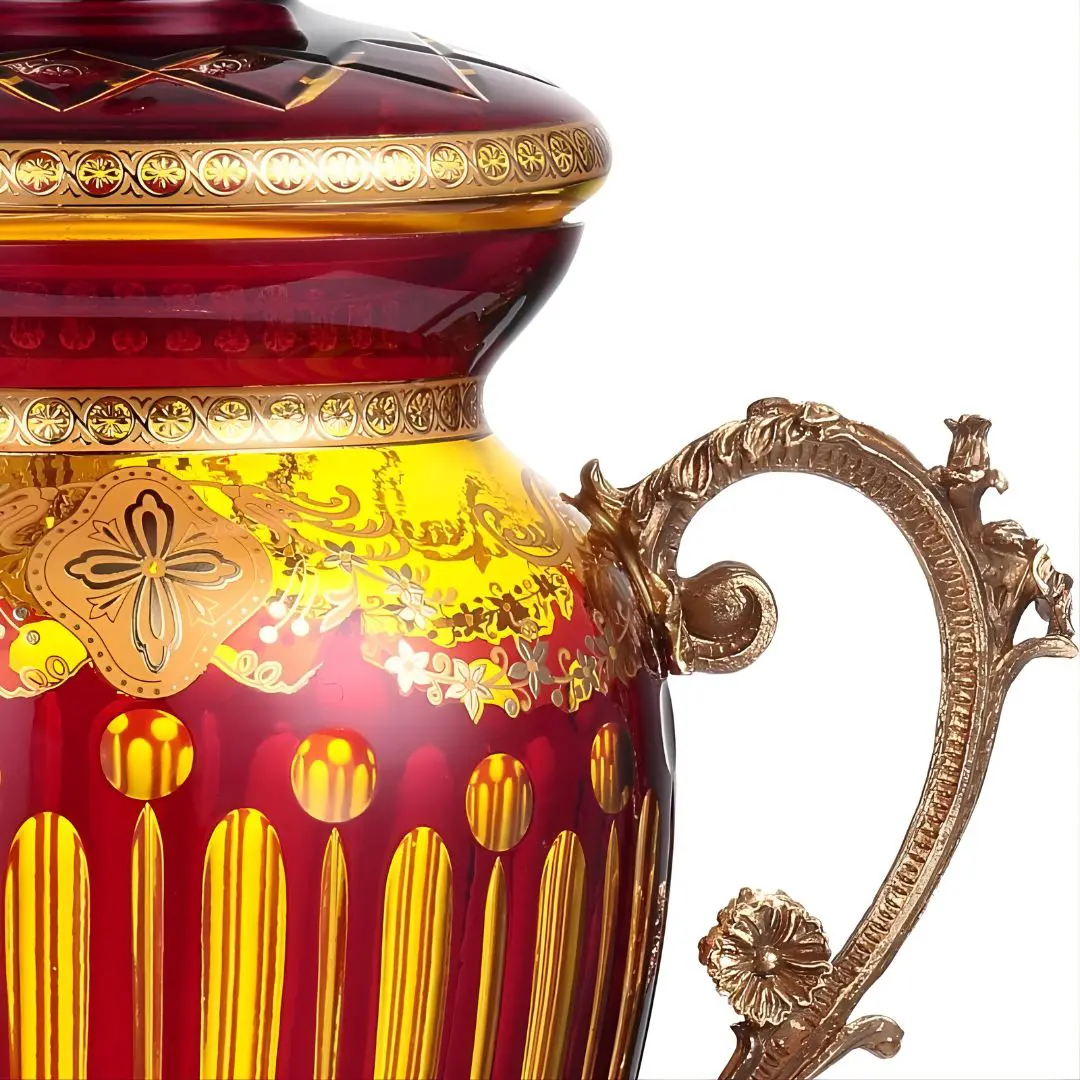
Statement floor clocks and decorative vases in gold, bronze, and jewel-toned finishes — the finishing accents for a fully composed Victorian room.
Articles About Victorian Style Furniture
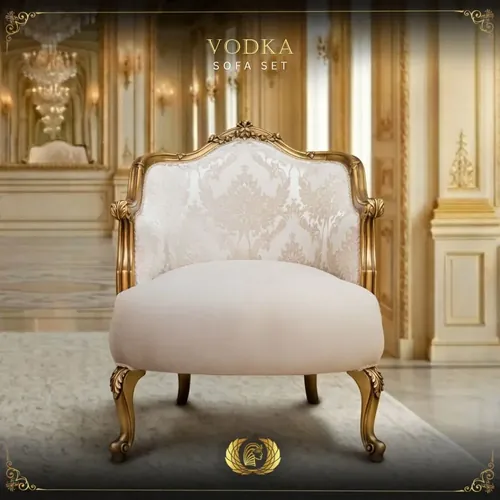
How to Choose Victorian Furniture: A Buying Guide
Victorian style furniture is tufting, nailhead, and a carved crest. Check the wood species and the scale before you match a whole set.
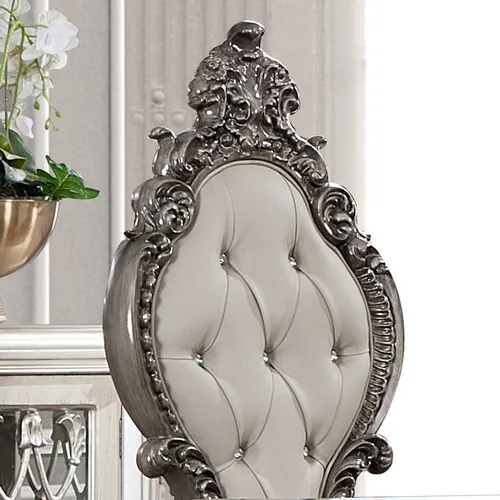
Victorian Dining Sets: How to Choose the Right Set
A Victorian dining set needs table length and chair clearance first. Confirm the wood species and the seat cloth before you match the carving.
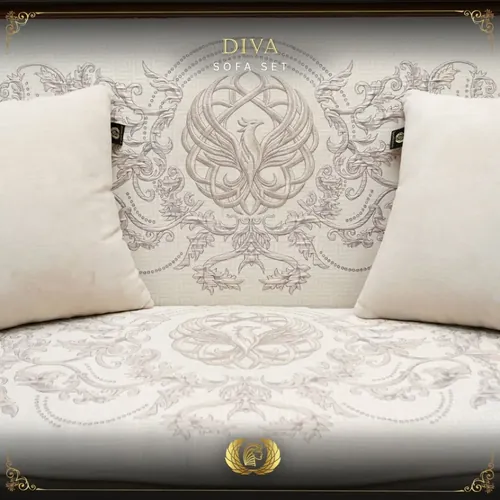
Victorian Living Room Furniture
Victorian living room furniture starts with sofa scale. Check seat depth, frame wood, and cloth before you match every chair.

Mahogany Victorian Furniture: Wood Types, Finishes, Craftsmanship & Authenticity Guide
Reviewed by the Mobilia Cleopatra design team
Quick answer: Mahogany was the prestige wood of Victor...
Victorian Style Furniture Brands



Frequently Asked Questions About Victorian Style Furniture
What is Victorian furniture?
Victorian furniture refers to the decorative styles produced during the reign of Queen Victoria from 1837 to 1901. The period is defined by richly carved hardwood frames — typically mahogany, walnut, or rosewood — combined with heavily tufted upholstery in velvet, damask, and brocade. Victorian pieces are deliberately ornate: cabriole legs, scrollwork, floral motifs, and medallion-back chairs are all signatures of the style. Unlike earlier periods that followed a single design language, Victorian furniture drew from multiple revival movements simultaneously — Gothic, Rococo, Renaissance, and Jacobean — which is why the style feels both grand and eclectic. For a deeper look at the history, characteristics, and how to identify genuine pieces, read our complete guide to Victorian furniture.
What is the difference between Victorian and Baroque furniture?
Baroque furniture predates Victorian by nearly two centuries — it emerged in 17th-century Europe and is defined by dramatic symmetry, heavy gilding, and a deliberate pursuit of grandeur at palace scale. Victorian furniture, by contrast, was designed for domestic interiors: formal and ornate, but built for family homes rather than royal halls. Where Baroque relies on gold leaf finishes and sweeping architectural forms, Victorian favours dark natural wood, tufted fabric, and carved ornament that is rich without being excessive. The result is that Baroque rooms feel theatrical and untouchable, while Victorian rooms feel lived-in and deliberately furnished. If you are deciding between the two styles, our Victorian vs Baroque furniture comparison breaks down every key difference with examples.
Can Victorian furniture work in a modern home?
Yes — and it works best when treated as an intentional contrast rather than a complete period recreation. The most successful modern Victorian interiors anchor one room around a statement piece — a tufted velvet sofa, a carved canopy bed, or an ornate dining set — and let the surrounding space breathe. Neutral walls, hardwood floors, and minimal accessories allow Victorian furniture to read as bold and curated rather than cluttered or dated. American homeowners increasingly use Victorian pieces this way: a single living room set or bedroom suite that brings presence and permanence to an otherwise contemporary home. Our guide on how to style a Victorian living room in a modern home covers this approach room by room with practical layout advice.
Can I buy a complete Victorian living room set?
Yes — complete Victorian living room sets typically include a coordinated sofa, loveseat, and one or more accent chairs in matching upholstery and carved wood frames. Buying as a set ensures the scale, finish, and fabric are matched across every piece, which is essential for the Victorian aesthetic to read correctly in a room. Some collections extend to five or seven pieces, adding a chaise, additional accent chairs, or a coordinated coffee table. At Mobilia Cleopatra, our Victorian living room sets bring together complete coordinated collections, alongside individual Victorian sofas and loveseats and Victorian accent chairs for buyers who want to build their own combination.
What is the difference between Early, Mid, and Late Victorian furniture?
Victorian furniture evolved significantly across its 64-year span and is typically divided into three distinct phases. Early Victorian (1837–1860) is the heaviest — dark mahogany, Gothic and Rococo revival motifs, massive carved sideboards and tester beds that filled formal rooms with deliberate weight. Mid Victorian (1860–1880) is the most eclectic phase, drawing from Renaissance, Jacobean, and Eastlake influences simultaneously, with richer upholstery, more varied silhouettes, and deeper jewel tones. Late Victorian (1880–1901) reflects the influence of the Aesthetic Movement — forms become lighter, Japanese influences appear in surface decoration, and upholstery shifts toward golden rod, olive, and sage tones. Understanding which phase a piece belongs to helps buyers match furniture to the right interior mood. Our full Victorian furniture styles guide covers all three eras in detail with examples of key pieces from each period.
What is handmade Victorian furniture?
Handmade Victorian furniture refers to pieces that are carved, upholstered, and finished by hand rather than produced through automated manufacturing. During the original Victorian era, all fine furniture was made this way — master craftsmen spent weeks on a single piece, carving scrollwork and floral motifs by hand, stretching and tufting fabric over individually shaped frames, and applying finish in multiple hand-rubbed coats. Today, genuine handmade Victorian furniture continues that tradition, with artisans producing each piece individually rather than replicating a factory mold. The result is furniture with visible character — slight variations in carving depth, fabric drape, and finish tone that make every piece distinct. At Mobilia Cleopatra, handmade pieces come from our own Kleopatra Kingdom line, designed mainly in French Rococo and Baroque styles; our Victorian-style collection itself comes from vendor brands and is factory-made.
What is the difference between handmade and regular Victorian furniture?
The difference is in the process and the result. Regular Victorian-style furniture is manufactured at scale — frames are machine-cut to consistent dimensions, carving details are applied as pressed or cast ornament, and upholstery is machine-tufted and stapled. The pieces look Victorian from across the room but lack the depth and variation that hand craftsmanship produces. Handmade Victorian furniture starts with solid hardwood that is shaped and carved by hand, meaning the scrollwork and floral motifs have genuine relief and edge definition rather than a flat, stamped appearance. Upholstery is hand-tufted over individually built frames, producing a button depth and fabric tension that machines cannot replicate. For buyers furnishing a home where the details matter up close, the difference is immediately visible.
Is handmade Victorian furniture worth the investment?
For the right buyer, yes — and for a specific reason. Because each piece is individually crafted from solid hardwood with hand-applied finishes, it can be restored, reupholstered, and refinished rather than replaced. Beyond durability, handmade Victorian pieces carry a rarity that manufactured furniture cannot offer — no factory catalogue, no identical neighbor’s living room. For American homeowners investing in a long-term interior, that exclusivity is part of what they are paying for.
Can I mix handmade Victorian furniture with regular Victorian pieces?
Yes — and it is often the most practical approach. The most effective Victorian interiors are built around one or two handmade statement pieces — typically the sofa set in a living room or the bed frame in a bedroom — supported by broader Victorian collection pieces for the surrounding furniture. This allows the handmade work to read clearly as the focal point without the cost of furnishing an entire room at that level. The key is ensuring that wood tones, upholstery colors, and carving styles are consistent across both tiers, so the room reads as a single composed interior rather than a mix of quality levels. Our team at Mobilia Cleopatra can advise on which combinations work best across our handmade Kleopatra Kingdom pieces and our Victorian-style collection.
