Free shipping · 0% for 6 months · White-glove available


Mahogany Victorian Furniture: Wood Types, Finishes, Craftsmanship & Authenticity Guide


Victorian furniture remains one of the most recognizable and influential furniture styles in the history of interior design. Characterized by elaborate craftsmanship, rich ornamentation, and premium materials, Victorian pieces continue to attract homeowners, collectors, designers, and luxury furniture enthusiasts throughout the United States. While decorative carvings and dramatic silhouettes often receive the most attention, the true foundation of Victorian furniture lies in its materials and finishes.
Understanding Victorian furniture wood types and finishes is essential for anyone interested in collecting antiques, identifying authentic pieces, restoring heirloom furniture, or investing in handcrafted furniture inspired by historical design traditions. Among all materials used during the Victorian era, mahogany became the defining wood of luxury furniture, prized for its durability, elegant grain, and exceptional carving qualities.
Today, the enduring appeal of mahogany Victorian furniture continues to influence luxury furniture manufacturers and custom furniture makers. From grand dining tables and elaborate sideboards to sophisticated bedroom suites and display cabinets, Victorian craftsmanship demonstrates how material selection can elevate furniture from functional objects into works of art.
This guide explores the most important Victorian furniture woods, traditional finishing techniques, craftsmanship methods, and authenticity indicators. Whether you are evaluating an antique, researching restoration techniques, or simply developing a deeper appreciation for traditional luxury furniture, understanding these materials provides valuable insight into the artistry that defined Victorian interiors.
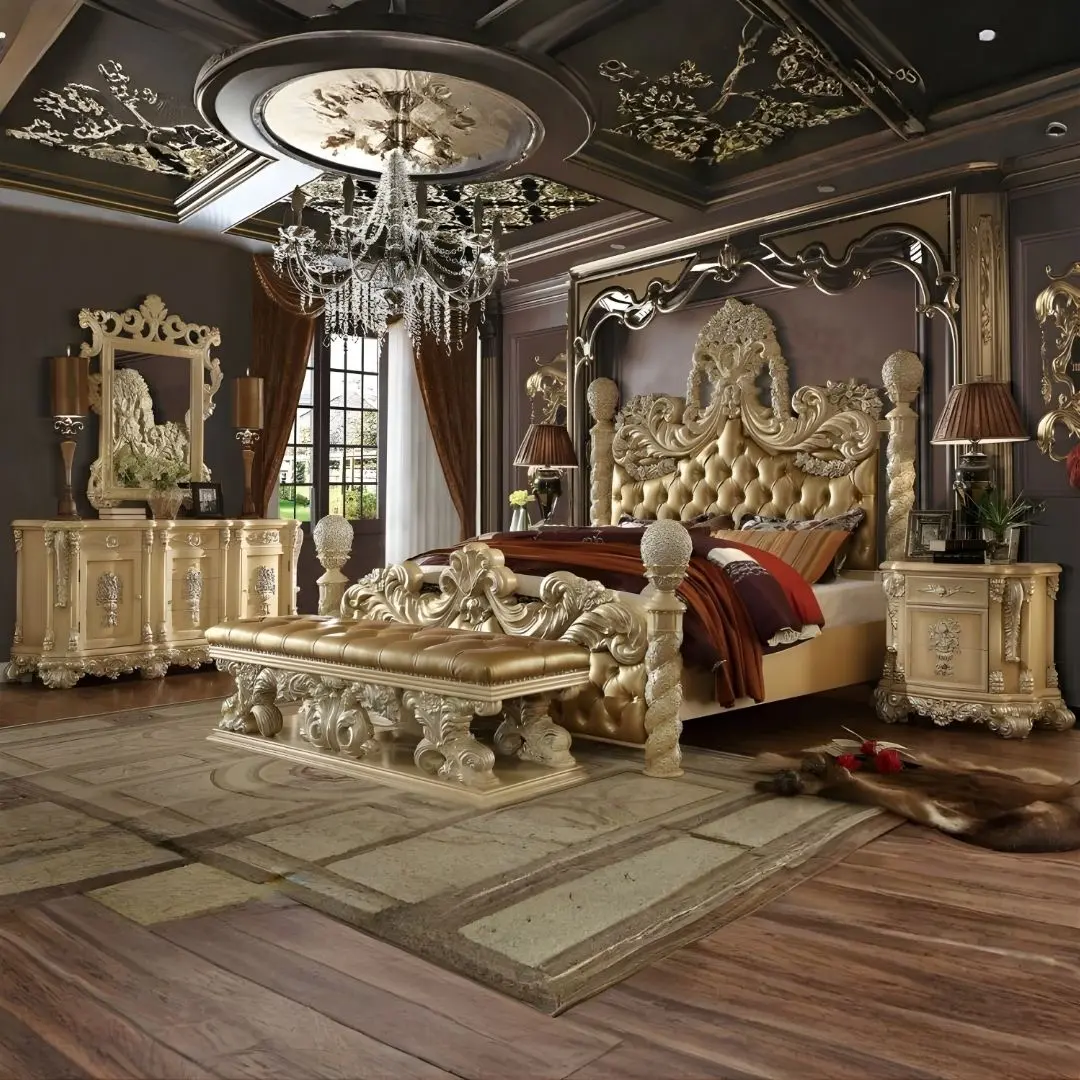
Mahogany Victorian Furniture
What Defines Victorian Furniture?
Victorian furniture emerged during the reign of Queen Victoria from 1837 to 1901, a period marked by industrial growth, expanding wealth, and a growing appreciation for decorative arts. Furniture makers combined influences from Gothic Revival, Rococo Revival, Renaissance Revival, and Eastlake design movements, creating pieces that emphasized craftsmanship, luxury, and visual impact.
Unlike earlier furniture styles that often prioritized restraint and simplicity, Victorian furniture embraced ornamentation. Deep carvings, decorative moldings, curved forms, and intricate detailing became hallmarks of the era. Furniture was designed not only to serve practical purposes but also to communicate social status and sophistication.
Materials played a central role in achieving this aesthetic. Wealthy homeowners sought furniture made from exotic and premium hardwoods, particularly mahogany and rosewood. The natural beauty of these woods provided an ideal canvas for carving, polishing, and decorative embellishments.
Victorian homes frequently featured elaborate parlors, formal dining rooms, and richly furnished bedrooms. As a result, furniture became larger, more decorative, and increasingly specialized. Sideboards, display cabinets, armoires, and parlor tables showcased both the owner’s wealth and the furniture maker’s skill.
The combination of luxurious materials and extraordinary craftsmanship is one reason Victorian furniture continues to inspire modern luxury furniture collections today.
Why Mahogany Became the Signature Wood of Victorian Furniture
Among all Victorian furniture materials, mahogany achieved a level of prestige unmatched by most other hardwoods. Its popularity was driven by both practical performance and aesthetic appeal.
Mahogany possesses a rich reddish-brown color that deepens beautifully with age. Its relatively straight grain and consistent texture allow furniture makers to create highly refined surfaces that respond exceptionally well to traditional finishing techniques such as French polishing.
Victorian cabinetmakers particularly valued mahogany because it carved cleanly while maintaining structural stability. Complex decorative elements, including scrollwork, floral motifs, and relief carvings, could be executed with remarkable precision.
Historically, Cuban Mahogany was considered among the finest furniture woods available. As supplies became limited, Honduran Mahogany emerged as a widely used alternative, offering similar beauty and workability. Both species contributed significantly to Victorian furniture production.
Affluent Victorian households preferred mahogany because it conveyed elegance and permanence. Large dining tables, grand bedroom furniture, and statement sideboards made from mahogany became symbols of refinement. Even today, authentic mahogany Victorian furniture remains highly desirable among collectors and luxury furniture enthusiasts due to its timeless beauty and durability.
Victorian Furniture Wood Types Explained
Although mahogany dominated the luxury market, Victorian furniture makers worked with a wide variety of woods to achieve different visual effects and price points.
Mahogany
Mahogany offered exceptional strength, stability, and carving performance. Its warm coloration and ability to develop a beautiful patina made it ideal for formal furniture.
Rosewood
Rosewood was among the most luxurious materials of the Victorian era. Its dramatic grain patterns and dark coloration created striking visual contrast, making it popular for statement pieces and decorative veneers.
Walnut
Walnut became increasingly popular during the late Victorian period. Its softer brown tones and distinctive grain patterns appealed to homeowners seeking elegance without the boldness of mahogany.
Oak
Oak was valued for its durability and strength. While often associated with simpler designs, it was frequently used in Gothic Revival furniture and substantial household pieces.
Satinwood
Satinwood provided a lighter, more delicate appearance. Furniture makers often used it for decorative accents, veneers, and inlay work.
Burl Woods and Decorative Veneers
Burl wood veneers showcased highly figured grain patterns that added visual richness. Veneering techniques allowed artisans to create luxurious appearances while maximizing the use of valuable materials.
Together, these wood species formed the foundation of Victorian furniture production and contributed to the diverse aesthetic character of the era.
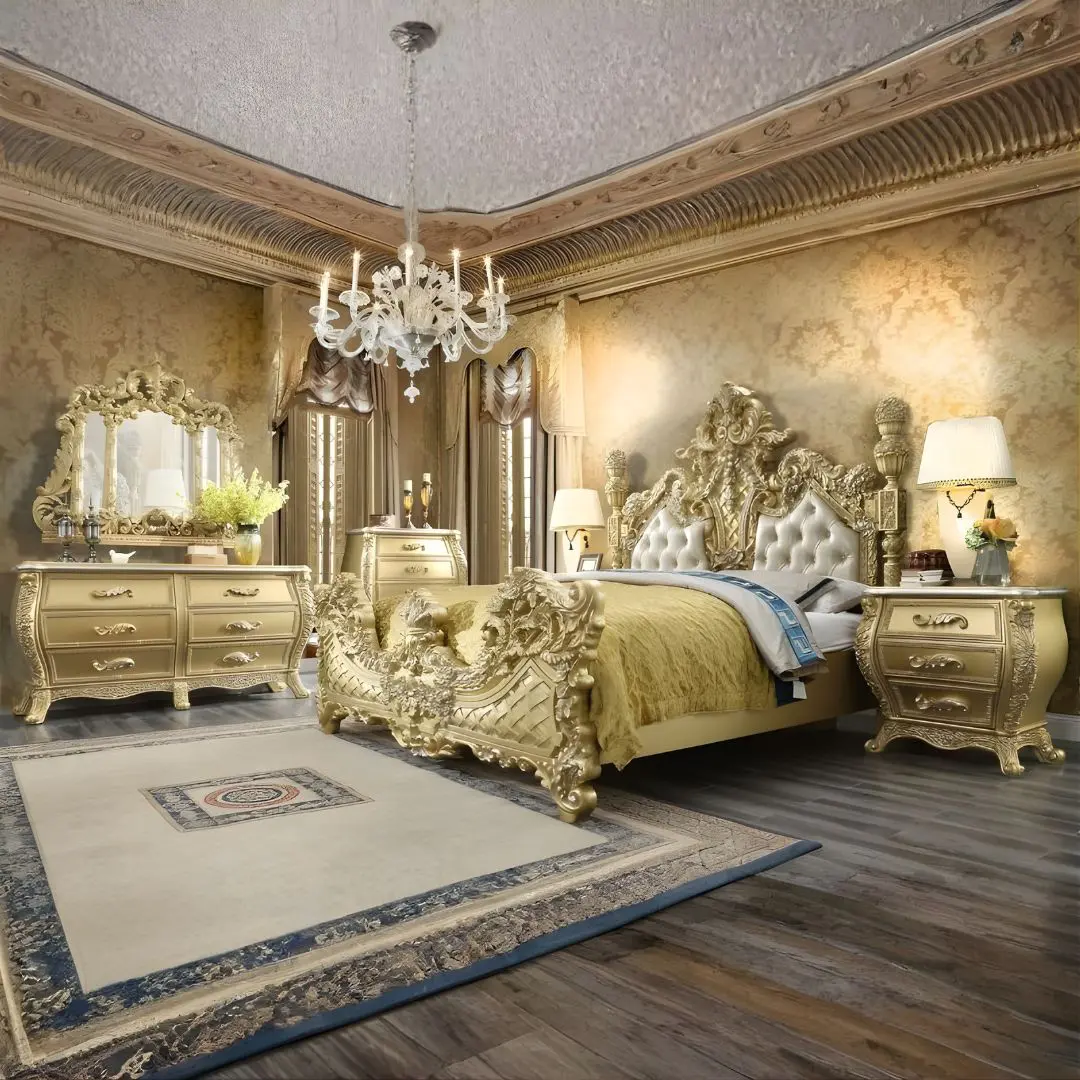
Mahogany Victorian Furniture
Mahogany Victorian Furniture Characteristics
Mahogany Victorian furniture possesses several distinctive qualities that make it highly recognizable.
One of the most obvious characteristics is its rich color. Depending on age, finish, and species, mahogany can range from warm reddish-brown to deep burgundy tones. Exposure to light and oxidation often enhances this coloration over time.
The grain structure of mahogany contributes significantly to its appeal. While generally straight, subtle variations create visual depth and elegance without overwhelming decorative details. This balance allowed Victorian craftsmen to highlight both the wood and the carving.
Durability is another defining feature. Properly maintained mahogany furniture can survive for generations while retaining its structural integrity. This longevity explains why so many Victorian pieces remain functional today.
Mahogany also offers excellent carving performance. Furniture makers could execute elaborate decorative motifs while preserving strength and stability. Floral carvings, scrollwork, acanthus leaves, and ornamental moldings became signature elements of many Victorian designs.
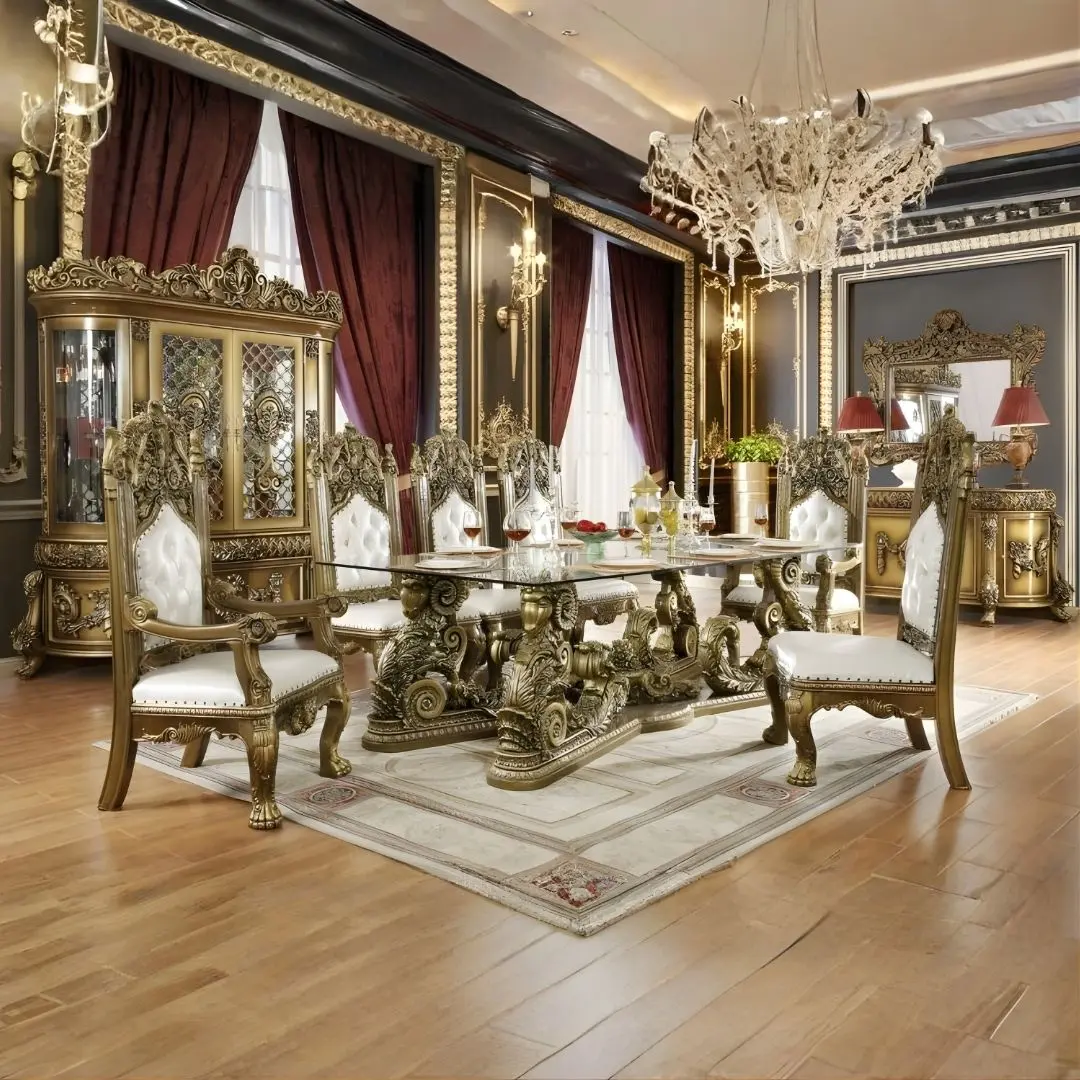
Common mahogany Victorian furniture pieces include dining tables, sideboards, display cabinets, bedroom suites, writing desks, armoires, and parlor furniture. These furnishings often served as focal points within Victorian interiors, reflecting both artistic skill and material quality.
Victorian Furniture Finishes and Surface Treatments
The beauty of Victorian furniture depended not only on the wood itself but also on the finishing techniques applied by skilled artisans.
French Polish
French polishing remains one of the most celebrated furniture finishing methods. Created through the repeated application of shellac, this process produces a deep, reflective surface that enhances grain clarity and color depth.
Shellac Finish
Shellac served as the foundation of many Victorian furniture finishes. It provided warmth, transparency, and a natural luster that complemented premium hardwoods such as mahogany and rosewood.
Hand-Applied Stains
Furniture makers frequently used stains to enrich color and create consistency across multiple components. Skilled application ensured that the natural grain remained visible.
Wax Finishes
Wax coatings added protection and subtle sheen. Many antique furniture owners continue to use wax-based maintenance techniques to preserve original finishes.
Furniture Patina Development
One of the most valued characteristics of antique Victorian furniture is its patina. This gradual transformation results from age, use, oxidation, and environmental exposure. Authentic patina contributes significantly to character, authenticity, and value.
These finishing methods worked together to create the luxurious appearance associated with Victorian furniture.
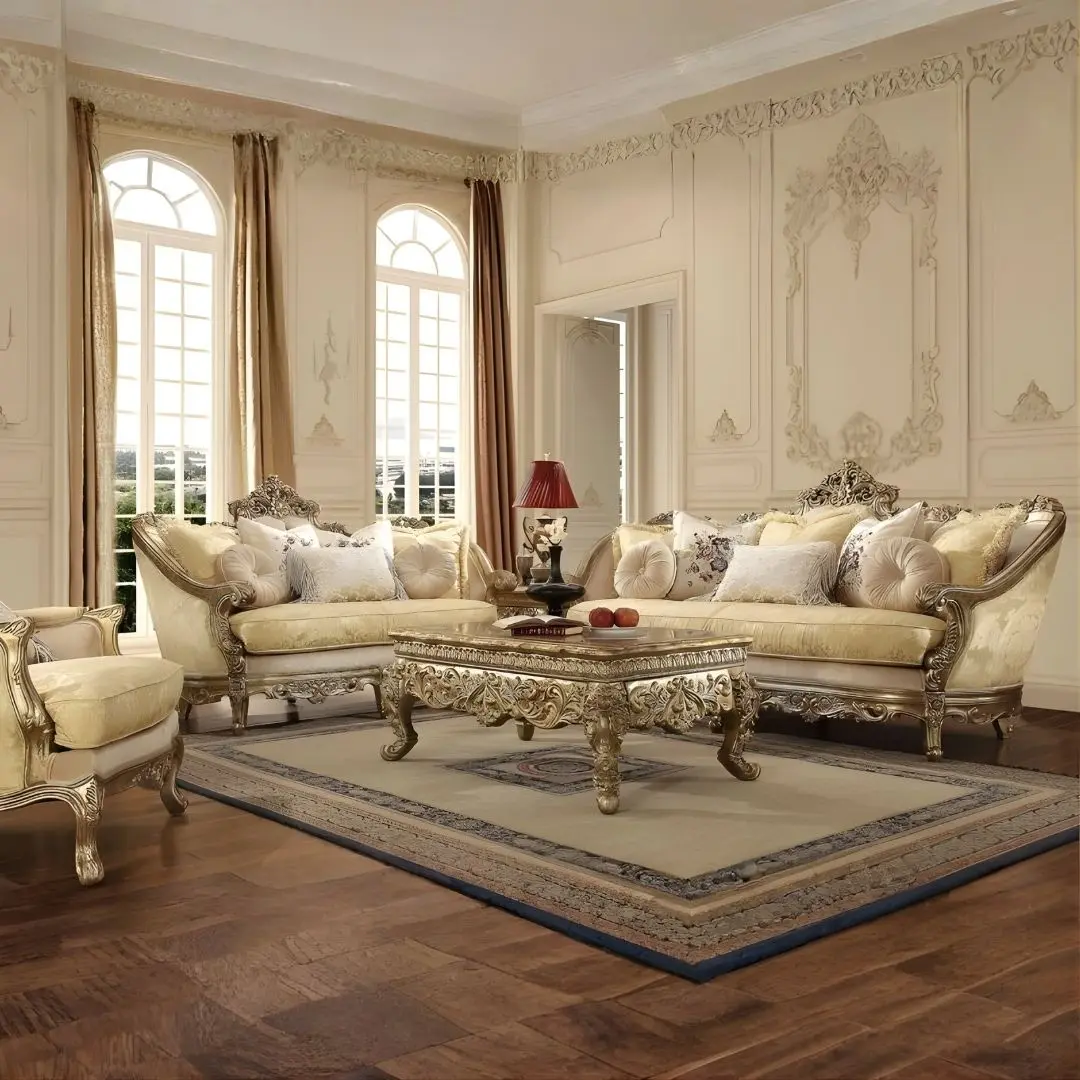
Mahogany Victorian Furniture
Victorian Furniture Craftsmanship Techniques
Victorian furniture craftsmanship reflected a remarkable combination of artistry and technical expertise.
Hand carving played a central role in Victorian design. Skilled artisans transformed hardwood surfaces into elaborate decorative compositions featuring floral motifs, scrolls, foliage, and architectural elements.
Relief carving added depth and visual complexity. Deeply carved surfaces created dramatic shadows that enhanced the furniture’s overall presence.
Marquetry and inlay work introduced contrasting materials into furniture surfaces. Craftsmen combined different wood species, mother-of-pearl, and decorative veneers to create intricate patterns and artistic effects.
Decorative moldings framed furniture components while contributing to visual hierarchy and elegance. These details often distinguished premium pieces from more modest examples.
Traditional cabinetmaking methods ensured structural integrity. Precision joinery, careful material selection, and meticulous finishing allowed furniture to withstand decades of use.
Many principles developed during the Victorian era continue to influence luxury furniture manufacturing today, particularly among brands committed to traditional craftsmanship and handcrafted construction.
Victorian Joinery and Construction Methods
Construction quality remains one of the most reliable indicators of authentic Victorian furniture.
Mortise and tenon joinery was widely used for structural components. This method creates strong mechanical connections that can remain stable for centuries.
Dovetail joints frequently appeared in drawers and case furniture. Hand-cut dovetails often reveal subtle variations that indicate traditional craftsmanship.
Solid wood construction was common in premium furniture. However, many Victorian artisans also used veneers strategically to achieve decorative effects and maximize valuable materials.
Contrary to popular misconceptions, veneer use does not necessarily indicate inferior quality. Victorian craftsmen often employed highly sophisticated veneering techniques, particularly when working with rosewood, satinwood, and burl woods.
Examining joinery and construction methods can provide valuable insight into age, authenticity, and overall quality.
Victorian Rosewood vs Mahogany Furniture
Rosewood and mahogany were among the most prestigious furniture materials of the Victorian era, yet they offer distinct characteristics.
Rosewood is known for dramatic grain patterns, darker coloration, and striking visual contrast. It often appears more exotic and decorative than mahogany.
Mahogany, by comparison, presents a more refined and balanced appearance. Its uniform grain structure allows carvings and architectural details to remain the focal point.
In terms of durability, both woods perform exceptionally well when properly maintained. However, mahogany’s stability and workability often made it the preferred choice for large furniture pieces.
Collectors frequently value rosewood furniture for its rarity and visual drama, while mahogany remains highly sought after for its versatility, elegance, and historical significance.
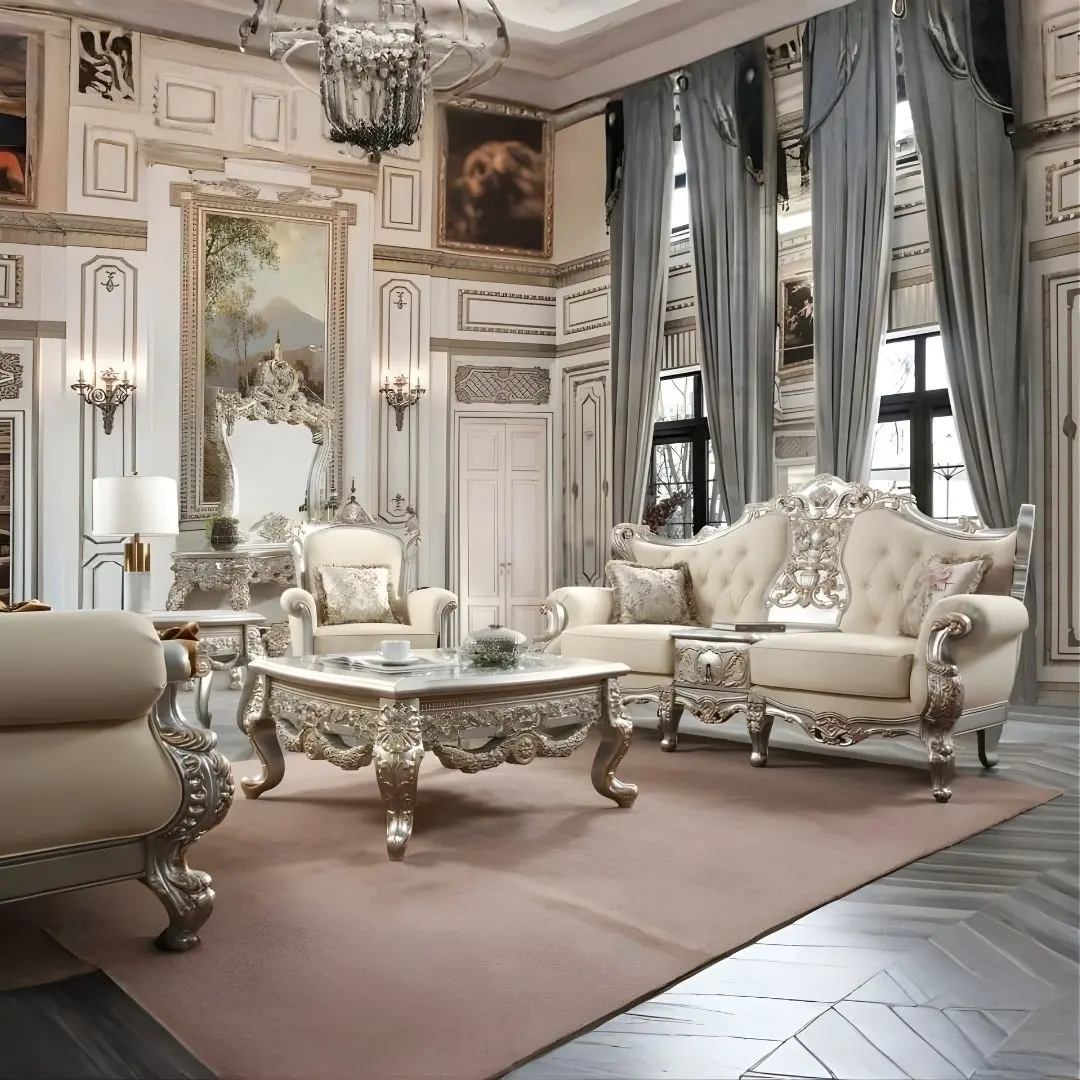
Mahogany Victorian Furniture
How to Identify Authentic Victorian Mahogany Furniture
Authenticating Victorian furniture requires careful observation and an understanding of traditional construction techniques.
Begin by examining the wood grain. Genuine mahogany typically exhibits fine, consistent grain patterns with natural variation rather than artificial uniformity.
Next, inspect joinery. Hand-cut dovetails, mortise and tenon joints, and evidence of traditional craftsmanship often indicate older construction methods.
Patina is another important factor. Authentic Victorian furniture usually displays subtle signs of age, including finish wear, color development, and surface character that cannot easily be replicated.
Hardware, carvings, and moldings should also be evaluated. Original details often reveal workmanship levels that exceed those found in mass-produced reproductions.
While reproductions can be beautiful and functional, understanding these distinctions helps buyers make informed decisions when evaluating furniture.
Victorian Furniture Restoration and Modern Luxury Furniture Influence
Restoration requires a careful balance between preservation and repair. Excessive refinishing can diminish historical value, particularly when original shellac or French-polished surfaces remain intact.
Whenever possible, conservators recommend preserving original finishes rather than replacing them entirely. Gentle cleaning, stabilization, and targeted repairs often provide better long-term outcomes.
Common restoration mistakes include aggressive sanding, inappropriate staining, and replacing original hardware unnecessarily. These interventions can reduce authenticity and collector value.
Proper maintenance of antique mahogany furniture includes controlling humidity, minimizing direct sunlight exposure, and using appropriate cleaning products.
The influence of Victorian craftsmanship extends far beyond antiques. Contemporary luxury furniture makers continue to embrace traditional woodworking techniques, hand carving, premium hardwoods, and custom construction methods inspired by Victorian artisans.
For luxury furniture brands such as Mobilia Cleopatra, the enduring lessons of Victorian craftsmanship remain highly relevant. The commitment to material quality, handcrafted details, and timeless design principles demonstrates that true luxury is rooted not only in appearance but also in construction, durability, and artistry.
Conclusion
Victorian furniture represents one of the finest expressions of traditional furniture craftsmanship. From the rich elegance of mahogany and the dramatic beauty of rosewood to the refined character of walnut and satinwood, material selection played a fundamental role in defining the furniture of the era.
Among these materials, mahogany emerged as the signature wood of luxury Victorian furniture due to its durability, workability, and remarkable visual appeal. Combined with techniques such as French polishing, shellac finishing, hand carving, marquetry, and precision joinery, mahogany allowed artisans to create furniture that continues to inspire admiration more than a century later.
Understanding Victorian wood types, finishes, and construction methods provides valuable insight for collectors, homeowners, designers, and furniture enthusiasts. Whether evaluating an antique sideboard, restoring a family heirloom, or selecting handcrafted furniture inspired by historical traditions, knowledge of these materials helps reveal the quality hidden beneath the surface.
The lasting appeal of Victorian furniture demonstrates that exceptional craftsmanship never goes out of style. The same principles that guided Victorian artisans—premium materials, meticulous attention to detail, and respect for traditional woodworking—remain essential foundations of luxury furniture today.
Mahogany Victorian Furniture
Frequently Asked Questions
What wood was most commonly used in Victorian furniture?
Mahogany was one of the most common and prestigious woods used in Victorian furniture, particularly for high-end pieces. Walnut, rosewood, oak, and satinwood were also widely used depending on the furniture type and intended market.
Why is mahogany Victorian furniture considered valuable?
Mahogany combines beauty, durability, stability, and excellent carving qualities. Its association with luxury Victorian interiors and its ability to age gracefully contribute significantly to its value.
How can you identify mahogany Victorian furniture?
Look for reddish-brown coloration, fine grain patterns, traditional joinery, quality carving, and evidence of age-related patina. Authentic pieces often exhibit superior craftsmanship and material quality.
What finish was traditionally used on Victorian furniture?
Shellac-based finishes and French polishing were among the most common Victorian furniture finishing methods. Wax treatments were also frequently used for protection and maintenance.
Is Victorian furniture made from solid wood or veneer?
Both. Premium furniture often combined solid wood construction with decorative veneers. Veneering was considered a sophisticated technique rather than a shortcut.
What is the difference between mahogany and rosewood Victorian furniture?
Mahogany typically features a more uniform grain and warm coloration, while rosewood offers darker tones and more dramatic grain patterns.
How does walnut compare to mahogany in Victorian furniture?
Walnut generally displays softer brown tones and a more understated appearance. Mahogany tends to be richer in color and was often associated with more formal furniture.
What is French polish on Victorian furniture?
French polish is a finishing technique involving multiple thin applications of shellac to create a deep, reflective, high-luster surface.
Can original Victorian furniture finishes be restored?
Yes, but restoration should prioritize preservation whenever possible. Retaining original finishes often helps maintain authenticity and value.
How can you tell if Victorian furniture is authentic?
Examine joinery, materials, finish characteristics, patina, hardware, and construction techniques. Authentic pieces typically reveal evidence of traditional craftsmanship.
Which Victorian furniture woods are the most collectible?
Mahogany, rosewood, and high-quality walnut are among the most collectible Victorian furniture woods due to their beauty, rarity, and historical significance.
Does wood type affect the value of Victorian furniture?
Absolutely. Wood species influence durability, appearance, rarity, craftsmanship potential, and collector demand, all of which contribute to overall value.
