Furniture

Victorian Style Furniture: Characteristics, Design Elements & Luxury Interior Ideas

Victorian Style Furniture

Victorian-style furniture represents one of the most recognizable traditions in classic interior design, combining historical elegance, detailed craftsmanship, and luxurious materials. Inspired by the Victorian era, this furniture style reflects a period when interiors were designed to communicate refinement, comfort, and artistic expression. Today, Victorian-inspired furniture continues to influence luxury residential spaces by offering a balance between heritage aesthetics and modern sophistication.

For homeowners exploring what Victorian decor is, the answer goes beyond simply choosing antique-looking pieces. Victorian decor is built around carefully considered proportions, rich textures, decorative details, and furniture that creates a sense of warmth and permanence. From carved wood furniture and upholstered seating to statement dining pieces and elegant bedroom collections, the style focuses on creating interiors with personality and timeless appeal.

In the U.S. luxury furniture market, Victorian-style furniture remains relevant because it aligns with the demand for handcrafted, premium, and custom-designed interiors. Modern homeowners often seek furniture that feels distinctive rather than mass-produced, making Victorian-inspired designs an ideal foundation for spaces that value craftsmanship and individuality.

At Mobilia Cleopatra, Victorian-inspired luxury furniture can be viewed as a connection between traditional European design principles and contemporary American living. Through custom furniture construction, premium materials, and refined finishing techniques, historic influences can be adapted to create interiors that feel both classic and current.

This guide explores Victorian furniture characteristics, design elements, materials, craftsmanship, room applications, and ways to incorporate Victorian aesthetics into modern luxury homes.

What Is Victorian-Style Furniture?

Origins of Victorian Era Design

Victorian-style furniture developed during the reign of Queen Victoria in the 19th century, a period known for significant cultural, industrial, and artistic changes. Furniture from this era reflected a fascination with craftsmanship, decorative arts, and European design influences. Unlike minimalist approaches, Victorian interiors embraced richness, layering, and visual detail.

The Victorian era produced furniture that often featured expressive silhouettes, intricate woodwork, and carefully selected materials. Homes were designed as complete environments where furniture, architecture, textiles, and decorative objects worked together to create a unified atmosphere.

The Influence of 19th-Century European Interiors

Victorian interior design style was influenced by several movements, including Gothic Revival, Rococo Revival, Renaissance Revival, and other European-inspired traditions. Designers borrowed elements such as dramatic arches, ornamental carvings, curved furniture forms, and decorative motifs.

This combination created furniture that felt formal yet inviting. A Victorian living room, for example, was not simply arranged around seating but designed as a sophisticated gathering space with carefully positioned sofas, accent chairs, tables, and decorative elements.

The popularity of Victorian furniture also came from its ability to express personal taste. Wealthy households often used furniture, textiles, and artwork to showcase education, travel, and appreciation for fine craftsmanship.

Why Victorian Furniture Remains Popular Today

Although Victorian furniture originated more than a century ago, its influence remains strong because many of its principles align with modern luxury design. Quality materials, handcrafted details, and durable construction continue to appeal to homeowners looking for furniture with long-term value.

Today’s Victorian-inspired furniture does not need to replicate a historic room exactly. Instead, designers often reinterpret the style by combining classic forms with updated finishes, modern layouts, and customized dimensions.

For luxury homes, Victorian furniture offers an opportunity to create interiors that feel layered and sophisticated. A carefully selected statement piece, such as a carved wood cabinet or upholstered sofa, can introduce heritage character without making a space feel outdated.

The enduring appeal of Victorian design comes from its focus on craftsmanship. Furniture created with attention to structure, materials, and detail often becomes more than decoration—it becomes part of the identity of the home.

What Are the Main Characteristics of Victorian Furniture?

Ornate Decorative Details

One of the defining features of Victorian furniture is its attention to decorative detail. Unlike simpler furniture styles that emphasize clean lines, Victorian designs often celebrate artistry through carving, molding, embellishment, and carefully crafted accents.

Wooden furniture pieces may include floral carvings, sculpted edges, decorative panels, and elegant trim. These details were not added randomly; they were intended to create visual balance and highlight the skill of the maker.

Luxury Victorian furniture often uses decoration as a way to enhance the natural beauty of materials. A richly finished hardwood surface, for example, becomes more expressive when paired with hand-carved details or polished decorative elements.

Symmetrical Interior Arrangements

Victorian interiors commonly emphasize balance and structure. Rooms were often arranged around a central focal point, with furniture placement creating harmony and order.

Formal sitting rooms frequently featured coordinated seating arrangements, allowing conversation and social interaction while maintaining an elegant appearance. This approach continues to influence classic residential design today.

Modern luxury interiors often borrow this principle by creating balanced layouts with carefully selected furniture pieces. A symmetrical arrangement of sofas, chairs, tables, and lighting can make a room feel intentional and refined.

Rich Textures and Layered Fabrics

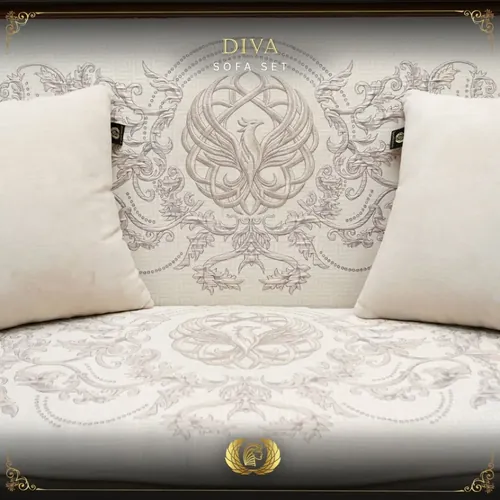
Textiles play an important role in Victorian decor. The style is known for using luxurious fabrics such as velvet, brocade, damask, silk, and jacquard to add depth and comfort.

Upholstered furniture was often designed to feel inviting while maintaining a formal appearance. Tufted seating, decorative stitching, and layered fabrics contributed to the overall richness of Victorian interiors.

Today, these textile traditions remain popular in luxury furniture design because they add warmth and sophistication. Modern interpretations may combine classic upholstery with updated colors and cleaner styling.

Key Victorian Furniture Design Elements

Victorian Style Furniture

Formal and Elegant Furniture Shapes

Victorian furniture is recognized for its distinctive silhouettes. Sofas, chairs, tables, and cabinets often feature curved edges, substantial proportions, and carefully designed profiles.

Furniture was created to make a statement while remaining functional. A Victorian sofa was not only a place to sit—it was a centerpiece that contributed to the character of the room.

For contemporary homes, these elegant shapes can create a sense of luxury when paired with modern architectural features. The result is an interior that respects traditional design while feeling current.

Key Victorian Furniture Design Elements

Carved Wood Details

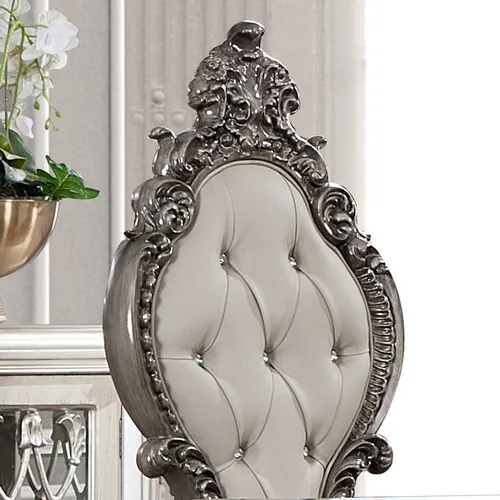
Wood carving is one of the most recognizable elements of Victorian furniture craftsmanship. Skilled artisans used carving techniques to create decorative patterns, borders, and architecture-inspired details.

Hardwoods such as mahogany, walnut, oak, and cherry were frequently valued for their durability and ability to showcase detailed craftsmanship. These materials allowed furniture makers to create pieces that were both functional and artistic.

Hand-carved details remain a major feature of premium furniture because they demonstrate a level of personalization and skill that is difficult to achieve with automated manufacturing.

Curved Silhouettes

Victorian furniture often avoids strict geometric forms in favor of graceful curves. Chair backs, sofa arms, table edges, and cabinet profiles frequently feature rounded shapes that create a softer visual experience.

These curves contribute to the romantic and welcoming quality associated with Victorian interiors. They also help large furniture pieces feel more elegant rather than heavy.

In modern luxury homes, curved Victorian-inspired furniture can create contrast against contemporary architectural lines, adding character and depth.

Decorative Moldings

Decorative moldings are another important Victorian furniture design element. These details add structure and sophistication to cabinets, wardrobes, tables, and architectural features.

Moldings can highlight edges, create visual layers, and enhance the overall craftsmanship of a piece. When combined with quality finishes, they help furniture achieve a timeless appearance.

Statement Furniture Pieces

Victorian interiors often include furniture designed to become a focal point. Examples include grand dining tables, detailed cabinets, elegant seating, and decorative bedroom furniture.

Rather than filling a room with many competing items, modern designers often use selected Victorian-inspired statement pieces to create a more balanced luxury environment.

Traditional Proportions

Proportion is essential in Victorian design. Furniture was typically created with a strong presence, using comfortable dimensions and carefully considered scale.

This attention to proportion helps Victorian furniture remain practical while maintaining a sense of grandeur. In luxury interiors, well-proportioned furniture creates a more harmonious and comfortable living space.

Common Materials Used in Victorian Style Furniture

Victorian furniture is strongly connected to the materials used in its construction. The style’s lasting appeal comes not only from its decorative appearance but also from the quality and character of the materials chosen. Traditional Victorian furniture emphasized natural beauty, durability, and craftsmanship, making material selection an essential part of the design process.

Mahogany, Walnut, and Other Hardwood Finishes

Hardwoods played a major role in Victorian furniture design. Mahogany was especially valued for its deep color, smooth grain, and ability to hold intricate carvings. Walnut was also popular because of its rich appearance and natural patterns, while oak provided strength and a more structured aesthetic.

These woods allowed furniture makers to create pieces that were both decorative and long-lasting. A Victorian dining table, wardrobe, or cabinet was often designed to become an heirloom piece passed through generations.

Modern luxury furniture inspired by Victorian aesthetics often continues this tradition by using premium hardwoods and refined finishes. The goal is not simply to recreate an old appearance but to preserve the qualities that made traditional furniture valuable: durability, craftsmanship, and visual warmth.

Wood finishes also contributed to the overall mood of Victorian interiors. Polished surfaces, darker tones, and carefully applied finishes created a sense of elegance that complemented the rich fabrics and decorative elements commonly found in Victorian homes.

Velvet, Brocade, and Damask Upholstery

Textiles were central to Victorian decor. Upholstered furniture frequently featured luxurious fabrics that added comfort and visual richness.

Velvet was especially associated with luxury because of its soft texture and elegant appearance. Brocade and damask fabrics, known for their woven patterns, brought decorative depth to sofas, chairs, and bedroom furniture.

Victorian furniture craftsmanship often included detailed upholstery techniques such as button tufting, layered padding, and decorative stitching. These methods enhanced both the comfort and appearance of seating pieces.

Today, Victorian-inspired interiors often reinterpret these textiles through modern colors and customized upholstery options. A velvet sofa, for example, can bring classic elegance into a contemporary living room when paired with balanced design choices.

Brass and Bronze Accents

Metal details were another important part of Victorian furniture design. Brass and bronze accents were used for handles, decorative hardware, trim, and small artistic details.

These materials added contrast against wood surfaces and reinforced the refined appearance of furniture pieces. Decorative metalwork could transform a simple cabinet or table into a more expressive statement piece.

Modern luxury furniture continues to use these details carefully, often combining traditional metal finishes with updated forms to create a sophisticated balance between history and modern design.

Marble and Decorative Surfaces

Marble, glass, crystal, and decorative inlays were also associated with elegant Victorian interiors. These materials were often used in tables, cabinets, and accent furniture to introduce texture and visual interest.

Marble surfaces, for example, added a sense of permanence and luxury to furniture designs. Decorative veneers and inlay techniques allowed artisans to create unique patterns and refined finishes.

The combination of natural materials is one reason Victorian-style furniture continues to influence luxury interiors. Each material contributes a different quality, creating spaces that feel layered, comfortable, and carefully designed.

Victorian Living Room Furniture Ideas

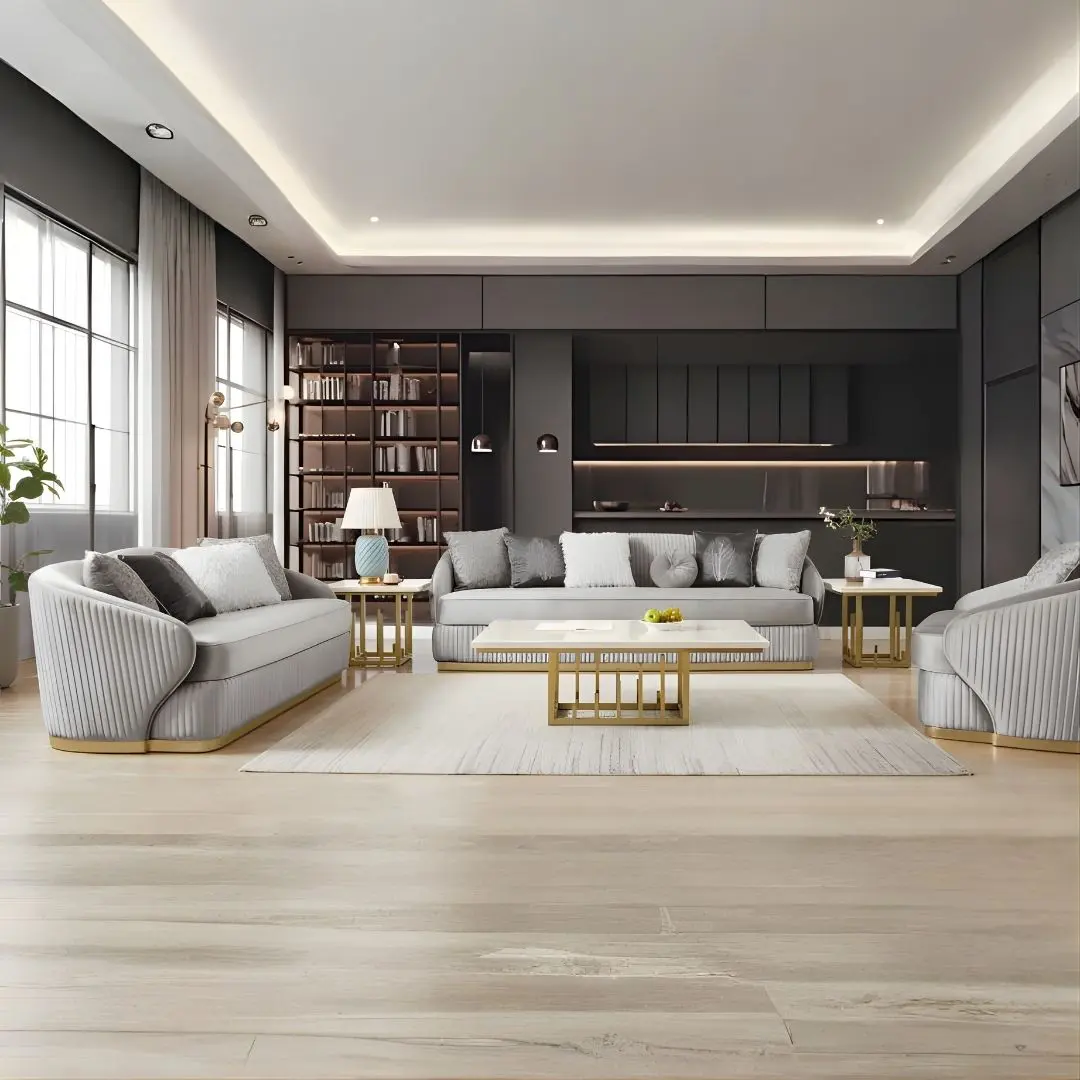
The living room has traditionally been one of the most important spaces for Victorian furniture because it served as a place for conversation, entertaining, and displaying personal style. Victorian living room furniture focuses on comfort, elegance, and creating a memorable atmosphere.

Victorian Sofas and Upholstered Seating

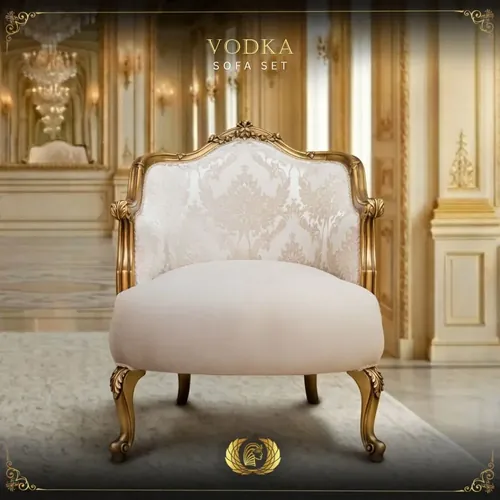
A Victorian-inspired living room often centers around a statement sofa with a strong silhouette and detailed upholstery. Classic features may include curved arms, tufted backs, carved wooden frames, and rich fabrics.

These sofas are designed to provide both visual impact and comfort. In luxury interiors, the best results come from choosing pieces that reflect Victorian influences without overwhelming the room.

A handcrafted sofa can incorporate traditional details while being customized for modern lifestyles, including updated dimensions, premium upholstery, and personalized finishes.

Accent Chairs and Formal Sitting Areas

Accent chairs are another important element of Victorian living room furniture. Historically, chairs were arranged to encourage conversation while maintaining a balanced room layout.

Today, Victorian-inspired accent chairs can introduce character into a space without requiring a completely traditional interior. A single upholstered chair with decorative detailing can become a focal point in an otherwise contemporary room.

The combination of different seating pieces also allows homeowners to create layered interiors. Sofas, chairs, side tables, and lighting can work together to establish a refined atmosphere.

Coffee Tables and Statement Pieces

Although coffee tables are a more modern addition compared with traditional Victorian furnishings, Victorian-inspired tables often feature similar design principles: quality materials, elegant proportions, and decorative craftsmanship.

A statement table made from hardwood, marble, or finished with refined detailing can anchor the room and connect different furniture elements.

Luxury living rooms often benefit from a thoughtful approach where each piece contributes to the overall design rather than competing for attention.

Victorian Bedroom Furniture Characteristics

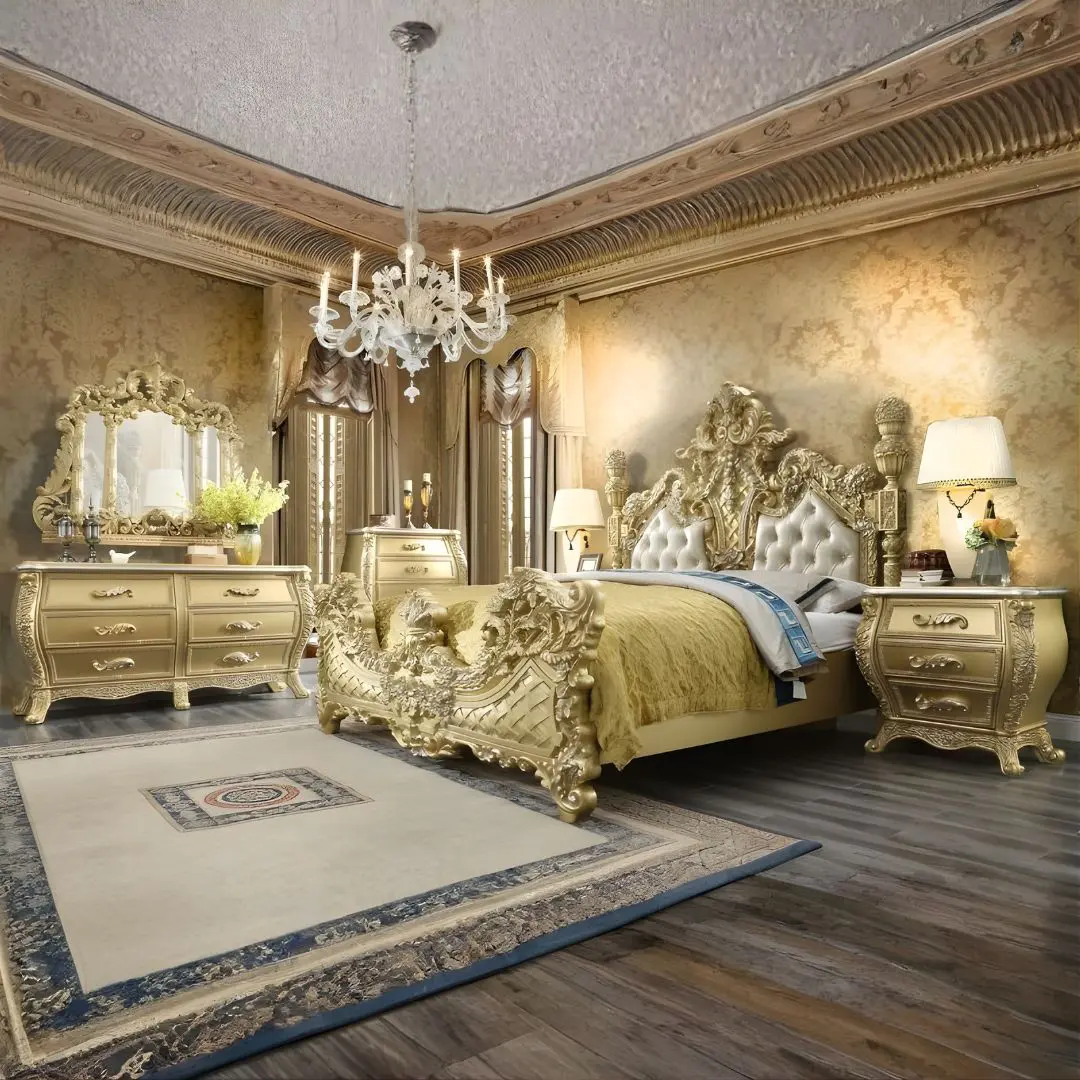
Victorian bedroom furniture combines elegance, comfort, and practical storage solutions. Unlike purely decorative styles, Victorian bedrooms were designed as peaceful retreats with carefully coordinated furniture and textiles.

Elegant Bed Frames

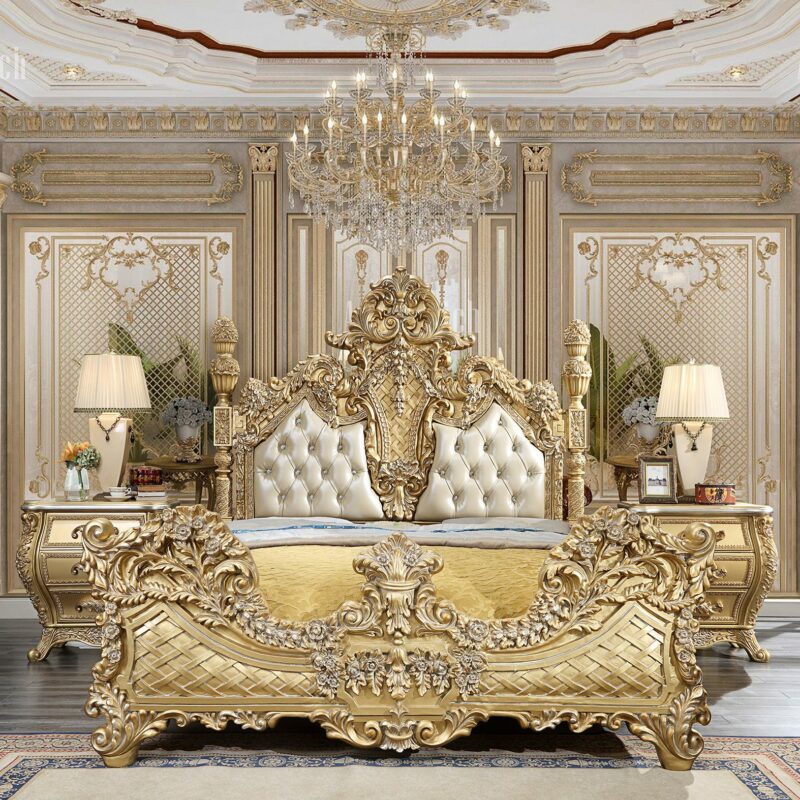
The bed is often the centerpiece of a Victorian bedroom. Traditional designs may include tall headboards, carved details, upholstered sections, and substantial wooden frames.

A Victorian-inspired bed creates a sense of luxury through proportion and craftsmanship. Modern versions can adapt these ideas with custom sizes, updated materials, and personalized upholstery.

The goal is to create a bedroom that feels sophisticated while remaining comfortable for everyday living.

Classic Wardrobes and Dressers

Storage furniture was an important part of Victorian bedroom design. Wardrobes, dressers, and cabinets were often crafted with the same attention to detail as decorative furniture.

These pieces commonly featured hardwood construction, detailed handles, carved panels, and polished finishes.

In contemporary luxury homes, these designs can be adapted into custom storage solutions that combine traditional appearance with modern functionality.

Rich Textile Layers

Victorian bedrooms often used layered textiles to create warmth and depth. Bedding, curtains, rugs, and upholstery contributed to the overall atmosphere.

Materials such as velvet, silk, and embroidered fabrics added softness and elegance. Today, designers often use these influences selectively, combining luxurious textiles with simpler surroundings for a balanced look.

A Victorian-inspired bedroom does not need to feel historically preserved. Instead, it can represent a modern interpretation of comfort, craftsmanship, and timeless design.

Victorian Dining Room Furniture Style

Victorian Style Furniture

Victorian Dining Room Furniture Style

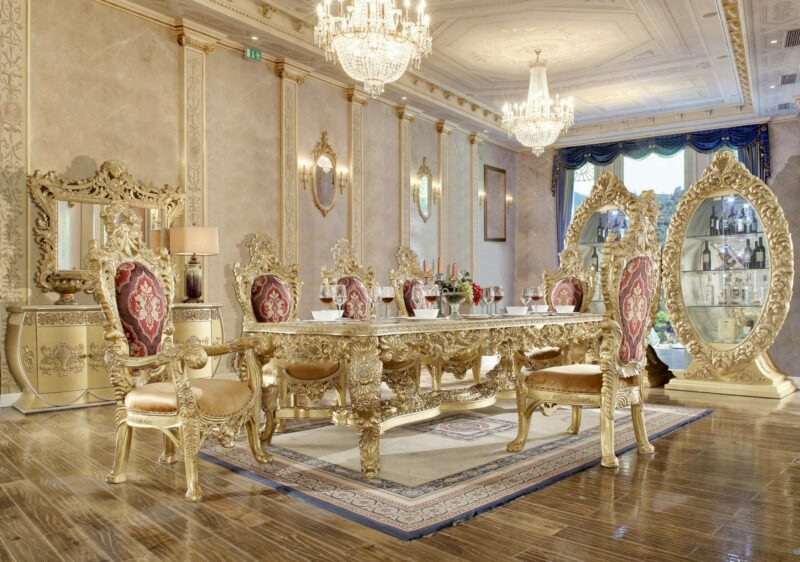
The dining room has always been a significant space in Victorian interiors because it represented hospitality and formal gatherings. Victorian dining furniture emphasizes craftsmanship, durability, and elegant presentation.

Dining Tables With Traditional Craftsmanship

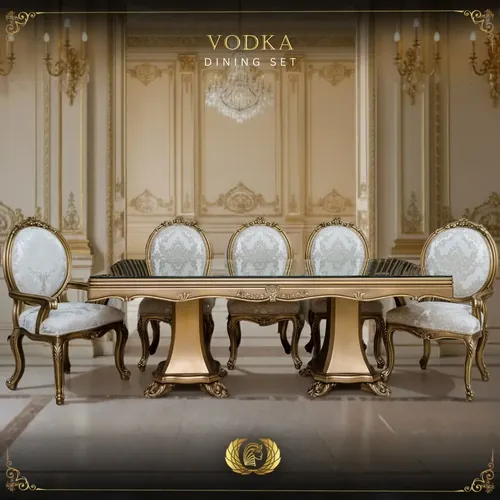
A Victorian dining table is often designed as a central feature of the room. Traditional examples typically use solid wood construction, detailed edges, and strong proportions.

The table’s design communicates permanence and quality. In luxury homes, a custom-made dining table allows homeowners to choose the ideal dimensions, wood finishes, and design details for their space.

Modern Victorian-inspired dining tables maintain the style’s appreciation for craftsmanship while adapting to contemporary lifestyles.

Decorative Dining Chairs

Dining chairs often feature upholstered seats, supportive backs, and decorative frames. They were designed to provide comfort during long meals and gatherings.

Today, these chairs can be customized with modern fabrics while preserving traditional influences such as curved shapes, tufting, and detailed woodwork.

A carefully selected dining set can transform an ordinary dining area into a sophisticated entertaining space.

Formal Entertaining Spaces

Victorian dining rooms were designed around the experience of hosting. Furniture arrangement, lighting, and decorative details all contributed to creating an elegant environment.

Modern interpretations continue this idea by focusing on atmosphere and connection. A luxury dining room is not only about furniture—it is about creating a space where people gather and create memories.

Victorian Furniture Craftsmanship and Construction

One of the most important reasons Victorian-style furniture continues to influence luxury interiors is its connection to skilled craftsmanship. Victorian furniture was created during a period when furniture making involved detailed handwork, careful construction, and an appreciation for materials. The result was furniture designed not only for appearance but also for longevity.

For modern luxury homeowners, Victorian-inspired furniture represents the idea that furniture can be both functional and artistic. A well-crafted piece becomes part of the architecture of the room, contributing to the atmosphere and identity of the home.

Hand-Carved Wood Detailing

Hand-carved wood detailing is one of the defining features of Victorian furniture craftsmanship. Artisans used carving techniques to create decorative patterns, floral motifs, borders, and architectural details that enhanced the natural beauty of hardwood.

These details required precision and experience. Each carved element added individuality to the piece, making it different from mass-produced furniture.

In contemporary luxury furniture design, hand-carved details remain valuable because they reflect a level of artistry that cannot be replicated through simple manufacturing processes. A custom Victorian-inspired cabinet, table, or seating piece canwhy incorporate these details while being adapted to modern spaces.

Fine Joinery Techniques

Traditional woodworking techniques were another foundation of Victorian furniture quality. Construction methods such as mortise and tenon joinery helped create strong, durable furniture frames.

These techniques focused on structural integrity rather than relying only on surface appearance. The furniture was built to withstand everyday use while maintaining its beauty over time.

Modern handcrafted furniture continues to value these principles. Strong construction, careful material selection, and attention to hidden details often separate premium furniture from ordinary alternatives.

Artisan Finishing

The finishing process played a major role in Victorian furniture design. Wood polishing, staining, and hand-applied finishes enhanced the grain and character of natural materials.

A quality finish protects the furniture while highlighting the craftsmanship behind it. In luxury interiors, finishes are often customized to complement the overall design vision of the home.

Whether the goal is a traditional Victorian atmosphere or a more modern interpretation, finishing choices influence the final appearance and feel of the furniture.

Custom Furniture Construction

Custom Victorian furniture allows homeowners to combine historical inspiration with personal preferences. Instead of selecting a standard piece, clients can choose dimensions, materials, upholstery, finishes, and decorative elements.

This approach is especially valuable in luxury residential design, where furniture needs to fit specific spaces and architectural features.

At Mobilia Cleopatra, Victorian-inspired custom furniture reflects a balance between heritage aesthetics and modern expectations. The focus is on creating furniture that feels timeless, refined, and uniquely suited to each interior.

Victorian Decor Ideas for Modern Luxury Homes

Victorian decor remains relevant because it offers more than a historical appearance. It provides a design philosophy based on richness, craftsmanship, comfort, and attention to detail. However, modern homeowners often want the elegance of Victorian style without creating interiors that feel overly formal or outdated.

The most successful Victorian-inspired interiors today focus on balance. They combine traditional elements with contemporary layouts, updated materials, and carefully selected furniture pieces.

Combining Victorian Pieces With Contemporary Interiors

One of the best ways to introduce Victorian furniture into a modern home is through contrast. A classic Victorian-inspired sofa can work beautifully in a room with modern architecture, clean walls, or contemporary lighting.

This combination allows the furniture to become a focal point without making the entire room feel like a historical reproduction.

Modern Victorian interiors often use fewer but more meaningful pieces. Instead of filling a room with decorative objects, homeowners can select high-quality furniture that creates visual impact.

A handcrafted dining table, an elegant upholstered chair, or a detailed cabinet may provide enough character to define the space.

Creating Balanced Traditional Spaces

Balance is essential when designing with Victorian influences. Because the style naturally includes rich textures and decorative details, careful planning helps maintain sophistication.

A room with ornate furniture may benefit from simpler surrounding elements. Neutral walls, understated flooring, and modern accessories can allow Victorian pieces to stand out.

Luxury interior design often works best when different elements support each other. Victorian furniture brings history and warmth, while modern elements create openness and practicality.

Read more: Victorian Dining Room Furniture

Using Victorian Accents Without Overcrowding

Not every element in a room needs to follow the Victorian style. Small details can introduce the aesthetic without overwhelming the design.

Examples include:

  • A velvet accent chair
  • A carved wood side table
  • Decorative mirrors
  • Traditional lighting fixtures
  • Classic upholstered seating

These details can create a refined atmosphere while maintaining flexibility.

For homeowners interested in Victorian furniture for luxury homes, the goal should be creating a space that feels personal and timeless. Victorian style works best when it becomes an inspiration rather than a strict rule.

Victorian furniture

Victorian Style Furniture

Victorian Style vs Other Traditional Furniture Styles

Victorian furniture is part of a larger world of traditional design. Understanding how it compares with other styles helps homeowners choose furniture that matches their preferences.

Victorian vs Gothic Revival

Gothic Revival influenced Victorian interiors through architectural details such as pointed arches, vertical lines, and medieval-inspired decoration.

While Gothic Revival often focuses on dramatic architectural elements, Victorian furniture combines multiple influences, including romantic, decorative, and classical styles.

Victorian interiors may include Gothic-inspired features but generally create a warmer and more layered environment.

Victorian vs Baroque Influence

Baroque design is known for dramatic curves, elaborate ornamentation, and a strong sense of grandeur. Victorian furniture borrowed some decorative ideas from earlier European styles but adapted them for 19th-century homes.

Victorian design tends to balance decoration with comfort. While Baroque may feel more theatrical, Victorian interiors often feel more residential and practical.

Victorian vs French-Inspired Interiors

French-inspired furniture styles often emphasize elegance, symmetry, and refined decoration. Victorian furniture shares some similarities, particularly in its appreciation for craftsmanship and luxurious materials.

However, Victorian design often feels richer and more layered, using heavier textiles, darker woods, and more detailed decorative elements.

Both styles can work beautifully in luxury interiors, depending on the desired atmosphere.

Choosing Victorian Furniture for a Luxury Home

Selecting Victorian furniture for a luxury home requires more than choosing decorative pieces. The most successful interiors focus on quality, proportion, craftsmanship, and how each item contributes to the overall space.

Luxury furniture should support the architecture of the home while reflecting the homeowner’s personality.

Selecting Quality Materials

Materials are one of the first considerations when choosing Victorian-inspired furniture. Premium hardwoods, refined upholstery, and durable finishes contribute to both appearance and longevity.

A beautiful design becomes more valuable when it is built with materials that age gracefully.

Natural woods, luxurious fabrics, and carefully chosen details help create furniture that feels authentic and sophisticated.

Prioritizing Craftsmanship

Craftsmanship separates exceptional furniture from ordinary alternatives. Details such as joinery, upholstery techniques, carving, and finishing all influence the quality of the final piece.

Handcrafted furniture often provides a level of customization and attention that factory-produced furniture cannot achieve.

For luxury homeowners, craftsmanship is not only about appearance—it is about investing in furniture designed for long-term enjoyment.

Read more: Mahogany Victorian Furniture

Designing Custom Victorian-Inspired Pieces

Custom furniture allows Victorian influences to be adapted for modern lifestyles. A homeowner may want a traditional appearance while requiring specific dimensions, storage solutions, or updated materials.

Custom Victorian furniture can include:

  • Personalized wood finishes
  • Choice of upholstery fabrics
  • Modified proportions
  • Unique decorative details
  • Coordinated room collections

This approach creates interiors that feel intentional and connected.

Why Victorian Style Furniture Remains Timeless

Victorian style furniture continues to hold a special place in luxury interior design because it represents more than a historical look. It reflects a philosophy centered around craftsmanship, quality materials, comfort, and thoughtful design. While trends in interiors change over time, the principles behind Victorian furniture remain relevant because they focus on creating spaces with depth, personality, and lasting appeal.

Modern luxury homes often seek furniture that feels meaningful rather than temporary. The popularity of Victorian-inspired furniture shows that many homeowners appreciate pieces that tell a story through their materials, construction, and design details.

Heritage-Inspired Design

Victorian furniture is closely connected to heritage-inspired design because it preserves traditional approaches to furniture making. The use of natural materials, decorative craftsmanship, and elegant proportions creates a visual connection to historic interiors while allowing flexibility for contemporary living.

Heritage furniture aesthetics often appeal to homeowners who want their spaces to feel established and refined. A carefully designed Victorian-inspired room can communicate sophistication without relying on short-lived trends.

The influence of Victorian design can be seen in modern furniture collections that incorporate traditional woodworking, luxurious upholstery, and classic silhouettes. These elements provide warmth and character that are often missing from simpler, mass-produced furniture.

Long-Term Interior Appeal

One reason Victorian furniture remains popular is its ability to adapt. Although the original style developed in the 19th century, many of its characteristics work naturally with modern luxury homes.

A carved wood cabinet, upholstered chair, or elegant dining table can complement a variety of interior approaches. Victorian-inspired pieces can be paired with contemporary architecture, neutral palettes, or modern lighting to create balanced spaces.

This adaptability makes Victorian furniture a valuable choice for homeowners who want interiors that remain beautiful for years.

Furniture Designed as Investment Pieces

High-quality furniture has traditionally been viewed as an investment, and Victorian-inspired designs align with this idea. Furniture built with premium materials and skilled craftsmanship can become part of a home’s identity.

Rather than replacing furniture frequently, many luxury homeowners prefer pieces that are designed for durability and timeless style.

At Mobilia Cleopatra, Victorian-inspired furniture represents a connection between classic design traditions and modern customization. The focus is on creating furniture that respects historic influences while meeting the expectations of today’s luxury interiors.

Victorian style furniture remains timeless because it combines beauty with purpose. It transforms rooms into carefully designed environments where craftsmanship, comfort, and elegance work together.

Read more: Victorian dining sets buyer’s guide

Frequently Asked Questions About Victorian Style Furniture

What is Victorian-style furniture?

“Victorian-style furniture” refers to furniture inspired by the design traditions of the Victorian era, a period associated with detailed craftsmanship, rich materials, and formal interior design. The style is recognized for decorative elements, elegant proportions, and furniture pieces designed to create a refined atmosphere.

Unlike simple modern furniture styles, Victorian furniture often emphasizes visual richness. Common characteristics include carved wood details, upholstered surfaces, curved shapes, and carefully finished materials.

Today, Victorian-inspired furniture does not necessarily mean using antique pieces. Many luxury furniture collections reinterpret Victorian ideas through custom construction, updated fabrics, and designs suited for modern homes.

The appeal of Victorian-style furniture comes from its combination of artistry and practicality. It creates interiors that feel warm, sophisticated, and connected to traditional craftsmanship.

What are the main characteristics of Victorian furniture?

Victorian furniture characteristics include ornate detailing, handcrafted construction, rich textures, and strong furniture proportions. Many pieces feature carved wood, decorative moldings, upholstered seating, and luxurious materials.

The style often includes:

  • Detailed woodworking
  • Tufted upholstery
  • Hardwood construction
  • Decorative metal accents
  • Layered textiles
  • Formal furniture arrangements

Victorian interiors also focus on creating balance. Furniture is typically arranged carefully to support conversation and create a sense of harmony within the room.

In luxury interior design, these characteristics are often adapted rather than copied. Designers may use Victorian-inspired elements while incorporating modern layouts and contemporary finishes.

What is Victorian decor?

Victorian decor is an interior design style inspired by the Victorian era. It combines traditional furniture forms, decorative accents, layered fabrics, and classic European influences.

A Victorian-inspired interior may include upholstered seating, detailed wood furniture, elegant lighting, rich textiles, and carefully selected decorative pieces.

The style is known for creating comfortable yet sophisticated environments. While traditional Victorian homes often included many decorative elements, modern interpretations usually focus on balance and selectivity.

Today, Victorian decor is often used in luxury homes because it adds warmth, character, and a sense of timeless design.

What materials are commonly used in Victorian furniture?

Traditional Victorian furniture commonly uses materials chosen for durability and visual appeal. Hardwoods such as mahogany, walnut, oak, and cherry have long been associated with high-quality furniture construction.

Upholstery materials often include velvet, brocade, damask, silk, and jacquard. These fabrics contribute to the luxurious appearance of sofas, chairs, and bedroom furniture.

Metal details such as brass and bronze are also common, particularly in decorative hardware and accents.

Other materials associated with Victorian interiors include marble, glass, crystal, and decorative inlays. Modern luxury furniture inspired by Victorian design may combine these traditional materials with updated finishes and custom options.

Is Victorian furniture suitable for modern homes?

Yes. Victorian furniture can work beautifully in modern homes when it is incorporated thoughtfully. The key is creating balance between traditional details and contemporary design elements.

A Victorian-inspired sofa, dining table, or accent chair can add personality to a modern interior without making the space feel outdated.

Many designers use Victorian influences through carefully selected statement pieces rather than decorating an entire room in a historical style.

Modern Victorian interiors often combine classic furniture with:

  • Simple architectural backgrounds
  • Contemporary lighting
  • Neutral colors
  • Modern accessories
  • Open layouts

This approach creates a sophisticated blend of old-world elegance and modern comfort.

What rooms use Victorian furniture styles?

Victorian furniture styles can be used throughout a home, including living rooms, bedrooms, dining rooms, libraries, and formal entertaining spaces.

The living room is one of the most common areas for Victorian furniture because sofas, chairs, and tables often serve as statement pieces.

Bedrooms may feature Victorian-inspired beds, wardrobes, and upholstered furniture that create a luxurious atmosphere.

Dining rooms benefit from traditional tables and chairs that emphasize craftsmanship and gathering.

The versatility of Victorian design allows it to be adapted to different rooms while maintaining a consistent sense of elegance.

What makes Victorian furniture look luxurious?

The luxury of Victorian furniture comes from the combination of materials, craftsmanship, and design details.

Premium hardwoods, quality upholstery, detailed construction, and decorative finishes all contribute to the overall appearance.

Handcrafted elements such as carved wood, fine joinery, tufted upholstery, and artisan finishing create a level of refinement that is difficult to achieve with mass-produced furniture.

Luxury is not only visual—it also comes from how the furniture is made. A well-constructed piece provides comfort, durability, and long-term value.

What is the difference between Victorian and antique furniture?

Victorian furniture describes a design style associated with the Victorian era, while antique furniture refers to older original pieces that are typically valued because of their age and historical significance.

A piece of furniture can be Victorian and antique if it was actually made during the Victorian period.

However, modern furniture can also be Victorian-inspired without being antique.

For luxury homeowners, Victorian-inspired custom furniture offers the opportunity to enjoy the style’s beauty while choosing modern materials, dimensions, and construction standards.

Can Victorian furniture be custom-made?

Yes. Custom Victorian-inspired furniture allows homeowners to create pieces that reflect their personal preferences while maintaining traditional design influences.

Customization can include:

  • Selecting hardwood types
  • Choosing upholstery fabrics
  • Adjusting dimensions
  • Creating coordinated furniture collections
  • Personalizing finishes and details

This approach is especially useful for luxury homes where furniture needs to fit specific spaces.

Custom furniture combines historical inspiration with modern functionality, creating pieces that feel unique and intentional.

How do you decorate with Victorian furniture without making a room look old-fashioned?

The best way to decorate with Victorian furniture is to combine traditional elements with modern design choices.

Instead of filling a room with only ornate pieces, select a few meaningful furniture items and allow them to become focal points.

Modern Victorian interiors often use the following:

  • Contemporary lighting
  • Cleaner architectural lines
  • Balanced color schemes
  • Minimal decorative clutter
  • Updated upholstery choices

A Victorian-inspired sofa or table can look elegant in a modern setting when the surrounding design creates contrast and balance.

The goal is to capture the craftsmanship and elegance of Victorian style while creating a home that feels comfortable for today’s lifestyle.

Bringing Victorian Elegance Into Modern Luxury Interiors

Victorian Style Furniture

Conclusion: Bringing Victorian Elegance Into Modern Luxury Interiors

Victorian-style furniture remains one of the most influential approaches in traditional interior design because it combines beauty, craftsmanship, and lasting quality. From detailed wood carving and luxurious upholstery to carefully designed proportions, Victorian furniture reflects a commitment to creating interiors with character and sophistication.

Understanding Victorian furniture characteristics helps homeowners appreciate why this style continues to inspire luxury furniture collections. The use of premium materials, artisan techniques, and thoughtful construction creates furniture that feels more personal and enduring than ordinary mass-produced alternatives.

Modern Victorian decor does not require recreating a historical home. Instead, it allows homeowners to reinterpret classic design principles in ways that match contemporary lifestyles. A carefully chosen Victorian-inspired sofa, dining table, bedroom collection, or custom furniture piece can introduce warmth and elegance into a modern residence.

For luxury interiors, the strongest Victorian-inspired designs focus on authenticity, balance, and craftsmanship. They celebrate traditional influences while allowing room for personalization and modern comfort.

Mobilia Cleopatra approaches Victorian-inspired furniture as a bridge between heritage design and contemporary luxury living. Through handcrafted construction, premium materials, and custom furniture solutions, Victorian influences can become part of a home that feels timeless, refined, and uniquely designed.

Victorian style furniture is ultimately about creating spaces that last—spaces where craftsmanship, history, and modern elegance come together to form interiors with lasting appeal.

Leave a Reply

Your email address will not be published. Required fields are marked *