Free shipping · 0% for 6 months · White-glove available


What Is Victorian Furniture? Styles, Features and History

Reviewed by the Mobilia Cleopatra design team
Quick answer: Victorian furniture is the furniture style of the Victorian era, the reign of Queen Victoria from 1837 to 1901. It is known for dark woods such as mahogany, walnut, and rosewood, ornate hand-carved details, curved silhouettes, rich upholstery like velvet and brocade, deep button tufting, and marble tops. Rather than one single look, it blends several revival styles, including Gothic, Rococo, and Renaissance Revival.
Few furniture styles are as instantly recognizable as Victorian. Carved crests, deep jewel-toned velvet, tufted backs, and dark polished wood still define what many people picture when they think of a grand, traditional home. More than a century after the era ended, Victorian furniture remains a favorite for formal living rooms, romantic bedrooms, and dining rooms meant for long, elegant dinners.
This guide explains what Victorian furniture is, where it came from, and how to recognize it. You will learn its key characteristics, the revival styles that shaped it, the woods and fabrics it uses, the most iconic pieces for each room, and how it compares with Baroque, French, and Edwardian furniture. You will also find practical tips for bringing Victorian style into a modern home.
What Is Victorian Furniture?
Victorian furniture is furniture made during, or in the style of, the Victorian era in Britain, which corresponds to Queen Victoria’s reign from 1837 to 1901. The style spread across the British Empire and the United States, where it became the dominant look in middle-class and wealthy homes throughout the second half of the nineteenth century.
The era was a time of industrial growth, new wealth, and fascination with history. New machinery made it possible to produce carved and decorated furniture in larger quantities, so ornate pieces that had once belonged only to aristocratic homes became available to a growing middle class. At the same time, the wealthiest households continued to commission highly detailed, handcrafted pieces.
Because designers borrowed freely from earlier periods, Victorian furniture is best understood as a family of styles rather than a single one. What unites them is a love of ornament, rich materials, comfort through upholstery, and furniture that expressed the taste and status of the household.
Today, “Victorian furniture” can mean two things: genuine antiques made during the nineteenth century, and new Victorian-style furniture that recreates the look with modern construction and comfort. Both share the same visual language.

Victorian 3-piece sofa set HD-9040 by Homey Design
Key Characteristics of Victorian Furniture
Victorian furniture is recognizable by a consistent set of features. A piece does not need all of them, but most Victorian designs combine several.
Ornate carvings
Elaborate carving is the signature of the style. Scrollwork, flowers, fruit, acanthus leaves, shells, and crests appear on chair backs, sofa frames, table aprons, and headboards. The carving is often deepest on the most visible parts of a piece, such as the crest rail of a sofa or the top of a bed.
Heavy, substantial forms
Victorian furniture tends to be large and solid. High-backed chairs, broad sideboards, massive wardrobes, and tall headboards were designed to fill formal rooms and convey permanence and prosperity.
Rich upholstery
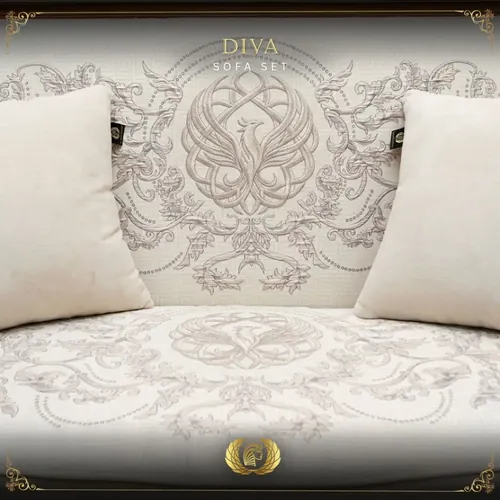
Upholstered seating became much more comfortable during the Victorian era, thanks to coil springs and deeper padding. Velvet, damask, brocade, silk, and tapestry fabrics in deep reds, greens, blues, and golds gave sofas, chairs, and settees a luxurious finish.
Dark wood tones
Dark, polished woods dominate Victorian furniture. Mahogany, walnut, and rosewood were favorites, often finished to a deep, warm glow that emphasized the grain and the carving.
Curves and cabriole legs
Many Victorian pieces feature curved backs, rounded arms, serpentine fronts, and cabriole legs, which curve outward at the knee and inward at the ankle. Balloon-back and medallion-back chairs are classic examples of these romantic shapes.
Button tufting and decorative trim
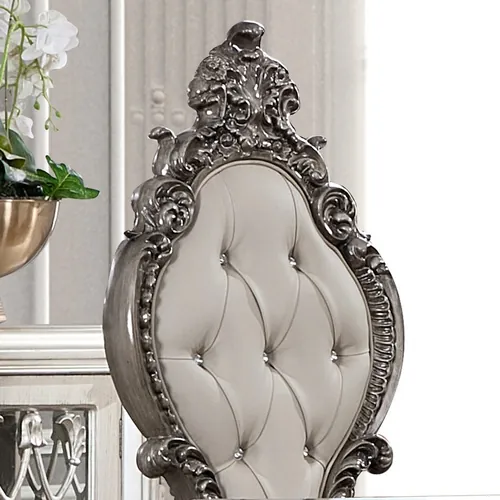
Deep button tufting gave upholstery a plush, sculpted look, especially on sofas, chaises, and headboards. Fringe, tassels, braid, and nailhead trim added further decoration.
The Revival Styles Behind Victorian Furniture
Victorian designers looked to the past for inspiration, and several revival styles rose and fell in popularity over the course of the era.
- Gothic Revival: pointed arches, tracery, and church-like details inspired by medieval architecture, often in oak or other dark woods.
- Rococo Revival: flowing curves, cabriole legs, and carved flowers and fruit inspired by eighteenth-century French furniture; this is the style most people picture as “Victorian.”
- Renaissance Revival: more architectural forms with columns, pediments, medallions, and inlaid or applied decoration.
- Eastlake and the Aesthetic Movement: later in the era, a reaction against excess led to more rectilinear forms with shallow, geometric carving and incised lines.
These styles roughly follow the early, mid, and late phases of the Victorian period. For a detailed look at how the style changed over time, read our guide to early, mid, and late Victorian furniture styles.
Woods, Fabrics, and Finishes
The materials of Victorian furniture were chosen to communicate richness and quality.
Woods
- Mahogany: deep reddish-brown, strong, and ideal for fine carving; one of the most prized Victorian woods.
- Walnut: rich grain and good workability, especially popular for carved pieces.
- Rosewood: dark and luxurious, used in finer pieces and veneers.
- Oak: heavier and more robust, common in Gothic Revival designs.
To learn more about the most iconic Victorian wood, read our guide to mahogany Victorian furniture.
Upholstery fabrics
Velvet was the defining fabric of Victorian seating, valued for its depth of color and soft texture. Damask, brocade, and silk were used in formal rooms, tapestry fabrics brought woven patterns and scenes, and leather appeared in libraries and studies.
Finishes and embellishments
Marble tops were common on side tables, dressers, washstands, and consoles. Gilding, brass hardware, mirrored panels, and inlay added decoration. On new Victorian-style furniture, metallic finishes such as gold or silver are often used to highlight carved details.

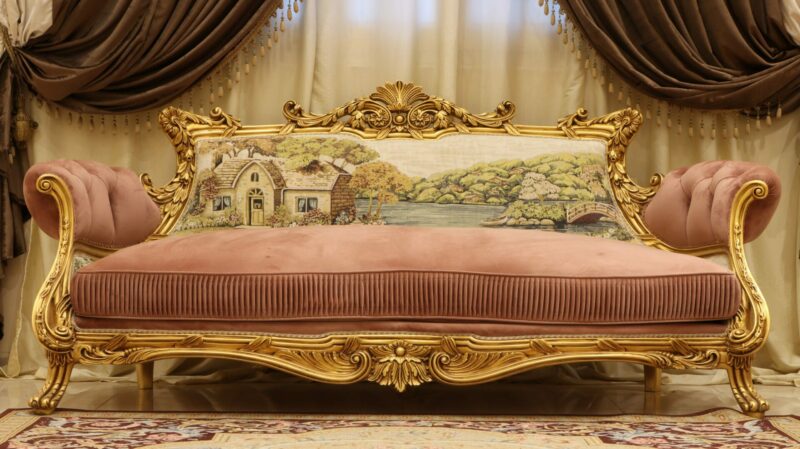
Handmade small green Victorian sofa (Kleopatra Kingdom)
Types of Victorian Furniture by Room
Every room of a Victorian home had its own signature pieces.
Parlor and living room
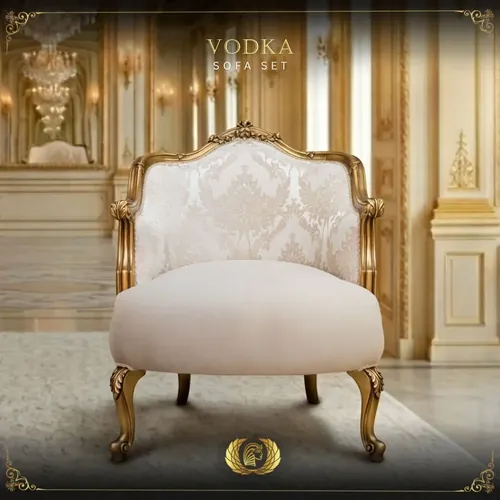
The parlor was the formal heart of the Victorian home. Typical pieces included carved settees and sofas, tufted chaise lounges, balloon-back and medallion-back chairs, and marble-topped side tables. Today, these pieces translate into elegant Victorian living room sets and statement Victorian accent chairs.
Bedroom
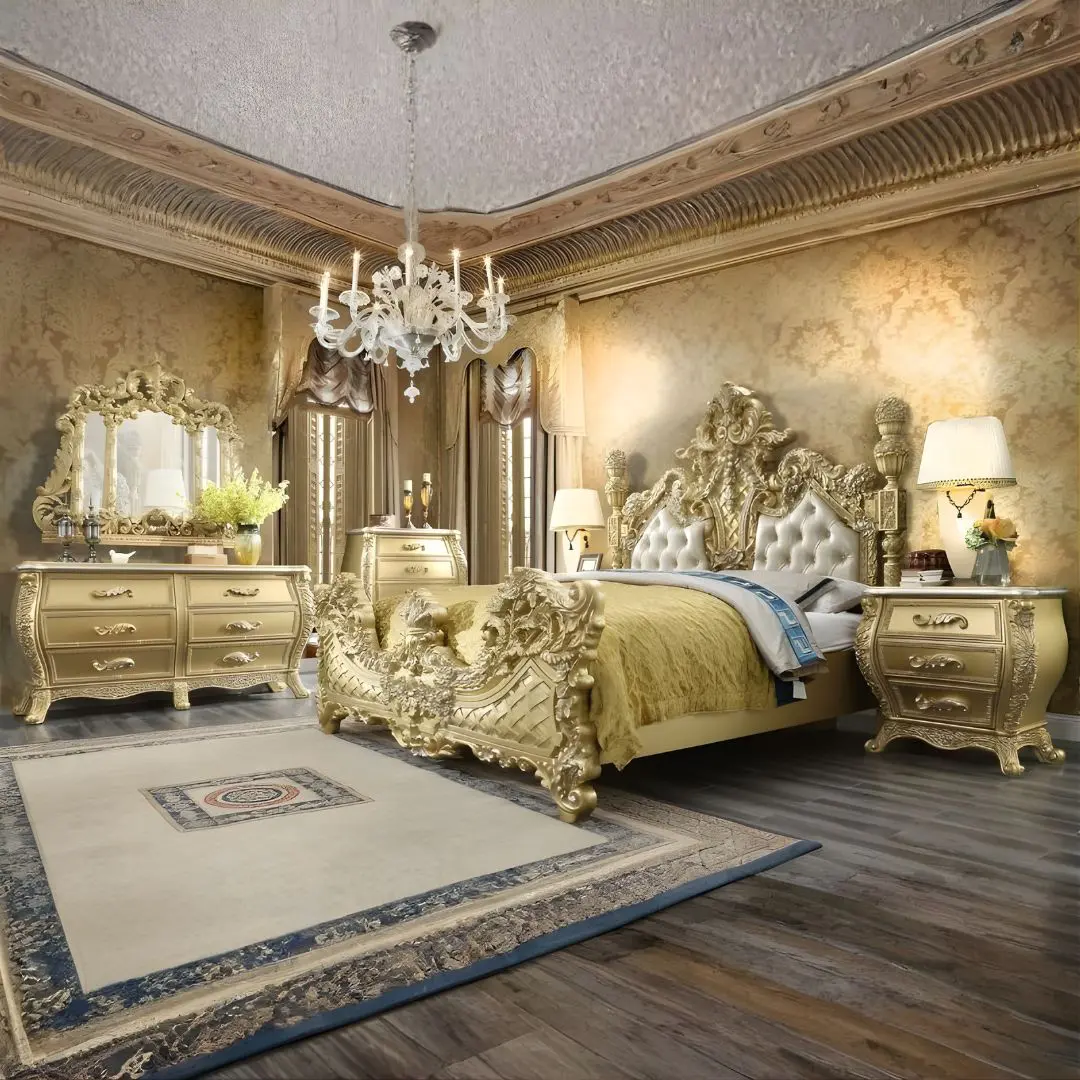
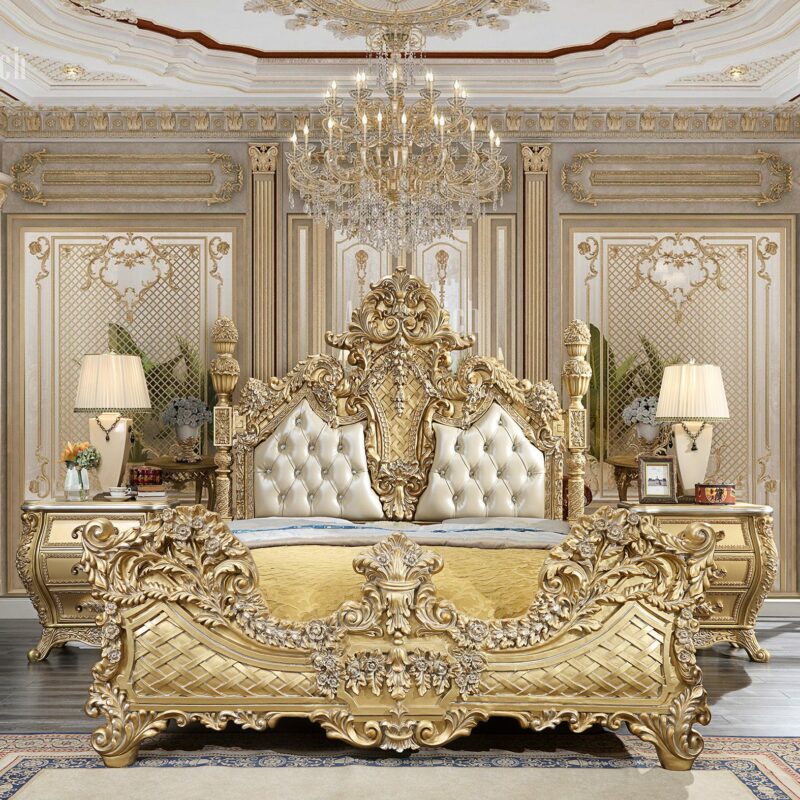
Victorian bedrooms featured tall carved headboards, canopy and half-tester beds, dressers with large mirrors, marble-topped washstands, and armoires used in place of built-in closets. See our Victorian bedroom sets for coordinated designs.
Dining room
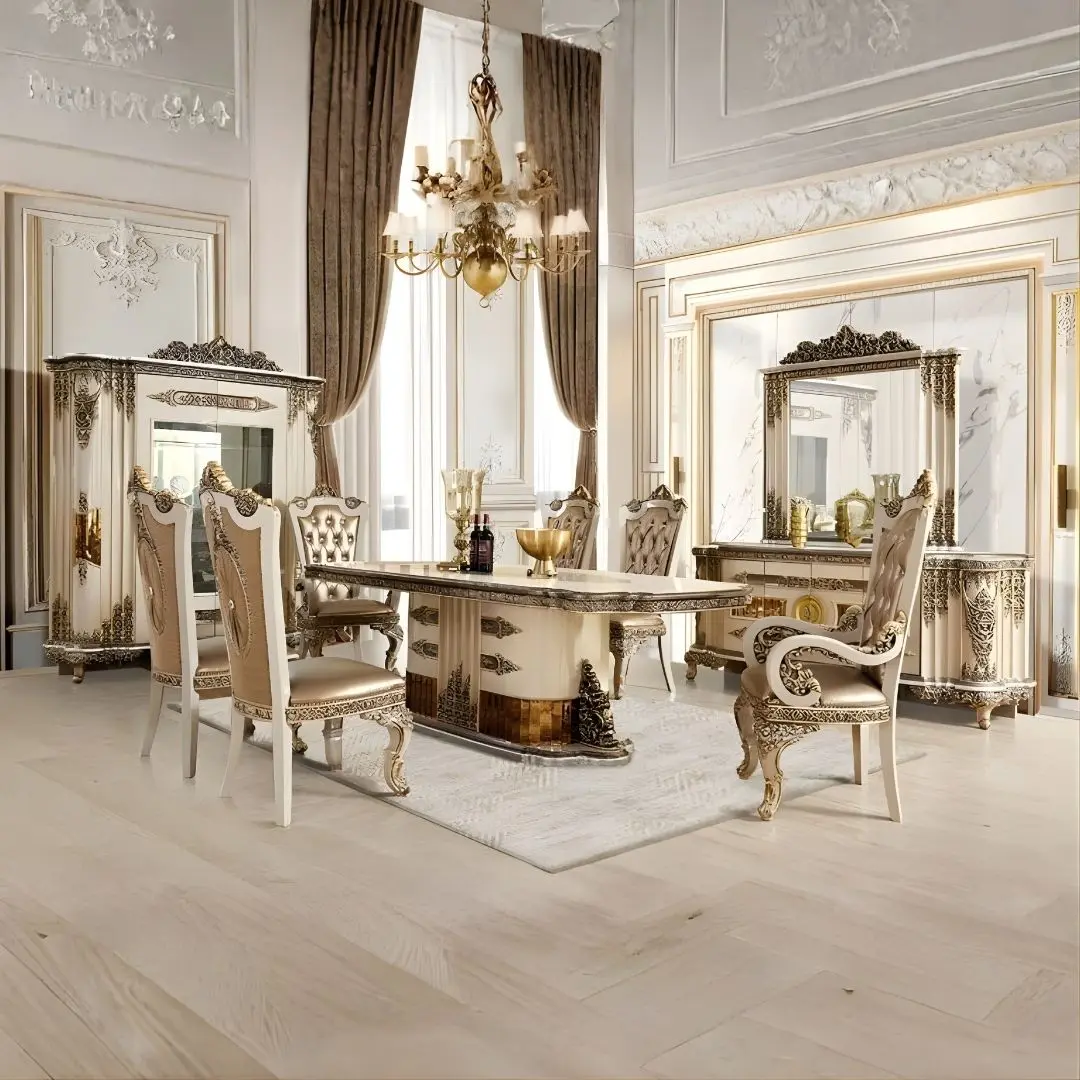
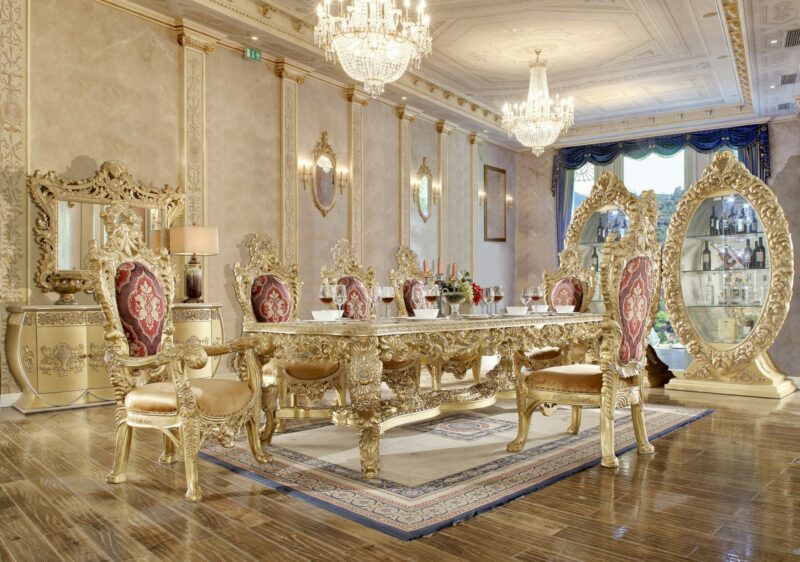
Formal dining rooms centered on large extendable tables with pedestal or turned legs, high-backed upholstered chairs, and impressive sideboards and china cabinets for displaying silver and porcelain. Explore our Victorian dining sets.
Library and study
Studies and libraries used heavier, more masculine pieces: leather armchairs, large writing desks, glass-fronted bookcases, and carved cabinets.
How to Identify Victorian Furniture
Recognizing the Victorian style is easier than dating a piece precisely. Look for a combination of the following signs:
- dark, polished wood such as mahogany, walnut, or rosewood;
- deep or elaborate carving, especially floral, fruit, scroll, or Gothic motifs;
- curved backs, cabriole legs, serpentine fronts, or balloon-back chair shapes;
- button-tufted upholstery in velvet, damask, or tapestry fabric;
- marble tops on tables, dressers, or washstands;
- a substantial, formal scale.
Antique or reproduction?
Telling a genuine nineteenth-century antique from a later reproduction takes experience. Signs of age include natural wear in places hands and feet touch, older construction methods, and patina that has developed over time. Because these details can be difficult to judge, anyone buying or selling a valuable antique should ask a qualified appraiser. If you simply love the look, new Victorian-style furniture offers the same character with modern construction, comfortable cushioning, and consistent sizes for today’s rooms.
Victorian Furniture vs. Other Classic Styles
Victorian furniture is often confused with other traditional styles. These comparisons help tell them apart.
Victorian vs. Baroque
Baroque furniture, from the seventeenth and early eighteenth centuries, is even grander and more sculptural, with bold, dramatic ornament and heavy gilding. Victorian furniture borrowed from it but is generally more domestic in scale and more focused on comfort. Our article on Victorian vs. Baroque furniture explains the differences in detail.
Victorian vs. French style
French-style furniture, especially Louis XV and French Provincial designs, inspired the Rococo Revival side of Victorian furniture. French pieces are often lighter in color, with painted or gilded finishes, while Victorian pieces tend to use darker woods and heavier proportions.
Victorian vs. Edwardian
Edwardian furniture followed the Victorian era in the early twentieth century. It is generally lighter, simpler, and less cluttered, with paler woods, more restrained carving, and more delicate proportions than typical Victorian pieces.
Victorian Furniture in a Modern Home
Victorian furniture does not require a period house. Used thoughtfully, it brings warmth, character, and craftsmanship to contemporary interiors.
- Start with one statement piece: a carved sofa, a tufted chair, or a dramatic headboard can anchor a room on its own.
- Balance ornament with space: pair richly detailed pieces with simpler walls, rugs, and lighting so the room feels curated rather than crowded.
- Update the palette: classic Victorian forms look fresh in lighter fabrics or with metallic accents.
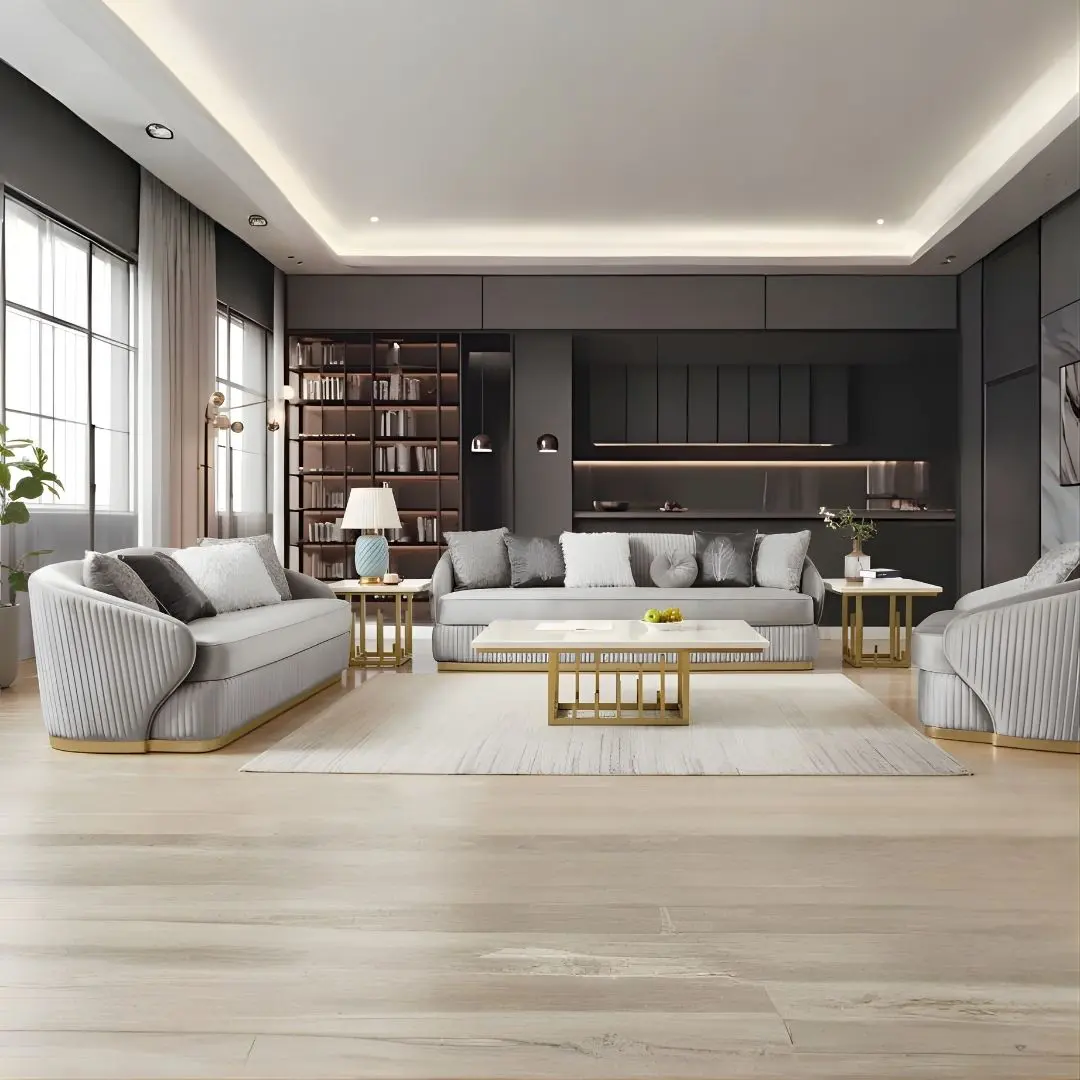
- Mix eras with intention: a carved Victorian sofa beside a simple glass coffee table, or a tufted headboard with clean-lined nightstands, creates contrast that highlights the craftsmanship of the Victorian piece instead of competing with it.
- Care for wood and fabric: dust carved details gently, keep pieces out of strong direct sunlight, and clean upholstery according to the fabric type.
For more ideas, read how to style a Victorian living room in a modern home, and keep your pieces in top condition with our guide on how to maintain Victorian furniture.
Frequently Asked Questions
What is Victorian furniture?
Victorian furniture is the furniture style of the Victorian era, Queen Victoria’s reign from 1837 to 1901. It is known for dark woods, ornate carving, curved shapes, rich upholstery such as velvet, button tufting, and marble tops, and it combines several revival styles, including Gothic, Rococo, and Renaissance Revival.
What are the characteristics of Victorian furniture?
The main characteristics of Victorian furniture are dark polished woods such as mahogany and walnut, elaborate carving, heavy and formal proportions, curved backs and cabriole legs, deep button tufting, rich fabrics like velvet and damask, and decorative details such as marble tops and brass hardware.
What time period is Victorian furniture from?
Victorian furniture comes from the Victorian era, which matches Queen Victoria’s reign in Britain from 1837 to 1901. The style was also popular in the United States during the same period. New Victorian-style furniture made today recreates the look of that era.
What wood is Victorian furniture made of?
Victorian furniture is most often made of mahogany, walnut, and rosewood, which were prized for their rich color and suitability for carving. Oak was common in heavier Gothic Revival pieces. Many pieces also combine solid wood with veneers and marble tops.
How can I tell if furniture is Victorian?
Victorian furniture usually combines dark polished wood, deep carving, curved or cabriole legs, button-tufted upholstery, and a substantial, formal scale, often with marble tops. To confirm whether a piece is a genuine nineteenth-century antique rather than a reproduction, ask a qualified appraiser.
What is the difference between Victorian and Edwardian furniture?
Victorian furniture is generally darker, heavier, and more ornate, with deep carving and rich upholstery. Edwardian furniture, which followed in the early twentieth century, is lighter and simpler, with paler woods, more restrained decoration, and more delicate proportions.
Bring Victorian Elegance Into Your Home
Victorian furniture remains one of the most expressive styles in the history of interior design: dark, polished wood, generous carving, sumptuous fabrics, and forms that turn a room into a statement. Whether you love a single carved accent chair or a fully coordinated bedroom or dining room, the style brings character and a sense of heritage that few others can match.
At Mobilia Cleopatra, you will find a wide selection of new Victorian style furniture for the living room, bedroom, and dining room, from trusted furniture makers. For truly one-of-a-kind carved pieces, discover our exclusive, genuinely handmade Kleopatra Kingdom collection, or contact our team for help choosing the right pieces for your home.