Free shipping · 0% for 6 months · White-glove available


Victorian Furniture Styles Explained: Early, Mid & Late Victorian Design Guide

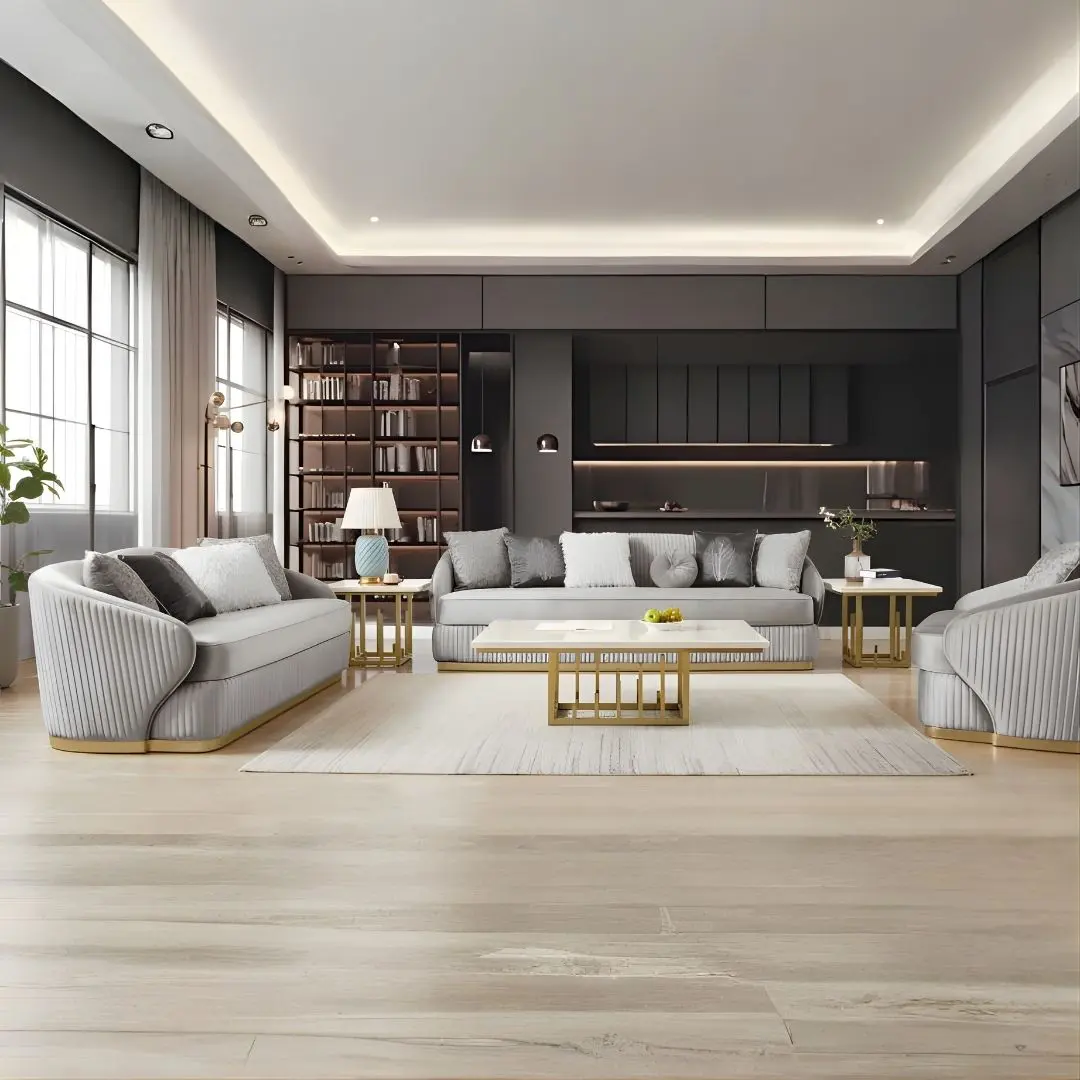
Victorian furniture styles represent one of the most influential chapters in the history of interior design, shaping how luxury spaces are still conceived today. Spanning the reign of Queen Victoria from 1837 to 1901, this era produced a remarkable evolution in furniture aesthetics—moving from structured Gothic Revival forms to highly ornate Rococo-inspired pieces, and eventually toward the more restrained and linear Eastlake movement.
For modern luxury interiors, Victorian furniture is not simply an antique reference; it is a design language built on craftsmanship, material richness, and architectural presence. It introduced the idea that furniture could be both functional and expressive, turning everyday pieces into decorative art forms.
In today’s U.S. luxury furniture market, Victorian-inspired design continues to hold strong appeal. Homeowners and designers are drawn to its depth, symmetry, and handcrafted quality—especially when interpreted through modern proportions and refined detailing. Brands like Mobilia Cleopatra continue this tradition by focusing on handcrafted wood furniture, custom finishes, and timeless construction methods that echo Victorian craftsmanship while fitting contemporary lifestyles.
This guide breaks down Victorian furniture styles across Early, Mid, and Late periods, while also exploring materials, craftsmanship, design influences, and how to identify authentic pieces in both antique and modern contexts.
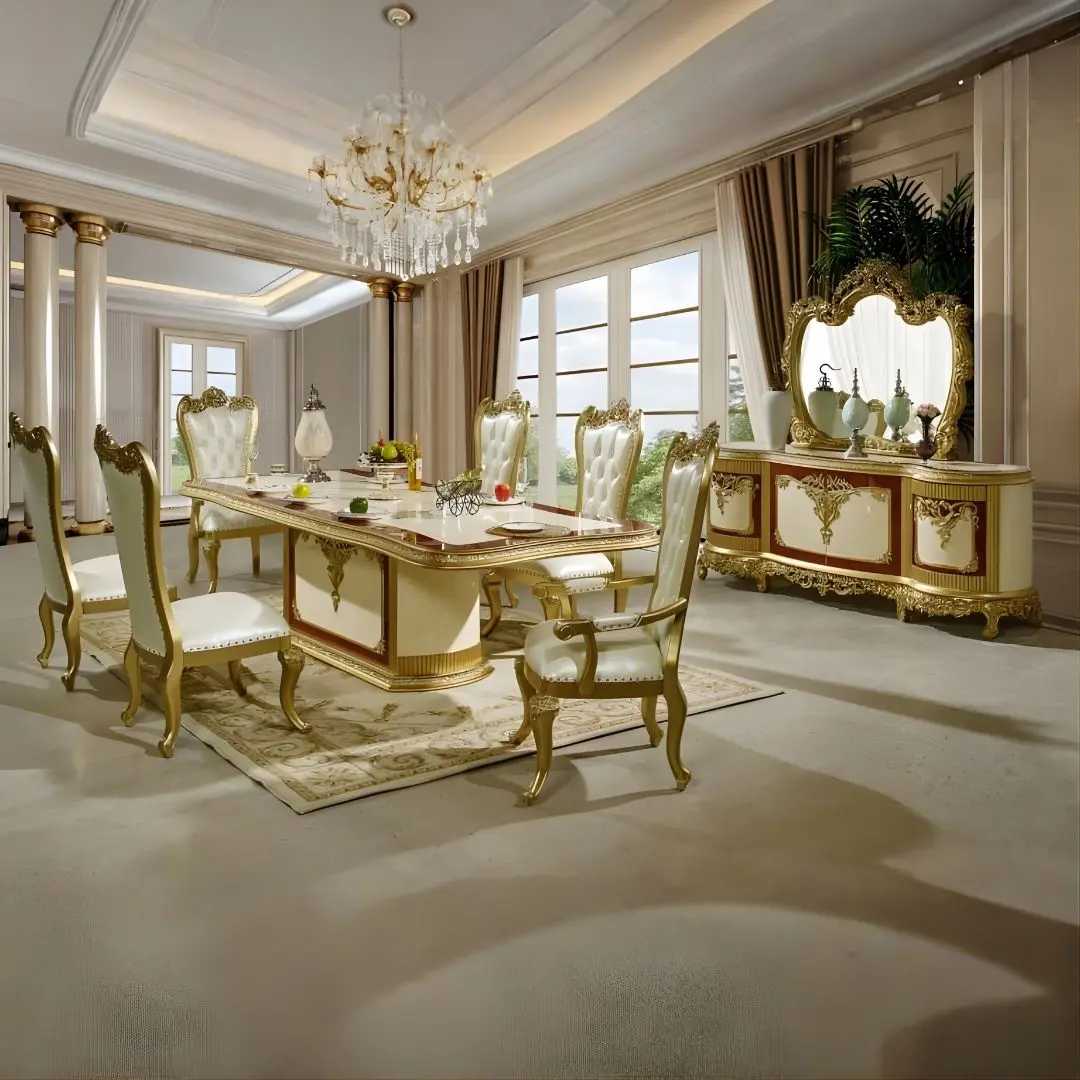
Victorian Furniture Styles
What Defines Victorian Furniture Styles?
Victorian furniture styles are defined not by a single aesthetic, but by an evolving design philosophy shaped by cultural change, industrial innovation, and artistic revival movements. Rather than one fixed look, Victorian furniture reflects a layered history of stylistic experimentation.
The Victorian Era and Its Design Identity
The Victorian era marked a shift in how furniture was perceived—from purely functional objects to expressive interior elements. Furniture became a symbol of social status, cultural taste, and technological progress. Homes during this period often featured coordinated sets of furniture in dining rooms, bedrooms, and parlors, emphasizing visual harmony and material richness.
How Industrialization Shaped Furniture Evolution
The Industrial Revolution had a profound influence on Victorian furniture production. While early pieces were fully handcrafted, later designs incorporated machine-assisted carving and mass production techniques. This allowed decorative furniture to become more accessible while still preserving high-end artisan traditions in luxury segments.
Key Principles of Victorian Interior Design
Victorian interiors emphasized abundance, symmetry, and layered detail. Key principles included the use of dark, rich woods like mahogany and walnut, heavy upholstery in velvet and damask, and decorative ornamentation through carving, inlay, and gilded accents. These principles established a foundation for modern traditional and European classical interior design.
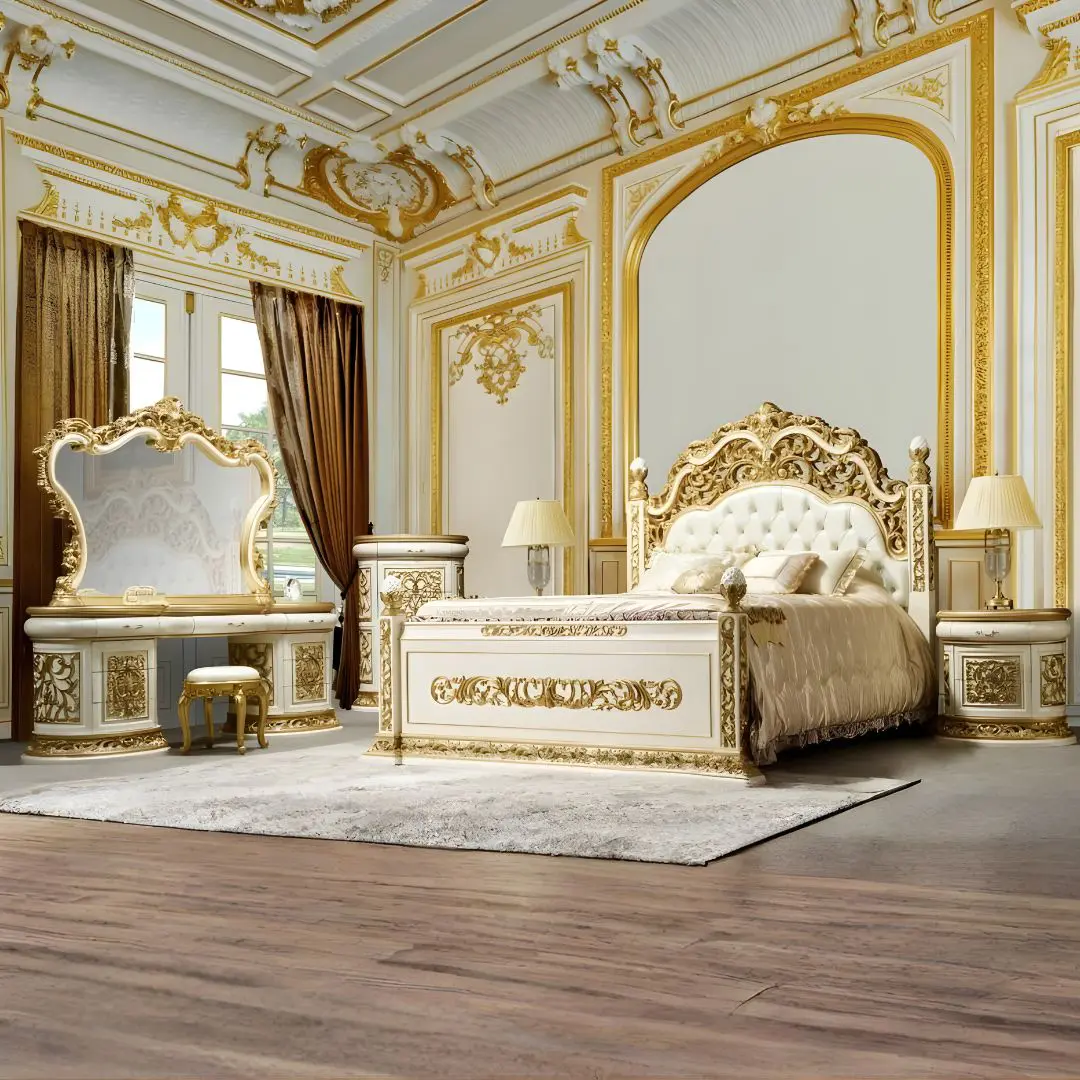
Victorian Furniture Styles
Early Victorian Furniture Style (1837–1850)
Early Victorian furniture reflects a transitional phase between Georgian restraint and the emerging decorative richness of the Victorian era. It is heavily influenced by Gothic Revival design, which emphasized structure, verticality, and historical reference.
Gothic Revival Influence and Dark Elegance
Gothic Revival style brought architectural elements into furniture design. Pointed arches, tracery patterns, and cathedral-inspired forms became common in cabinets, chairs, and headboards. This created a sense of grandeur rooted in medieval aesthetics, often associated with intellectual and aristocratic interiors.
Early Victorian Materials and Woods
Materials in early Victorian furniture were selected for durability and visual weight. Mahogany and oak were dominant, often finished with dark stains to emphasize seriousness and depth. These woods aligned with the era’s preference for grounded, formal interiors.
Ornamentation and Structural Simplicity
Compared to later Victorian periods, early designs were relatively restrained. Ornamentation was present but controlled, often achieved through subtle carving rather than excessive decoration. The emphasis was on strong silhouettes rather than surface complexity.
Typical Furniture Pieces in Early Victorian Interiors
Common pieces included heavy dining tables, structured armchairs, writing desks, and bookcases. These items were designed to communicate stability and intellectual refinement, often placed in formal parlors or libraries.
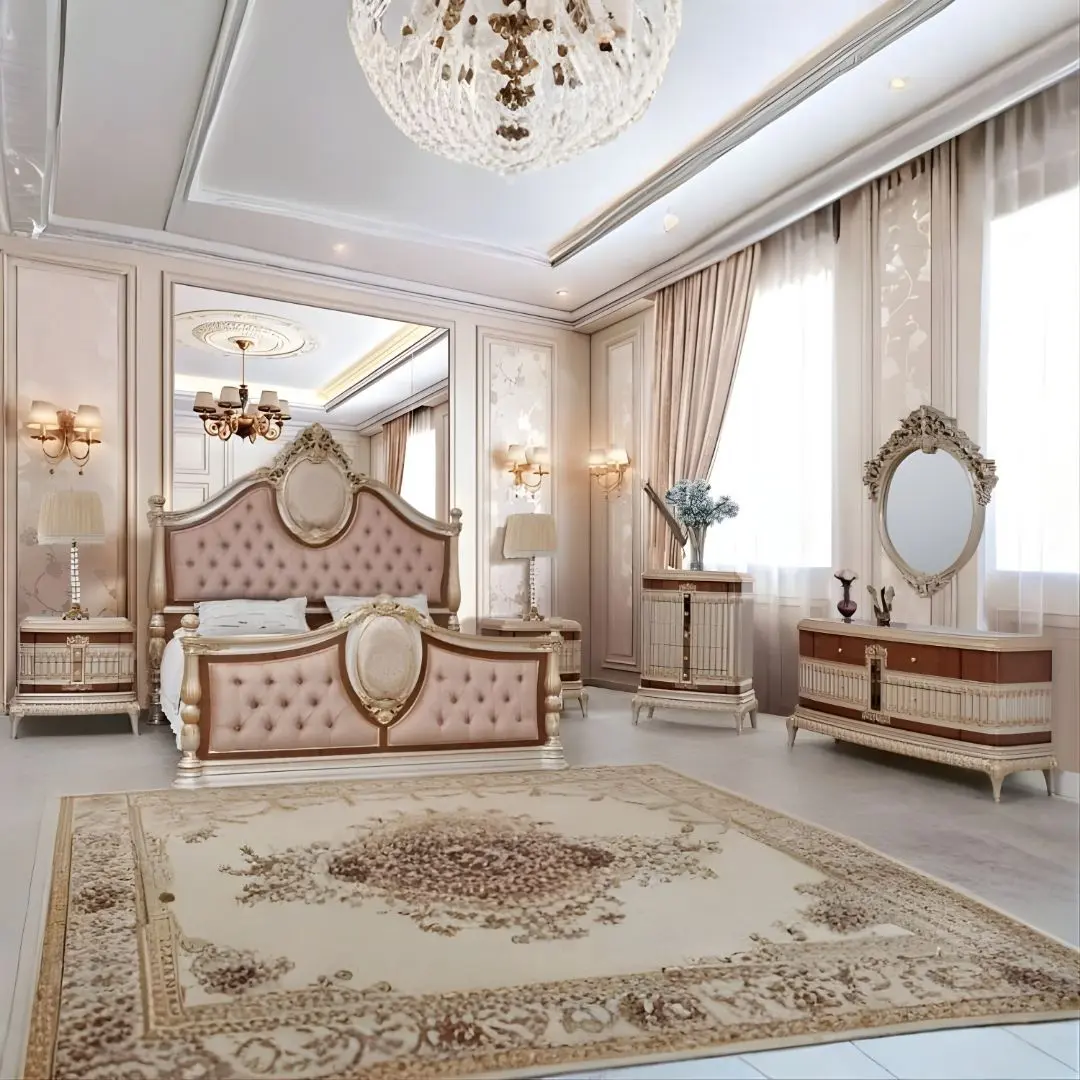
Victorian Furniture Styles
Mid Victorian Furniture Characteristics (1850–1870)
Mid Victorian furniture represents the peak of decorative expression. It is during this period that Rococo Revival influence becomes dominant, introducing curves, floral motifs, and elaborate detailing.
Rise of Rococo Revival and Decorative Luxury
Rococo Revival brought a softer, more ornamental language into Victorian furniture. Inspired by 18th-century French design, it introduced flowing lines, carved floral patterns, and asymmetrical forms that contrasted sharply with earlier Gothic rigidity.
Expansion of Mahogany and Walnut Furniture
Mahogany remained a primary material, but walnut gained popularity due to its rich grain and workability. These woods were often polished to a high sheen, enhancing their natural depth and supporting intricate carving techniques.
Increased Ornamentation and Curved Forms
Furniture in this period became more sculptural. Chair backs, table legs, and cabinet doors featured elaborate curves and carved detailing. Upholstery also became more prominent, with padded seating and richly patterned fabrics.
Cabinetmaking and Upholstery Advancements
Advancements in cabinetmaking allowed for more complex furniture structures. Joinery techniques improved, enabling curved frameworks and integrated decorative elements. Upholstery also became more refined, incorporating layered padding and luxurious textiles.
Late Victorian Furniture Design (1870–1901)
Late Victorian furniture reflects a shift toward refinement and structure, influenced by the Eastlake movement and a reaction against excessive ornamentation.
Eastlake Movement and Simplified Ornamentation
The Eastlake style emphasized straight lines, geometric forms, and machine-assisted detailing. It rejected overly elaborate carving in favor of more honest, structural design expression. This movement laid early groundwork for modern furniture design principles.
Renaissance Revival Influence
Alongside Eastlake simplicity, Renaissance Revival introduced balance and symmetry inspired by classical architecture. This created furniture that felt more grounded and architectural in presence.
Industrial Production vs Handcrafted Pieces
By the late Victorian period, furniture production was divided between mass-produced items and high-end handcrafted pieces. Luxury furniture still relied heavily on artisan craftsmanship, while middle-market furniture increasingly used industrial techniques.
Darker Woods and Heavier Forms
Late Victorian furniture often used darker finishes and heavier silhouettes. Pieces became more substantial in scale, reinforcing the idea of permanence and authority in interior spaces.
Victorian Furniture Evolution Across the Era
The evolution of Victorian furniture styles reflects broader cultural and technological transformations of the 19th century.
From Gothic Structure to Decorative Eclecticism
The journey begins with structured Gothic Revival design and gradually transitions into highly decorative Rococo Revival forms before settling into the more controlled Eastlake aesthetic. This evolution reflects changing tastes in luxury, identity, and domestic comfort.
Shifts in Materials and Finishes
Early Victorian furniture favored dark, matte finishes, while mid-century designs embraced polished surfaces and decorative veneers. By the late period, finishes became more varied, including lacquer and lighter staining techniques.
Changing Role of Craftsmanship and Industry
Handcraftsmanship remained central throughout the era, but industrial production increasingly influenced accessibility and consistency. This duality defines Victorian furniture as both an artisan and industrial design period.
Gothic Revival, Rococo Revival & Renaissance Revival Influences
Victorian furniture cannot be understood without its revivalist influences, each contributing a distinct visual and structural language.
Gothic Revival Furniture Characteristics
Gothic Revival emphasizes vertical lines, pointed arches, and architectural detailing. It conveys strength, tradition, and historical depth.
Rococo Revival Decorative Expression
Rococo Revival introduces softness, curves, floral motifs, and decorative exuberance. It is the most visually expressive of the Victorian influences.
Renaissance Revival Balance and Symmetry
Renaissance Revival focuses on proportion, symmetry, and classical order. It adds structural discipline to Victorian eclecticism.
Eastlake Style and Late Victorian Reform Movement
The Eastlake movement represents a pivotal shift toward simplicity and functional clarity.
Machine Influence on Furniture Design
Machine tools enabled more precise and consistent production, reducing reliance on purely hand-carved ornamentation.
Reduced Ornamentation and Linear Forms
Eastlake furniture emphasized straight lines, minimal carving, and visible structure. This was a reaction against excessive Victorian decoration.
Impact on Modern Traditional Furniture
Many principles of Eastlake design—simplicity, honesty of structure, and functional clarity—can still be seen in modern luxury furniture design today.
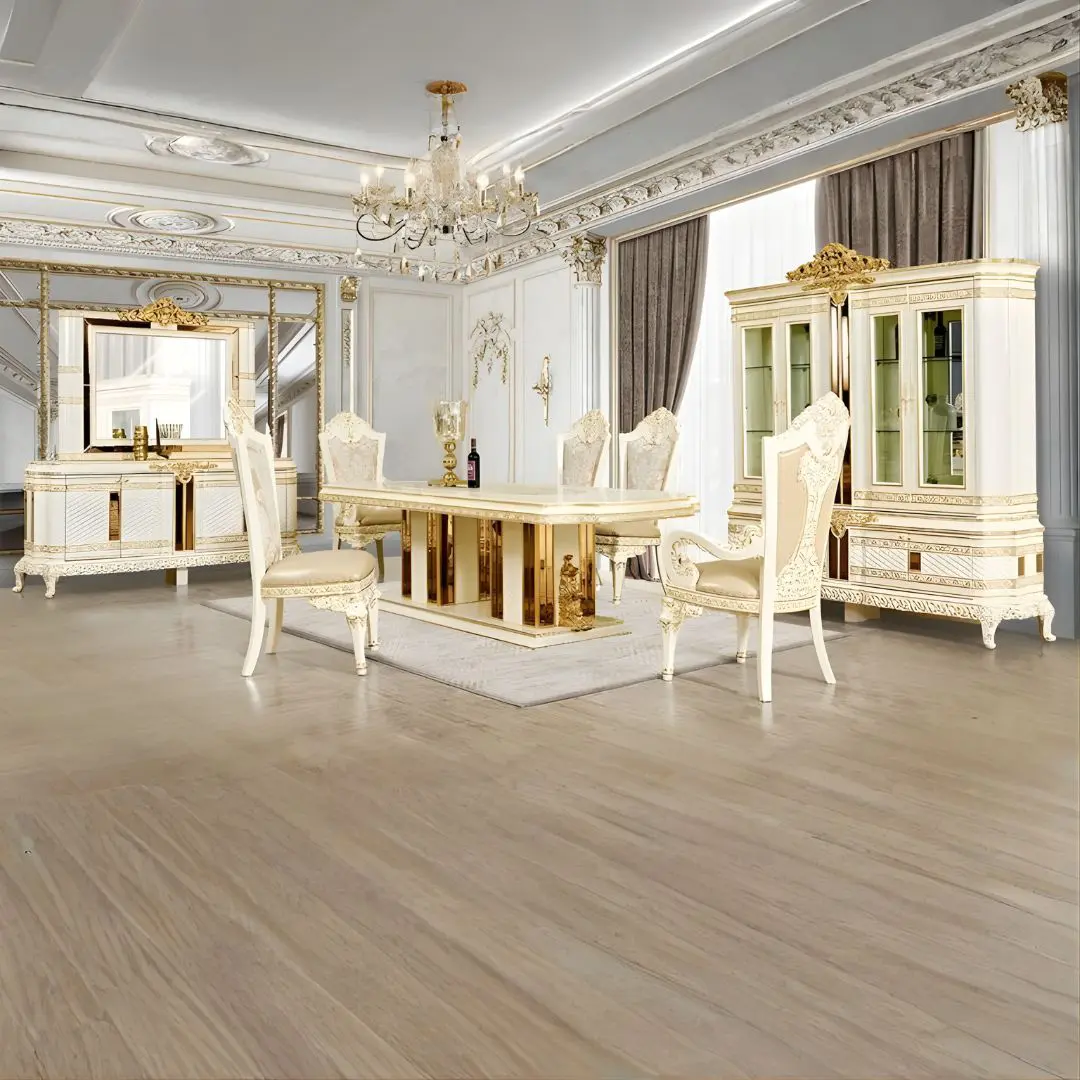
Victorian Furniture Styles
Victorian Furniture Materials and Craftsmanship
Material selection and craftsmanship define the quality and identity of Victorian furniture.
Mahogany, Walnut, and Oak Dominance
These hardwoods formed the foundation of Victorian furniture, chosen for durability, grain richness, and carving suitability.
Veneers, Marquetry, and Decorative Inlays
Veneering allowed for complex surface patterns, while marquetry and inlay work introduced artistic detailing using contrasting woods and materials.
Hand-Carving and Joinery Techniques
Traditional joinery methods such as mortise and tenon and dovetail construction ensured long-lasting structural integrity.
Upholstery and Textile Integration
Fabrics like velvet, silk, and damask added softness and visual richness, balancing the heaviness of wooden frames.
How to Identify Victorian Furniture Styles
Identifying Victorian furniture requires attention to detail and construction quality.
Wood Grain and Material Clues
Solid hardwood construction, especially mahogany or walnut, is a key indicator of authenticity.
Hardware and Decorative Details
Brass and bronze hardware, along with hand-carved ornamentation, are common identifiers.
Joinery and Construction Methods
Visible traditional joinery often indicates handcrafted origins rather than modern reproduction.
Patina and Aging Characteristics
Natural aging, surface wear, and deep patina develop over time and cannot be easily replicated.
Victorian Furniture in Luxury Interior Design Today
Victorian furniture continues to influence modern luxury interiors, especially in U.S. high-end residential design.
Victorian Influence in U.S. Luxury Homes
Designers often incorporate Victorian-inspired furniture to add depth, heritage, and architectural richness to contemporary homes.
Blending Antique Aesthetics with Modern Interiors
The most successful modern applications balance Victorian statement pieces with minimalist surroundings.
Custom Furniture Inspired by Victorian Craftsmanship
Custom furniture allows homeowners to reinterpret Victorian aesthetics with modern proportions, comfort, and materials.
Victorian Furniture Value and Collectibility
Victorian furniture remains highly collectible due to its craftsmanship and historical significance.
Antique Market Demand Factors
Value is influenced by condition, material quality, provenance, and craftsmanship complexity.
Authenticity vs Reproduction Furniture
Authentic pieces show signs of handcrafting and aging, while reproductions often rely on modern manufacturing techniques.
Role of Craftsmanship in Valuation
The level of detail in carving, joinery, and finishing directly impacts both aesthetic and market value.
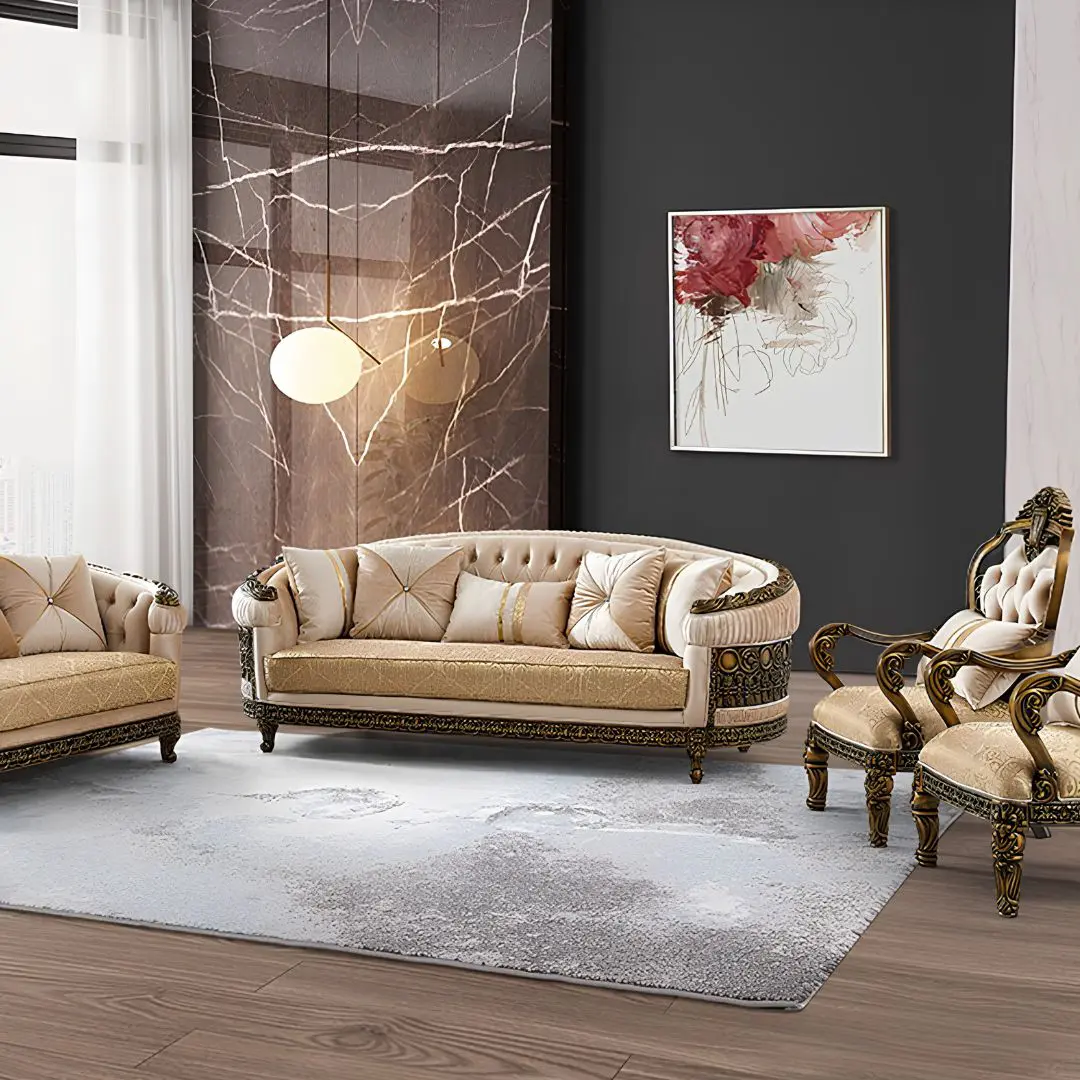
Victorian Furniture Styles
Conclusion
Victorian furniture styles represent more than a historical classification—they reflect a complete evolution of design thinking, craftsmanship, and cultural identity. From the structured elegance of Early Victorian Gothic Revival pieces to the decorative richness of Mid Victorian Rococo-inspired designs and finally to the refined simplicity of Late Victorian Eastlake furniture, each phase contributes to a layered understanding of luxury furniture design.
What makes Victorian furniture especially relevant today is its adaptability. While originally rooted in 19th-century interiors, its principles—material richness, craftsmanship, symmetry, and expressive detailing—translate seamlessly into modern luxury homes. When thoughtfully integrated, Victorian-inspired pieces bring depth and character to contemporary spaces without overwhelming them.
In today’s design landscape, where minimalism often dominates, Victorian furniture offers an alternative language—one that celebrates texture, history, and artistry. Whether used as statement pieces or interpreted through custom modern furniture design, its influence remains a cornerstone of traditional luxury interiors.
For brands like Mobilia Cleopatra, this legacy is not just historical inspiration—it is a continuing commitment to handcrafted quality, premium materials, and furniture that carries both aesthetic and emotional permanence.
