Free shipping · 0% for 6 months · White-glove available


How to Identify High-Quality Furniture: A Luxury Buyer’s Guide for Lasting Craftsmanship


Furnishing a home is rarely just about filling space. In luxury interiors, furniture shapes the atmosphere of a room, reflects personal taste, and often becomes part of a home’s long-term story. Yet in today’s market, where mass production and aggressive marketing dominate online shopping experiences, identifying genuinely high-quality furniture can feel increasingly difficult.
Many pieces may appear luxurious in photographs while lacking the structural integrity, craftsmanship, and premium materials necessary for lasting performance. A sofa may feature elegant upholstery but conceal a weak frame beneath the fabric. A dining table may imitate solid walnut while relying heavily on low-grade engineered materials. For discerning homeowners, interior designers, and luxury furniture buyers, understanding the difference between visual appeal and authentic quality is essential.
High-quality furniture is defined by more than aesthetics alone. It reflects careful craftsmanship, durable construction methods, thoughtful material selection, and timeless design principles. Whether selecting a handcrafted sectional, a custom bedroom set, or an heirloom-quality dining table, buyers should evaluate furniture with the same attention they would give to architecture or fine art.
In the U.S. luxury furniture market, consumers are increasingly prioritizing longevity, customization, and artisanal craftsmanship over disposable trends. Brands such as Mobilia Cleopatra embrace this philosophy by focusing on handcrafted construction, premium hardwoods, refined upholstery techniques, and bespoke interior solutions designed to endure for generations.
This guide explores how to identify high-quality furniture by examining the essential indicators of craftsmanship, materials, structural engineering, and luxury detailing. From kiln-dried hardwood frames to precision upholstery tailoring, understanding these elements allows buyers to invest confidently in furniture that delivers both beauty and durability.
Why Furniture Quality Matters in Luxury Interiors
Luxury interiors depend on balance, proportion, texture, and permanence. Furniture is not merely functional within these spaces; it acts as the architectural foundation of the home’s visual identity. High-quality furniture contributes to that experience through superior materials, structural reliability, and enduring aesthetic value.
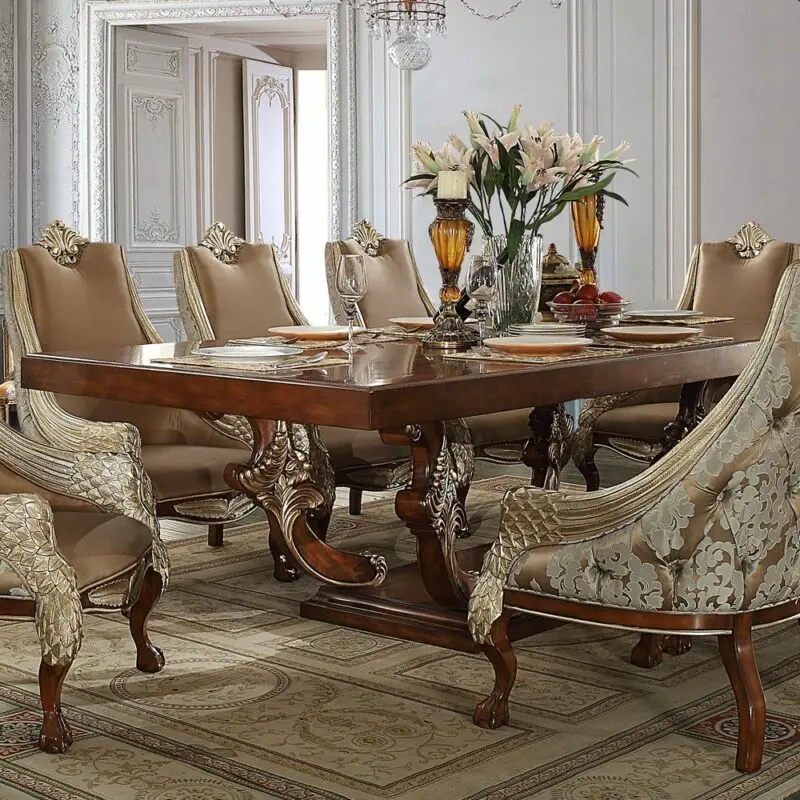
Identify High-Quality Furniture
The Difference Between Investment Furniture and Mass Production
Mass-produced furniture is typically designed for speed and affordability. Manufacturing shortcuts often include stapled frames, low-density cushioning, thin veneers, and particleboard construction. While these pieces may initially resemble premium furniture, they tend to deteriorate quickly under everyday use.
Investment furniture, by contrast, prioritizes longevity and craftsmanship. Handcrafted dining tables, custom upholstered seating, and bench-made cabinetry are created using techniques intended to preserve structural integrity over decades rather than seasons. The distinction becomes particularly visible over time. High-quality furniture maintains stability, finish quality, and comfort long after lower-grade alternatives begin showing signs of wear.
Luxury buyers increasingly recognize furniture as part of a long-term design investment. Instead of replacing poorly made pieces every few years, many homeowners prefer timeless furnishings capable of adapting to evolving interiors while maintaining their original craftsmanship.
How Premium Furniture Enhances Longevity and Design Value
Quality furniture transforms interior environments by creating visual sophistication and tactile comfort. Solid walnut dining tables develop richer character with age. Hand-polished mahogany cabinetry acquires depth and patina over time. Premium upholstery fabrics retain their texture and resilience despite daily use.
Beyond aesthetics, high-quality furniture contributes to overall home value. Carefully crafted interiors communicate refinement, permanence, and intentional design. In luxury residences, furniture often becomes part of a generational legacy, especially when constructed using heirloom-quality techniques.
Brands specializing in custom and handcrafted furniture understand that durability and artistry are inseparable. Mobilia Cleopatra, for example, emphasizes premium materials, artisan detailing, and tailored craftsmanship to create furniture collections that balance contemporary luxury with enduring construction standards.
Start With the Furniture Frame Construction
The frame serves as the structural core of any furniture piece. Regardless of how elegant the upholstery or finish may appear, poor frame construction inevitably compromises durability and comfort.
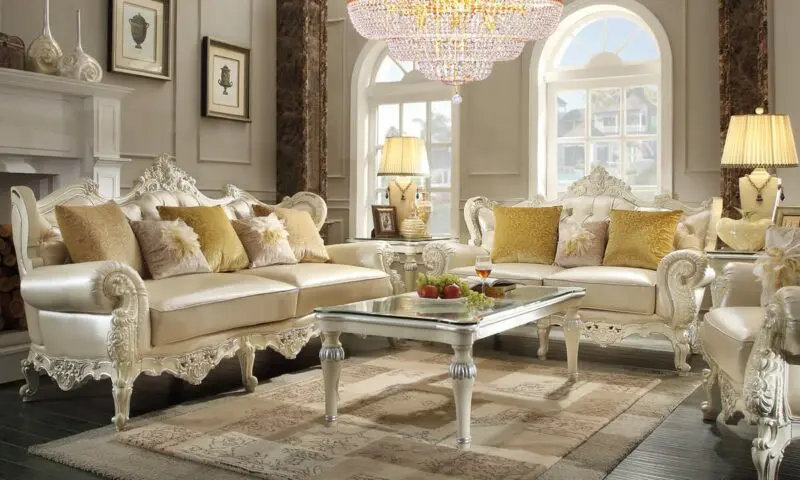
Identify High-Quality Furniture
Why Kiln-Dried Hardwood Matters
Kiln-dried hardwood remains one of the most respected materials in luxury furniture manufacturing. Woods such as oak, walnut, maple, mahogany, and cherry are carefully dried to reduce internal moisture levels before construction begins. This process minimizes the risk of warping, cracking, and structural movement over time.
In premium sofas and chairs, kiln-dried hardwood frames offer significantly greater stability than softwoods or particleboard alternatives. Luxury furniture makers rely on hardwood because it withstands long-term stress without losing shape or integrity.
Signs of Strong Furniture Frame Integrity
High-quality furniture frames feel substantial and stable. When inspecting a chair, sofa, or table, buyers should look for:
- Reinforced corners
- Thick structural components
- Consistent alignment
- Minimal movement or wobbling
- Precision joinery rather than excessive staples or glue
Weight can also indicate construction quality. While heavier furniture is not automatically superior, substantial weight often reflects denser hardwood materials and stronger engineering.
Solid Wood vs Engineered Wood
Solid wood furniture remains highly valued in luxury interiors because of its durability, grain variation, and timeless appeal. Walnut, oak, teak, and maple each offer unique aesthetic and structural characteristics.
Engineered wood, however, is not inherently low quality. Some premium furniture manufacturers strategically combine engineered materials with solid hardwood for dimensional stability in specific applications. The key difference lies in transparency and craftsmanship. High-end furniture brands clearly identify their materials and construction methods, while lower-grade manufacturers often obscure them behind decorative finishes.
Understanding these distinctions helps buyers avoid confusing surface appearance with genuine quality.
How to Evaluate Furniture Joinery and Craftsmanship
One of the clearest indicators of luxury furniture quality is the craftsmanship hidden beneath the surface. Superior joinery techniques demonstrate precision engineering and long-term structural thinking.
Dovetail Joints Explained
Dovetail joints are commonly used in premium drawers and cabinetry because of their exceptional strength. Interlocking wooden components create resistance against pulling forces, making them significantly more durable than glued or stapled alternatives.
Well-executed dovetail joinery should appear clean, symmetrical, and tightly fitted. Uneven gaps or rough edges may indicate rushed manufacturing.
Mortise-and-Tenon Joinery in Luxury Furniture
Mortise-and-tenon construction has been used in fine furniture making for centuries. This technique connects wooden pieces using fitted slots and projections, creating exceptional structural integrity.
Luxury dining chairs, handcrafted tables, and custom cabinetry frequently incorporate mortise-and-tenon joints because they withstand stress without weakening over time.
Bench-Made and Handcrafted Construction Standards
Bench-made furniture refers to pieces individually assembled by skilled craftsmen rather than mass-produced on automated lines. This process allows for closer attention to detail, stronger construction methods, and refined finishing techniques.
In handcrafted luxury furniture, small details often reveal exceptional craftsmanship:
- Smooth drawer operation
- Uniform stitching
- Balanced proportions
- Hand-carved detailing
- Consistent wood grain matching
Mobilia Cleopatra incorporates artisan craftsmanship principles throughout its custom furniture collections, emphasizing structural longevity alongside refined design aesthetics.
The Best Wood Types for High-End Furniture
Wood selection influences not only furniture durability but also texture, color depth, and visual sophistication.
Walnut Wood
Walnut is prized in luxury interiors for its rich brown tones and elegant grain patterns. It balances strength with workability, making it ideal for custom dining tables, executive desks, and statement cabinetry.
Oak and Maple Hardwood
Oak offers exceptional durability and visible grain texture, often complementing traditional American elegance and transitional interiors. Maple provides a smoother appearance and excellent resistance to wear, making it popular in modern luxury furniture.
Mahogany and Cherry Wood
Mahogany has long been associated with classical luxury interiors because of its deep reddish undertones and refined finish quality. Cherry wood develops a rich patina over time, adding warmth and sophistication to heirloom furniture pieces.
Teak for Luxury Durability
Teak contains natural oils that resist moisture and environmental wear, making it especially valuable in luxury outdoor furniture and high-humidity environments. Its durability and aging characteristics make it a preferred material for long-term investment furniture.
Premium furniture manufacturers carefully select hardwoods based on both structural performance and design compatibility. The best luxury furniture balances visual beauty with material longevity.
Upholstery Signs of High-Quality Furniture
Upholstery significantly affects comfort, durability, and visual refinement. In luxury furniture, upholstery quality extends far beyond fabric appearance alone.
Luxury Upholstery Materials
High-end furniture often features premium upholstery materials such as Italian leather, linen blends, performance velvet, and textured woven fabrics. These materials provide both tactile sophistication and long-term durability.
Natural fibers tend to offer greater breathability and depth, while performance fabrics improve stain resistance and everyday practicality without sacrificing elegance.
High-Density Foam and Cushion Support
Cushion quality directly impacts comfort retention. High-density foam maintains shape and support longer than low-density alternatives commonly used in mass-market furniture.
Luxury sofas frequently combine:
- High-resilience foam
- Down feather blends
- Eight-way hand-tied spring systems
- Reinforced suspension platforms
These components create balanced support and long-term seating comfort.
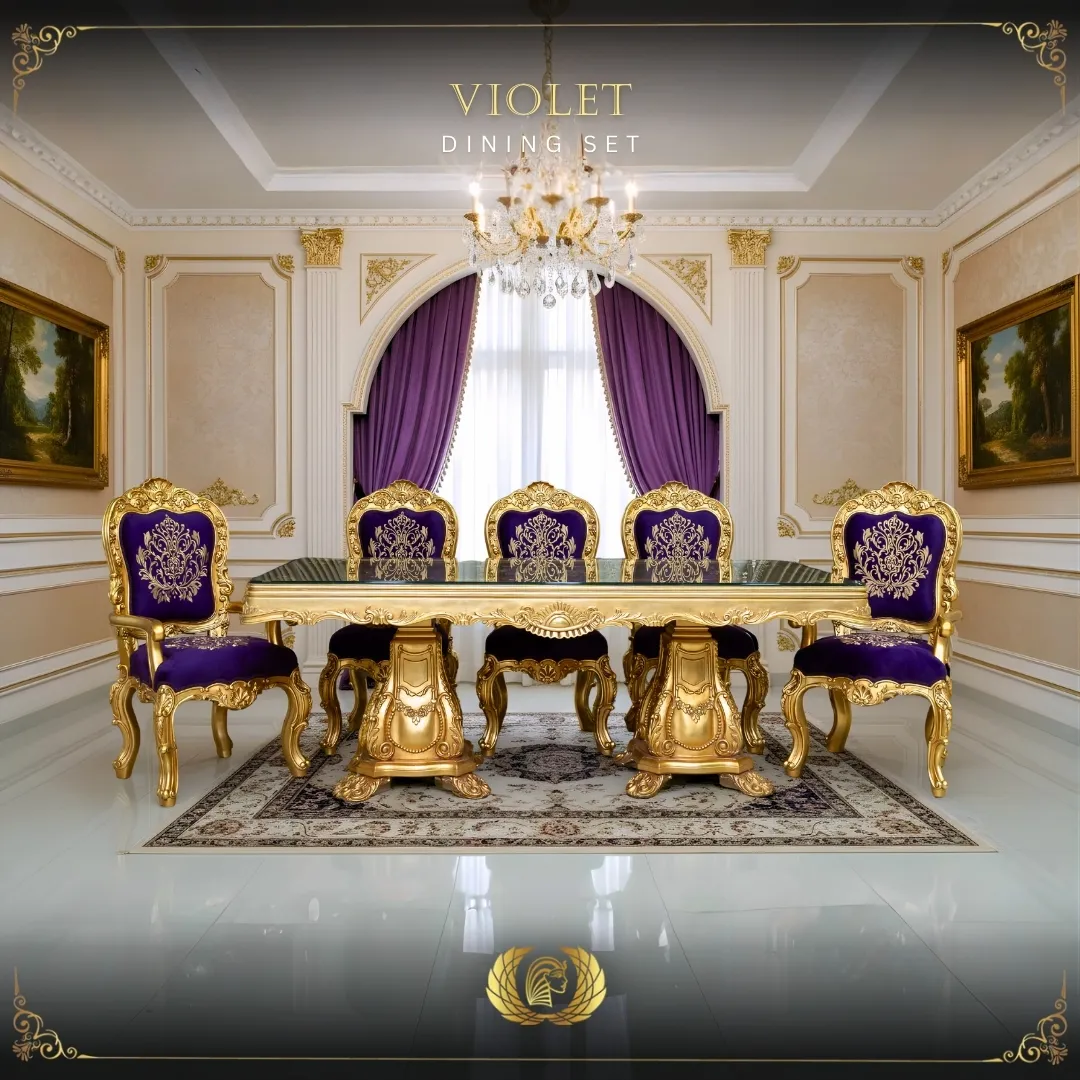
Identify High-Quality Furniture
Precision Stitching and Upholstery Tailoring
Well-tailored upholstery reflects craftsmanship discipline. Buyers should inspect:
- Straight stitching lines
- Tight seams
- Pattern alignment
- Smooth fabric tension
- Consistent piping details
Loose fabric, uneven stitching, or wrinkled upholstery often indicate lower manufacturing standards.
Custom furniture brands such as Mobilia Cleopatra emphasize upholstery tailoring because precision detailing contributes significantly to both appearance and longevity.
How to Inspect Furniture Finishing Techniques
Furniture finishes protect surfaces while enhancing visual richness. Superior finishing techniques often distinguish luxury furniture from lower-grade alternatives.
Hand Polishing vs Factory Finishes
Hand-polished furniture typically exhibits greater depth, smoothness, and consistency than machine-applied finishes. Luxury wood finishes should highlight natural grain rather than conceal it beneath heavy coatings.
Hand finishing also allows craftsmen to refine edges, corners, and carved details with greater precision.
Wood Veneering Quality Standards
High-quality veneering is a respected luxury furniture technique when executed properly. Premium veneers use genuine hardwood layers applied with precision to create consistency and visual sophistication.
Poor-quality veneers, however, may peel, bubble, or separate over time. Thin synthetic veneers often indicate low-cost manufacturing.
Signs of Poor Furniture Finishing
Warning signs include:
- Uneven staining
- Rough surfaces
- Visible glue marks
- Bubbling finishes
- Inconsistent coloration
- Sharp unfinished edges
Luxury furniture should feel refined from every angle, including hidden surfaces and interior compartments.
Luxury Furniture Hardware and Material Details
Hardware and secondary materials often reveal whether furniture has been thoughtfully engineered or simply styled for appearance.
Brass Accents and Stainless Steel Components
Premium hardware should feel substantial and operate smoothly. Solid brass handles, stainless steel supports, and reinforced hinges provide durability while contributing to the furniture’s visual character.
Cheap hardware often loosens quickly, tarnishes unevenly, or feels lightweight.
Marble Surfaces and Natural Stone Elements
Luxury furniture frequently incorporates marble, travertine, or other natural stone surfaces. Genuine stone offers unique veining patterns and depth impossible to replicate convincingly with synthetic materials.
Buyers should inspect edge finishing, sealing quality, and structural support beneath heavy stone surfaces.
Tempered Glass Quality Indicators
High-end glass furniture uses tempered glass for improved durability and safety. Quality indicators include:
- Polished edges
- Stable mounting systems
- Consistent thickness
- Minimal visual distortion
These details contribute to both functionality and aesthetic refinement.
Understanding Handmade and Custom Furniture
Custom and handcrafted furniture represents one of the highest expressions of luxury craftsmanship.
The Value of Artisan Detailing
Artisan detailing introduces individuality into furniture design. Hand carving, upholstery tailoring, wood inlay work, and custom finishing techniques create depth and uniqueness absent in mass production.
These elements also reflect the skill and experience of the craftsmen behind the piece.
Custom Furniture Craftsmanship vs Factory Production
Factory furniture prioritizes volume and efficiency. Custom furniture prioritizes precision, personalization, and durability.
Bespoke furniture allows homeowners to customize:
- Dimensions
- Upholstery materials
- Wood species
- Finish tones
- Hardware selections
- Structural configurations
This level of customization ensures furniture integrates seamlessly within luxury interiors.
What Defines Heirloom-Quality Furniture
Heirloom-quality furniture is designed to last for generations. It combines:
- Premium hardwood construction
- Timeless design
- Superior joinery
- Repairable craftsmanship
- Durable finishes
Mobilia Cleopatra approaches furniture design with this long-term philosophy, creating collections intended to retain both structural and aesthetic value over time.
Common Warning Signs of Low-Quality Furniture
Recognizing poor craftsmanship is just as important as identifying premium construction.
Weak Joinery and Stapled Frames
Stapled frames, excessive adhesive use, and weak corner construction often indicate low-cost manufacturing shortcuts. These techniques reduce long-term durability and structural reliability.
Thin Veneers and Poor Upholstery
Very thin veneers may chip or peel rapidly, especially around edges. Similarly, low-grade upholstery materials tend to pill, fade, or stretch after limited use.
Uneven Finishes and Structural Instability
Furniture should never wobble, creak excessively, or feel imbalanced. Structural instability usually reflects weak engineering or poor assembly standards.
Strong chemical odors can also indicate inferior adhesives or low-quality synthetic materials.
Questions to Ask Before Buying Luxury Furniture
Luxury furniture buyers should approach purchases with informed curiosity.
Warranty and Construction Questions
Ask manufacturers:
- What materials are used in the frame?
- Is the wood kiln-dried?
- What joinery techniques are used?
- What warranty coverage is provided?
Transparent brands willingly explain their construction standards.
Questions About Materials and Upholstery
Buyers should also inquire about:
- Fabric durability ratings
- Cushion composition
- Leather origin
- Finish protection methods
- Maintenance requirements
Understanding these details helps evaluate long-term performance.
What to Ask a Luxury Furniture Brand
A reputable luxury furniture company should clearly communicate:
- Craftsmanship philosophy
- Material sourcing
- Customization options
- Production timelines
- Design capabilities
Mobilia Cleopatra emphasizes personalized craftsmanship and tailored furniture solutions, allowing clients to invest confidently in pieces aligned with their interiors and lifestyle needs.
How Mobilia Cleopatra Approaches Luxury Furniture Craftsmanship
Luxury furniture should balance beauty, durability, and timeless relevance. Mobilia Cleopatra approaches craftsmanship through this lens, combining artisanal techniques with premium materials and custom interior expertise.
Handcrafted Construction Standards
Each furniture piece begins with careful structural planning. Kiln-dried hardwood frames, reinforced joinery, and precision engineering create the foundation for long-term durability.
Rather than relying on disposable manufacturing methods, handcrafted production emphasizes stability, repairability, and refined detailing.
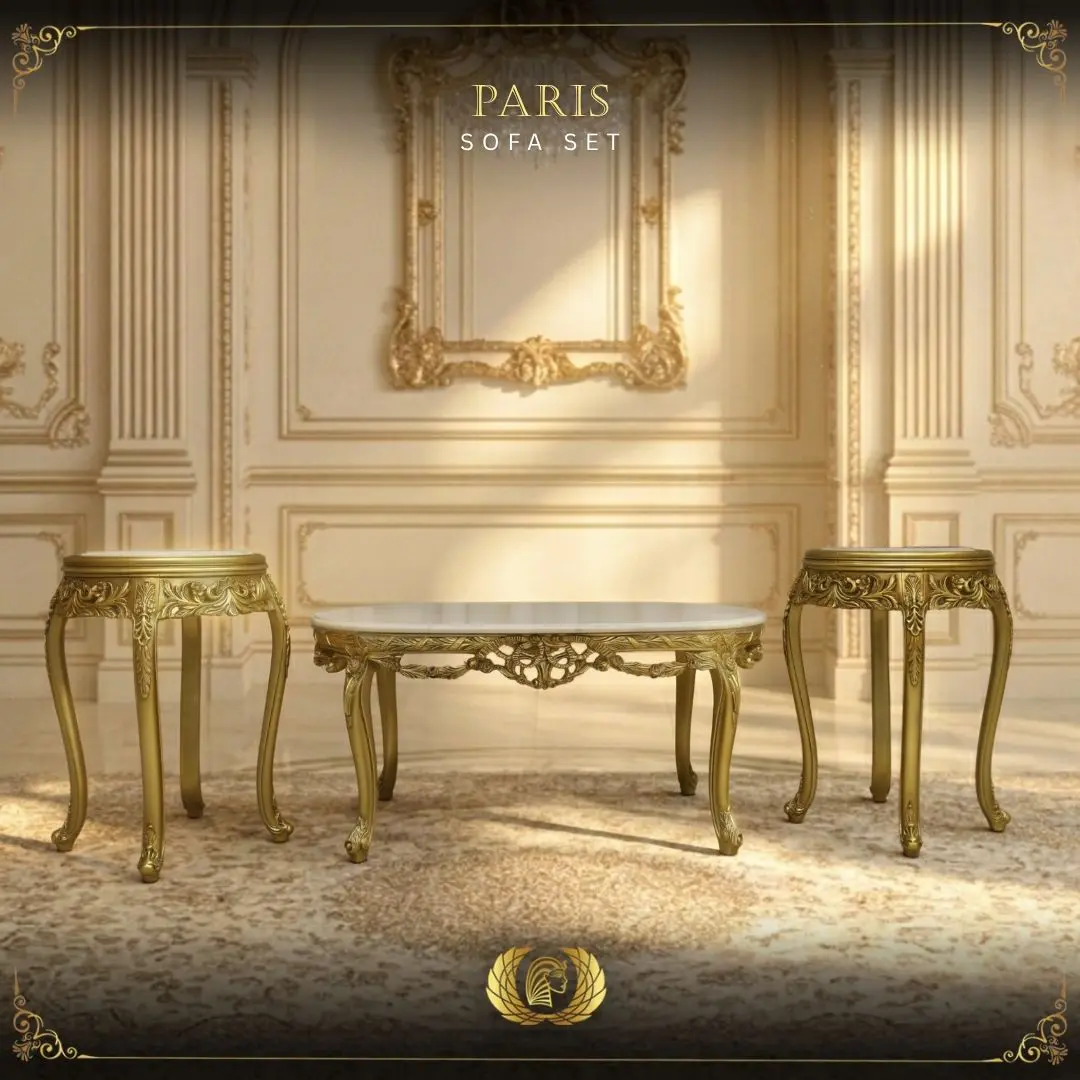
Identify High-Quality Furniture
Premium Materials and Bespoke Design Philosophy
Mobilia Cleopatra incorporates carefully selected hardwoods, luxury upholstery fabrics, marble accents, and artisan finishing techniques across its collections. This material-focused approach allows furniture to maintain elegance while enduring everyday use.
Customization also plays a central role in the brand’s philosophy. Bespoke furniture solutions allow homeowners and interior designers to tailor proportions, finishes, and materials to suit sophisticated residential environments.
Designing Furniture for Longevity and Timeless Interiors
Trends evolve quickly, but timeless craftsmanship retains relevance across generations. Mobilia Cleopatra prioritizes enduring design language rather than short-lived aesthetics, helping clients create interiors with lasting architectural and emotional value.
By combining handcrafted construction with thoughtful design, luxury furniture becomes more than décor—it becomes part of the home’s legacy.
Final Thoughts on Choosing High-Quality Furniture
Identifying high-quality furniture requires more than judging appearance alone. True luxury furniture reveals itself through craftsmanship, structural integrity, premium materials, and thoughtful detailing. From dovetail joinery and kiln-dried hardwood frames to precision upholstery tailoring and hand-applied finishes, every element contributes to the longevity and refinement of the final piece.
For today’s luxury buyers, furniture increasingly represents a long-term investment rather than a temporary purchase. Well-crafted furnishings provide durability, comfort, and timeless visual appeal while supporting more sustainable interior design practices. Instead of replacing cheaply made furniture every few years, homeowners can invest in pieces designed to evolve gracefully alongside their living spaces.
Understanding how furniture is constructed empowers buyers to navigate the luxury market with greater confidence. Evaluating frame materials, upholstery quality, joinery methods, and finishing standards allows consumers to distinguish genuine craftsmanship from superficial marketing.
The most respected luxury furniture brands prioritize transparency, artisan skill, and enduring construction principles. Mobilia Cleopatra reflects this approach by focusing on handcrafted craftsmanship, premium materials, and bespoke interior solutions tailored to sophisticated American homes.
Ultimately, high-quality furniture is about permanence. It creates interiors that feel intentional, refined, and deeply personal. Whether furnishing a contemporary penthouse, a traditional estate, or a transitional family residence, investing in thoughtfully crafted furniture ensures that beauty and functionality remain timeless for years to come.
Identify High-Quality Furniture
Frequently Asked Questions
How can you tell if furniture is high quality?
High-quality furniture typically features solid construction, premium materials, and refined craftsmanship. Buyers should inspect the frame, joinery, upholstery, and finish quality carefully. Kiln-dried hardwood frames, dovetail joints, mortise-and-tenon construction, and high-density cushions are strong indicators of durability. Luxury furniture also tends to feel stable, substantial, and carefully finished from every angle.
What is the best wood for luxury furniture?
Several hardwoods are commonly used in luxury furniture manufacturing, including walnut, oak, maple, mahogany, cherry, and teak. Walnut is valued for its rich grain and elegant appearance, while oak offers exceptional durability. Mahogany and cherry are often associated with traditional luxury interiors because of their warmth and depth. The best wood ultimately depends on the intended style, functionality, and environmental conditions.
Is solid wood furniture always better than engineered wood?
Solid wood is generally preferred for heirloom-quality furniture because of its durability and natural beauty. However, high-end engineered materials can sometimes improve dimensional stability in certain applications. Premium furniture manufacturers may combine solid hardwood with engineered components strategically. The key factor is craftsmanship quality rather than material category alone.
What are dovetail joints in furniture?
Dovetail joints are interlocking wooden connections commonly used in premium drawers and cabinetry. They provide exceptional structural strength and resist separation over time. Well-crafted dovetail joints demonstrate precision woodworking and are often considered a hallmark of luxury furniture craftsmanship.
Why is kiln-dried hardwood important?
Kiln drying removes excess moisture from hardwood before furniture construction begins. This process helps prevent warping, cracking, and structural movement over time. Luxury furniture manufacturers favor kiln-dried hardwood because it provides greater long-term stability and durability.
How long should high-quality furniture last?
Well-crafted luxury furniture can last for decades or even generations when properly maintained. Heirloom-quality pieces constructed from solid hardwood with premium upholstery and reinforced joinery are specifically designed for long-term use. Unlike mass-produced furniture, high-quality pieces often become more visually appealing with age.
What makes handcrafted furniture more valuable?
Handcrafted furniture reflects individual craftsmanship, precision detailing, and careful material selection. Artisan-made furniture often includes custom woodworking, hand polishing, upholstery tailoring, and specialized joinery techniques that are difficult to replicate through automated production. This level of craftsmanship improves both durability and exclusivity.
How do luxury furniture brands ensure durability?
Luxury furniture brands prioritize premium materials, structural engineering, and refined construction techniques. Durable hardwood frames, reinforced corners, hand-tied spring systems, and high-quality upholstery materials all contribute to long-term performance. Reputable brands also conduct quality control inspections throughout production.
What upholstery materials are best for luxury furniture?
Luxury upholstery materials include Italian leather, linen blends, woven performance fabrics, cotton velvet, and premium synthetic textiles designed for durability. The best upholstery depends on lifestyle needs, maintenance preferences, and design goals. High-end upholstery should combine visual sophistication with resilience.
Is expensive furniture always higher quality?
Price alone does not guarantee quality. Some expensive furniture emphasizes branding or aesthetics while compromising structural standards. Buyers should evaluate materials, craftsmanship, construction methods, and warranty transparency rather than relying solely on pricing. Genuine luxury furniture combines design excellence with lasting durability.
What are the signs of poorly made furniture?
Common warning signs include stapled frames, weak joinery, thin veneers, uneven finishes, unstable legs, loose upholstery, and excessive wobbling. Poor-quality furniture may also emit strong chemical odors or show visible inconsistencies in stitching and alignment.
How do I choose heirloom-quality furniture for my home?
Focus on timeless design, durable hardwood construction, handcrafted joinery, and premium upholstery materials. Avoid trend-driven pieces that may feel dated quickly. Heirloom-quality furniture should feel structurally solid, visually balanced, and adaptable to evolving interior styles. Investing in custom or handcrafted furniture from reputable luxury brands can also improve long-term value and personalization.
