Free shipping · 0% for 6 months · White-glove available


Handmade vs Mass-Produced Furniture

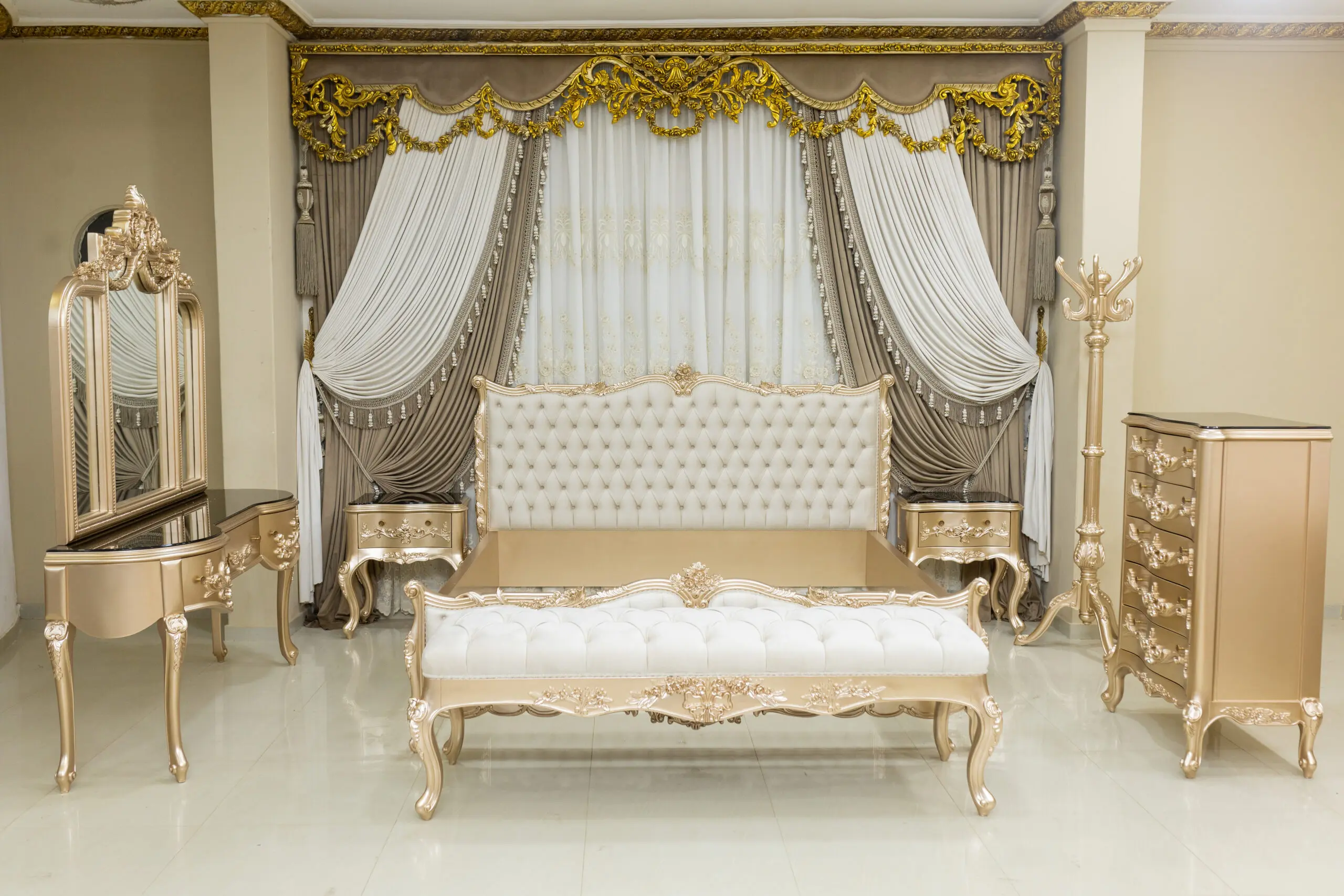
In today’s luxury interior design landscape, furniture is no longer evaluated only by appearance—it is assessed through craftsmanship, material integrity, longevity, and the story behind its creation. The distinction between handmade and mass-produced furniture has become increasingly important for homeowners, designers, and architects who prioritize long-term value over short-term convenience. While both categories exist within the same market, they represent fundamentally different philosophies of production.
Handmade furniture is rooted in craftsmanship, where skilled artisans shape, join, and finish each piece with precision and intention. Every detail—from the selection of solid hardwood to the final hand-applied finish—reflects a human-centered process. In contrast, mass-produced furniture is driven by industrial efficiency, relying on assembly lines, standardized components, and machine-driven repetition to achieve scale and affordability.
For luxury homeowners in the U.S., this difference is not merely technical—it directly impacts durability, aesthetic authenticity, and investment value. A handcrafted piece often becomes part of a home’s architectural identity, while mass-produced furniture tends to serve a more temporary or transitional function.
Brands like Mobilia Cleopatra operate within this elevated space of design, where custom craftsmanship and curated materials define the final outcome. Understanding this distinction is essential for anyone building a refined interior that balances beauty with permanence.
What Defines Handmade Furniture in the Luxury Market
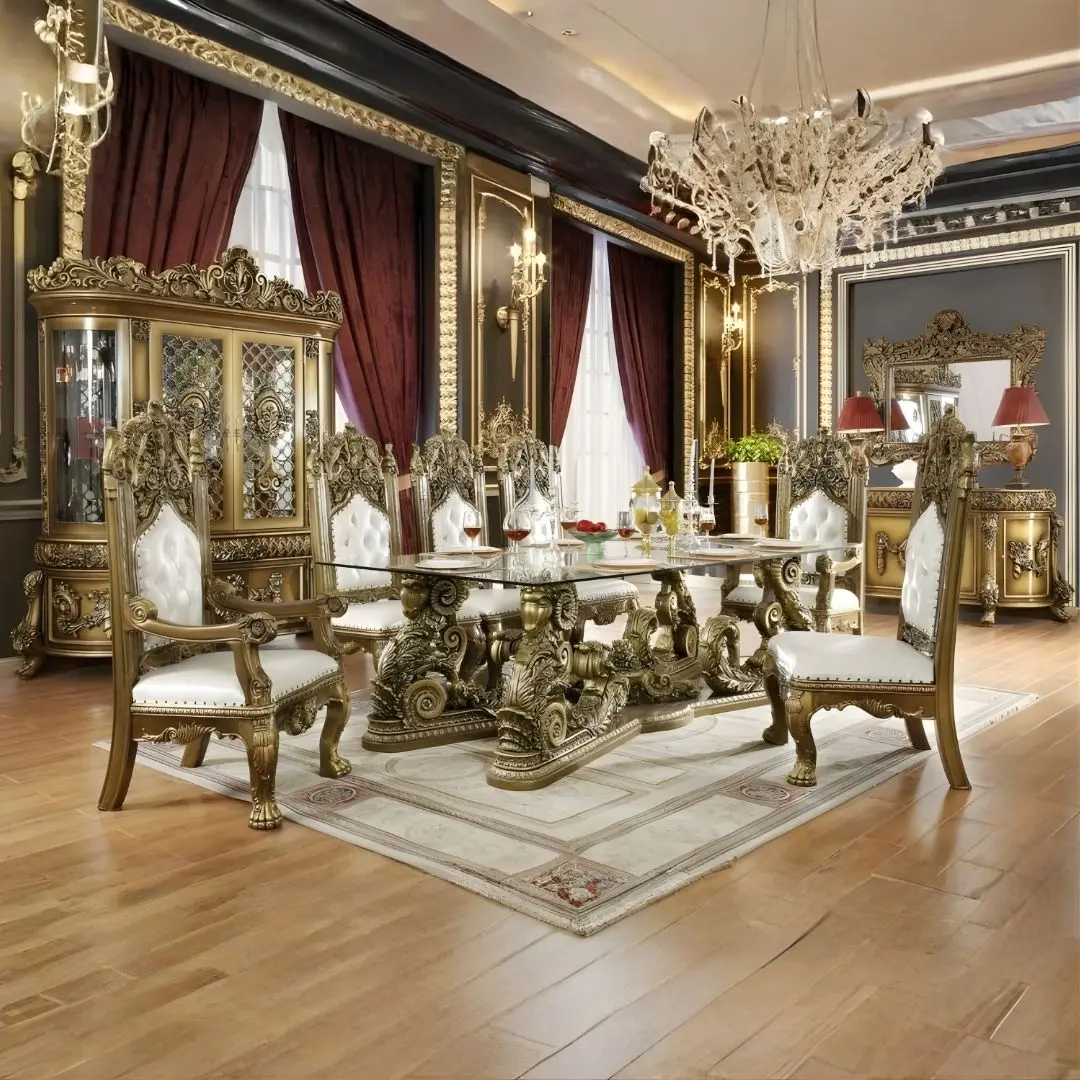
Handmade furniture in the luxury sector is defined by intentional craftsmanship, material selection, and a production process that prioritizes precision over speed. Unlike factory-based systems, handmade furniture is created through skilled labor, where each piece is shaped, assembled, and finished by artisans with deep technical expertise.
At its core, handmade furniture craftsmanship is about control and sensitivity to materials. Solid hardwoods such as walnut, oak, and mahogany are carefully selected based on grain structure, stability, and aesthetic character. Rather than being mass-cut into identical forms, these materials are individually evaluated and shaped to enhance their natural beauty. This approach results in furniture that feels more organic, substantial, and enduring.
Artisan workshops play a central role in this ecosystem. These environments are typically small-batch studios or custom fabrication spaces where craftsmen work closely with designers and clients. Instead of producing thousands of identical units, they focus on bespoke or limited-production pieces tailored to specific interior design requirements. This allows for a higher degree of personalization, from proportions and finishes to joinery details and upholstery selection.
In the U.S. luxury furniture market, this process is often aligned with custom design studios and high-end interior design firms. The result is furniture that does not merely fill a space but defines it. Within this framework, Mobilia Cleopatra represents a design philosophy centered on handcrafted precision and curated customization, aligning furniture with architectural intent rather than mass-market trends.
Handmade vs Mass-Produced Furniture
How Mass-Produced Furniture Is Manufactured at Scale
Mass-produced furniture is built around efficiency, repeatability, and cost optimization. Unlike handmade processes, it relies heavily on industrial systems designed to produce large volumes of standardized products in a short time. This approach has made furniture more accessible, but it also introduces limitations in terms of uniqueness, material depth, and long-term durability.
Industrial assembly line manufacturing is the foundation of this system. Furniture components are broken down into modular parts that are cut, shaped, and assembled in sequential stages. Each stage is optimized for speed rather than individual craftsmanship. Workers or automated systems perform specialized tasks repeatedly, ensuring uniformity across thousands of identical units.
CNC machining plays a significant role in modern production. Computer-controlled cutting tools allow manufacturers to replicate designs with extreme precision, reducing waste and increasing output. While this technology improves consistency, it often prioritizes engineered materials such as MDF and plywood over solid hardwood due to cost and availability.
Standardization is the defining characteristic of mass production. Dimensions, finishes, and materials are pre-selected to fit a broad consumer market, leaving little room for customization. Veneers are commonly used to simulate the appearance of natural wood, while internal structures rely on composite boards designed for affordability rather than longevity.
In luxury comparisons, mass-produced furniture serves a different purpose: it provides functional, trend-driven solutions rather than heirloom-quality pieces. While it may suit temporary or budget-conscious interiors, it rarely delivers the depth of craftsmanship found in artisan furniture ecosystems.
Material Differences: Solid Hardwood vs Engineered Components
One of the most defining differences between handmade and mass-produced furniture lies in material selection. In luxury interiors, materials are not just structural—they are experiential, influencing texture, durability, and long-term value.
Handmade furniture typically relies on solid hardwood construction, including oak, walnut, and mahogany. These materials are chosen for their density, natural grain variation, and longevity. Solid wood responds well to refinishing and aging, allowing pieces to evolve beautifully over time. In high-end furniture design, this aging process is often considered part of the aesthetic value, contributing to the concept of heirloom-quality furniture.
By contrast, mass-produced furniture frequently uses engineered materials such as veneer, MDF (medium-density fiberboard), and plywood. Veneers are thin layers of natural wood applied over composite cores to mimic the appearance of solid wood. While visually appealing at first glance, they lack the structural depth and refinishing potential of solid hardwood.
Plywood offers more stability than MDF and is often used in mid-range furniture, but it still does not match the durability or tactile richness of full hardwood construction. MDF, while cost-effective and smooth for finishing, is particularly vulnerable to moisture and long-term wear.
In luxury furniture sourcing, these material differences significantly influence both performance and perception. Designers working with premium interiors often prioritize solid wood not only for durability but also for authenticity. The material becomes part of the narrative of the space, reinforcing a sense of permanence and craftsmanship that engineered alternatives struggle to replicate.
Craftsmanship Differences That Define Quality
Craftsmanship is where the divide between handmade and mass-produced furniture becomes most visible. It is not only about skill, but about philosophy—whether a piece is built for efficiency or excellence.
Traditional joinery techniques such as mortise and tenon or dovetail construction are hallmarks of handmade furniture. These methods rely on precise cutting and fitting of wood components without excessive reliance on mechanical fasteners or adhesives. The result is a stronger, more stable structure that can last for decades or even generations.
Upholstery construction also differs significantly. In handcrafted furniture, cushioning, frame support, and fabric application are carefully layered and adjusted to achieve both comfort and longevity. Materials such as high-density foam, top-grain leather, and natural textiles like linen or velvet are tailored to the frame rather than mass-stretched over standardized molds.
Hand finishing is another defining characteristic. Instead of automated coating systems, artisans apply stains, oils, and protective finishes manually, allowing for nuanced control over texture and tone. This process enhances the natural grain of materials like walnut or white oak, creating depth that machine finishes often lack.
Mass-produced furniture, on the other hand, relies heavily on mechanical assembly and uniform finishing processes. While efficient, these methods can limit individuality and reduce tactile richness. In luxury interiors, this difference becomes immediately noticeable in both visual detail and physical experience.
Durability and Longevity: Which Furniture Lasts Longer?
Durability is one of the most important considerations in luxury furniture investment. Handmade furniture is generally designed with longevity in mind, often categorized as heirloom-quality pieces intended to last decades or even generations.
Heirloom-quality furniture benefits from solid hardwood construction, reinforced joinery, and meticulous craftsmanship. Because it is built and finished by skilled artisans, it can be repaired, refinished, and restored over time. This adaptability significantly extends its lifecycle, making it a sustainable long-term investment in luxury interiors.
Mass-produced furniture, while accessible and visually appealing at first, typically has a shorter lifespan. Engineered materials such as MDF and veneer are more susceptible to wear, moisture damage, and structural weakening. Once damaged, these materials are often difficult or impossible to restore effectively, leading to replacement rather than repair.
In high-end residential environments, this difference is particularly important. Furniture is not only functional but also part of the architectural composition of the home. Pieces that degrade quickly can disrupt design continuity and increase long-term replacement costs.
For homeowners seeking permanence and design integrity, handmade furniture offers a clear advantage. It aligns with the principles of luxury living, where quality is measured not just in appearance, but in endurance and adaptability over time.
Cost Comparison: Why Handmade Furniture Costs More
The price difference between handmade and mass-produced furniture is often a reflection of process, not just material. Handmade furniture involves significantly higher labor costs due to the time-intensive nature of craftsmanship. Each piece requires skilled artisans who specialize in woodworking, joinery, upholstery, and finishing.
Labor, skill, and time investment are the primary cost drivers. A single handcrafted item may take days or even weeks to complete, depending on complexity. This contrasts sharply with mass production, where efficiency and automation reduce production time per unit dramatically.
Material selection also contributes to cost differences. Handmade furniture often uses premium-grade solid hardwoods, natural fabrics, and high-quality metals such as brass or stainless steel. These materials are not only more expensive but also selected for performance and longevity rather than cost efficiency.
Artisanal processes further elevate value. Techniques such as hand carving, custom staining, and precision joinery require years of training and experience. This expertise cannot be replicated at scale, making it inherently more valuable in the luxury market.
While mass-produced furniture offers lower upfront costs, handmade furniture is often considered a long-term investment. Its durability, repairability, and timeless design contribute to sustained value over time, particularly in luxury residential settings.
Sustainability and Environmental Impact in Furniture Production
Sustainability has become a defining factor in modern luxury furniture decisions. Handmade furniture often aligns more closely with sustainable furniture production models due to its emphasis on responsible sourcing, small-batch production, and reduced waste.
Artisan workshops typically select materials more carefully, using kiln-dried hardwoods and responsibly harvested timber. This reduces environmental strain and ensures higher material efficiency. Eco-friendly furniture finishes, such as low-VOC stains and natural oils, are also more commonly used in handcrafted production environments.
Mass production, while efficient, can generate higher material waste due to large-scale cutting, standardized sizing, and disposable design cycles. However, some manufacturers have begun incorporating recycled materials and more sustainable practices to address these concerns.
From a luxury perspective, sustainability is not just environmental—it is also about longevity. Furniture that lasts longer reduces the need for replacement, lowering overall consumption over time. In this sense, handcrafted furniture often aligns more closely with sustainable living principles, especially in high-end interiors where durability and design longevity are prioritized.
Handmade vs Mass-Produced Furniture
Design Flexibility: Custom vs Standardized Furniture
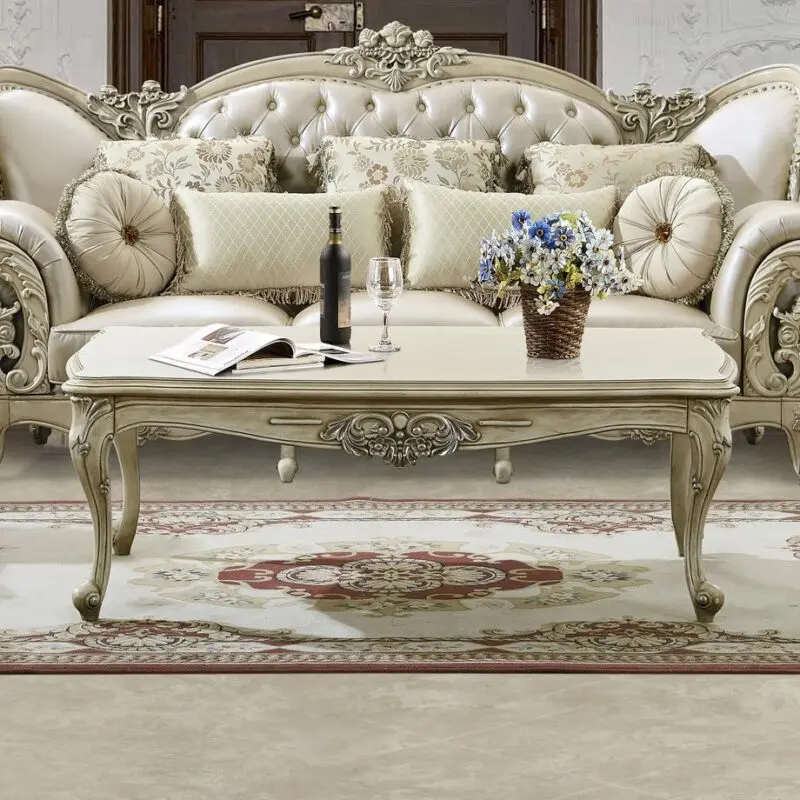
Design flexibility is one of the most significant advantages of handmade furniture. Custom furniture allows homeowners and designers to tailor every aspect of a piece, from dimensions and proportions to materials, finishes, and detailing.
This level of customization is essential in luxury interiors, where spatial harmony and architectural integration are key. Bespoke furniture can be designed to fit irregular spaces, match specific color palettes, or complement existing design themes such as Modern Luxury or Classic European Luxury.
Mass-produced furniture, by contrast, is standardized. While it may offer a variety of styles, its dimensions and configurations are fixed. This limits its adaptability in highly curated interiors where precision is essential.
Custom furniture design also enables collaboration between designers and craftsmen, ensuring that each piece aligns with the overall vision of the space. This is particularly valuable in high-end residential projects where furniture is treated as an extension of architecture rather than standalone objects.
Read more: the complete buyer’s guide to handmade bedroom sets
Interior Design Perspective: When Designers Choose Handmade Furniture
In luxury interior design, the choice between handmade and mass-produced furniture is often strategic. Designers select handmade pieces when they want to introduce authenticity, craftsmanship, and uniqueness into a space.
Luxury interior design furniture sourcing trends increasingly favor bespoke and artisan-made pieces, particularly in high-value residential projects. These items serve as focal points within a room, contributing both visual and emotional depth.
In bespoke furniture applications, designers often collaborate directly with workshops to develop custom solutions that align with architectural plans. This includes built-in millwork, statement seating, and tailored dining pieces that cannot be sourced from standard catalogs.
Handmade furniture is especially prevalent in luxury homes where personalization and exclusivity are essential. It allows designers to create interiors that feel curated rather than assembled, reinforcing the identity of the space.
How to Identify High-Quality Handmade Furniture
Identifying authentic handmade furniture requires attention to detail. Construction quality is often the most reliable indicator. Solid joinery, precise alignment, and weight consistency are signs of skilled craftsmanship.
Material inspection is equally important. Solid hardwood should display natural grain variation, while engineered materials often appear uniform or overly smooth. The presence of traditional joinery techniques such as dovetail joints or mortise and tenon connections further indicates handcrafted construction.
Craftsmanship indicators in luxury pieces also include hand-applied finishes, subtle imperfections that reflect human work, and attention to internal structure—not just visible surfaces. High-quality handmade furniture often feels substantial, balanced, and intentionally constructed.
Handmade vs Mass-Produced Furniture: Pros and Cons Summary
Handmade furniture offers unmatched craftsmanship, durability, customization, and material integrity, making it ideal for luxury interiors and long-term investment. However, it requires higher upfront cost and longer production timelines.
Mass-produced furniture provides affordability, accessibility, and fast availability. It is suitable for temporary, budget-conscious, or rapidly changing design needs, but often lacks longevity and individuality.
Ultimately, the decision depends on priorities: permanence and craftsmanship versus convenience and cost efficiency.
Why Luxury Homeowners Invest in Custom Handmade Furniture
Luxury homeowners increasingly view furniture as an investment in lifestyle, not just décor. Custom handmade furniture offers a level of personalization, durability, and exclusivity that aligns with high-end residential expectations.
It allows for complete control over design, ensuring harmony with architectural elements and interior themes. More importantly, it creates spaces that feel unique—reflecting personal taste rather than mass-market trends.
In this context, handmade furniture becomes part of a home’s identity, contributing to both aesthetic and financial value over time.
Where Mobilia Cleopatra Fits in the Luxury Furniture Landscape
Within the evolving landscape of U.S. luxury furniture, Mobilia Cleopatra represents a commitment to handcrafted precision, custom design, and material excellence. The brand operates within the intersection of artisan craftsmanship and contemporary interior design, offering furniture solutions tailored to high-end residential environments.
By focusing on solid hardwood construction, refined upholstery techniques, and bespoke design development, Mobilia Cleopatra aligns with the expectations of designers and homeowners who prioritize authenticity and longevity. Rather than mass production, the emphasis is placed on curated creation—where each piece is designed to integrate seamlessly into sophisticated interiors.
This positioning reflects a broader shift in luxury design: away from disposable furniture cycles and toward enduring, meaningful craftsmanship.
Frequently Asked Questions (FAQs)
1. What is the difference between handmade and mass-produced furniture?
Handmade furniture is crafted by skilled artisans using traditional techniques and solid materials, while mass-produced furniture is manufactured in factories using standardized processes and engineered components. The key difference lies in craftsmanship depth, customization, and durability.
2. Is handmade furniture worth the investment for luxury homes?
Yes, especially in luxury interiors where longevity, design integrity, and exclusivity matter. Handmade furniture often lasts significantly longer and can be refinished or restored, making it a long-term investment rather than a short-term purchase.
3. Why is handmade furniture more expensive than factory-made furniture?
It requires skilled labor, premium materials, and significantly more production time. Each piece is individually crafted, often involving traditional joinery, hand finishing, and custom design work.
4. How can you tell if furniture is truly handcrafted?
Look for solid hardwood construction, visible joinery techniques, natural material variation, and hand-applied finishes. Authentic handmade furniture also tends to feel heavier and more structurally substantial.
5. Does handmade furniture last longer than mass-produced furniture?
In most cases, yes. Solid materials and traditional construction methods allow handmade furniture to withstand decades of use, while mass-produced furniture often has a shorter functional lifespan.
6. What materials are best for high-end handmade furniture?
Solid hardwoods like walnut, oak, and mahogany are preferred, along with top-grain leather, linen, velvet, brass, and natural stone accents for luxury applications.
7. Is mass-produced furniture ever considered high quality?
Some premium manufacturers produce well-designed mass furniture, but it still typically lacks the customization, material depth, and longevity of handcrafted pieces.
8. What joinery techniques are used in handmade furniture?
Common techniques include mortise and tenon, dovetail joints, wood turning, and precision cabinetmaking methods that enhance strength and durability.
9. How does custom furniture design work in luxury interiors?
Designers collaborate with craftsmen to create tailored pieces based on space requirements, materials, and aesthetic direction, ensuring perfect integration into the interior environment.
10. What are the disadvantages of mass-produced furniture?
Limited durability, lack of customization, reliance on engineered materials, and shorter lifespan compared to handcrafted alternatives.
11. Which is better for sustainability: handmade or mass-produced furniture?
Handmade furniture is often more sustainable due to responsible sourcing, durable construction, and longer lifespan, reducing the need for frequent replacement.
12. Can interior designers mix handmade and factory-made furniture?
Yes. Many designers combine both to balance budget, functionality, and aesthetics, though handmade pieces are typically used as focal or anchor elements in luxury spaces.
Handmade vs Mass-Produced Furniture
Conclusion
The distinction between handmade and mass-produced furniture is ultimately a reflection of values—craftsmanship versus convenience, longevity versus immediacy, and individuality versus standardization. In luxury interiors, these differences become even more pronounced, influencing not only the visual identity of a space but also its long-term performance and emotional resonance.
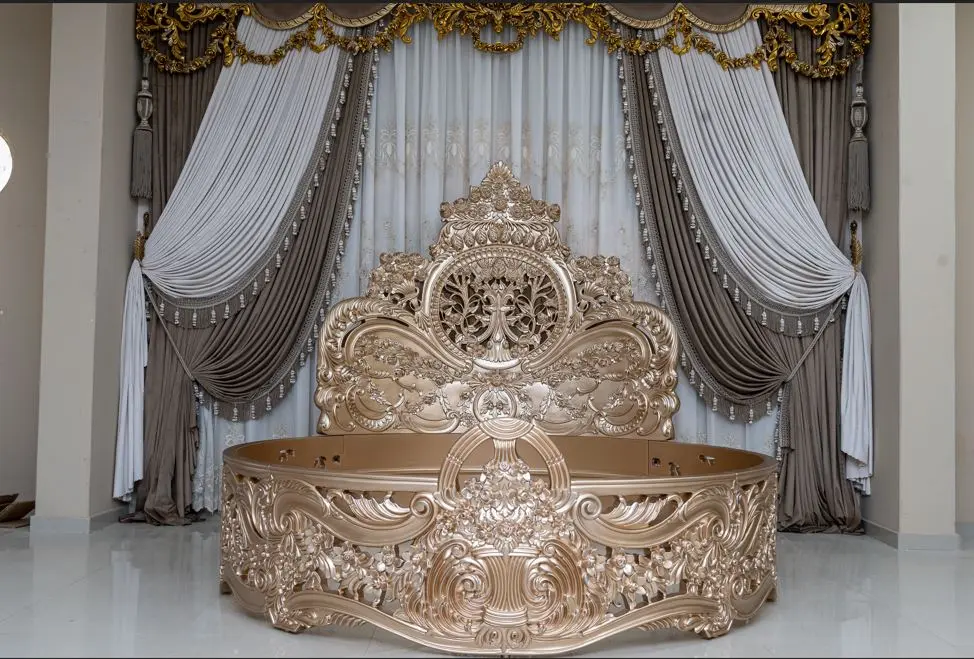
Handmade furniture represents a commitment to artistry. Each piece carries the imprint of human skill, from carefully selected solid hardwoods to meticulously executed joinery and hand-finished surfaces. These elements combine to create furniture that is not only functional but also deeply expressive. It becomes part of the home’s architectural narrative, evolving gracefully over time.
Mass-produced furniture, while valuable in its own context, serves a different purpose. It offers accessibility and speed, making design more attainable for a broader audience. However, its reliance on engineered materials and standardized processes often limits its durability and uniqueness.
For luxury homeowners and designers, the decision is rarely about appearance alone. It is about investing in permanence, authenticity, and design integrity. Custom handmade furniture offers a pathway to interiors that feel intentional and enduring—spaces that are not simply furnished, but thoughtfully composed.
Within this landscape, Mobilia Cleopatra aligns with a design philosophy centered on craftsmanship and customization. By emphasizing artisanal techniques, premium materials, and bespoke development, it contributes to a broader movement in luxury interiors: a return to furniture that is made with purpose, precision, and lasting value.
