Free shipping · 0% for 6 months · White-glove available


High-End Furniture vs Regular Furniture: What Defines True Luxury Quality?


Furnishing a home is no longer only about filling a space with functional pieces. In today’s luxury interior design market, furniture reflects lifestyle, personal taste, architectural identity, and long-term value. For many homeowners across the United States, the decision between high-end furniture and regular furniture goes far beyond price tags. It becomes a question of craftsmanship, durability, comfort, customization, and the overall living experience.
At first glance, many furniture pieces may appear similar online or inside a showroom. A sofa upholstered in velvet or a dining table finished in walnut wood can look luxurious in photographs, yet the true distinction often lies beneath the surface. Construction methods, frame integrity, upholstery tailoring, and artisan craftsmanship ultimately determine whether a piece becomes a lasting investment or a temporary purchase.
This is why the conversation around luxury furniture versus mass-produced furniture continues to grow among homeowners, interior designers, and architects alike. Buyers are increasingly seeking heirloom-quality furniture that combines premium materials with timeless design aesthetics. They want pieces that not only elevate a room visually but also maintain structural performance for years.
Brands specializing in handcrafted and custom-made furniture, such as Mobilia Cleopatra, represent a growing shift toward personalized luxury interiors. Rather than relying on disposable furniture trends, discerning homeowners are prioritizing bespoke craftsmanship, solid wood construction, and carefully curated design collections that reflect individuality and permanence.
Understanding the difference between high-end furniture and regular furniture requires looking beyond marketing language. It involves examining the materials, the manufacturing process, the attention to detail, and the long-term value each piece delivers inside a luxury home environment.
What Is Considered High-End Furniture?
High-end furniture is defined by a combination of craftsmanship, premium materials, thoughtful engineering, and timeless design. In the U.S. luxury furniture market, true luxury extends beyond visual appearance. A high-end piece is expected to deliver structural durability, refined detailing, comfort, and long-term aesthetic relevance.
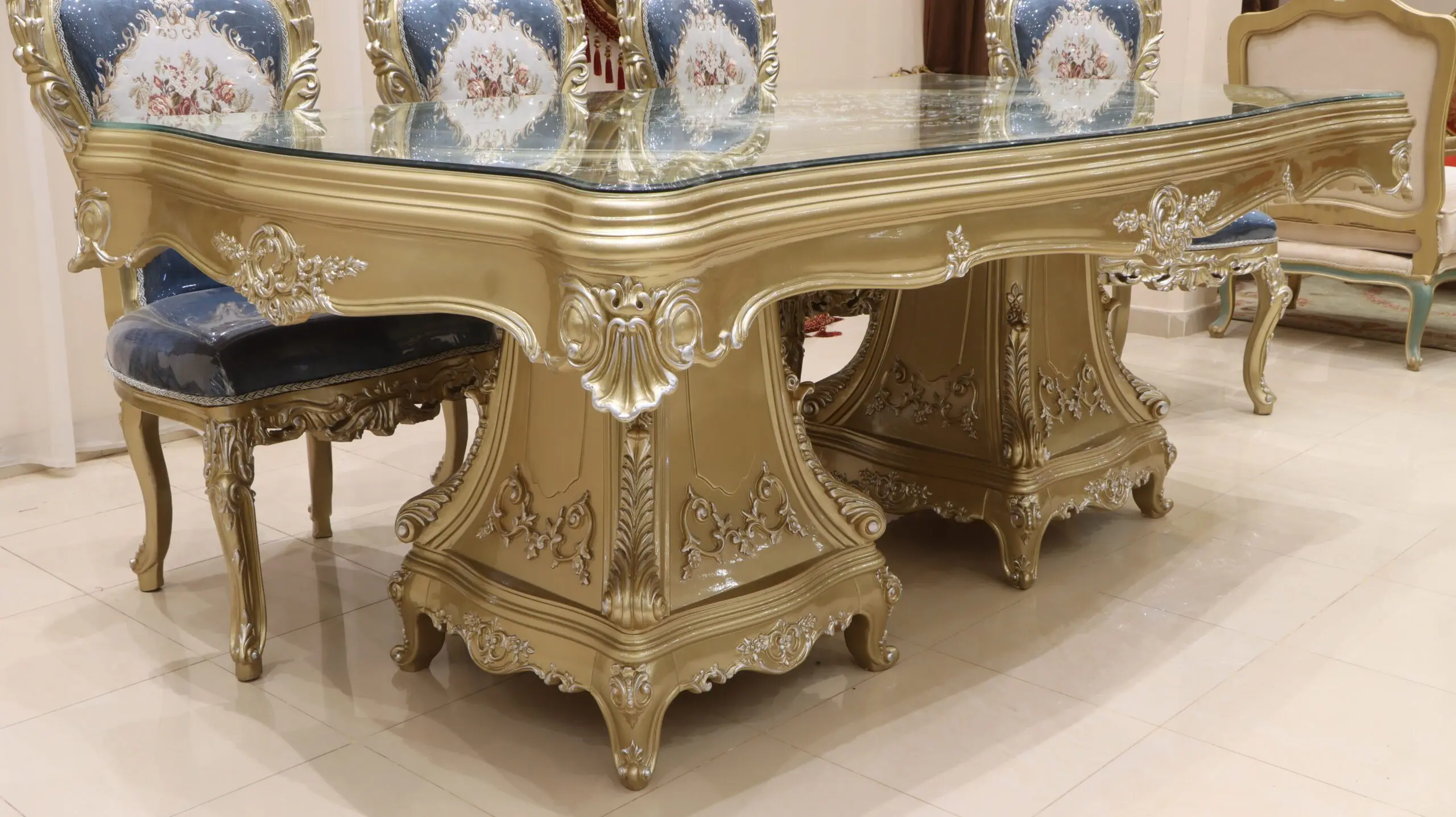
High-End Furniture vs Regular Furniture
Defining Luxury Furniture in the U.S. Market
Luxury furniture in the American market typically emphasizes handcrafted production, custom capabilities, and superior material selection. Unlike mass-market furniture manufactured at scale, high-end furniture is often bench-made by artisans who focus on precision construction and detailed finishing techniques.
Premium collections frequently incorporate kiln-dried hardwood frames, Italian leather upholstery, marble surfaces, brass accents, and hand-applied finishes. These materials are selected not only for appearance but also for longevity and performance. Luxury homeowners increasingly value furniture that integrates seamlessly into sophisticated interiors while maintaining exclusivity and customization options.
Luxury vs Premium vs Mass-Produced Furniture
The terms luxury and premium are often used interchangeably, but there is a meaningful distinction. Premium furniture may offer better materials or elevated aesthetics compared to standard retail furniture, yet it can still rely heavily on industrial production methods.
Luxury furniture, by contrast, prioritizes craftsmanship and individuality. It is designed with longevity in mind and often includes custom upholstery, tailored dimensions, artisan detailing, and personalized finishes. Mass-produced furniture focuses primarily on scalability, lower manufacturing costs, and rapid production timelines, which can compromise durability and design uniqueness.
What Separates True Craftsmanship From Marketing
One of the biggest challenges for modern consumers is distinguishing authentic luxury furniture from products marketed as luxury. Genuine craftsmanship reveals itself in construction details that are not immediately visible. Mortise and tenon joinery, sculpted wood detailing, precision upholstery, and hand polishing all contribute to the integrity of a piece.
Luxury furniture also tends to feel more substantial physically. Drawers glide smoothly, seating retains support over time, and upholstery remains tailored rather than loosening after minimal use. These characteristics reflect thoughtful construction rather than surface-level styling.
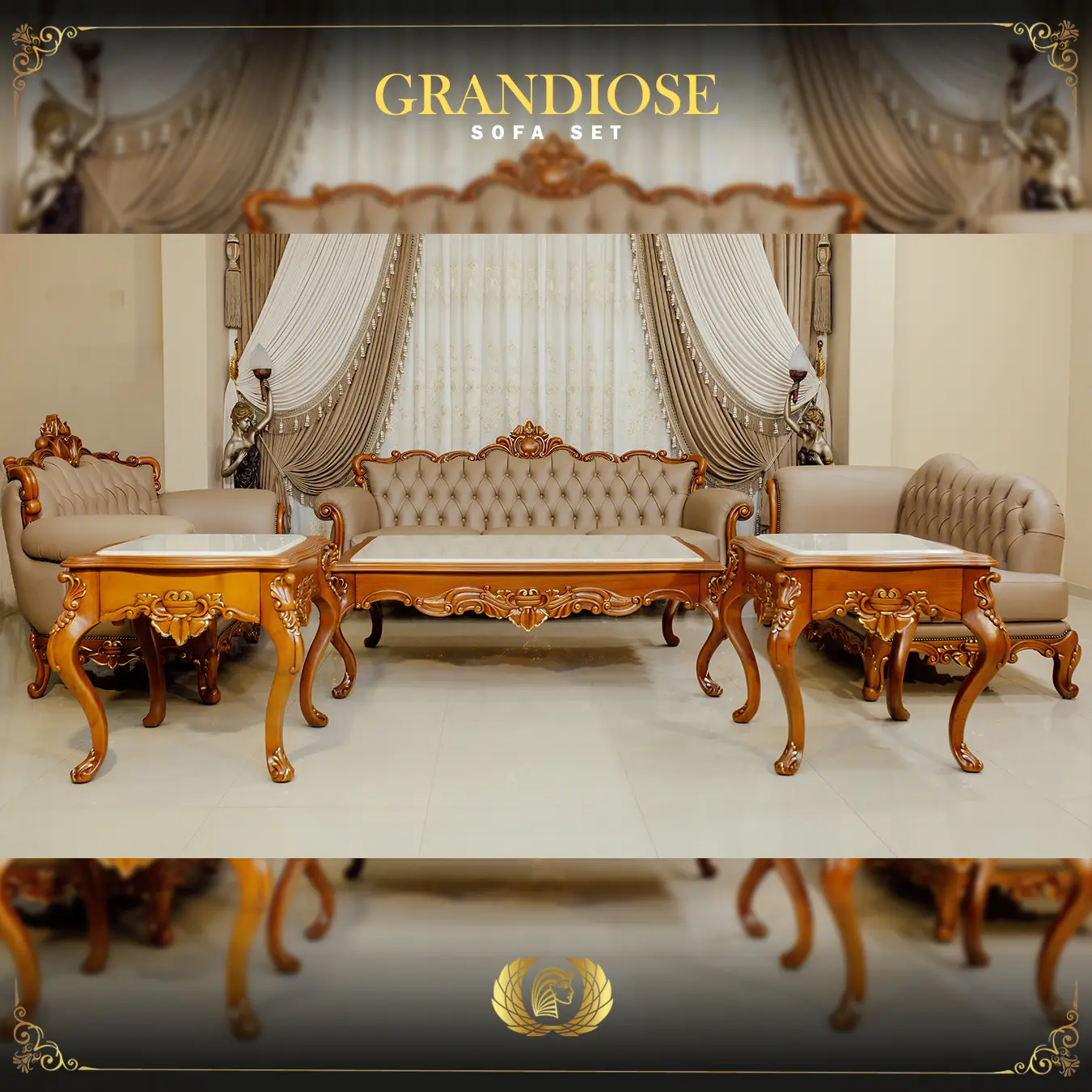
High-End Furniture vs Regular Furniture
The Main Difference Between High-End and Regular Furniture
The core difference between high-end furniture and regular furniture lies in quality at every stage of production. From frame construction to upholstery engineering, luxury furniture is designed for long-term ownership rather than short-term convenience.
Construction Quality
Luxury furniture manufacturers invest heavily in structural integrity. Solid hardwood frames made from oak, walnut, maple, or mahogany provide stability that engineered wood or particleboard simply cannot replicate. Cabinet-grade construction techniques improve strength and reduce warping over time.
Regular furniture often relies on staples, adhesives, or lower-grade materials that deteriorate under repeated use. High-end furniture, however, typically incorporates reinforced joints, hand-assembled frames, and durable suspension systems designed for everyday comfort.
Material Selection
Premium material selection is another defining difference. Luxury furniture brands prioritize natural materials because they age gracefully and maintain visual appeal. Genuine leather develops character over time, while kiln-dried hardwood resists moisture-related movement and cracking.
By comparison, regular furniture frequently uses synthetic upholstery, laminate surfaces, and composite wood products that may show wear more quickly. While these alternatives reduce upfront costs, they often limit long-term durability and refinishing potential.
Comfort and Structural Support
Comfort in luxury furniture is engineered rather than improvised. Cushion density, seating depth, ergonomic support, and upholstery tailoring are carefully balanced to create a refined seating experience.
High-density foam construction and premium seating support systems help luxury sofas and chairs maintain shape and comfort for years. In contrast, lower-quality furniture often loses resilience rapidly, leading to sagging cushions and inconsistent support.
Longevity and Performance
Luxury furniture is built to endure both stylistically and structurally. Rather than following temporary trends, high-end collections favor timeless silhouettes and versatile finishes. This contributes to furniture longevity and reduces the need for frequent replacement.
For many homeowners, investing in luxury furniture becomes financially practical over time because durable craftsmanship lowers replacement costs and preserves value.
Luxury Furniture Materials vs Standard Furniture Materials
The materials used in furniture production significantly impact durability, aesthetics, and performance. In luxury interiors, material selection is considered an essential component of design quality.
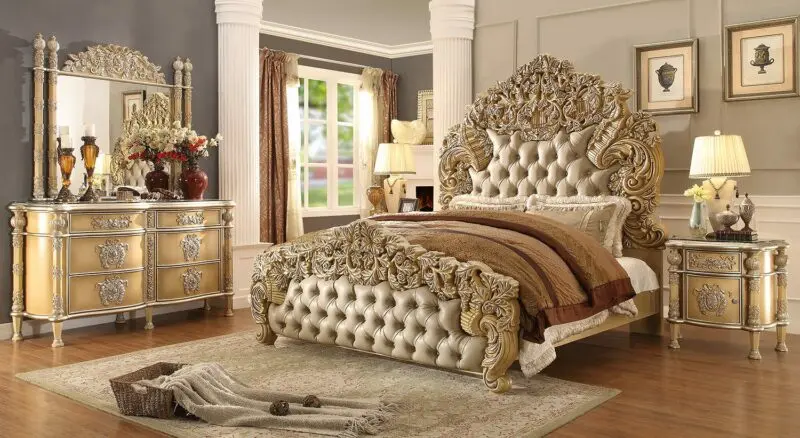
High-End Furniture vs Regular Furniture
Kiln-Dried Hardwood vs Engineered Wood
Kiln-dried hardwood remains one of the most respected materials in luxury furniture construction. Woods such as walnut, oak, maple, and beech are carefully dried to reduce moisture content, minimizing the risk of warping or cracking.
Engineered wood and particleboard, commonly used in regular furniture, are more affordable but less resilient over time. They may weaken under weight or environmental fluctuations, particularly in humid conditions.
Italian Leather vs Synthetic Upholstery
Luxury upholstery materials contribute significantly to comfort and sophistication. Italian leather is valued for its texture, durability, and ability to age beautifully. Velvet upholstery and premium linen fabrics also provide depth and elegance in luxury interiors.
Synthetic upholstery materials can imitate these finishes visually, yet they often lack breathability, softness, and longevity. Over time, lower-grade fabrics may fade, peel, or lose structural integrity.
Marble, Brass, and Premium Finishes
Luxury furniture frequently incorporates natural stone surfaces, tempered glass, stainless steel, and brass detailing. These materials add visual richness while enhancing durability and tactile quality.
Hand-applied finishes also play a critical role. Unlike factory-applied coatings, artisan finishing techniques create depth, texture, and individuality that elevate the overall character of a piece.
Why Natural Materials Matter in Luxury Furniture
Natural materials contribute to authenticity and long-term beauty. They age gradually rather than deteriorating abruptly, allowing furniture to retain elegance over decades of use. This characteristic is especially important in heirloom-quality furniture designed to remain relevant across generations.
Handcrafted Furniture vs Mass-Produced Furniture
The difference between handcrafted furniture and mass-produced furniture is rooted in process, attention to detail, and individuality.
Artisan Craftsmanship Techniques
Handcrafted luxury furniture involves skilled artisans working with precision tools and traditional woodworking methods. Each piece receives individualized attention, resulting in superior finishing and structural quality.
Artisan workshops often focus on customization, allowing homeowners to select dimensions, finishes, upholstery materials, and detailing that complement their interior architecture.
Mortise and Tenon Joinery
Mortise and tenon joints are considered one of the strongest woodworking techniques in fine furniture construction. Unlike stapled or glued frames, these interlocking joints improve durability and stability over time.
This type of joinery is commonly associated with heirloom furniture because it withstands decades of regular use without compromising structural integrity.
Hand Carving and Wood Inlay
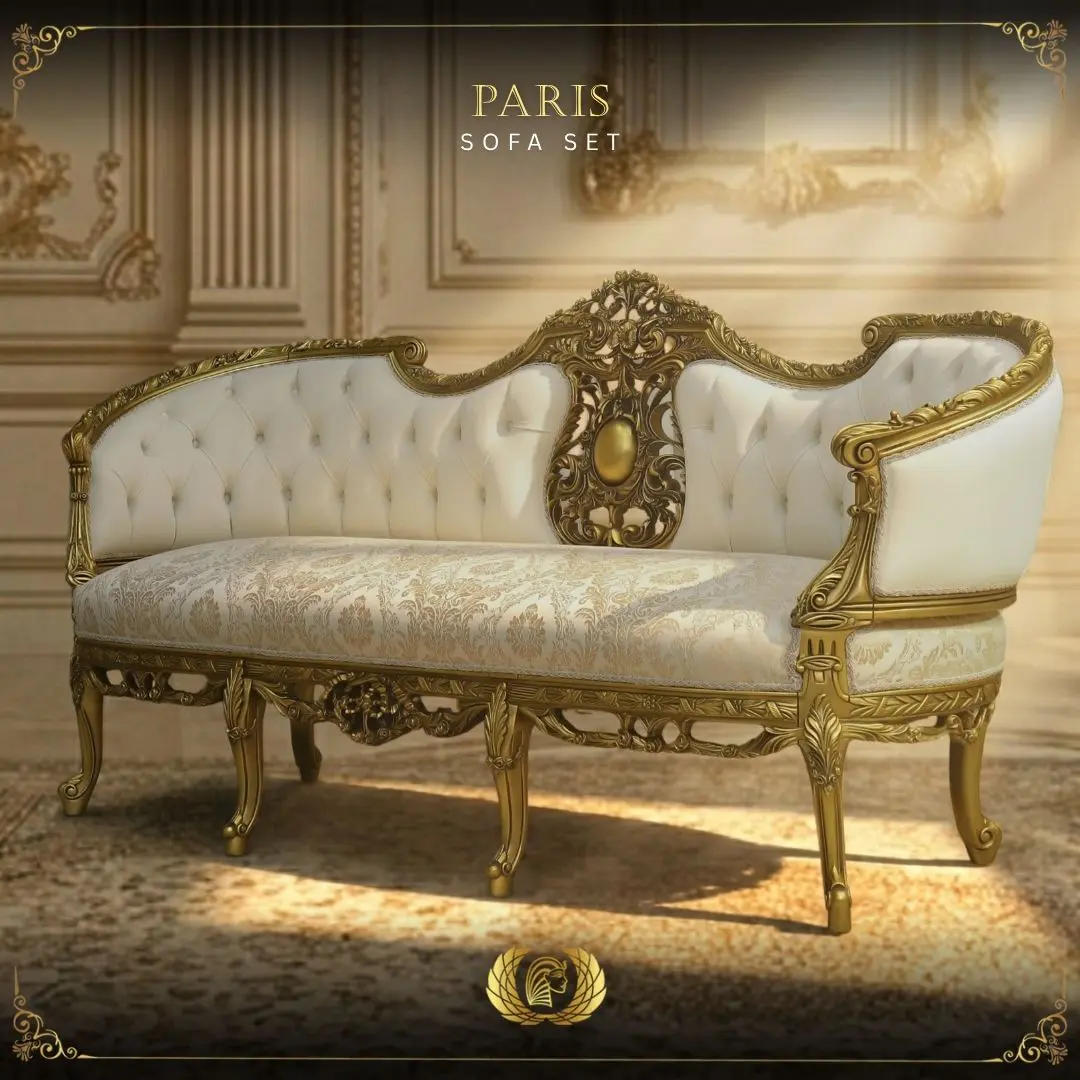
Decorative craftsmanship distinguishes luxury furniture visually. Hand carving, wood inlay, sculpted detailing, and veneer matching require advanced skill and patience.
These elements add character and uniqueness to each piece, reinforcing the artistic value of handcrafted furniture.
Precision Upholstery and Tailoring
Tailored upholstery is another hallmark of luxury craftsmanship. Pattern alignment, stitching consistency, tufting precision, and cushion engineering all contribute to a refined appearance.
Mass-produced furniture often prioritizes efficiency over detail, which can result in uneven seams, loose upholstery, or inconsistent proportions.
Furniture Durability and Long-Term Value
Durability remains one of the strongest arguments in favor of high-end furniture.
Structural Integrity and Frame Construction
Luxury furniture frames are designed to withstand years of use without loosening or weakening. Reinforced corners, kiln-dried hardwood, and cabinet-grade construction contribute to structural performance.
Cushion Retention and Comfort Engineering
Premium comfort engineering ensures cushions maintain resilience and support. Luxury manufacturers carefully balance foam density and upholstery layering to preserve comfort over time.
Heirloom-Quality Furniture Explained
Heirloom-quality furniture refers to pieces built to last for generations. These pieces combine timeless aesthetics with superior craftsmanship, allowing them to remain functional and visually relevant over decades.
Cost Per Year of Ownership
Although luxury furniture requires a higher initial investment, its long-term cost can be lower than repeatedly replacing inexpensive furniture. A well-crafted sofa lasting twenty years may ultimately provide better value than multiple lower-quality replacements.
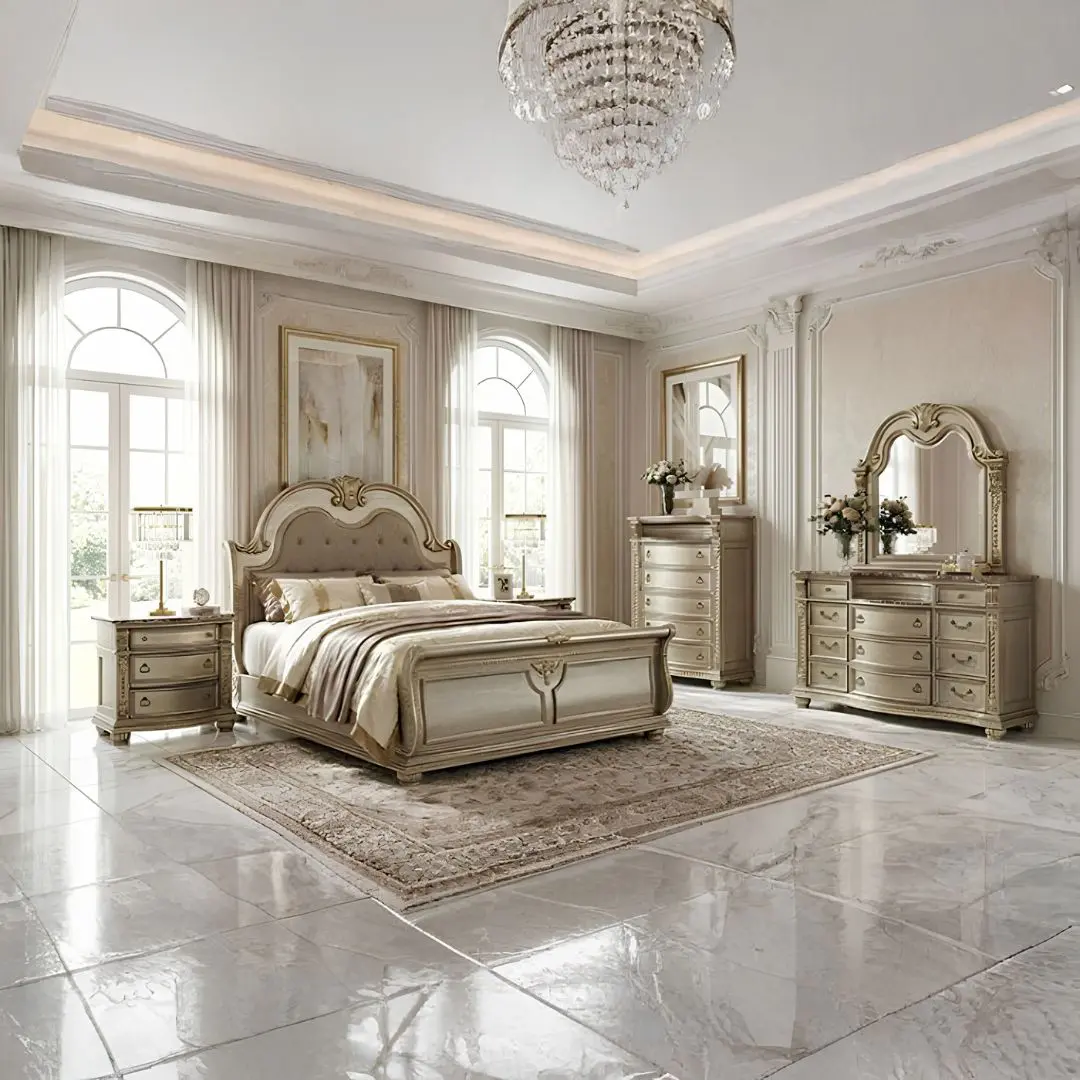
High-End Furniture vs Regular Furniture
Why High-End Furniture Feels More Comfortable
Comfort is one of the most noticeable differences between luxury furniture and standard furniture.
Premium Seating Support
Luxury seating systems are engineered for ergonomic balance and pressure distribution. This creates a more supportive and enjoyable seating experience during long-term use.
High-Density Foam Construction
High-density foam maintains shape and resilience far longer than lower-density alternatives commonly found in mass-market furniture.
Upholstery Tailoring and Ergonomics
Tailored upholstery improves both aesthetics and comfort. Carefully measured proportions, premium fabrics, and ergonomic construction contribute to a sophisticated seating experience that feels intentional rather than generic.
Interior Design Impact of Luxury Furniture
Furniture influences the visual identity of a home as much as architecture or lighting.
Modern Luxury Interiors
Modern luxury interiors emphasize clean lines, refined materials, and balanced proportions. High-end furniture supports this aesthetic through precision detailing and elegant finishes.
Contemporary Classic and Transitional Spaces
Contemporary classic interiors blend timeless design with modern functionality. Transitional furniture collections work particularly well in American luxury homes seeking warmth and sophistication without excessive ornamentation.
French Classic and Neoclassical Influence
French classic furniture and neoclassical design continue to influence luxury interiors through sculpted wood detailing, hand carving, and elegant symmetry.
Creating Cohesive Luxury Living Spaces
Luxury furniture contributes to cohesive design by aligning materials, scale, textures, and finishes throughout a home. Custom furniture allows homeowners to create interiors that feel intentional and personalized.
Custom Furniture vs Ready-Made Furniture
Customization is increasingly valued in luxury interior design.
Benefits of Bespoke Furniture
Bespoke furniture allows homeowners to tailor dimensions, materials, finishes, and upholstery selections according to their architectural environment and lifestyle.
Personalized Dimensions and Finishes
Custom sizing is especially important in luxury homes with unique layouts or open-concept spaces. Personalized finishes also help coordinate furniture with flooring, wall treatments, and lighting schemes.
Interior Customization for Luxury Homes
Brands specializing in custom luxury furniture often collaborate closely with designers and homeowners to create cohesive interiors that reflect personal identity rather than generic trends.
Is Expensive Furniture Worth It?
The value of luxury furniture depends largely on priorities, lifestyle, and long-term expectations.
Investment Furniture Pieces
Certain furniture categories, such as dining tables, sofas, and bedroom collections, are used daily and benefit significantly from superior craftsmanship and durability.
Short-Term Cost vs Long-Term Value
While inexpensive furniture offers accessibility, it often sacrifices structural performance and longevity. Luxury furniture balances aesthetics with enduring functionality.
Replacement Costs of Cheap Furniture
Replacing low-quality furniture every few years can become more expensive over time than investing once in well-constructed pieces designed for decades of use.
High-End Furniture vs Regular Furniture
Final Verdict: High-End Furniture vs Regular Furniture
Choosing between high-end furniture and regular furniture ultimately depends on how homeowners define value. For some, furniture serves a temporary functional purpose. For others, it represents craftsmanship, comfort, and long-term investment in the quality of daily living.
Luxury furniture distinguishes itself through superior construction, carefully sourced materials, artisan detailing, and timeless design principles. It offers durability that extends beyond trends while enhancing the atmosphere and identity of a home. From kiln-dried hardwood frames and premium upholstery to handcrafted detailing and personalized finishes, every element contributes to a more refined ownership experience.
Regular furniture may satisfy short-term needs, particularly in transitional living situations or budget-conscious environments. However, mass-produced pieces often prioritize efficiency over longevity, resulting in shorter lifespans and less personalized design.
For homeowners designing sophisticated interiors, custom-made and handcrafted furniture provides an opportunity to create spaces that feel deeply intentional. Luxury furniture becomes part of the architectural story of the home rather than simply filling empty rooms.
As American homeowners increasingly prioritize quality, comfort, and personalization, the demand for heirloom-quality furniture continues to grow. Brands like Mobilia Cleopatra reflect this shift by emphasizing craftsmanship, tailored design, and premium materials that support long-term luxury living.
In the end, the difference between high-end furniture and regular furniture is not only about appearance or price. It is about how furniture performs, how it ages, and how it shapes the everyday experience of home.
