Free shipping · 0% for 6 months · White-glove available


How to Choose Traditional Furniture?

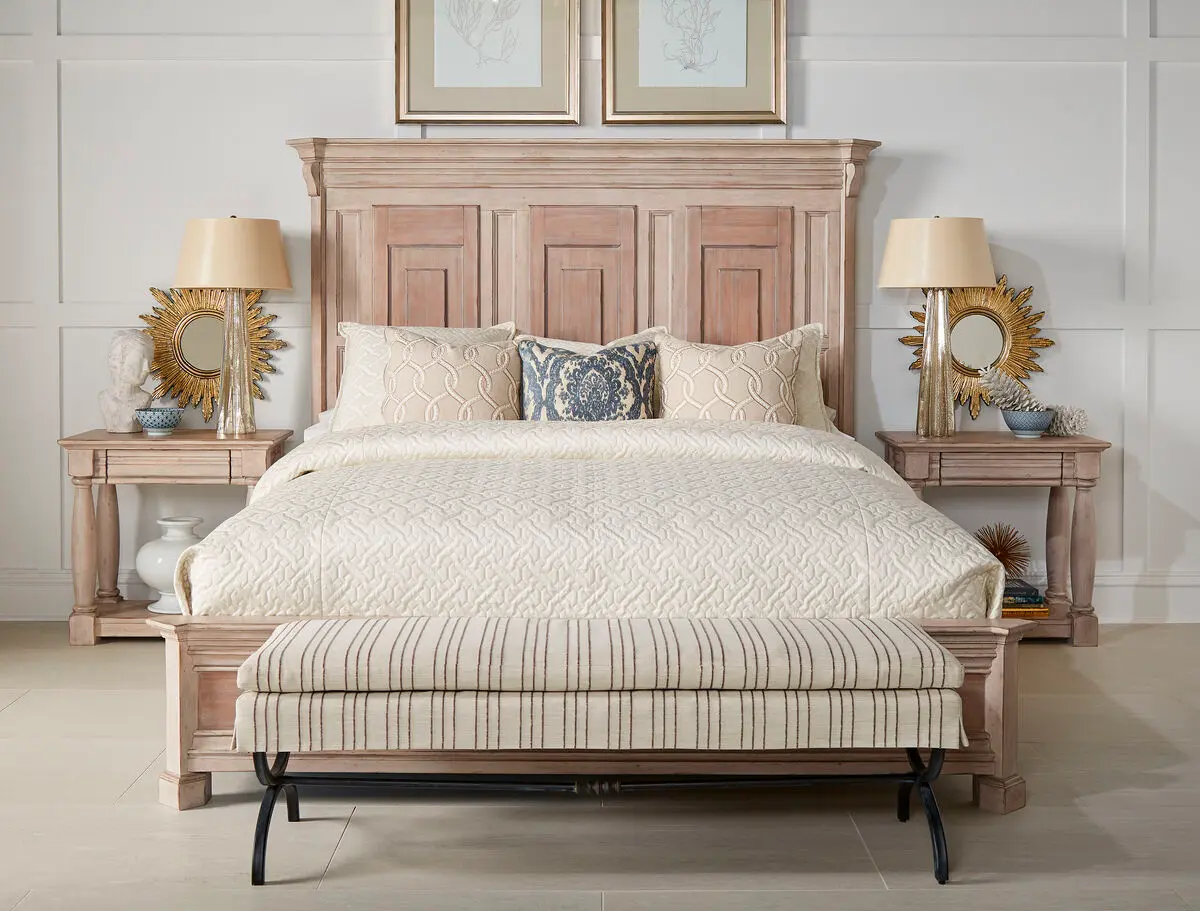
Traditional furniture has remained one of the most enduring expressions of refined interior design because it balances beauty, craftsmanship, and longevity. Unlike trend-driven furnishings that can quickly feel dated, thoughtfully selected traditional furniture creates a sense of permanence, sophistication, and architectural harmony. For homeowners investing in luxury interiors, designers furnishing distinguished residences, and renovators seeking lasting value, choosing the right traditional furniture involves far more than selecting attractive pieces from a showroom floor.
The most successful traditional interiors are built on a foundation of quality materials, expert cabinetmaking, proper scale, and cohesive design principles. Every detail—from the wood species used in a dining table to the precision of dovetail joinery in a dresser—contributes to how a piece performs over decades of daily use. Understanding these elements allows buyers to distinguish genuine craftsmanship from mass-produced alternatives that merely imitate traditional aesthetics.
Equally important is ensuring furniture complements the home’s architecture. A Georgian-inspired residence requires different furnishings than a French Classical estate, while a Colonial Revival home benefits from a different balance of ornamentation than an Old World Mediterranean interior. Selecting pieces that align with architectural character creates interiors that feel intentional, elegant, and timeless.
This comprehensive luxury buying guide explores the essential factors to consider when choosing traditional furniture, including craftsmanship, construction quality, materials, upholstery, room planning, customization opportunities, and long-term investment value. Whether furnishing a single room or designing an entire residence, these principles will help you make informed decisions that enhance both beauty and functionality for years to come.
What Defines Traditional Furniture Design?
Traditional furniture draws inspiration from centuries of European and American design traditions while emphasizing symmetry, elegance, and enduring craftsmanship. Rather than following temporary design movements, traditional interiors celebrate proportion, refinement, and architectural consistency.
How to Choose Traditional Furniture
Core Characteristics of Traditional Furniture
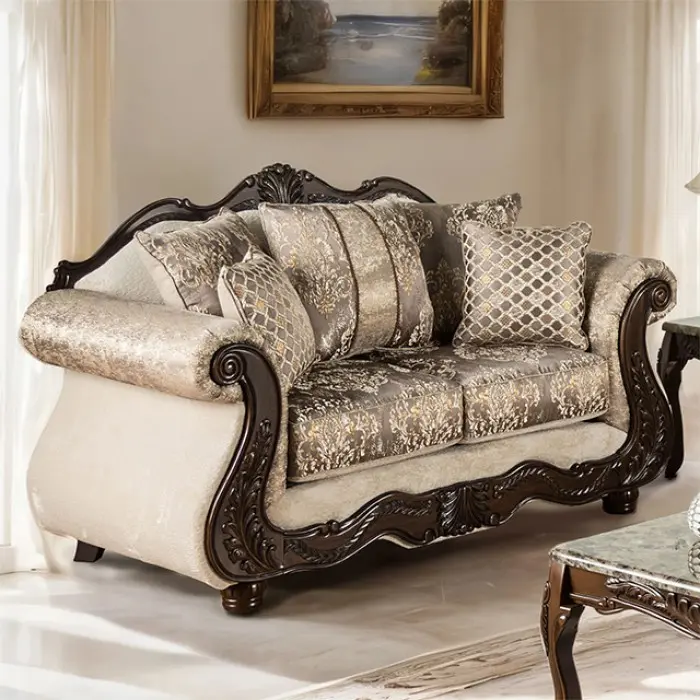
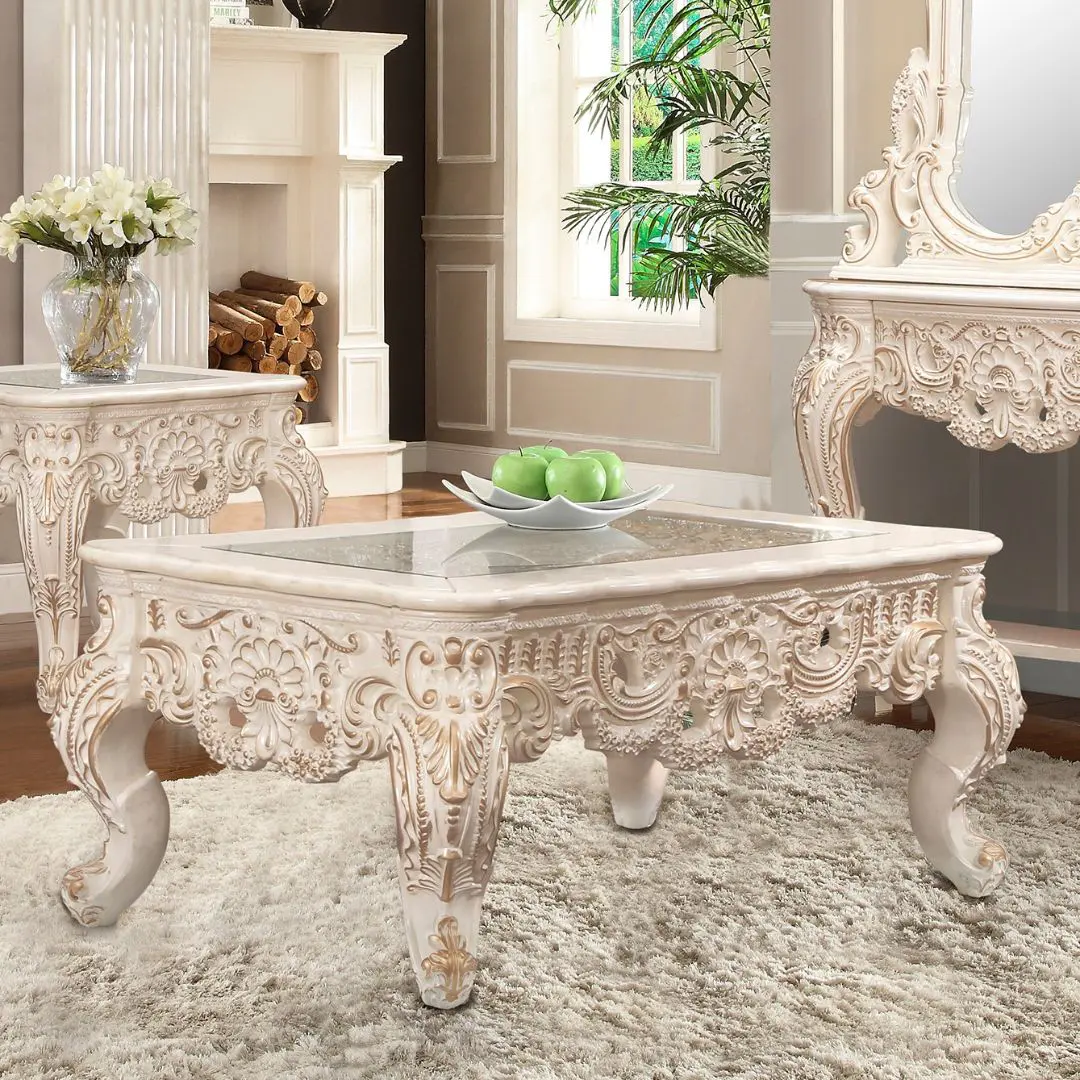
Traditional furniture is distinguished by elegant silhouettes, balanced proportions, decorative moldings, carved detailing, and rich wood finishes. Curved legs, shaped aprons, framed panels, crown moldings, and refined ornamentation often appear throughout case goods and seating pieces.
Symmetry plays a central role in traditional interior design furniture. Matching lamps, paired armchairs, coordinated nightstands, and balanced room arrangements create visual order and sophistication. This emphasis on symmetry contributes significantly to the timeless appeal associated with traditional interiors.
Rich wood finishes are another defining characteristic. Deep mahogany tones, warm cherry finishes, walnut veneers, and hand-applied stains showcase natural grain patterns while adding warmth and depth to a space.
Traditional vs Transitional vs Contemporary Furniture
Traditional furniture prioritizes historical design references, decorative detailing, and formal elegance. Transitional furniture blends traditional and contemporary elements, reducing ornamentation while maintaining classic proportions. Contemporary furniture focuses on clean lines, minimal detailing, and current design trends.
For luxury buyers seeking long-term relevance, traditional furniture often provides greater design longevity because its aesthetic foundation is rooted in proven classical principles rather than seasonal fashion.
Why Traditional Furniture Remains Timeless
Timeless design emerges when aesthetics and craftsmanship work together. Traditional furniture remains desirable because it complements a wide range of architectural styles, adapts to evolving décor preferences, and frequently improves in character as materials mature. Quality traditional pieces can serve multiple generations while maintaining both functionality and visual appeal, making them especially attractive for buyers focused on long-term value.
Start with Your Home’s Architectural Style
Before selecting any furniture, evaluate the architectural language of your home. The most successful interiors reinforce existing architectural details rather than competing with them. Understanding architectural style creates a framework for selecting furnishings that feel authentic and cohesive.
Traditional American Homes
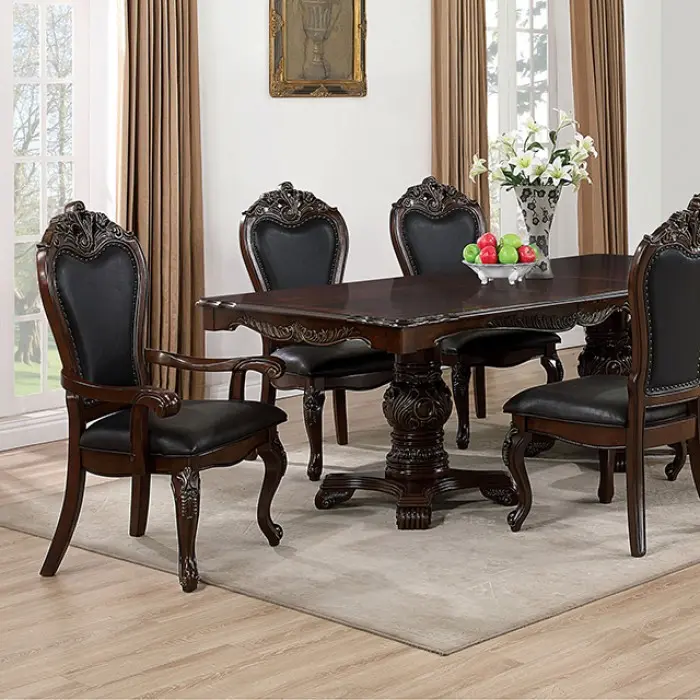
Traditional American residences often feature balanced proportions, detailed millwork, formal room layouts, and comfortable elegance. Furniture selections should emphasize warmth and practicality while incorporating refined detailing. Cherry wood dining tables, paneled cabinetry, upholstered wingback chairs, and classic case goods typically integrate well within these environments.
Colonial Revival and Federal Style Interiors
Colonial Revival and Federal Style homes benefit from furniture characterized by restrained ornamentation, graceful lines, and historical authenticity. Inlays, tapered legs, symmetrical arrangements, and finely proportioned cabinetry reinforce architectural continuity without overwhelming the space.
Georgian and English Traditional Spaces
Georgian interiors favor formality, symmetry, and stately elegance. Rich walnut furnishings, sophisticated moldings, carved details, and balanced room compositions complement the architectural grandeur associated with English Traditional design. Scale becomes especially important in these spaces, where furniture should support rather than diminish architectural presence.
European Classic and French-Inspired Homes
French Classical, Louis XV, and Louis XVI influences introduce greater decorative refinement. Curved silhouettes, cabriole legs, carved motifs, luxurious upholstery, and elegant finishes contribute to a sense of sophistication. Furniture selections should emphasize artistry and craftsmanship while maintaining visual harmony throughout the home.
Old World and Formal Traditional Residences
Old World residences often feature stone surfaces, decorative ceilings, grand staircases, and richly detailed architectural elements. Furniture should possess sufficient visual weight and material richness to complement these features. Handcrafted woodwork, marble tops, bronze accents, and substantial case goods help establish an appropriately luxurious environment.
How to Choose Traditional Furniture
Understand Furniture Scale and Room Proportion Before Buying
Even exceptional furniture can appear awkward if scale and proportion are ignored. Successful space planning ensures each piece contributes to visual balance while supporting daily functionality.
Measuring Room Dimensions Correctly
Begin by documenting room dimensions, ceiling heights, window placements, door clearances, and architectural focal points. Measurements should include circulation paths and required clearances around furniture groupings. This information establishes realistic parameters for furniture selection.
Luxury interiors benefit from intentional spacing. Rooms should feel comfortable and generous rather than crowded or underfurnished. Proper measurements help prevent costly mistakes while supporting thoughtful furniture placement.
Maintaining Visual Balance
Furniture scale should correspond to room volume. Large formal living rooms often accommodate substantial sofas, oversized coffee tables, and statement case goods, while smaller spaces require more restrained proportions.
Visual balance involves distributing furniture weight evenly throughout a room. Pairing large pieces with appropriately scaled companions prevents one area from dominating the overall composition.
Proper Furniture Placement Principles
Traditional interiors frequently organize furniture around architectural focal points such as fireplaces, grand windows, or decorative millwork. Seating arrangements should encourage conversation while preserving circulation and sightlines.
Case goods should complement wall dimensions without appearing undersized or overwhelming. Dining furniture must allow comfortable movement around the table while maintaining visual proportion within the room.
Common Scale Mistakes to Avoid
Common mistakes include selecting oversized sofas for compact rooms, choosing dining tables too large for available circulation space, and placing excessively ornate pieces in modest interiors. Another frequent error is relying solely on showroom impressions without considering actual room dimensions.
Careful attention to furniture scale and room proportion ensures interiors feel harmonious, comfortable, and professionally designed.
Evaluate Furniture Craftsmanship Like an Expert
Furniture craftsmanship often determines whether a piece lasts five years or fifty. Luxury buyers should evaluate construction standards carefully before making purchasing decisions.
Signs of High-End Traditional Furniture
High-end traditional furniture exhibits precision, consistency, and attention to detail. Surfaces should feel smooth and substantial. Decorative carvings should demonstrate clarity and craftsmanship rather than appearing machine-stamped or poorly defined.
Drawer operation, door alignment, finish consistency, and hardware installation provide immediate insight into manufacturing quality. Premium furniture reveals excellence in both visible and hidden areas.
Bench-Made Furniture Construction
Bench-made furniture construction emphasizes skilled artisan involvement throughout production. Individual craftsmen often shape, assemble, and finish pieces using techniques refined through generations of cabinetmaking expertise.
This approach enables greater precision, stronger construction, and superior customization compared with mass-production methods. Bench-made furniture frequently incorporates hand-finishing techniques that enhance depth, character, and durability.
Cabinetmaking Standards
Quality cabinetmaking requires accurate joinery, dimensional stability, and structural integrity. Drawers should glide smoothly, doors should align properly, and internal components should reflect the same attention given to exterior surfaces.
Sophisticated cabinetmaking also considers seasonal wood movement, ensuring furniture remains stable despite fluctuations in humidity and temperature.
Frame Reinforcement and Structural Integrity
Frames provide the foundation of furniture durability. Reinforced corner blocks, hardwood structures, engineered support systems, and properly secured joints contribute significantly to longevity.
When evaluating luxury furniture, examine internal construction whenever possible. Superior structural engineering often distinguishes investment-quality pieces from visually similar alternatives.
Choose the Best Materials for Long-Term Value
Material selection directly influences appearance, durability, maintenance requirements, and long-term performance. Understanding furniture materials enables more informed purchasing decisions.
Solid Wood Traditional Furniture vs Veneers
Solid wood traditional furniture remains highly valued because of its durability, reparability, and natural character. Properly seasoned hardwoods can last generations while developing a richer patina over time.
Veneers, however, should not automatically be viewed negatively. High-quality veneering is a respected furniture-making technique that allows intricate grain matching, decorative patterns, and dimensional stability. Problems arise primarily with low-quality engineered materials rather than expertly crafted veneers.
Hardwood Species Comparison
Solid mahogany is prized for its luxurious appearance, dimensional stability, and rich coloration. Cherry wood develops a beautiful patina over time and offers remarkable elegance in traditional settings.
Walnut wood provides sophisticated grain variation and deep warmth, making it especially desirable for executive furnishings and formal interiors. Oak wood offers exceptional durability and distinctive texture, while maple wood delivers strength and fine grain characteristics suited to both formal and transitional environments.
Beech wood is valued for consistency, durability, and versatility in furniture construction. Each species contributes unique aesthetic and structural advantages depending on design objectives.
Natural Stone and Marble Furniture Features
Marble tops and natural stone surfaces introduce luxury, durability, and visual contrast. These materials are particularly effective in dining rooms, entryways, accent tables, and statement furnishings where elegance and performance are equally important.
Premium Hardware and Decorative Accents
Brass hardware, bronze accents, decorative escutcheons, and premium fittings contribute to both functionality and visual refinement. Quality hardware should feel substantial, operate smoothly, and complement the overall design language of the furniture.
Examine Joinery and Construction Details
Joinery represents one of the clearest indicators of furniture quality. The methods used to connect components significantly affect strength, stability, and lifespan.
Mortise and Tenon Joinery
Mortise and tenon joinery has been used for centuries because of its exceptional structural performance. By fitting one component precisely into another, this technique creates strong mechanical connections capable of enduring decades of stress.
Traditional dining tables, chairs, and case goods frequently rely on mortise and tenon construction for critical structural areas.
Dovetail Joinery
Dovetail joinery remains a hallmark of premium drawer construction. Interlocking joints resist pulling forces and maintain stability over extended periods of use.
Well-executed dovetails demonstrate craftsmanship, precision, and attention to detail. Their presence often signals broader manufacturing excellence throughout the piece.
Reinforced Frames and Stability
Beyond visible joinery, luxury furniture incorporates reinforced frames, corner blocks, internal bracing, and engineered support systems. These components reduce movement, prevent loosening, and enhance long-term durability.
What Quality Construction Reveals About Furniture Lifespan
Furniture durability rarely depends on aesthetics alone. Quality construction reveals a manufacturer’s commitment to longevity, performance, and value retention. Buyers seeking investment-quality furniture should prioritize structural integrity above decorative embellishment because lasting beauty depends upon a strong foundation.
Assess Upholstery Quality and Comfort
Exceptional upholstery combines visual elegance with long-term comfort and durability. Evaluating upholstery requires attention to materials, tailoring, and internal construction.
Selecting Luxury Upholstery Fabrics
Velvet upholstery introduces richness, depth, and tactile sophistication. Linen upholstery offers breathable comfort and understated elegance suitable for many traditional interiors.
Damask fabric contributes decorative complexity through woven patterns, while silk-blend textiles provide luxurious texture and subtle sheen. Genuine leather remains one of the most durable and versatile upholstery materials, developing character with age and use.
Fabric selection should reflect lifestyle requirements, room function, maintenance expectations, and overall design objectives.
Upholstery Tailoring Indicators
Superior upholstery tailoring is evident through straight seams, consistent pattern matching, crisp welting, and precise alignment. Cushion proportions should appear balanced and intentional rather than overstuffed or irregular.
Tailoring quality significantly influences both appearance and longevity, making it an essential evaluation criterion.
Tufting and Nailhead Trim Quality
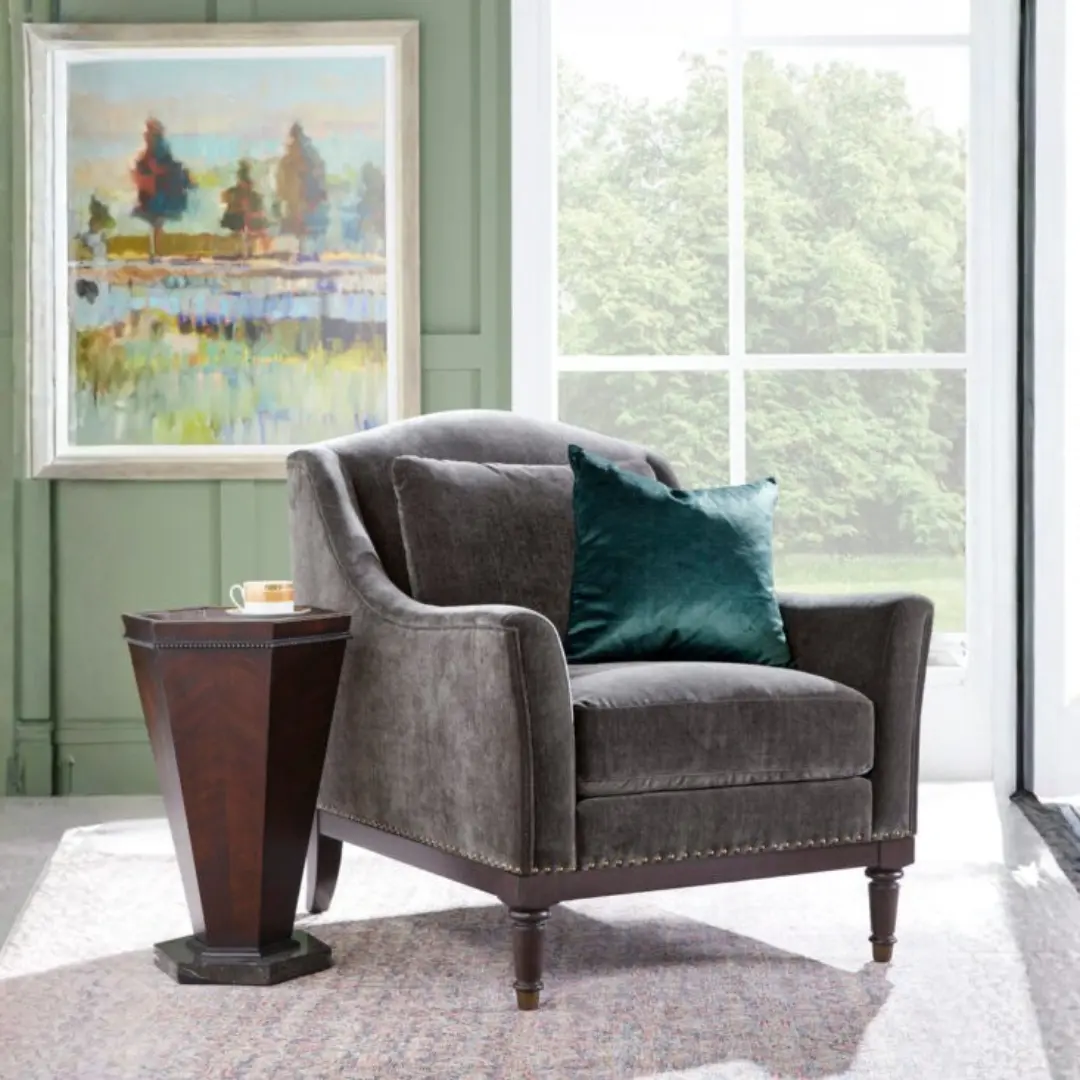
Traditional furniture often incorporates tufting and decorative nailhead trim. High-quality tufting maintains uniform depth and spacing, while properly installed nailheads follow consistent lines without gaps or misalignment.
These details demonstrate craftsmanship while enhancing the visual sophistication associated with luxury traditional furniture.
How to Choose Traditional Furniture
Choose Traditional Furniture Room by Room
Different rooms require distinct furniture strategies. Understanding functional priorities helps create interiors that are both beautiful and practical.
Traditional Living Room Furniture Ideas
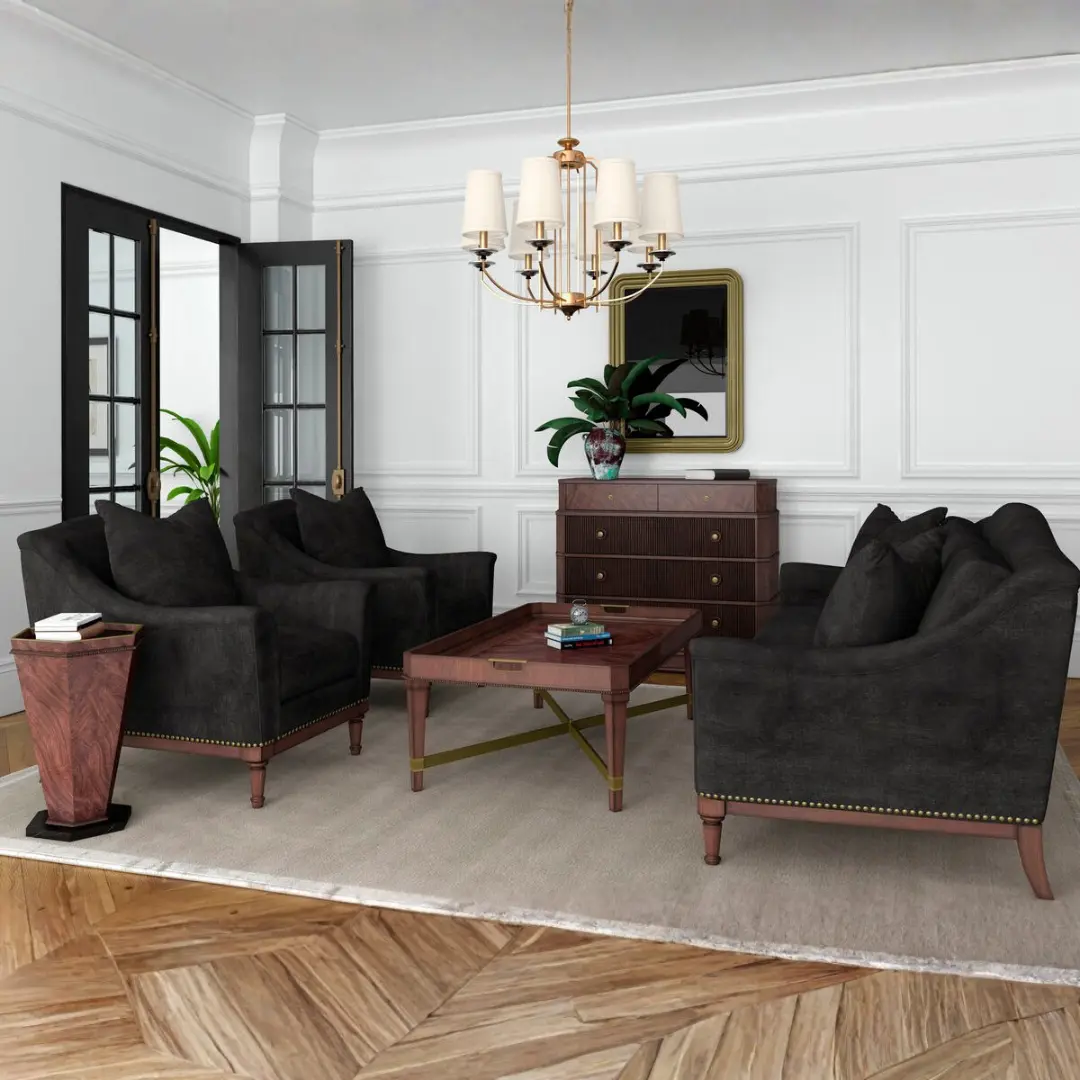
Formal living room furniture often includes tailored sofas, upholstered armchairs, cocktail tables, accent furniture, and statement pieces that establish visual focus. Case goods such as console tables, display cabinets, and bookcases contribute storage while reinforcing architectural character.
Balance is essential. Statement furnishings should command attention without overwhelming the room.
Traditional Bedroom Furniture Selection
Bedroom planning begins with bed scale. The bed typically serves as the primary focal point, influencing the selection of complementary nightstands, dressers, chests, and seating.
Traditional bedroom furniture should promote comfort while maintaining visual cohesion. Matching proportions and coordinated finishes help establish a refined atmosphere conducive to rest and relaxation.
Traditional Dining Room Furniture Sets
Dining rooms demand careful consideration of seating capacity, circulation, and entertaining requirements. Dining tables should accommodate household needs while supporting occasional gatherings.
Buffets, china cabinets, and serving pieces enhance both functionality and visual presence. Material consistency and coordinated detailing contribute to a polished, luxurious dining environment.
Decide Between Matching Collections and Curated Individual Pieces
One of the most important design decisions involves choosing between coordinated furniture collections and individually selected furnishings.
Benefits of Coordinated Collections
Matching furniture collections simplify design planning and ensure consistency across finishes, proportions, and detailing. They create immediate visual harmony while reducing the risk of incompatible selections.
For homeowners seeking a cohesive aesthetic, coordinated collections often provide a practical and elegant solution.
Mixing Traditional Furniture Successfully
Curated interiors frequently combine pieces from multiple collections or historical influences. Success depends upon maintaining consistency in scale, material quality, and overall design language.
Rather than matching everything precisely, designers often establish continuity through recurring finishes, upholstery palettes, wood tones, or decorative motifs.
Creating Design Continuity Across Rooms
Design continuity strengthens home aesthetics by creating logical transitions between spaces. Repeated materials, complementary silhouettes, and coordinated finishes help establish a unified identity throughout the residence.
Luxury interiors often achieve sophistication through thoughtful cohesion rather than strict uniformity.
When Custom Traditional Furniture Is Worth the Investment
Custom traditional furniture offers solutions that standard furniture cannot always provide. For discerning homeowners, customization often delivers substantial long-term value.
Benefits of Bespoke Traditional Furniture
Bespoke traditional furniture allows clients to specify dimensions, materials, finishes, hardware, and decorative details. This flexibility supports precise design objectives while ensuring compatibility with architectural requirements.
Tailoring Dimensions to Your Space
Custom sizing can dramatically improve room functionality and visual proportion. Unique floor plans, unusual ceiling heights, and specialized requirements frequently benefit from tailored dimensions.
Custom Finishes and Material Selection
Personalized finishes enable greater design control. Clients may select specific hardwoods, stain colors, marble varieties, hardware options, and upholstery materials to achieve a desired aesthetic.
Personalized Design Details
Details such as carvings, inlays, marquetry, moldings, and hand-applied finishes create furniture that reflects individual preferences while preserving traditional design integrity.
Brands such as Mobilia Cleopatra distinguish themselves through handcrafted traditional furniture, artisan woodworking expertise, premium hardwood selection, and custom luxury furniture pieces designed around the client’s vision. This level of personalization often transforms furniture from a purchase into a lasting family heirloom.
How to Identify Heirloom-Quality Furniture
Not all luxury furniture qualifies as heirloom-quality furniture. True heirloom pieces combine exceptional construction, enduring materials, and timeless design.
Construction Standards That Last Generations
Furniture intended to last generations requires robust joinery, premium hardwoods, reinforced frames, and meticulous craftsmanship. Every structural component should support decades of use without compromising stability.
Handcrafted vs Mass-Produced Furniture
Handcrafted furniture typically receives greater individual attention throughout manufacturing. Craftsmen can address subtle variations in wood grain, finish application, and assembly that mass-production systems often overlook.
While technology contributes positively to modern manufacturing, human expertise remains essential for achieving the highest standards of refinement.
Resale and Long-Term Value Considerations
Quality furniture frequently retains value more effectively than lower-quality alternatives. Strong craftsmanship, respected manufacturing standards, premium materials, and timeless aesthetics contribute to lasting desirability.
Why Craftsmanship Matters More Than Trends
Design trends inevitably evolve. Craftsmanship, however, remains permanently relevant. Furniture built with integrity continues to perform and appeal regardless of changing decorative preferences, making quality a wiser investment than fashion.
How to Choose Traditional Furniture
Common Mistakes to Avoid When Buying Traditional Furniture
Even experienced buyers occasionally make costly furniture decisions. Recognizing common mistakes can help protect both design outcomes and financial investments.
Ignoring Room Scale
Poor scale remains one of the most frequent errors. Furniture that is too large or too small disrupts visual balance and diminishes overall design quality.
Prioritizing Appearance Over Construction
Beautiful finishes cannot compensate for weak construction. Always evaluate craftsmanship, joinery, frame quality, and material integrity before focusing on decorative details.
Choosing Trend-Driven Pieces
Furniture purchases should support long-term design goals rather than temporary fashion trends. Excessively trendy interpretations of traditional design may age quickly.
Overcrowding Formal Living Spaces
Luxury interiors benefit from restraint. Leaving adequate space around furniture enhances comfort, circulation, and visual elegance.
Neglecting Material Quality
Low-grade materials frequently result in premature wear, diminished performance, and costly replacement. Prioritizing superior materials supports durability and long-term satisfaction.
Finding Premium Traditional Furniture for a Timeless Home
Selecting luxury traditional furniture requires careful evaluation, thoughtful planning, and a commitment to quality. The best furnishings enhance architecture, support daily living, and remain beautiful for decades.
Questions to Ask Before Purchasing
Before making a purchase, inquire about wood species, joinery methods, finish application processes, upholstery construction, warranty coverage, and customization options. Understanding these details provides valuable insight into overall quality.
What Distinguishes Luxury Traditional Furniture
Luxury traditional furniture combines superior materials, refined craftsmanship, sophisticated design, and meticulous attention to detail. Every component—from internal frame construction to decorative hardware—should reflect a commitment to excellence.
Working with Trusted Furniture Specialists
Experienced furniture specialists help buyers navigate material selections, scale considerations, customization opportunities, and room planning challenges. Their expertise often prevents costly mistakes while improving design outcomes.
Why Handcrafted Furniture Offers Lasting Value
Handcrafted furniture delivers advantages that extend beyond aesthetics. Exceptional craftsmanship, customization flexibility, material quality, and structural integrity contribute to long-term performance and enduring beauty.
Mobilia Cleopatra exemplifies these principles through thoughtfully designed collections, artisan craftsmanship, premium hardwood construction, and bespoke manufacturing capabilities tailored to luxury interiors. Whether selecting a formal dining suite, an elegant bedroom collection, or custom furnishings for a distinguished residence, investing in quality ensures that furniture continues to enrich the home for generations.
How to Choose Traditional Furniture
Frequently Asked Questions
1. What should I look for when choosing traditional furniture?
Focus on craftsmanship, material quality, scale, architectural compatibility, and construction methods. Evaluate hardwood selection, joinery techniques, upholstery quality, finish consistency, and overall proportion. The best traditional furniture balances timeless aesthetics with durable construction.
2. How can I tell if traditional furniture is high quality?
Examine drawer construction, joinery, frame reinforcement, finish quality, hardware installation, and upholstery tailoring. High-quality furniture feels substantial, operates smoothly, and demonstrates attention to detail in both visible and hidden areas.
3. Is solid wood traditional furniture better than veneer furniture?
Not necessarily. Solid wood offers exceptional durability and repairability, while high-quality veneers can provide superior grain matching and dimensional stability. The key distinction is craftsmanship and material quality rather than the use of veneer alone.
4. What wood species are best for luxury traditional furniture?
Mahogany, cherry, walnut, oak, maple, and beech are among the most respected hardwoods. Each offers unique characteristics, including grain pattern, color, durability, and workability. Selection depends on aesthetic preferences and intended use.
5. How do I match traditional furniture with my home’s architecture?
Identify the home’s architectural style first. Georgian homes often favor formal symmetry and rich woods, while French-inspired interiors may incorporate more decorative carving and curved forms. Furniture should complement existing architectural features rather than compete with them.
6. What is the difference between handcrafted and mass-produced furniture?
Handcrafted furniture typically involves greater artisan involvement, individualized finishing, and closer quality control. Mass-produced furniture prioritizes efficiency and consistency but may lack the refinement, customization, and detail associated with artisan manufacturing.
7. Is custom traditional furniture worth the investment?
Custom furniture is often worthwhile when rooms have unique dimensions, specific design requirements, or architectural constraints. Customization allows precise control over size, materials, finishes, and detailing, frequently resulting in superior long-term satisfaction.
8. How do I choose the right furniture scale for my room?
Measure room dimensions carefully and consider ceiling height, circulation paths, and architectural focal points. Furniture should feel appropriately sized relative to the room while allowing comfortable movement and balanced visual composition.
9. What upholstery fabrics work best for traditional interiors?
Velvet, linen, damask, silk blends, and genuine leather remain among the most popular choices. Each material offers distinct visual and performance characteristics. Selection should reflect lifestyle needs, maintenance preferences, and desired aesthetic outcomes.
10. How long should heirloom-quality furniture last?
Properly constructed heirloom-quality furniture can last several generations. High-quality hardwoods, premium joinery, reinforced frames, and expert craftsmanship contribute to exceptional longevity when furniture receives appropriate care and maintenance.
11. Can traditional furniture work in modern homes?
Yes. Traditional furniture can create beautiful contrast within contemporary architecture when selected thoughtfully. Many designers blend traditional furnishings with modern spaces to introduce warmth, character, and timeless sophistication.
12. What defines luxury traditional furniture?
Luxury traditional furniture is defined by superior craftsmanship, premium materials, meticulous construction, refined detailing, and enduring design principles. It prioritizes quality, longevity, and authenticity over short-term trends, resulting in furnishings that remain relevant and valuable for decades.
