Free shipping · 0% for 6 months · White-glove available


Best Bedroom Furniture Materials

Reviewed by the Mobilia Cleopatra design team
Quick answer: For most bedrooms, solid hardwood such as oak, maple, cherry, walnut, or mahogany is the best type of material for bedroom furniture. It is strong, repairable, and ages gracefully. Quality engineered wood with a real wood veneer is a sensible value choice for case pieces. Metal suits modern and space-conscious rooms. Upholstery, leather, marble, and glass work best as accents on top of a solid frame.
The bedroom is where you rest, recover, and start every morning, so it deserves furniture that feels as good on the hundredth day as on the first. The materials behind your bed, dresser, and nightstands decide how a room looks, how it feels to live with, how much care it needs, and how many years it stays beautiful.
This guide compares the most common bedroom furniture materials side by side, explains which woods hold up best, shows which material suits each piece in the room, and shares the care habits that protect your investment. For a broader look at layout, sizing, and style before you dive into materials, see our complete guide to bedroom furniture.
Why Choosing the Best Bedroom Furniture Material Matters
Two dressers can look identical in a photo yet perform very differently at home. The difference is usually the material beneath the finish:
- Comfort and sleep quality: A stable bed frame that does not creak or shift, a headboard you can lean against comfortably, and breathable natural surfaces all contribute to a calmer room and a better night’s rest.
- Durability and longevity: Bedroom furniture is used every day. Drawers open and close constantly, and bed joints carry weight night after night. Strong materials resist sagging, loosening, and chipping, so the piece keeps its shape and value.
- Appearance and style: Materials set the mood of the room. Rich wood grain reads warm and classic, polished metal feels sleek and modern, and tufted upholstery or marble tops add a sense of luxury.
- Health and indoor air: Because you spend so many hours in the bedroom, many buyers prefer natural materials and low-emission finishes. Solid wood generally relies on less glue and resin than particleboard or MDF.
- Maintenance: Some materials need regular polishing or conditioning, while others need only a quick wipe. Matching the material to the time you are willing to spend on care prevents frustration later.
- Environmental impact: Responsibly sourced wood, long-lasting construction, and pieces that can be refinished instead of replaced all reduce waste over the life of your furniture.
Factors for Choosing the Best Bedroom Furniture Materials
There is no single material that wins in every situation. The best choice for you depends on a few practical questions:
- How long should it last? If you want furniture that can stay with you for decades, or even be passed down, solid hardwood is the most dependable option. Particleboard is the material to avoid when longevity matters most.
- What style are you creating? Traditional, French, and Victorian interiors are built around carved and finished wood, often paired with upholstery and marble. Contemporary rooms lean toward metal, lacquer, glass, and clean-lined veneers.
- How much care can you give it? Wood benefits from regular dusting and occasional polishing. Metal, laminate, and acrylic are easier to wipe clean but can scratch, and some metals can rust if left damp.
- What is your budget? Hardwoods cost more up front, while engineered wood and synthetics cost less but may need replacing sooner. Thinking in cost per year of use often changes the math.
- What is your climate and household? Humid rooms are hard on MDF and particleboard, and very dry air can stress solid wood. Homes with children or pets benefit from harder, dent-resistant surfaces and performance fabrics.
The Best Bedroom Furniture Materials Types
These are the six material families you will meet most often, with the strengths and trade-offs of each.
1. Solid Wood
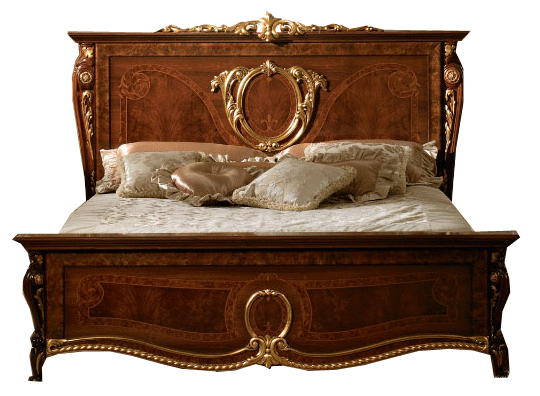
Best solid wood bed
Solid wood remains the benchmark for quality bedroom furniture. It is strong, holds screws and joinery tightly, and can be sanded, repaired, and refinished when life leaves its marks. Each species brings its own color and grain, from the open, textured grain of oak to the smooth, deep tones of walnut, so no two pieces look quite the same. Solid wood also tends to gain character with age rather than looking worn. Its main trade-offs are price, weight, and sensitivity to big swings in humidity, which is why quality makers allow panels to move slightly with the seasons. To explore the topic in more depth, read our guide to solid wood luxury furniture.
2. Engineered Wood (MDF, Plywood, and Veneer)
Engineered wood is made by bonding wood fibers, particles, or thin layers into panels. Plywood is the strongest of the group, MDF offers a very smooth surface that takes paint beautifully, and particleboard is the most economical. Many well-made dressers combine a stable engineered core with a real wood veneer on the outside, which resists warping and gives a consistent grain. The weaknesses are moisture and wear: MDF and particleboard can swell if they get wet, screw holes can strip over time, and thin surfaces can chip. Engineered wood is a smart budget choice, especially for painted finishes, but it rarely lasts as long as solid hardwood.
3. Metal
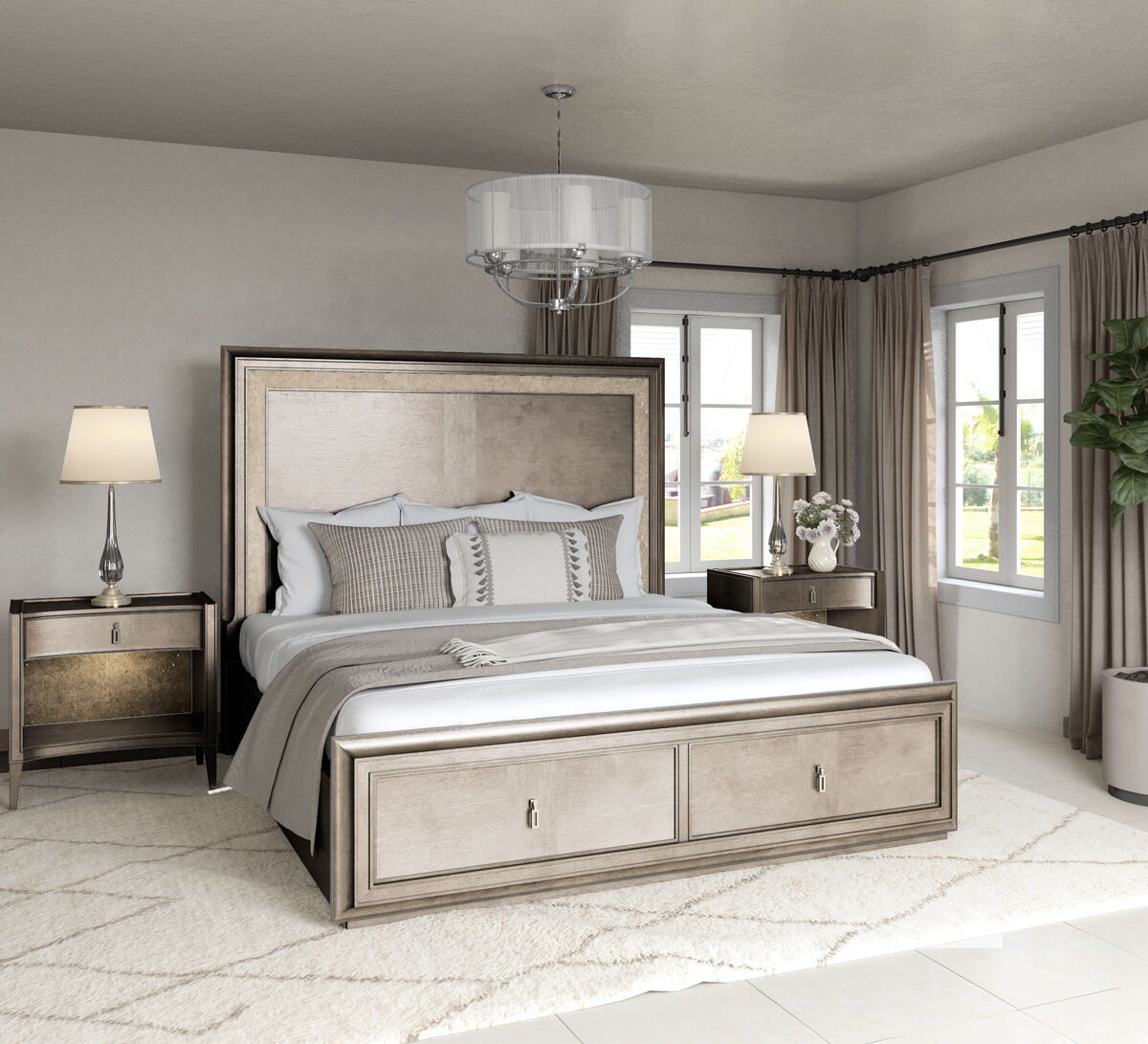
The Best Bedroom with a Bed Metallic Frame
Iron, steel, and aluminum are popular for bed frames and accent pieces. Metal is strong, supports heavy loads, and is not attractive to wood-boring insects. Slim metal frames keep sightlines open, which helps smaller bedrooms feel airier, and decorative ironwork can suit vintage and traditional looks as well as industrial ones. On the downside, metal can feel cool to the touch, some finishes can scratch, and uncoated steel can rust in damp conditions.
4. Upholstered Furniture
Upholstered beds, headboards, benches, and chairs wrap a frame in padding and fabric, leather, or faux leather. They bring softness, warmth, and a hotel-like feel, and they make reading in bed far more comfortable. Fabric choice matters: velvet adds depth and sheen, linen feels relaxed, and performance fabrics resist stains. Its lifespan depends on two things: the fabric and the hidden frame. A well-built hardwood frame under a quality textile is what separates heirloom pieces from short-lived ones. Browse our beds collection to compare upholstered, wood, and metal designs.
5. Glass and Mirrors
Glass and mirrored surfaces add brightness and a sense of space. A mirror over a dresser reflects light deep into the room, and glass tops protect wood surfaces on nightstands and vanities. Tempered glass is the safer choice for furniture because it is stronger than ordinary glass. Glass shows fingerprints and dust quickly and needs careful handling when moving, but the glamour it brings to a bedroom is hard to match. Pairing a mirror with a matching dresser is one of the simplest ways to finish a room; see our dressers and mirrors for coordinated options.
6. Plastic and Acrylic
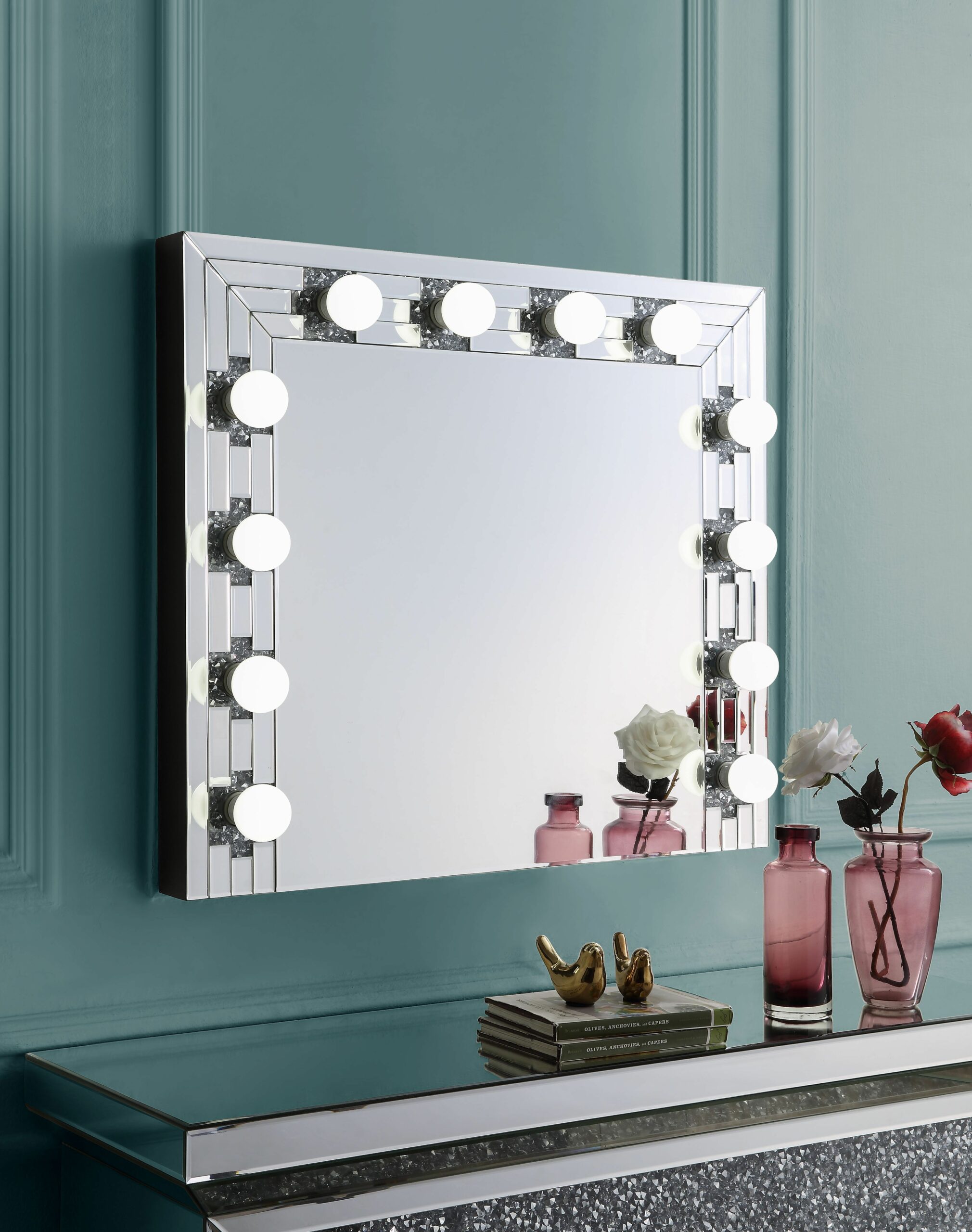
Mobilia Cleopatra Luxury Acrylic Mirror
Plastic and acrylic are lightweight, affordable, and easy to clean, and acrylic in particular has a modern, gallery-like clarity that makes small rooms look less crowded. However, they scratch more easily than wood or metal, can warp near strong heat, and generally do not last as long. They work best as accents, such as a mirror frame, a side table, or a clear chair, rather than as the backbone of the room.
| Material | Durability | Maintenance | Best for |
|---|---|---|---|
| Solid hardwood | Very high, repairable | Dust, polish occasionally | Beds, dressers, chests, nightstands |
| Engineered wood with veneer | Moderate | Wipe dry, avoid moisture | Budget case pieces, painted finishes |
| Metal | High | Low, keep dry | Bed frames, modern and compact rooms |
| Upholstery and leather | Depends on frame and fabric | Vacuum, spot clean, condition leather | Headboards, beds, benches, chairs |
| Glass and mirrors | Moderate, can break | Frequent wiping | Dresser mirrors, tabletops, accents |
| Plastic and acrylic | Lower | Very low | Accents and lightweight pieces |
The Best Wood for Bedroom Furniture
Because wood is the material most buyers end up choosing, it helps to know how the most common species compare. Hardwoods come from slow-growing deciduous trees and are generally denser and more dent-resistant than softwoods.
- Oak: Strong, heavy, and recognizable by its pronounced grain. Oak suits traditional, farmhouse, and craftsman bedrooms and takes stain well, from light natural tones to deep espresso.
- Maple: Very hard with a fine, subtle grain. Maple resists dents and scratches, which makes it a good fit for busy households and for drawers that see daily use.
- Cherry: Prized for its smooth grain and warm reddish tone that deepens with exposure to light. Cherry brings a refined, formal feel to a primary suite.
- Walnut: A dark, sophisticated hardwood that polishes to a silky finish. Walnut is a favorite for elegant, statement-making bedroom sets.
- Mahogany: The classic wood of fine traditional and Victorian furniture, valued for its rich color and its suitability for detailed carving.
- Pine and other softwoods: Lighter and more affordable, with a casual, rustic charm. Pine dents more easily, so it is better suited to guest rooms or relaxed styles than to heavy-use pieces.
The finish matters as much as the species. A well-applied lacquer or varnish protects the surface from moisture and everyday wear, while hand-rubbed oils and waxes give a soft, natural feel but need more frequent attention.
Natural and Luxury Materials: Oak, Leather, Marble, and Velvet
Luxury bedrooms are rarely built from one material alone. They layer a strong natural base with tactile, eye-catching finishes.
Oak
Oak is one of the most reliable natural materials for bedroom furniture. Its dense structure stands up to daily use, resisting wear and minor scratches on beds, dressers, and nightstands. It takes stains and finishes well, so it can look rustic, traditional, or polished and modern depending on the treatment.
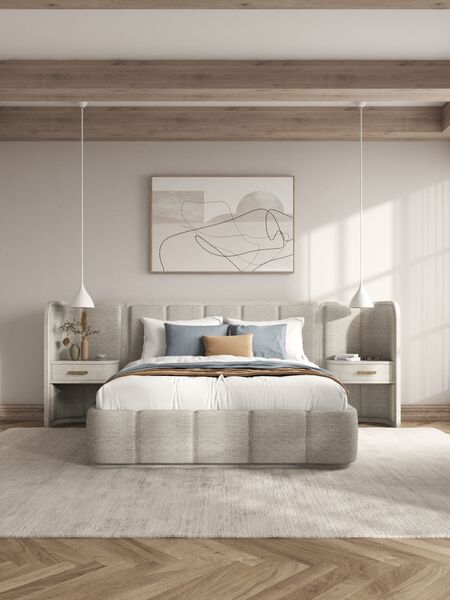
Luxury oak Bedroom
Leather
Leather brings instant polish to headboards, bed frames, benches, and accent chairs. Quality leather is durable, easy to wipe clean, and develops an attractive patina as it ages. With regular conditioning and protection from direct sun, leather pieces stay supple and handsome for many years. Learn how different grades compare in our Italian leather furniture guide.
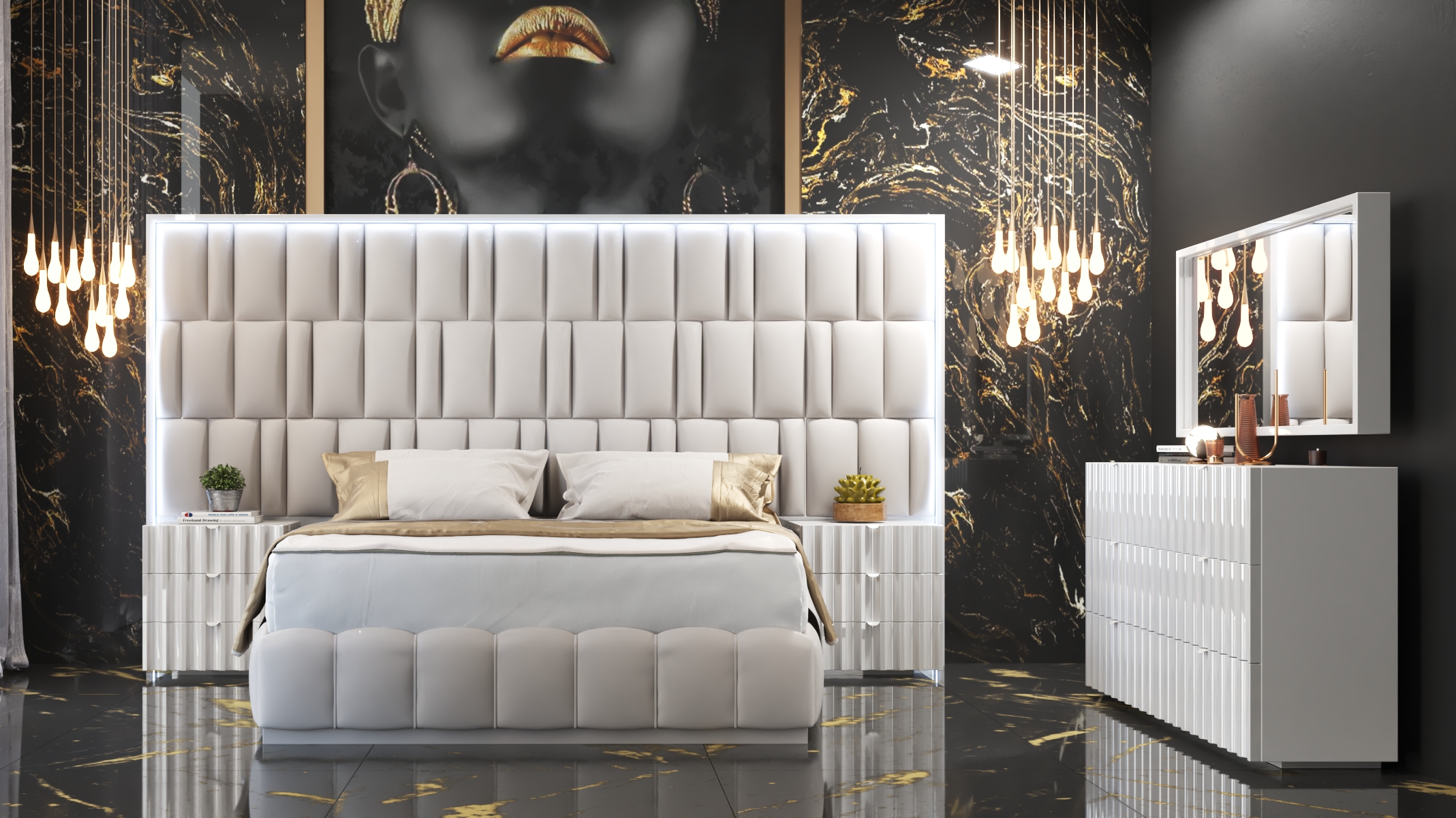
Mobilia Cleopatra Luxury Leather Bedroom
Marble
Marble appears on nightstand tops, dresser surfaces, and decorative inlays. Its natural veining and cool, polished surface add timeless sophistication, and it handles warmth well. Because marble is porous, it should be sealed and protected from spills such as perfume, wine, or cosmetics that can stain or etch it. For styling ideas and care advice, see our article on marble in luxury furniture.
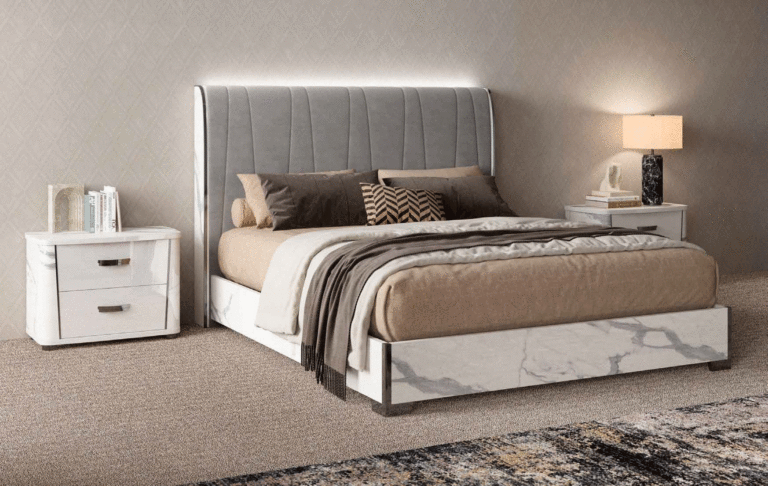
Mobilia Cleopatra luxury marble bedroom
Velvet
Velvet is a natural partner for luxury bedrooms. Its dense pile catches light, deepens color, and makes tufted or channel-stitched headboards feel opulent. Modern velvets are often made with performance fibers that resist crushing and stains.
Which Material Works Best for Each Bedroom Piece?
Different pieces face different stresses, so the best material for a bed is not always the best material for a wardrobe.
Beds and Bed Frames
The bed carries the most weight and movement in the room. Look for solid hardwood or sturdy metal for the frame and rails, with a center support on larger sizes. If you love the look of an upholstered bed, make sure the padding is built over a strong wooden frame.
Dressers and Chests
Drawers are opened and closed thousands of times, so they reveal quality quickly. Solid wood or a quality veneer over plywood performs well. Check that drawers slide smoothly, that the drawer boxes are joined rather than simply stapled, and that the back panel is secure.
Nightstands
Nightstands meet water glasses, lamps, and phones every day. Hardwood, a sealed marble top, or a glass top over wood all handle this well.
Wardrobes and Armoires
Wardrobes are large panels that must stay flat and square. Solid wood is ideal, while plywood is a strong, stable alternative for interior shelving. Avoid thin particleboard if the piece will hold heavy clothing.
How to Spot Quality Construction
- Lift a corner: solid wood pieces generally feel heavier than particleboard ones.
- Check edges and hidden surfaces: a grain pattern that does not continue around the edge, or tape-like edge banding, usually signals veneer.
- Look at the joints: dovetail or mortise-and-tenon joinery and corner blocks indicate careful building.
- Test for wobble: a well-made frame stands firm without rocking.
- Ask what the piece is made of: a reputable retailer can tell you which parts are solid wood, veneer, or engineered panels.
How to Maintain Bedroom Furniture Materials
Every material lasts longer with the right care. These simple habits keep each one looking its best:
- Solid wood: Dust with a soft, dry cloth, wipe spills promptly, keep pieces out of strong direct sun, polish or wax occasionally, and avoid harsh chemical cleaners.
- Engineered wood: Wipe with a barely damp cloth and dry it right away. Avoid standing water, and do not overload shelves or drawers.
- Metal: Dust regularly, wash with mild soap and water when needed, dry thoroughly to prevent rust, and use a suitable metal polish for shine.
- Upholstery and leather: Vacuum fabric regularly, treat stains quickly with a cleaner suited to the textile, rotate cushions, and condition leather to keep it supple.
- Glass and mirrors: Clean with glass cleaner or a mild vinegar solution and a microfiber cloth, and avoid placing heavy objects on glass tops.
- Marble: Wipe spills immediately, use coasters, and reseal periodically as recommended for the stone.
- Plastic and acrylic: Clean with mild soap and water and a soft cloth, never abrasive pads, and keep away from high heat.
Is Investing in the Best Bedroom Furniture Materials Worth It?
For most households, yes. Quality materials cost more at the start, but they often cost less over time because they do not need to be replaced every few years. Strong frames and well-built drawers keep working smoothly, fine finishes and natural materials look better as they age, and pieces that can be repaired or refinished stay useful far longer.
A practical approach is to invest most in the pieces that work hardest, such as the bed frame and the dresser, and to save on accents that are easy to swap as your style evolves.
Why Choose Mobilia Cleopatra for Bedroom Furniture?
Mobilia Cleopatra specializes in luxury, traditional, French-style, and Victorian furniture, with a curated catalog that also includes respected name brands such as ACME, Coaster, Furniture of America, Homey Design, ESF, Homelegance, and McFerran. That range lets you compare carved wood, upholstered, leather, marble-topped, and metal designs across many styles and budgets. For those who want something truly one of a kind, the exclusive Kleopatra Kingdom collection offers genuinely handmade pieces, and custom orders can be tailored to your vision. Explore our handmade bedroom sets to see what artisan craftsmanship looks like up close.
Frequently Asked Questions
What is the best type of material for bedroom furniture?
Solid hardwood is the best all-around choice because it is strong, long-lasting, and repairable. Oak, maple, cherry, walnut, and mahogany are the most popular options. Quality engineered wood with a real wood veneer is a good value alternative, and metal works well for bed frames.
What is the best wood for bedroom furniture?
Oak and maple are favorites for durability, while cherry, walnut, and mahogany are chosen for their rich color and elegant grain. Pine is more affordable but softer, so it dents more easily.
Is solid wood better than engineered wood for a bedroom set?
For longevity, yes. Solid wood holds joinery and screws better and can be refinished. Engineered wood is more affordable and very stable in shape, but it is more vulnerable to moisture and harder to repair once chipped or damaged.
Is veneer furniture bad quality?
Not necessarily. A real wood veneer over a stable plywood or hardwood core can be both beautiful and durable. Problems usually come from very thin veneers over low-grade particleboard, which can chip or peel over time.
What are the most durable materials for bedroom furniture?
Dense hardwoods such as oak and maple, and well-finished metal frames, are among the most durable. For upholstered pieces, durability depends on a strong hardwood frame and a tightly woven or performance fabric.
What is the best material for a bed frame?
Solid hardwood and sturdy metal are the strongest options. Upholstered beds can be equally sturdy when the padding and fabric cover a well-built wooden frame with proper center support.
How do I choose bedroom furniture that lasts?
Choose solid wood or quality veneer over plywood, check for strong joinery and smooth-running drawers, make sure the piece does not wobble, and follow simple care routines such as dusting, wiping spills quickly, and avoiding strong direct sun.
Are oak beds worth the extra cost?
For many buyers, yes. Oak is strong and hard-wearing, takes a wide range of finishes, and can last for many years with basic care, which often makes it better value over time than a cheaper frame that needs replacing.
Final Thoughts on Choosing Bedroom Furniture Materials
The best bedroom furniture materials balance beauty, strength, comfort, and care. Solid hardwood earns its place at the heart of the room, engineered wood offers sensible value, metal brings lightness and strength, and upholstery, leather, marble, velvet, and glass add the finishing layer of luxury. Match each material to the piece it serves and the way you live, and your bedroom will feel restful and refined for years to come.
Ready to compare styles and finishes? Browse our bedroom sets online, or contact our team with questions about materials, finishes, or custom orders.
