Free shipping · 0% for 6 months · White-glove available


Traditional Egyptian Furniture Style Guide: Luxury Heritage Design for Elegant Interiors


Traditional Egyptian furniture represents more than a decorative aesthetic. It reflects centuries of craftsmanship, architectural influence, cultural heritage, and artisanal woodworking traditions that continue to shape luxury interiors today. In the modern American luxury furniture market, traditional Egyptian furniture has evolved into a sophisticated design category defined by handcrafted detailing, premium materials, and timeless elegance rather than theatrical historical imitation.
For homeowners, interior designers, and collectors seeking furniture with depth and character, Egyptian-inspired interiors offer a compelling balance between old-world artistry and contemporary refinement. Rich wood tones, ornamental carving, gold leaf accents, luxurious upholstery, and architectural symmetry create interiors that feel layered, curated, and enduring. Unlike mass-produced furniture trends that quickly lose relevance, handcrafted Egyptian furniture emphasizes permanence, craftsmanship, and heirloom-quality construction.
One of the defining qualities of traditional Egyptian furniture is its ability to integrate into multiple luxury design aesthetics. Palace-inspired interiors may feature ornate carved seating and gilded finishes, while more transitional spaces often incorporate Egyptian craftsmanship through statement consoles, upholstered beds, carved dining tables, or decorative accent pieces. This versatility has contributed to a renewed appreciation for heritage furniture within luxury homes across the United States.
Today’s luxury buyers are increasingly drawn toward artisan-made furniture that feels authentic and personalized. Handcrafted Egyptian furniture aligns naturally with this movement because it prioritizes premium materials, traditional woodworking methods, and bespoke customization. Brands such as Mobilia Cleopatra have helped modernize traditional Egyptian design by adapting heritage craftsmanship to contemporary luxury interiors while preserving the integrity of artisanal techniques.
This guide explores the origins, materials, craftsmanship, and design principles behind traditional Egyptian furniture while offering practical insight into how these timeless pieces continue to influence elegant modern interiors.
What Defines Traditional Egyptian Furniture Style
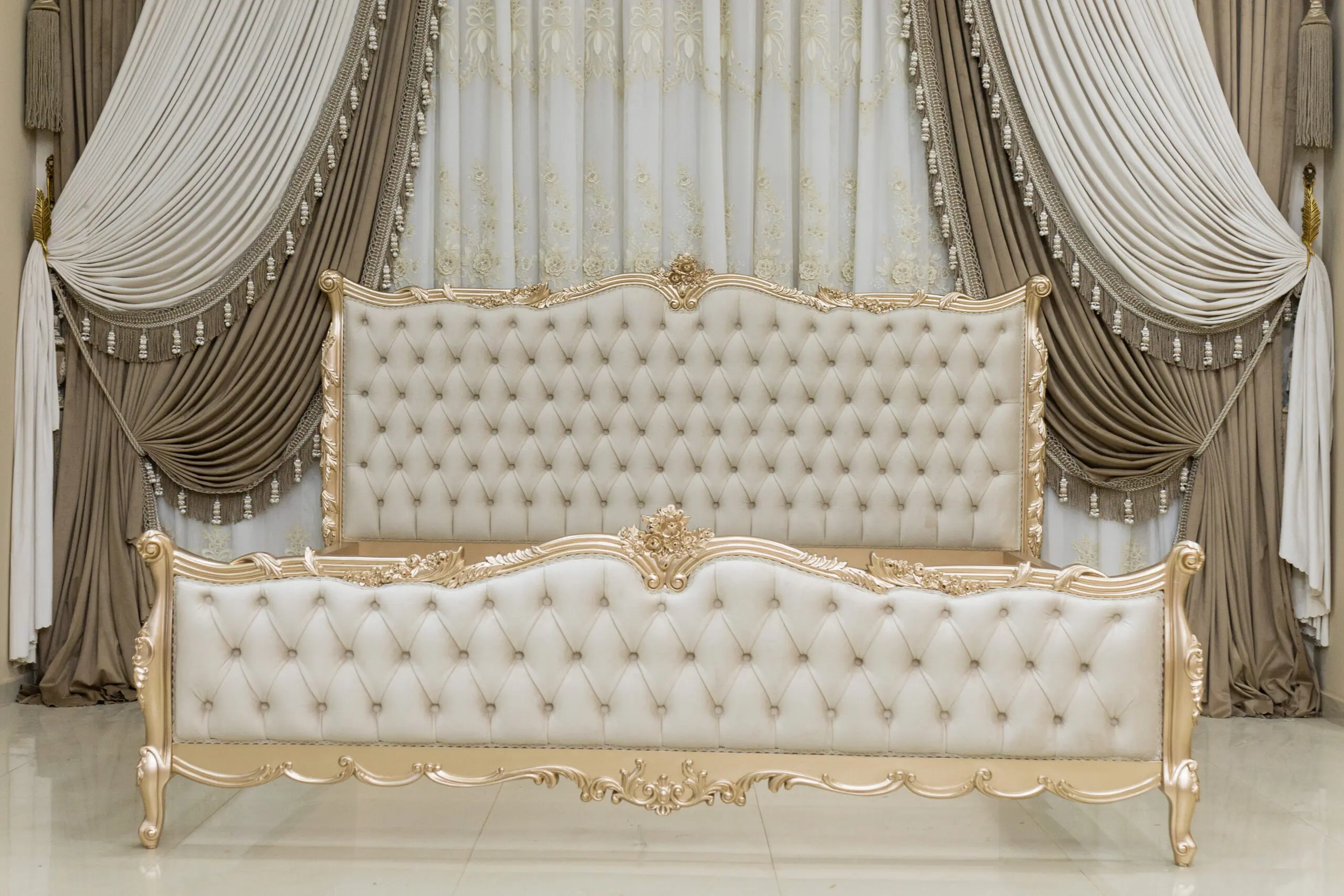
Traditional Egyptian furniture style is characterized by a combination of architectural symmetry, ornamental detailing, and handcrafted construction. Unlike minimalist furniture traditions that prioritize simplicity above all else, Egyptian furniture embraces richness in texture, silhouette, and decorative artistry while still maintaining visual balance.
Traditional Egyptian Furniture Style
Historical Foundations of Egyptian Furniture Design
The origins of Egyptian furniture trace back thousands of years to ancient craftsmanship traditions where furniture symbolized status, refinement, and artistic sophistication. Early Egyptian interiors emphasized carved wood, decorative inlays, geometric forms, and luxurious materials reserved for royal and noble households. Over centuries, these foundational aesthetics evolved through Islamic, Ottoman, Mediterranean, and European influences.
As Egypt became a crossroads of artistic exchange, furniture styles incorporated Arabesque motifs, classical European proportions, and Mediterranean elegance. This layered history explains why traditional Egyptian interiors feel both globally influenced and culturally distinctive.
The Balance Between Ornamentation and Symmetry
One of the most important design principles within traditional Egyptian furniture is balance. Ornamental carving, gold accents, and decorative moldings are carefully structured around symmetrical layouts and harmonious proportions. Even highly decorative pieces retain a sense of order and architectural discipline.
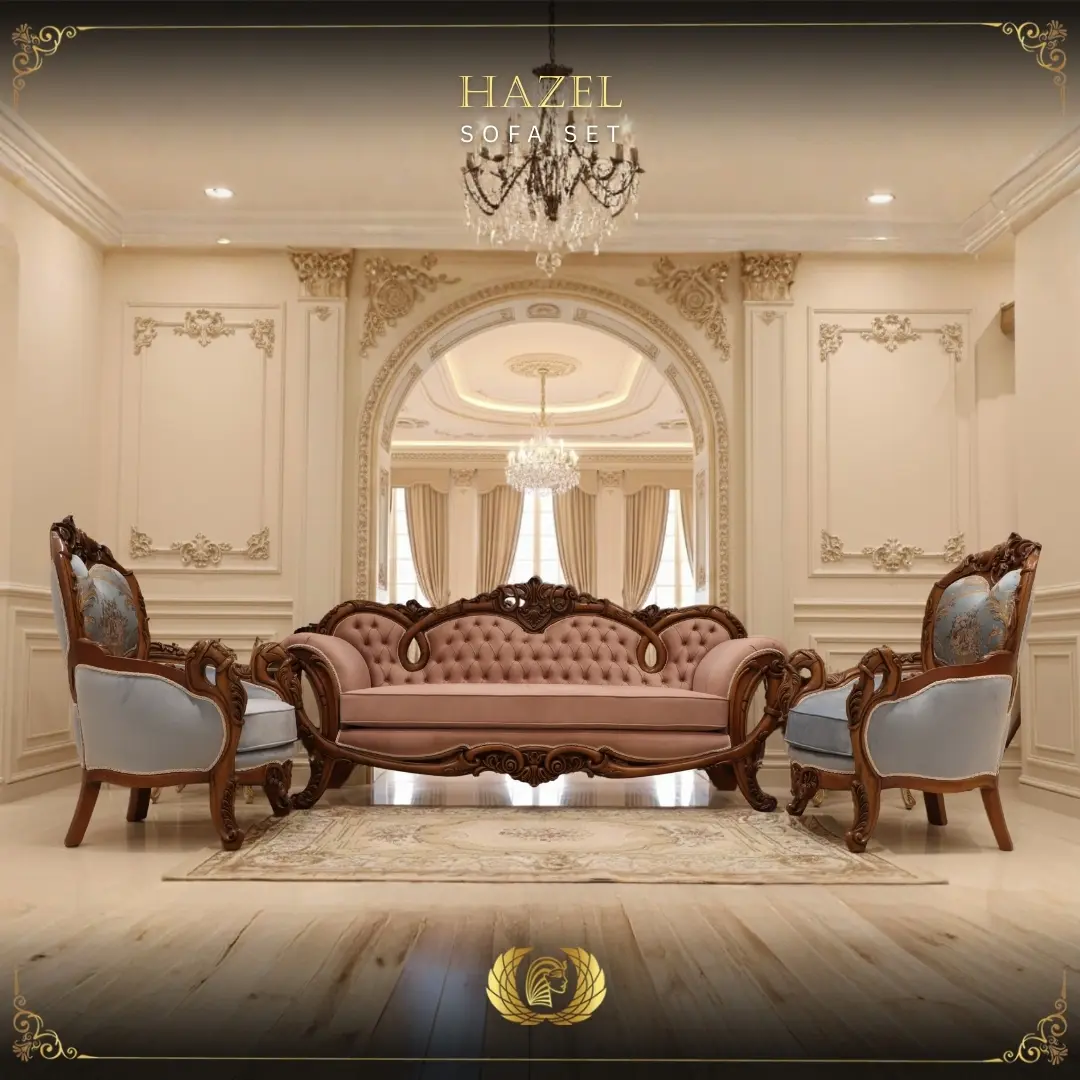
This balance prevents luxury interiors from feeling visually overwhelming. A carved sofa frame, for example, may feature elaborate relief work and hand-finished gilding, but its silhouette remains refined and structured. This combination of detail and restraint is what separates authentic luxury furniture from overly decorative reproductions.
Cultural and Architectural Influences
Egyptian furniture design is deeply connected to architecture. Arched doorways, intricate ceilings, marble flooring, and classical columns often influence the lines and decorative patterns found in furniture pieces. Palace interiors throughout Egypt historically integrated furniture as part of a complete visual environment rather than isolated decorative objects.
Modern luxury interpretations continue this philosophy by pairing handcrafted furniture with layered textures, statement lighting, architectural moldings, and elegant spatial symmetry.
The Origins of Egyptian Luxury Furniture
Traditional Egyptian furniture reflects centuries of cultural exchange and artistic refinement. Its design language developed gradually through multiple historical periods, creating a style that blends regional identity with international luxury influences.
Pharaonic Influence in Decorative Design
Ancient Egyptian decorative traditions continue to influence luxury furniture today through symmetry, symbolic ornamentation, and monumental proportions. Although modern traditional Egyptian furniture is more subtle than literal historical reproductions, many pieces still incorporate structured silhouettes, geometric rhythm, and regal visual presence inspired by ancient interiors.
Decorative carvings, elevated platform beds, and statement seating arrangements often reflect this enduring appreciation for grandeur and permanence.
Ottoman and Mediterranean Influences
During the Ottoman period, Egyptian interiors embraced greater decorative intricacy. Curved forms, intricate woodwork, ornate textiles, and layered detailing became increasingly prominent. Mediterranean influence also introduced lighter color palettes, marble surfaces, and elegant brass accents that softened heavier classical forms.
These influences remain highly relevant in contemporary luxury interiors because they add warmth and refinement without sacrificing visual richness.
European Classical Influence on Egyptian Interiors
French Rococo, Victorian, and Neoclassical styles also shaped the evolution of Egyptian luxury furniture. European artisanship introduced curved cabriole legs, tufted upholstery, decorative marquetry, and elaborate gilding techniques that merged naturally with existing Egyptian craftsmanship traditions.
Today, many luxury Egyptian furniture collections combine these European classical elements with Middle Eastern detailing to create interiors that feel timeless rather than historically confined.
Traditional Egyptian Furniture Style
Key Characteristics of Traditional Egyptian Furniture
Traditional Egyptian furniture is immediately recognizable through its emphasis on handcrafted artistry, luxurious materials, and statement-making silhouettes.
Ornamental Wood Carving
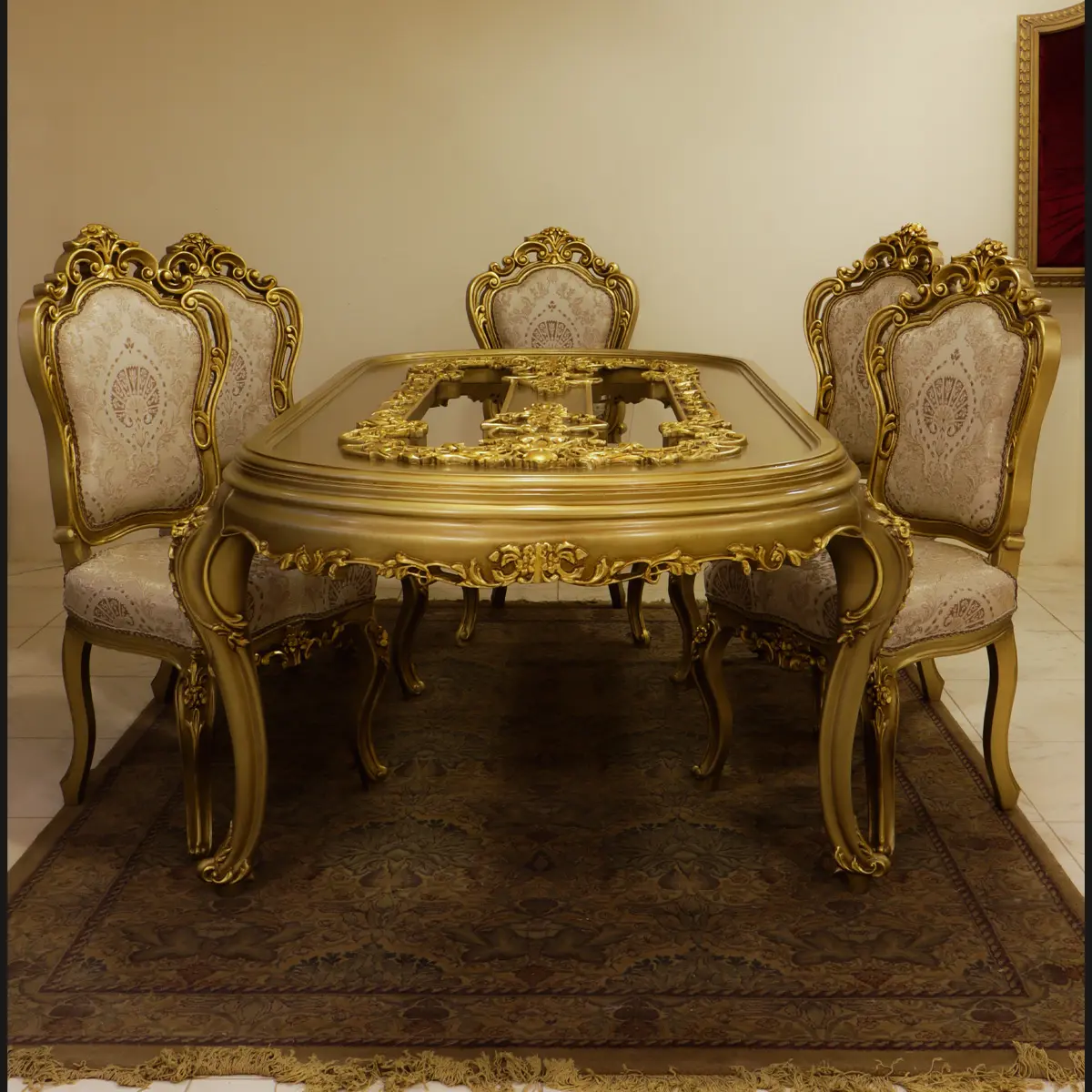
Hand carving remains one of the defining features of authentic Egyptian furniture. Skilled artisans shape floral motifs, scrollwork, geometric patterns, and architectural detailing directly into solid wood frames. This process creates depth, texture, and individuality that machine-produced furniture cannot replicate.
Luxury carved wood furniture often appears in formal living rooms, dining collections, and bedroom suites where craftsmanship becomes a focal point of the interior.
Gold Leaf and Decorative Finishes
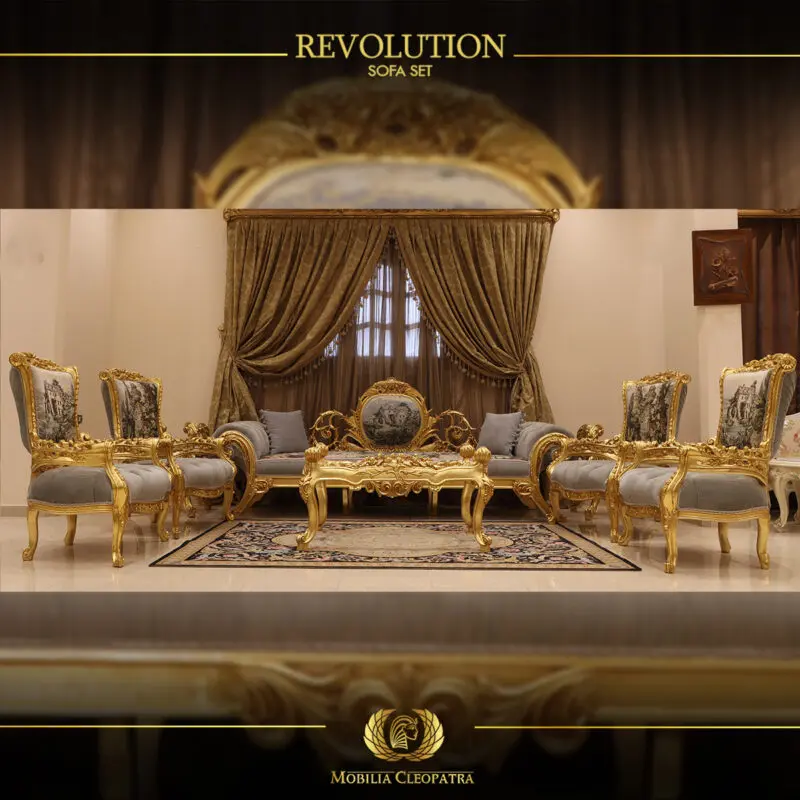
Gold leaf finishing is widely associated with Egyptian luxury interiors because it adds warmth and visual sophistication without appearing overly modern. Hand-applied gilding highlights carved details while enhancing the sculptural quality of furniture frames.
In contemporary interiors, these finishes are often balanced with neutral upholstery, matte textures, and understated architectural elements to maintain elegance.
Statement Silhouettes and Curved Forms
Traditional Egyptian furniture favors graceful silhouettes that feel architectural yet inviting. Curved sofa arms, sculpted headboards, framed upholstery, and formal dining chairs contribute to the sense of refinement associated with palace-inspired interiors.
Large-scale furniture pieces are often designed to anchor expansive living spaces while creating visual rhythm throughout the room.
Rich Upholstery and Luxurious Fabrics
Velvet upholstery, silk accents, linen blends, and handwoven textiles contribute softness and depth to traditional Egyptian interiors. Tufted seating and layered upholstery details enhance comfort while reinforcing the handcrafted nature of luxury furniture construction.
Premium upholstery also plays a practical role by balancing ornate woodwork with tactile warmth and sophistication.
Premium Materials Used in Egyptian Furniture
The quality of traditional Egyptian furniture depends heavily on materials. Authentic luxury furniture prioritizes durability, beauty, and craftsmanship over mass-market efficiency.
Solid Beech Wood and Mahogany
Solid beech wood is one of the most commonly used materials in luxury Egyptian furniture because of its strength, durability, and ability to support intricate carving. Mahogany and walnut are also favored for their rich grain patterns and timeless appearance.
Unlike engineered materials or particleboard construction, solid wood furniture develops character over time while maintaining structural integrity for generations.
Marble, Brass, and Bronze Details
Marble tops, brass accents, and bronze hardware introduce elegance and material contrast into Egyptian interiors. These elements create visual sophistication while reinforcing the sense of permanence associated with luxury craftsmanship.
Decorative metalwork often appears on console tables, dining bases, mirrors, and accent furniture where it complements carved wood detailing.
Velvet, Silk, and Handwoven Upholstery
Traditional Egyptian interiors frequently incorporate luxurious fabrics that elevate comfort and visual texture. Velvet remains particularly popular because it enhances depth and softness while reflecting light beautifully in formal spaces.
Handwoven textiles, silk trims, and layered upholstery details further distinguish artisan-crafted furniture from mass-produced alternatives.
Traditional Egyptian Craftsmanship Techniques
The enduring value of traditional Egyptian furniture lies in its craftsmanship. True luxury furniture is not defined solely by appearance but by the methods used to construct it.
Hand Carving and Relief Detailing
Hand carving requires years of technical mastery. Skilled artisans shape decorative motifs using traditional woodworking tools, allowing each piece to develop subtle variations and unique character.
Relief carving creates dimensional depth that becomes especially striking when paired with hand-applied finishes or gilding.
Decorative Marquetry and Inlay Work
Decorative marquetry and inlay techniques involve embedding contrasting materials into furniture surfaces to create intricate patterns and artistic detail. Mother-of-pearl inlay, geometric wood patterns, and ornamental borders are frequently used in traditional Egyptian furniture.
These techniques require exceptional precision and contribute significantly to the exclusivity of handcrafted furniture.
Mortise and Tenon Joinery
Luxury handcrafted furniture often utilizes mortise and tenon joinery rather than mass-market fasteners or adhesives. This traditional woodworking technique creates stronger structural connections while supporting long-term durability.
High-quality construction methods are particularly important for large dining tables, beds, and formal seating pieces intended for multi-generational use.
Hand-Finished Gilding and Patina
Hand-applied patina and gilding techniques create visual depth that machine-applied finishes cannot replicate. Subtle tonal variation gives furniture a refined, aged appearance associated with heritage craftsmanship and old-world luxury.
Traditional Egyptian Furniture for Luxury Living Rooms
Luxury living rooms are among the most common spaces where traditional Egyptian furniture creates dramatic visual impact.
Formal Seating Arrangements
Traditional Egyptian seating layouts often emphasize symmetry and conversation-oriented arrangements. Matching sofas, carved armchairs, and structured seating groups create formality while maintaining comfort.
In modern interiors, these arrangements are frequently softened with neutral palettes, layered textiles, and contemporary lighting.
Statement Coffee Tables and Consoles
Coffee tables and consoles serve as sculptural focal points within luxury living spaces. Marble surfaces, carved wood bases, and brass detailing add sophistication while reinforcing the handcrafted identity of the room.
Large statement pieces work particularly well in open-concept homes where furniture helps define architectural zones.
Palace-Inspired Accent Pieces
Accent furniture such as mirrors, side tables, benches, and display cabinets contributes to the layered richness associated with palace-style interiors. These smaller pieces often showcase the most intricate craftsmanship details within a room.
When thoughtfully selected, accent pieces create visual continuity without overwhelming the space.
Traditional Egyptian Furniture Style
Egyptian Bedroom Furniture and Elegant Suites
Traditional Egyptian bedroom furniture emphasizes comfort, elegance, and visual harmony.
Handcrafted Bed Frames
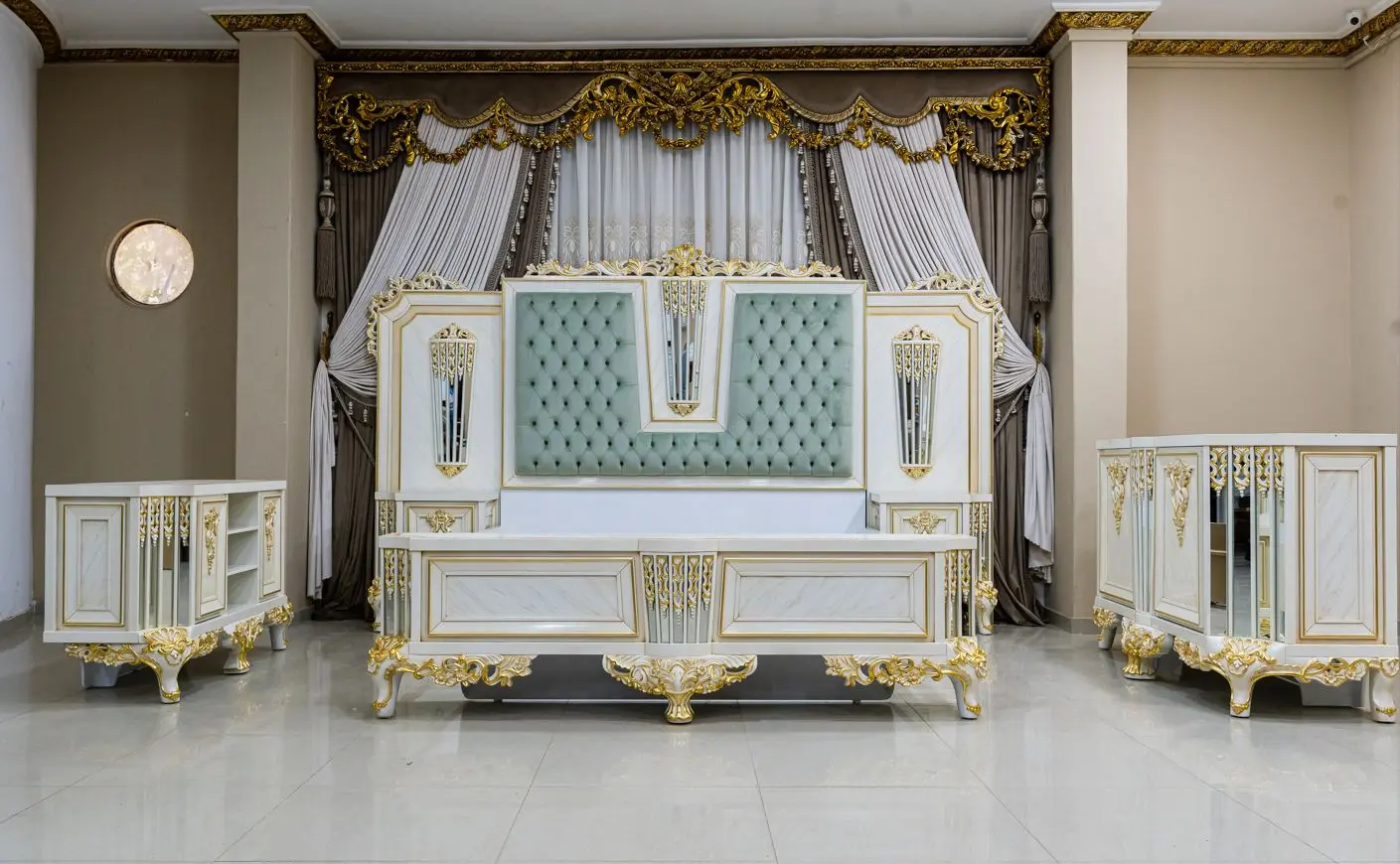
Luxury Egyptian beds often feature carved headboards, upholstered panels, and architectural framing that transforms the bed into the centerpiece of the room. Large-scale proportions contribute to the feeling of grandeur associated with classic interiors.
Ornate Nightstands and Dressers
Nightstands and dressers frequently incorporate decorative moldings, curved edges, marble tops, and custom hardware. Matching furniture collections create cohesion while preserving a tailored luxury aesthetic.
Luxury Upholstered Headboards
Tufted upholstery and layered fabric detailing soften ornate wood frames while adding comfort and sophistication. Neutral velvets and textured linens are especially popular in contemporary interpretations of Egyptian luxury interiors.
How Traditional Egyptian Furniture Fits Modern Luxury Interiors
One of the biggest misconceptions about traditional Egyptian furniture is that it only works in historically styled homes. In reality, many luxury designers successfully integrate handcrafted Egyptian pieces into transitional and contemporary interiors.
Mixing Old-World Furniture with Contemporary Spaces
A carved console or statement dining table can create powerful contrast within minimalist architecture. This juxtaposition allows craftsmanship to stand out while preventing interiors from feeling overly ornate.
Creating Balance with Neutral Architecture
Neutral walls, natural lighting, and restrained color palettes help traditional furniture feel modern and sophisticated. By simplifying surrounding elements, designers allow handcrafted details to become focal points.
Luxury Layering with Textures and Metals
Combining carved wood, velvet upholstery, marble, and brass creates layered visual richness without relying on excessive decoration. This approach aligns with current luxury interior trends focused on material authenticity and timeless design.
Traditional Egyptian Style vs. Other Classical Furniture Styles
Traditional Egyptian furniture shares certain characteristics with other classical design traditions while maintaining a distinctive identity.
Egyptian vs. French Rococo
French Rococo furniture tends to emphasize asymmetry, playful ornamentation, and delicate curves. Traditional Egyptian furniture, by contrast, often feels more structured and architectural despite its decorative richness.
Egyptian vs. Victorian Furniture
Victorian furniture is typically darker, heavier, and more densely layered. Egyptian interiors generally incorporate greater visual openness and Mediterranean influence, resulting in a lighter sense of elegance.
Egyptian vs. Mediterranean Luxury Design
Mediterranean interiors prioritize natural textures and relaxed sophistication, while Egyptian luxury interiors often introduce more formal detailing, carved ornamentation, and palace-inspired grandeur.
How to Identify Authentic Handcrafted Egyptian Furniture
As demand for luxury heritage furniture grows, distinguishing authentic craftsmanship from factory-produced imitations becomes increasingly important.
Signs of Artisan Craftsmanship
Authentic handcrafted furniture typically reveals subtle variations in carving, finishing, and detailing. These nuances indicate human artistry rather than machine uniformity.
Materials That Indicate Premium Quality
Solid hardwood construction, premium upholstery, brass hardware, and hand-applied finishes are all indicators of quality craftsmanship. Inferior materials often compromise durability and long-term appearance.
Construction Techniques That Matter
Traditional joinery methods, reinforced frames, and hand-finished surfaces contribute significantly to the longevity of luxury furniture. These details may not always be visible immediately, but they determine how furniture performs over time.
Traditional Egyptian Furniture Style
Why Custom Egyptian Furniture Appeals to Luxury Homeowners
Customization has become increasingly important within the luxury furniture market because affluent homeowners seek interiors that feel personal and distinctive.
Bespoke Dimensions and Finishes
Custom furniture allows homeowners to tailor dimensions, finishes, fabrics, and detailing to suit their architecture and lifestyle. This flexibility is particularly valuable in large-scale residences and designer-led projects.
Personalization for Interior Designers
Interior designers frequently use bespoke Egyptian furniture to create signature interiors with unique visual identity. Customized finishes and upholstery ensure cohesive design execution.
Heirloom-Quality Furniture Investment
Luxury handcrafted furniture is often viewed as a long-term investment rather than a temporary purchase. Well-constructed pieces maintain both functional and aesthetic value over decades.
The Modern Revival of Traditional Egyptian Furniture in the U.S.
American luxury interiors are increasingly embracing heritage-inspired design rooted in craftsmanship and material authenticity.
Growing Demand for Heritage Luxury
Consumers are moving away from disposable furniture trends in favor of pieces with narrative depth, artisanal quality, and cultural influence. Traditional Egyptian furniture aligns naturally with this shift.
Artisan-Made Furniture Trends
Handmade furniture resonates strongly with luxury buyers seeking individuality and craftsmanship transparency. Hand carving, custom finishes, and artisan upholstery elevate furniture beyond commodity status.
Timeless Design in Premium Interiors
Traditional Egyptian furniture remains relevant because it emphasizes enduring elegance rather than short-lived trends. When thoughtfully integrated into modern homes, these pieces create interiors that feel sophisticated, collected, and timeless.
Discover Handcrafted Egyptian Furniture with Mobilia Cleopatra
Luxury furniture should feel personal, enduring, and architecturally connected to the home it inhabits. That philosophy defines the approach of Mobilia Cleopatra, a premium furniture brand specializing in handcrafted luxury collections inspired by heritage craftsmanship and timeless interior design.
Custom Luxury Furniture Collections
Mobilia Cleopatra offers custom furniture collections designed for refined living rooms, elegant bedrooms, formal dining spaces, and sophisticated interiors. Each collection reflects a balance between traditional craftsmanship and contemporary luxury living.
Premium Materials and Artisan Craftsmanship
From solid beech wood construction to hand-carved detailing and luxury upholstery, every furniture piece is designed with durability, comfort, and visual sophistication in mind. Premium materials and traditional woodworking methods help preserve the integrity of true luxury craftsmanship.
Traditional Design Tailored for Modern Homes
Modern luxury homeowners increasingly seek furniture that feels distinctive yet timeless. Egyptian-inspired furniture offers exactly that balance by combining historical artistry with contemporary functionality. Whether incorporated through a carved statement bed, a gilded console, or an upholstered seating collection, traditional Egyptian furniture continues to define elegant interiors rooted in craftsmanship, heritage, and enduring design excellence.
Traditional Egyptian Furniture Style
FAQs
What is traditional Egyptian furniture style?
Traditional Egyptian furniture style is a luxury design aesthetic rooted in handcrafted woodworking, ornamental carving, rich upholstery, and architectural symmetry. It combines historical Egyptian influences with Ottoman, Mediterranean, and European classical design traditions to create interiors that feel elegant, refined, and timeless.
What materials are commonly used in Egyptian furniture?
Luxury Egyptian furniture commonly uses solid beech wood, mahogany, walnut, marble, brass, bronze, velvet upholstery, silk fabrics, and handwoven textiles. These materials are valued for their durability, craftsmanship potential, and sophisticated appearance.
Is Egyptian furniture considered luxury furniture?
Yes. Authentic handcrafted Egyptian furniture is widely considered part of the luxury furniture category because of its artisanal construction, premium materials, detailed carving, and bespoke customization options. High-end Egyptian furniture is often produced by skilled craftsmen using traditional woodworking techniques.
How can you identify handcrafted Egyptian furniture?
Handcrafted Egyptian furniture typically features intricate carving, solid wood construction, hand-applied finishes, traditional joinery, and subtle variations that indicate artisan craftsmanship. Machine-made reproductions often lack depth, material quality, and construction integrity.
What colors work best with traditional Egyptian interiors?
Neutral palettes such as ivory, cream, taupe, sand, and warm beige work exceptionally well with traditional Egyptian furniture. Rich jewel tones, gold accents, bronze finishes, and deep wood tones can also add depth and elegance when balanced carefully.
Can traditional Egyptian furniture work in modern homes?
Absolutely. Many interior designers combine traditional Egyptian furniture with contemporary architecture to create layered luxury interiors. A carved statement piece or upholstered classic sofa can add warmth, character, and sophistication to minimalist or transitional spaces.
What is the difference between Egyptian and Victorian furniture?
Victorian furniture generally appears heavier and darker with dense ornamentation, while Egyptian furniture often incorporates greater symmetry, Mediterranean influence, and architectural elegance. Egyptian interiors also tend to feel lighter and more spatially balanced.
Why is solid beech wood popular in luxury Egyptian furniture?
Solid beech wood is durable, stable, and highly suitable for intricate carving. It allows artisans to create detailed decorative work while maintaining long-term structural strength, making it ideal for handcrafted luxury furniture.
What defines palace-style Egyptian interiors?
Palace-style Egyptian interiors emphasize grandeur, symmetry, layered textures, ornate craftsmanship, marble surfaces, gilded detailing, luxurious upholstery, and statement furniture pieces designed to create a refined and formal atmosphere.
Is custom Egyptian furniture worth the investment?
Custom Egyptian furniture is often considered a worthwhile investment because it offers superior craftsmanship, personalization, durability, and timeless design value. Bespoke furniture also allows homeowners and designers to tailor dimensions, finishes, and upholstery to specific spaces.
What fabrics are commonly used in traditional Egyptian upholstery?
Velvet, silk, linen blends, and decorative woven textiles are among the most commonly used fabrics in luxury Egyptian upholstery. These materials enhance comfort while complementing carved wood and decorative detailing.
How do designers blend Egyptian furniture with contemporary décor?
Designers often balance ornate furniture with clean architectural lines, neutral palettes, restrained accessories, and modern lighting. This contrast allows handcrafted details to stand out while keeping interiors sophisticated and current.
