Free shipping · 0% for 6 months · White-glove available


Hand-Carved Furniture Guide


Hand-carved furniture occupies a rare position in the world of luxury interiors—where functional design becomes artistic expression and woodworking transcends utility to become cultural heritage. In premium U.S. interior design, carved furniture is often associated with legacy homes, bespoke estates, and curated spaces where every detail is intentional. Unlike mass-produced pieces, hand-carved furniture reflects the patience of artisan woodworking, the precision of traditional joinery systems, and the individuality of natural hardwood grain.
In contemporary luxury design, brands such as Mobilia Cleopatra represent a renewed appreciation for this craftsmanship-driven philosophy, where furniture is not only built but sculpted. Each carved surface tells a story of technique, material integrity, and design intention. Whether featured as a statement dining table, an ornate console, or a sculptural bedroom frame, hand-carved furniture brings architectural depth to interiors.
This guide explores everything from materials and craftsmanship techniques to stylistic influences and buying considerations. It is designed for homeowners, designers, and collectors seeking clarity in a market where authenticity, quality, and craftsmanship vary widely. Understanding hand-carved furniture is ultimately about understanding value—both aesthetic and structural—and how it shapes the emotional character of a space.
What Is Hand-Carved Furniture? Understanding Artisan Craftsmanship
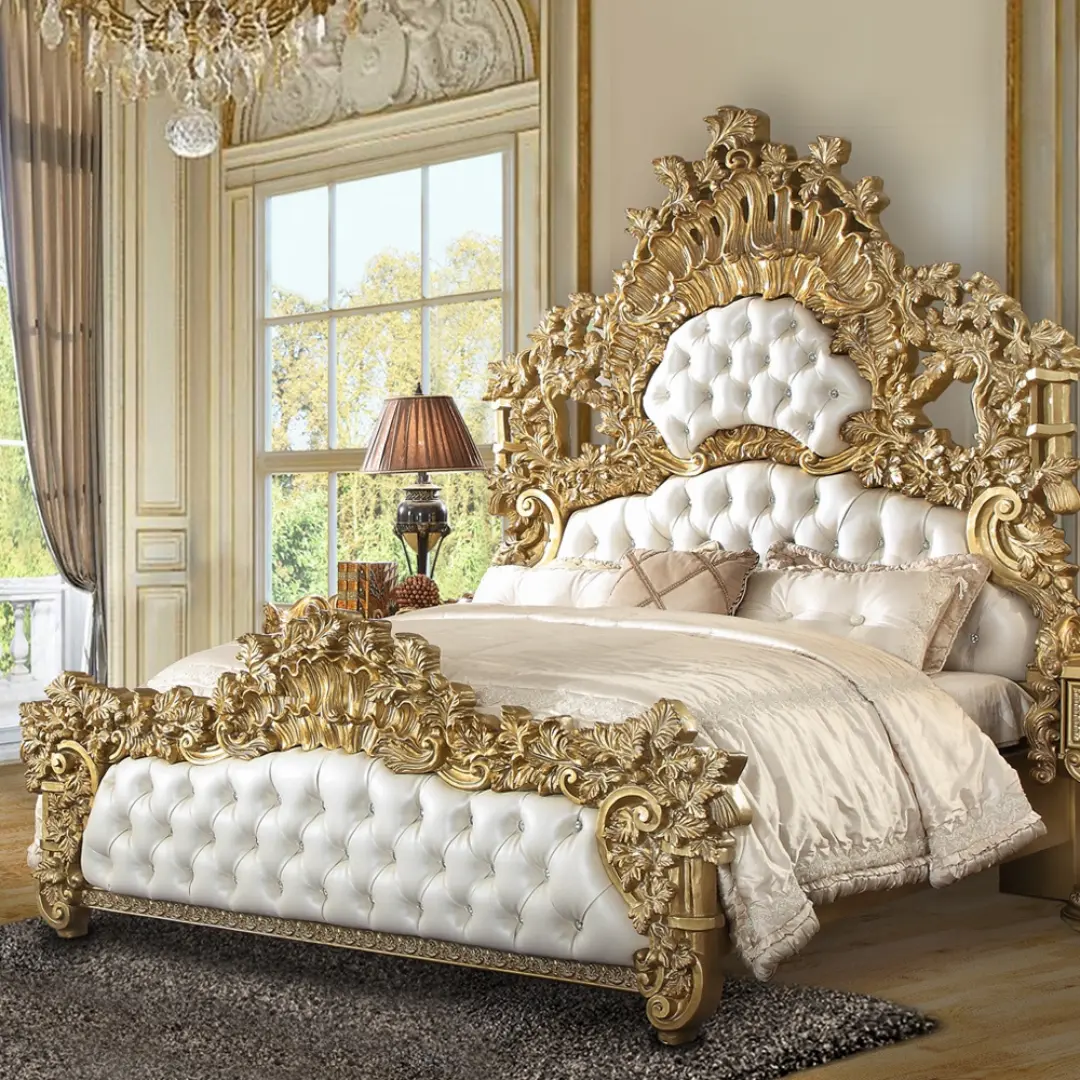
Hand-carved furniture is defined by the direct intervention of skilled artisans who shape wood using chisels, gouges, and traditional carving tools rather than automated machinery. Each detail is individually executed, meaning no two pieces are ever identical. This uniqueness is central to its appeal in luxury interiors, where exclusivity and craftsmanship are core design values.
Hand-Carved Furniture
Defining Hand Carving Woodworking in Luxury Design
In luxury furniture design, hand carving woodworking is not merely decorative—it is structural storytelling. Artisans study the natural behavior of wood grain, adjusting carving depth and direction to enhance both durability and visual rhythm. Decorative wood relief carving is often used to create dimensional surfaces that interact with light, casting subtle shadows that evolve throughout the day. This technique is especially prominent in bespoke interior furniture manufacturing, where design is tailored to architectural context rather than standardized production.
Why Solid Hardwood Furniture Matters in Carved Pieces
True hand-carved furniture relies on solid hardwood furniture construction, as softer engineered materials cannot support deep carving or long-term structural stability. Woods such as walnut, oak, and mahogany allow for controlled carving while maintaining integrity over decades. Kiln-dried hardwood ensures moisture stability, reducing the risk of cracking or warping. In high-end applications, solid wood is essential not only for durability but for preserving the clarity of carved details over time.
The History and Evolution of Hand-Carved Furniture
Hand-carved furniture has deep roots in European design traditions, where craftsmanship was once a symbol of status and cultural refinement. From royal palaces to aristocratic estates, carved wood detailing was used to express wealth, artistry, and architectural harmony.
Traditional European Furniture Design Influence
Traditional European furniture design, particularly from French Provincial, Baroque, and Rococo movements, heavily influenced modern luxury carving aesthetics. These styles emphasized ornamentation, symmetry, and sculptural detailing. Baroque furniture style introduced dramatic curves and intricate motifs, while Rococo design favored lighter, more playful decorative elements. These historical influences continue to inform luxury artisan furniture design in today’s high-end interiors.
From Heritage Furniture Restoration to Modern Luxury Interiors
The evolution from heritage furniture restoration to contemporary design reflects a shift in how craftsmanship is valued. Previously, carved furniture was preserved as antique heritage. Today, it is reinterpreted for modern interiors through luxury artisan woodworking USA studios that blend traditional techniques with contemporary silhouettes. This fusion allows carved furniture to exist comfortably in both classic and modern classic fusion interiors, bridging historical elegance with present-day functionality.
Hand-Carved Furniture vs Machine-Made Furniture
Understanding the difference between hand-carved and machine-made furniture is essential for evaluating quality, longevity, and value. While both may appear similar at a glance, their construction philosophies differ fundamentally.
CNC Carving vs Hand Carving Comparison
CNC carving vs hand carving comparison highlights one of the most important distinctions in modern furniture production. CNC machines produce highly precise, repeatable patterns using digital templates, making them efficient for mass production. However, they lack the subtle imperfections and adaptive creativity of human craftsmanship. Hand carving, by contrast, allows artisans to respond to the natural grain structure, adjusting depth and detail in real time. This results in more organic, expressive surfaces that cannot be digitally replicated.
Value, Durability, and Aesthetic Differences
Machine-made furniture often prioritizes speed and cost efficiency, while hand-carved pieces prioritize longevity and artistic value. Solid hardwood furniture that is hand-carved typically develops a richer patina over time, enhancing its aesthetic character. Mortise and tenon joinery systems used in artisan construction also provide superior structural integrity compared to mass-produced fasteners. In luxury interiors, this difference becomes visible not only in appearance but in the emotional presence of the piece.
Materials Used in Luxury Hand-Carved Furniture
Material selection is one of the most critical factors in determining the quality and performance of carved furniture. High-end pieces rely on carefully selected hardwoods that balance workability with structural resilience.
Hand-Carved Furniture
Mahogany, Walnut, Oak, and Cherry Wood Explained
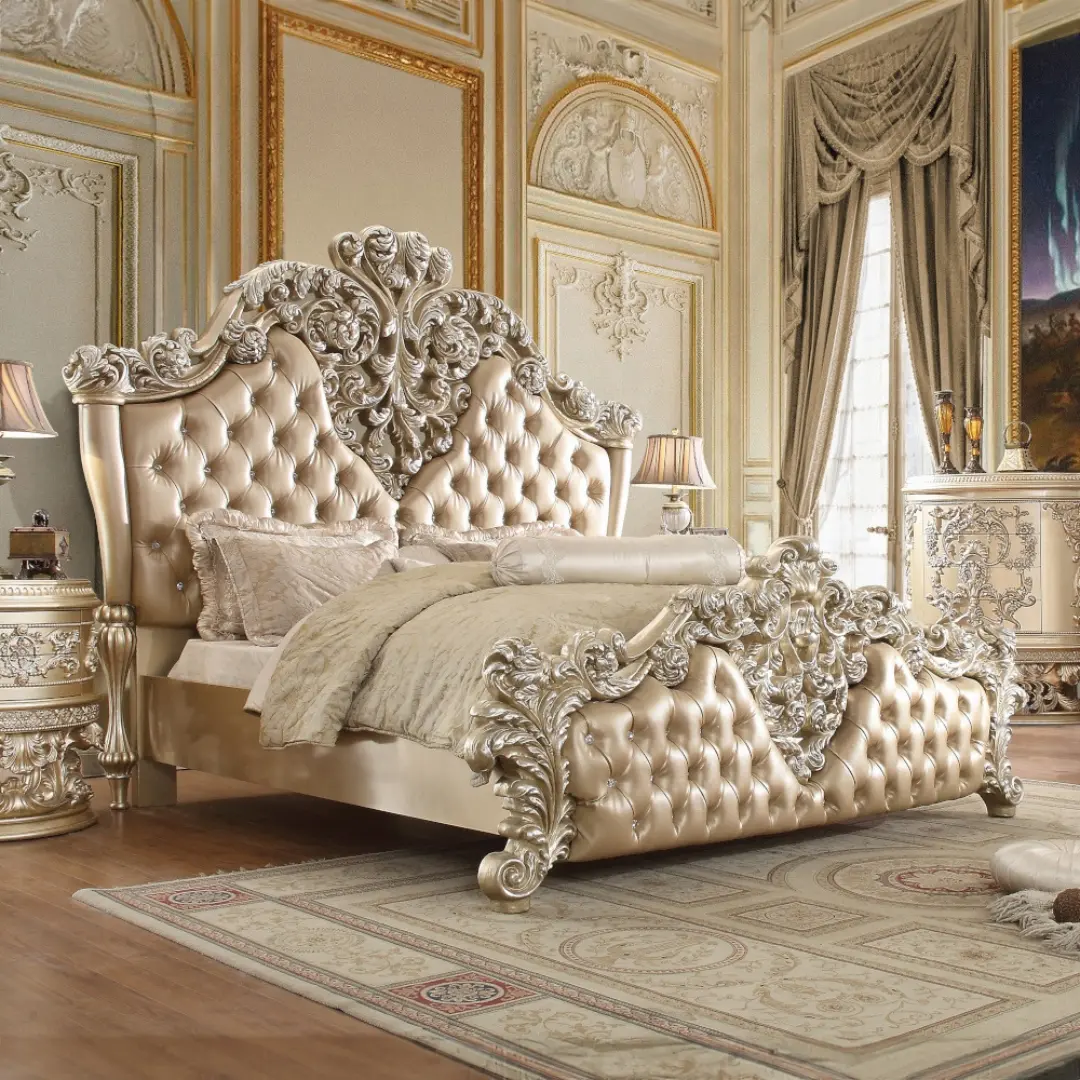
Mahogany wood is prized for its rich tone and fine grain, making it ideal for deep ornamental carving. Walnut wood offers a darker, more contemporary luxury aesthetic with strong grain definition. Oak hardwood provides exceptional durability and is often used in traditional European furniture design. Cherry wood is valued for its warm coloration and smooth carving response, which deepens in tone over time, enhancing heirloom-quality appeal.
Role of Kiln-Dried Hardwood and Grain Structure
Kiln-dried hardwood is essential in preventing moisture-related deformation. The drying process stabilizes the wood, ensuring that intricate carvings remain intact over decades of use. Structural wood grain alignment also plays a critical role, as carving against the grain can weaken integrity. Expert artisans study grain direction carefully before beginning any hand chiseling techniques, ensuring both beauty and durability are preserved.
Signature Styles in Hand-Carved Furniture
Hand-carved furniture spans a wide range of design languages, each rooted in historical and cultural influences that continue to shape modern luxury interiors.
French Provincial and Baroque Furniture Style
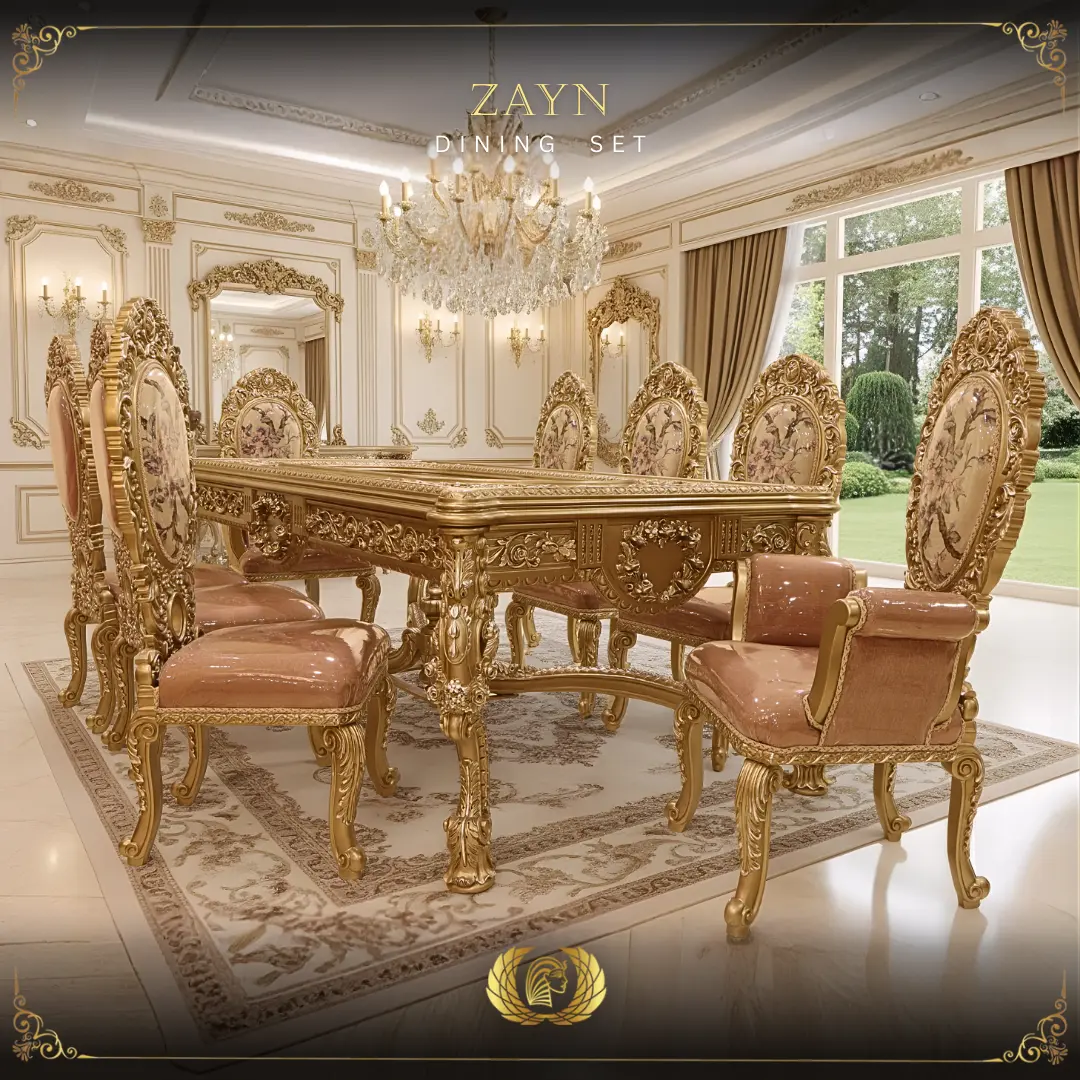
French Provincial style emphasizes elegant curves, floral motifs, and soft ornamental detailing. Baroque furniture style, by contrast, is more dramatic, featuring bold sculptural forms and intricate decorative wood relief carving. Both styles are commonly used in statement carved furniture luxury interiors, particularly in formal living and dining spaces.
Victorian Ornate and Neoclassical Furniture Design
Victorian ornate style is characterized by rich detailing, layered textures, and symbolic motifs. Neoclassical furniture design introduces balance and symmetry, drawing inspiration from ancient Greek and Roman architecture. These styles are often used in high-end carved wood sofa sets and formal cabinetry.
Mediterranean Rustic Luxury and Italian Classic Style
Mediterranean rustic luxury blends natural textures with handcrafted warmth, often incorporating oak hardwood and natural oil wood finishing. Italian classic furniture style emphasizes proportion, elegance, and refined detailing, making it a preferred choice for bespoke interior furniture manufacturing.
Core Craftsmanship Techniques Behind Hand-Carved Furniture
The artistry of hand-carved furniture lies in the techniques used to transform raw wood into sculptural form.
Relief Wood Carving and Deep Sculpting Techniques
Relief wood carving involves creating raised patterns that interact dynamically with light and shadow. Deep sculpting techniques are used for more dramatic decorative effects, often seen in luxury hand carved bedroom furniture and statement headboards.
Hand Chiseling and Traditional Woodworking Bench Methods
Hand chiseling techniques require precision, patience, and an understanding of wood behavior. Traditional woodworking bench techniques ensure stability during carving, allowing artisans to achieve consistent depth and symmetry across complex designs.
Inlay Craftsmanship and Gold Leaf Detailing
Inlay craftsmanship introduces contrasting materials such as brass accents, marble inlays, or wood variations. Gold leaf detailing is often applied in neoclassical furniture design, adding a layer of refined luxury that enhances visual richness without overwhelming the structure.
Joinery and Structural Integrity in Premium Furniture
Luxury carved furniture is not only about appearance—it is fundamentally about structural engineering.
Mortise and Tenon Joinery Systems
Mortise and tenon joinery is one of the oldest and most reliable construction methods in fine furniture making. It creates strong interlocking connections without relying on mechanical fasteners, ensuring long-term durability in solid hardwood furniture.
Frame Carving Structural Reinforcement
Frame carving structural reinforcement ensures that decorative elements do not compromise stability. Skilled artisans integrate carved components into load-bearing frameworks, balancing aesthetics with engineering precision. This is especially important in upholstered carved wood furniture, where structure must support both weight and design complexity.
Hand-Carved Furniture
Finishing Techniques That Define Luxury Quality
Finishing is where carved furniture achieves its final identity, influencing both appearance and longevity.
Natural Oil vs Lacquer Finishes
Natural oil finishes enhance the organic texture of wood, allowing grain patterns to remain visible and tactile. Lacquer finishes, on the other hand, provide a protective surface with a polished, refined appearance. Both techniques are used in premium interior design furniture depending on aesthetic goals.
Patina Development and Hand-Applied Staining
Furniture patina development is a hallmark of heirloom-quality pieces. Over time, natural aging deepens color and texture. Hand-applied staining allows artisans to control tonal variation, ensuring harmony with interior palettes and lighting conditions.
Upholstery Integration in Carved Furniture Design
Carved furniture often integrates upholstery to balance visual richness with comfort.
Linen, Velvet, and Leather Upholstery Applications
Linen upholstery offers a relaxed, natural texture suitable for Mediterranean rustic luxury interiors. Velvet upholstery enhances richness and depth, commonly used in Victorian ornate style settings. Leather upholstery introduces durability and timeless elegance, often seen in modern classic fusion interiors.
Upholstery Padding Systems in Luxury Sofas
Upholstery padding systems are engineered to provide ergonomic comfort while maintaining sculptural form. High-density cushioning ensures longevity without compromising silhouette integrity, particularly in high end carved wood sofa sets.
How to Identify High-Quality Hand-Carved Furniture
Identifying authentic craftsmanship requires attention to detail and material awareness.
Signs of True Artisan Craftsmanship
Authentic pieces display subtle variations in carving depth, evidence of hand chiseling techniques. Machine-made furniture often appears overly uniform, lacking the organic irregularities that define artisan work. Joinery quality and structural precision are also strong indicators of craftsmanship authenticity.
Wood Quality, Grain Alignment, and Detailing Precision
High-quality carved furniture uses properly aligned grain structure to ensure strength and visual continuity. Poor alignment can weaken carved areas over time. Precision in detailing, especially in decorative wood relief carving, reflects the skill level of the artisan and the integrity of the design process.
Custom Hand-Carved Furniture in Modern U.S. Interiors
Custom carved furniture has become increasingly relevant in contemporary luxury homes across the United States.
Bespoke Interior Furniture Manufacturing Process
Bespoke interior furniture manufacturing begins with design consultation, followed by material selection, carving execution, and finishing. Each stage is tailored to architectural context, ensuring harmony between furniture and interior space. This process allows for complete customization in scale, style, and detailing.
Luxury Artisan Furniture Design in Contemporary Homes
In modern interiors, carved furniture is often used as a focal point rather than a full thematic approach. A single statement console or dining table can define an entire space, especially when paired with modern classic fusion interiors. Brands like Mobilia Cleopatra contribute to this evolution by merging traditional craftsmanship with contemporary design sensibilities.
Sustainability and Ethical Wood Sourcing
Sustainability has become an essential consideration in luxury furniture production.
Sustainable Forestry Wood Practices
Responsible sourcing ensures that hardwoods such as walnut, oak, and cherry are harvested through sustainable forestry wood sourcing practices. This supports environmental balance while maintaining material quality for future generations of craftsmanship.
Longevity and Heirloom-Quality Furniture Value
Hand-carved furniture is inherently sustainable due to its longevity. Heirloom-quality wooden carved furniture is designed to last decades, reducing consumption cycles and supporting long-term value over disposable production models.

Hand-Carved Furniture
Hand-Carved Furniture in Luxury Interior Design
Carved furniture plays a defining role in shaping atmosphere within luxury interiors.
Statement Pieces in High-End Living Spaces
Statement carved furniture luxury interiors often center around sculptural dining tables, ornate headboards, or decorative cabinets. These pieces act as visual anchors, grounding the spatial narrative and enhancing architectural character.
Carved Cabinet and Console Designs as Focal Points
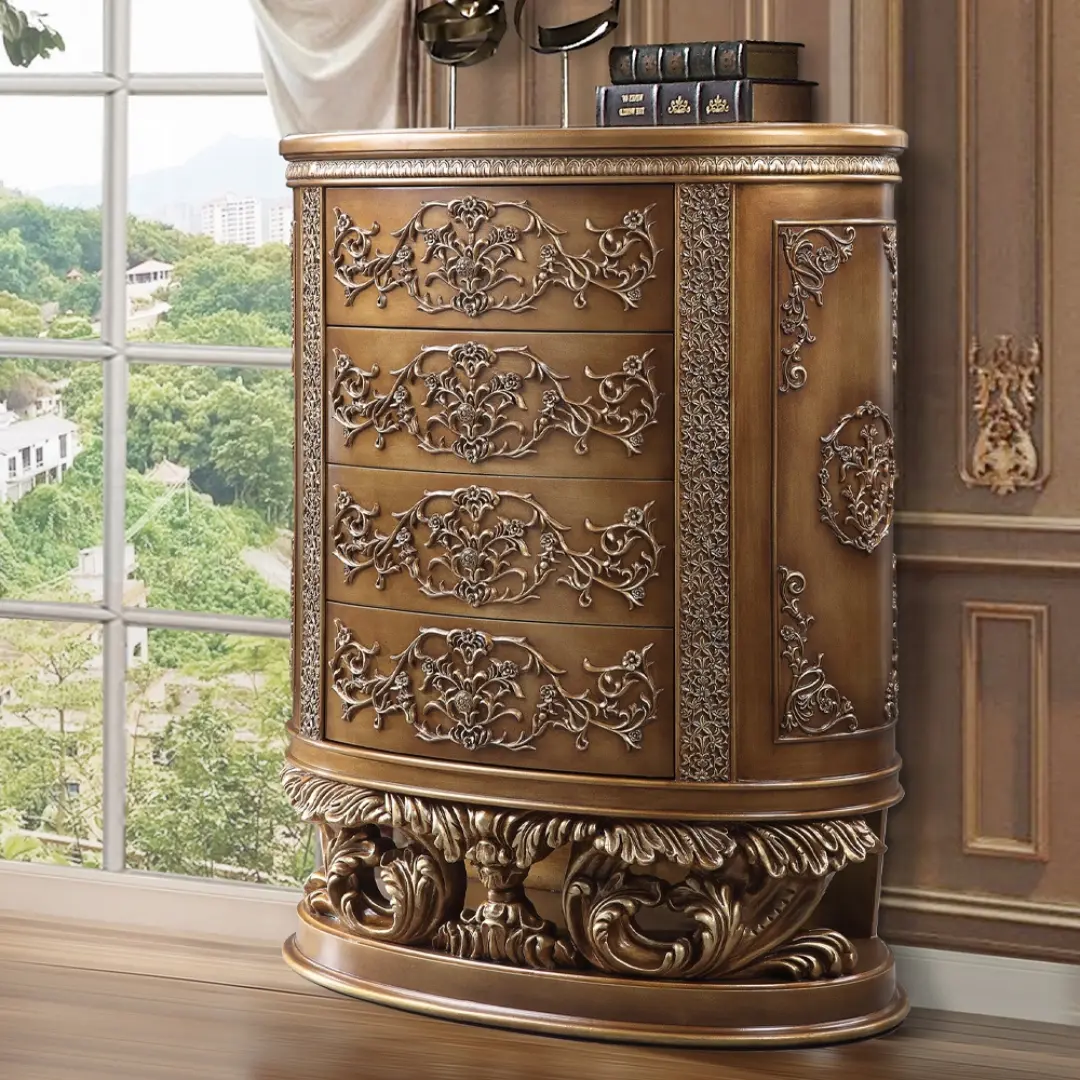
Carved cabinet and console designs are frequently used in entryways and living spaces to create immediate visual impact. Their detailing draws attention while maintaining functional elegance, making them ideal for curated luxury environments.
Choosing the Right Hand-Carved Furniture for Your Space
Selecting carved furniture requires balancing aesthetics, function, and spatial harmony.
Balancing Style, Function, and Interior Theme
The right piece should complement existing architectural elements while contributing its own visual identity. Whether aligned with French Provincial or Italian classic furniture style, cohesion is key to maintaining design integrity.
Working with Custom Furniture Makers in the USA
Working with custom furniture makers in the USA allows clients to achieve tailored results aligned with personal vision. Through collaboration with luxury artisan furniture design studios like Mobilia Cleopatra, clients gain access to craftsmanship-driven solutions that prioritize detail, material quality, and design authenticity.
Conclusion
Hand-carved furniture represents one of the most refined expressions of human craftsmanship in interior design. It exists at the intersection of art, engineering, and cultural heritage, offering far more than decorative value. From the selection of solid hardwood furniture to the precision of mortise and tenon joinery systems, every stage of its creation reflects a commitment to permanence and artistry.
In today’s luxury interior landscape, carved furniture continues to evolve—bridging traditional European furniture design with modern American living spaces. Whether expressed through Baroque ornamentation, Neoclassical symmetry, or Mediterranean rustic luxury, these pieces bring depth and narrative into interiors that mass-produced furniture cannot replicate.
For homeowners and designers, understanding hand-carved furniture is ultimately about recognizing value beyond surface appearance. It is about appreciating material honesty, craftsmanship discipline, and design intention. In bespoke interiors, these qualities transform furniture into heirlooms—objects meant not just to furnish a space, but to define it.
Brands such as Mobilia Cleopatra reflect this philosophy through a commitment to luxury artisan furniture design and custom craftsmanship rooted in precision and authenticity. In a world increasingly defined by speed and standardization, hand-carved furniture remains a deliberate return to artistry, patience, and enduring design legacy.
Hand-Carved Furniture
FAQs
What is hand-carved furniture and how is it made?
Hand-carved furniture is created by skilled artisans who shape solid wood using chisels and traditional tools rather than machines. Each detail is manually sculpted, making every piece unique. The process involves selecting hardwood, planning the design, carving intricate patterns, and finishing with oils or lacquers to enhance durability and aesthetics.
Why is hand-carved furniture more expensive than machine-made furniture?
The cost reflects the time, skill, and craftsmanship involved. Artisans may spend weeks or months on a single piece. Additionally, solid hardwood materials, bespoke design work, and manual finishing contribute to higher value. Unlike machine-made furniture, each piece is effectively one-of-a-kind.
What types of wood are best for hand-carved furniture?
Mahogany, walnut, oak, and cherry wood are commonly used due to their strength, grain stability, and carving responsiveness. These hardwoods support detailed work while maintaining structural integrity over time.
How can I tell if furniture is truly hand-carved?
Look for subtle irregularities in detailing, variations in carving depth, and natural grain integration. Machine-made pieces tend to appear overly uniform. Authentic hand carving shows human precision and organic variation.
Is hand-carved furniture durable for everyday use?
Yes, when made from solid hardwood with proper joinery systems like mortise and tenon, hand-carved furniture is extremely durable and often lasts for generations.
What styles are most common in luxury hand-carved furniture?
Popular styles include French Provincial, Baroque, Victorian ornate, Neoclassical, and Italian classic furniture design, each offering distinct decorative language and cultural influence.
What is the difference between CNC carving and hand carving?
CNC carving uses automated machines for precision replication, while hand carving relies on artisan skill and interpretation. Hand carving produces more organic, expressive, and unique results.
Can hand-carved furniture be customized for modern interiors?
Yes. Custom carved furniture can be adapted to contemporary spaces through simplified ornamentation, modern silhouettes, and tailored finishes that align with modern classic fusion interiors.
How do artisans achieve fine detailing in carved wood furniture?
They use hand chiseling techniques, relief carving, and layered sculpting methods, carefully working with wood grain direction to achieve precision without damaging structural integrity.
Is solid wood always used in hand-carved furniture?
In high-quality luxury furniture, yes. Solid hardwood is essential for durability and carving depth. Engineered wood cannot support the same level of detail or longevity.
How should I maintain and care for carved wood furniture?
Avoid excessive moisture, direct sunlight, and harsh chemicals. Regular dusting and occasional conditioning with natural oils help preserve finish and patina over time.
Where can I find custom hand-carved furniture in the U.S.?
Custom luxury furniture studios such as Mobilia Cleopatra specialize in bespoke hand-carved designs tailored to U.S. interior design standards, offering fully customized craftsmanship solutions for residential and commercial spaces.
