Free shipping · 0% for 6 months · White-glove available


Artisan Furniture Explained


Artisan furniture occupies a distinct and increasingly influential space within the American luxury interior design landscape. Unlike mass-produced furnishings that prioritize scale and uniformity, artisan pieces are defined by intentional craftsmanship, material integrity, and the human hand behind every detail. In the U.S. luxury furniture market, this distinction has become more than aesthetic—it represents a shift toward authenticity, longevity, and design meaning within residential interiors.
At its core, artisan furniture is not simply “handmade furniture.” It is the result of refined woodworking traditions, advanced material selection, and design philosophies that prioritize both function and artistry. Each piece is typically created through a meticulous process involving solid hardwood construction, traditional joinery, hand-finishing techniques, and often bespoke customization tailored to interior spaces. This level of detail creates furniture that feels deeply personal and structurally enduring.
Within high-end interiors, artisan furniture is especially valued for its ability to elevate spatial identity. Whether placed in a modern organic living room, a transitional luxury dining space, or a classic American bedroom suite, these pieces serve as anchors of design storytelling. They reflect not only aesthetic preference but also lifestyle values—sustainability, craftsmanship appreciation, and long-term investment thinking.
Brands such as Mobilia Cleopatra (mobiliacleopatra.com) operate within this elevated segment, focusing on custom-crafted luxury furniture that aligns with U.S. design expectations for quality, material authenticity, and bespoke execution. In this guide, we explore what artisan furniture truly means, how it is made, and why it continues to shape the future of luxury interiors in the United States.
What Is Artisan Furniture? A Modern Definition of Handcrafted Luxury
Artisan furniture refers to high-quality, handcrafted furniture created by skilled craftspeople who combine traditional woodworking techniques with contemporary design sensibilities. It is defined not only by its visual appeal but by the depth of craftsmanship behind its construction. Each piece is typically built with careful attention to proportion, material selection, and structural integrity, resulting in furniture that is both functional and artistically expressive.
Artisan Furniture
Artisan craftsmanship in furniture design explained
At the heart of artisan craftsmanship is the principle of intentional creation. Every cut, joint, and finish is executed with precision rather than automation. Techniques such as hand-carving, hand-sanding, and hand-applied staining ensure that no two pieces are exactly identical. This individuality is what elevates artisan furniture into the category of collectible design rather than disposable furnishing.
In luxury interior design, artisan craftsmanship is often associated with heirloom-quality furniture construction—pieces designed to last generations while maintaining structural and aesthetic integrity. The emphasis is placed on natural materials such as walnut, oak, and mahogany, chosen for their durability and expressive grain patterns.
How artisan furniture differs from mass-produced pieces
Mass-produced furniture is designed for efficiency, often relying on engineered wood, machine assembly, and standardized finishes. While this approach supports affordability and availability, it frequently compromises uniqueness and longevity.
In contrast, artisan furniture prioritizes customization, solid hardwood construction, and traditional joinery methods such as mortise and tenon or dovetail joints. These techniques create stronger structural bonds and reduce dependency on synthetic fasteners. The result is furniture that not only looks refined but performs exceptionally over time.
In premium U.S. interiors, this distinction is critical. Homeowners and designers increasingly seek artisan pieces to create spaces that feel curated rather than catalog-driven, reinforcing a sense of individuality and enduring value.
The Core Principles Behind Artisan Furniture Making
The foundation of artisan furniture lies in a set of guiding principles that prioritize craftsmanship, material honesty, and long-term durability. These principles distinguish it from mass manufacturing and position it within the luxury design ecosystem.
Solid hardwood furniture construction standards
High-quality artisan furniture is almost always built using solid hardwood rather than particleboard or composite materials. Woods such as walnut, white oak, and maple are selected not only for their beauty but for their structural resilience. Solid hardwood allows furniture to age gracefully, developing character over time instead of deteriorating.
Heirloom-quality furniture philosophy
The concept of heirloom-quality furniture is central to artisan design. Each piece is intended to outlast trends and become part of a generational narrative. This philosophy emphasizes durability, repairability, and timeless design language. Instead of replacing furniture every few years, homeowners invest in pieces that become part of their home’s identity.
Sustainable wood sourcing and ethical production
Modern artisan furniture production also integrates sustainability. Responsible sourcing practices ensure that materials are harvested ethically, often from managed forests. This aligns with growing demand in the U.S. luxury market for eco-conscious furniture production that reduces environmental impact without compromising quality.
Together, these principles form a framework that defines artisan furniture as both a design discipline and a sustainability-forward practice.
Artisan Furniture
How Artisan Furniture Is Made Step by Step
The creation of artisan furniture involves a multi-stage process that blends design development with hands-on craftsmanship. Each step contributes to the final integrity and aesthetic refinement of the piece.
Furniture prototyping and sketching
The process begins with conceptual design and prototyping. Designers sketch proportions, silhouettes, and functional details based on interior requirements. In bespoke projects, this stage often involves collaboration with interior designers to ensure spatial harmony and stylistic alignment.
Kiln drying process for wood stability
Before construction begins, hardwood is kiln-dried to reduce moisture content and stabilize the material. This step is critical in preventing warping, cracking, or expansion over time. Proper kiln drying ensures that the furniture maintains its structure across varying climates and humidity levels.
Hand-applied finishing and detailing
The final stage involves surface finishing, where artisans apply stains, oils, or protective coatings by hand. This process enhances the natural grain of the wood while providing durability. Unlike factory finishes, hand-applied treatments allow for subtle variation, adding depth and character to each piece.
Traditional Joinery Techniques That Define Quality
Joinery is one of the most important indicators of quality in artisan furniture. It determines not only structural strength but also longevity and repairability.
Mortise and tenon joinery
Mortise and tenon joints are among the oldest and strongest woodworking techniques. A projecting tenon fits precisely into a carved mortise, creating a tight, interlocking connection without reliance on metal fasteners.
Dovetail joinery
Dovetail joints are commonly used in drawers and cabinetry. Their interlocking “fan-shaped” design resists pulling forces, making them ideal for high-use furniture components.
Wood joinery techniques in structural integrity
Beyond specific methods, joinery as a discipline ensures that furniture remains stable over decades. Properly executed joints distribute weight evenly and allow natural wood movement without structural failure.
The Role of Handcraftsmanship in Luxury Furniture
Handcraftsmanship is what transforms furniture from functional objects into expressive design pieces.
Hand-carving techniques and artistic detailing
Hand-carving introduces artistic individuality into furniture surfaces. From subtle edging to intricate motifs, carving reflects the artisan’s skill and design intention.
Hand sanding and finishing precision
Hand sanding ensures smooth transitions and surface refinement that machines cannot replicate. It allows artisans to feel imperfections and correct them in real time.
Upholstery craftsmanship in high-end furniture
In upholstered pieces, craftsmanship extends to fabric tensioning, stitching precision, and material layering. Natural fibers such as linen, velvet, and leather are carefully applied to enhance comfort and luxury perception.
Artisan Furniture
Artisan Furniture vs Mass-Produced Furniture
Understanding the differences between artisan and mass-produced furniture is essential for informed purchasing decisions in the luxury market.
Material quality comparison
Artisan furniture typically uses solid hardwoods, while mass-produced pieces often rely on engineered composites. This difference significantly impacts durability and aging behavior.
Durability and longevity differences
Due to superior joinery and material selection, artisan furniture is designed to last decades, often improving in appearance over time. Mass-produced furniture tends to degrade faster under regular use.
Design uniqueness and customization
Artisan furniture offers customization in scale, finish, and material selection, allowing alignment with specific interior design visions. Mass-produced items are limited to standardized designs.
Materials Used in Premium Artisan Furniture
Material selection is central to luxury furniture design, influencing both aesthetics and performance.
Walnut, white oak, maple, and mahogany: These hardwoods are favored for their strength, grain variation, and timeless appeal. Walnut offers rich depth, while oak provides structural clarity and versatility.
Brass accents and marble integration: Metal and stone elements such as brass and marble introduce contrast and elevate visual sophistication in modern luxury interiors.
Linen, velvet, and leather upholstery: Natural upholstery materials contribute to tactile richness and comfort, enhancing the sensory experience of furniture.
Interior Design Applications of Artisan Furniture
Artisan furniture integrates seamlessly into multiple luxury design styles.
Modern Organic and Transitional luxury interiors
These styles emphasize natural materials, soft geometry, and balanced aesthetics, making artisan pieces ideal focal points.
Classic traditional and French Country styling
Carved detailing and rich wood tones align with traditional European-inspired interiors.
Coastal and minimalist luxury aesthetics
Light-toned woods and simplified forms support airy, minimalist environments while maintaining warmth.
Artisan Furniture in U.S. Luxury Homes
In the United States, artisan furniture has become a defining feature of high-end residential design.
Custom artisan furniture brands in the U.S. market
Luxury brands such as Mobilia Cleopatra contribute to this segment by offering bespoke solutions tailored to design professionals and homeowners seeking exclusivity.
Luxury residential interior design integration
Interior designers often use artisan furniture as anchor pieces that define spatial composition and elevate material narratives.
Statement furniture pieces in high-end spaces
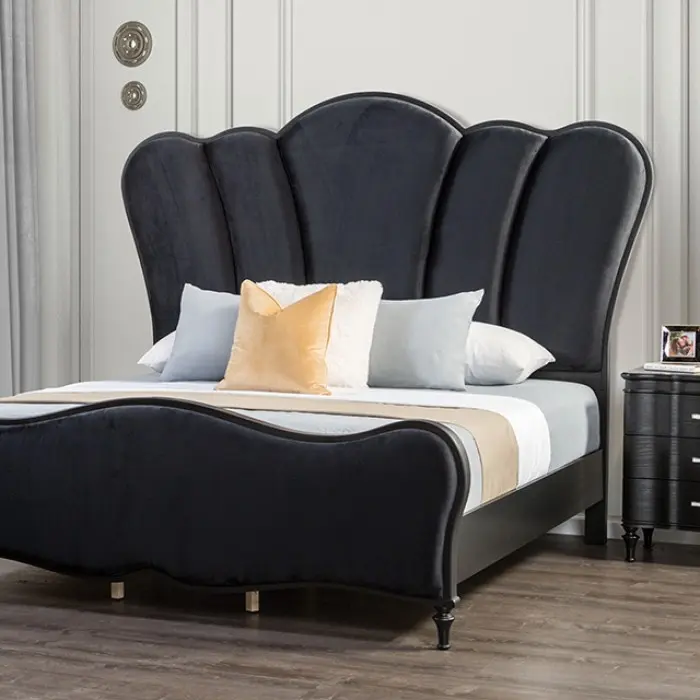
Sculptural dining tables, handcrafted bed frames, and custom seating often serve as focal points in luxury homes.
The Bespoke Furniture Design Process
Bespoke design is where artisan furniture becomes fully personalized.
Client consultation and concept development
The process begins with understanding spatial needs, lifestyle preferences, and aesthetic direction.
Custom furniture design workflow
Designers translate concepts into technical drawings, followed by material selection and prototype development.
Collaboration with bespoke interior design services
Close collaboration ensures alignment between furniture design and broader interior architecture.
Artisan Furniture
Why Artisan Furniture Represents Long-Term Value
Artisan furniture is widely regarded as a long-term investment in both function and aesthetics.
Durability and craftsmanship longevity
Superior materials and joinery ensure decades of reliable use.
Emotional and aesthetic value
Each piece carries a narrative of craftsmanship, adding emotional depth to interiors.
Investment perspective in luxury interiors
Rather than being disposable, artisan furniture contributes to long-term property value and design continuity.
Mobilia Cleopatra and the Art of Custom Craftsmanship
Mobilia Cleopatra (mobiliacleopatra.com) represents a modern interpretation of artisan furniture within the U.S. luxury market, focusing on handcrafted, custom-made furniture designed for refined interiors.
Approach to handcrafted luxury furniture
The brand emphasizes material integrity, proportion, and craftsmanship consistency across its collections.
Focus on bespoke design and material integrity
Each piece is developed with attention to customization, ensuring alignment with architectural and interior design goals.
Alignment with U.S. luxury interior expectations
By combining traditional craftsmanship with contemporary design language, Mobilia Cleopatra supports the evolving expectations of American luxury homeowners and designers seeking authenticity and longevity.
Artisan Furniture
FAQs
Artisan furniture is often misunderstood, especially in comparison to handmade or custom furniture, which is why clear distinctions are important for both designers and homeowners. At its core, artisan furniture refers to pieces created through skilled craftsmanship using traditional woodworking methods, high-quality materials, and a design-led approach. Unlike mass-produced furniture, which prioritizes efficiency and uniformity, artisan pieces are shaped by human expertise and attention to detail.
One of the most common questions is whether artisan furniture is different from handmade furniture. While all artisan furniture is handmade, not all handmade furniture qualifies as artisan. The distinction lies in design intention, material quality, and structural execution. Artisan furniture typically involves advanced joinery techniques such as mortise and tenon or dovetail construction, along with kiln-dried hardwoods and hand-applied finishes that elevate durability and aesthetic refinement.
Pricing is another major consideration. Artisan furniture is more expensive because it reflects labor-intensive production, premium materials, and extended craftsmanship time. Each piece may take weeks or months to complete, depending on complexity and customization. However, this cost is offset by longevity, reduced replacement cycles, and long-term aesthetic value in luxury interiors.
In terms of sustainability, artisan furniture is often more environmentally responsible than mass-produced alternatives. Responsible sourcing, durable construction, and repairability reduce overall environmental impact. Many U.S. luxury furniture brands emphasize eco-conscious production practices to align with modern design ethics.
Customization is also a defining advantage. Artisan furniture can be tailored to fit specific interior styles such as Modern Organic, Transitional Luxury, or Classic Traditional design. This flexibility allows homeowners and designers to create cohesive, highly personalized environments.
Identifying high-quality artisan furniture involves examining joinery, material authenticity, finish quality, and structural balance. Solid wood construction, seamless joints, and refined surface detailing are strong indicators of craftsmanship excellence.
Ultimately, artisan furniture represents a long-term investment in design integrity, sustainability, and emotional value. In the U.S. luxury market, it continues to define how interiors move beyond decoration into meaningful spatial storytelling.
