Free shipping · 0% for 6 months · White-glove available


Egyptian Furniture vs French Style Furniture: Understanding Two Timeless Luxury Styles


Luxury furniture has long reflected cultural identity, artistic heritage, and evolving ideas of refinement. Among the most enduring styles in high-end interiors, Egyptian furniture and French style furniture continue to influence designers, collectors, and homeowners seeking timeless sophistication. While both aesthetics are rooted in craftsmanship and decorative artistry, they create distinctly different visual experiences within luxury interiors.
Egyptian furniture is often associated with bold architectural presence, intricate hand carving, rich wood tones, and palace-inspired elegance. Traditional Egyptian furniture styles frequently emphasize sculptural detailing, symmetry, and artisan woodworking techniques passed down through generations. These pieces are designed to command attention, creating interiors that feel regal, dramatic, and deeply connected to heritage craftsmanship.
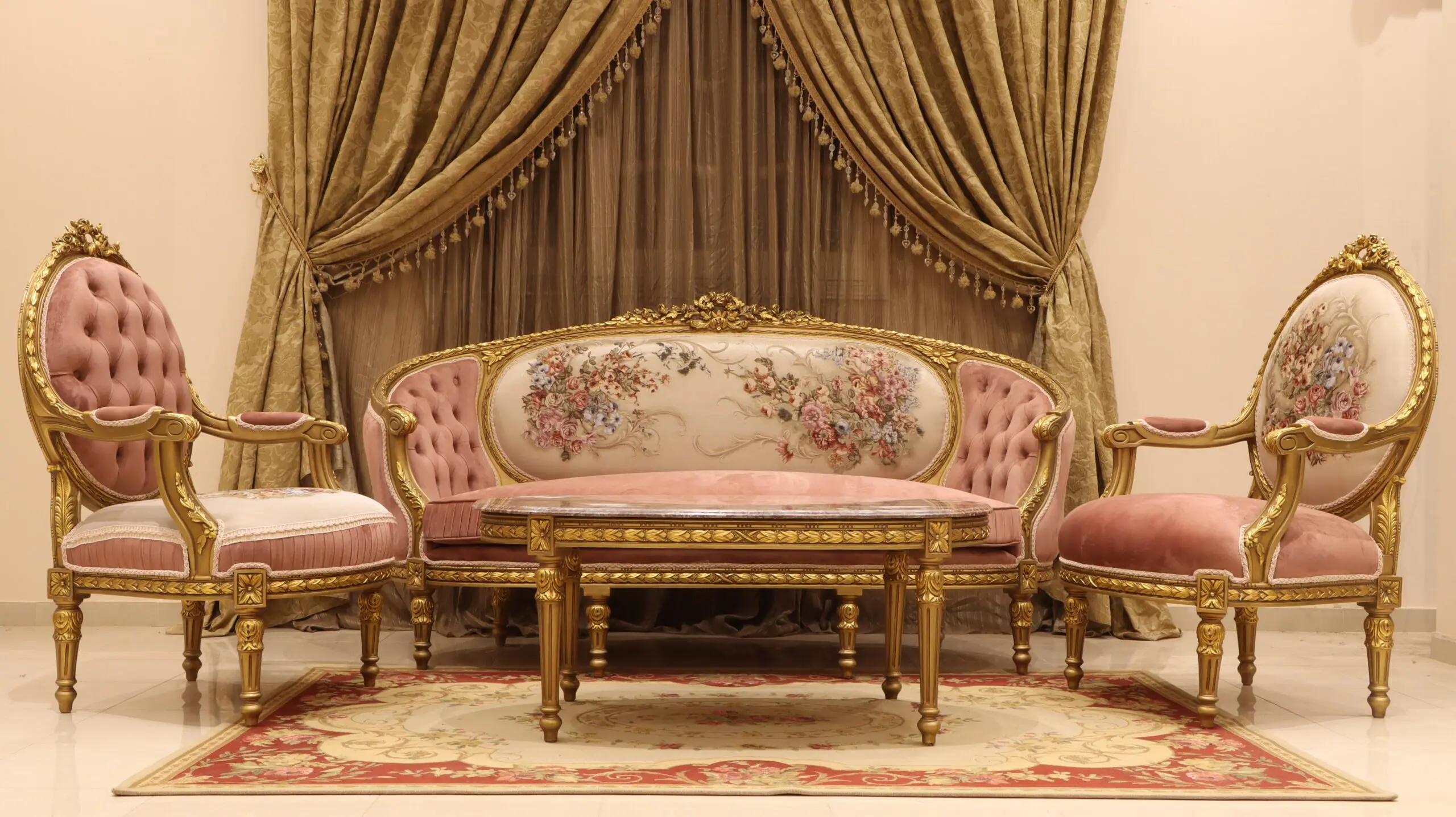
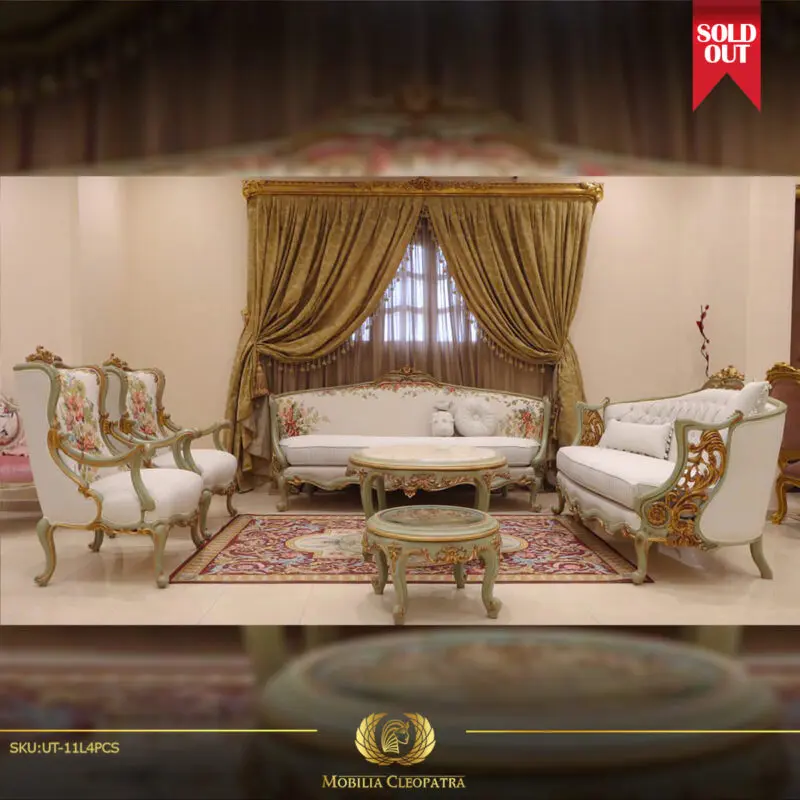
French style furniture, by contrast, is celebrated for graceful silhouettes, refined ornamentation, and decorative fluidity. From the grandeur of Baroque interiors to the romantic elegance of Rococo and the symmetry of Louis XVI design, French furniture balances luxury with sophistication. Curved cabriole legs, gilded finishes, tufted upholstery, and delicate decorative moldings contribute to an atmosphere of refined European living.
For homeowners designing luxury interiors in the United States, choosing between Egyptian furniture and French style furniture often comes down to more than aesthetics alone. Materials, craftsmanship, room scale, comfort, and architectural compatibility all influence which style works best within a space. Some interiors benefit from the bold statement of carved Egyptian furniture, while others are elevated by the lighter elegance of French Provincial influences.
Understanding the differences between these two iconic furniture traditions can help homeowners make more informed design decisions. Whether furnishing a formal living room, designing a luxury bedroom suite, or creating a custom interior with heirloom-quality pieces, the right furniture style shapes the atmosphere of the entire home. Brands specializing in handcrafted luxury furniture, such as Mobilia Cleopatra, often combine traditional craftsmanship with custom design flexibility to help homeowners achieve interiors that feel both timeless and personal.
Egyptian Furniture vs French Style Furniture
What Is Egyptian Furniture?
Egyptian style furniture reflects centuries of artistic tradition, architectural influence, and luxury craftsmanship. Historically inspired by royal palaces, monumental structures, and ornamental artistry, traditional Egyptian furniture emphasizes grandeur and visual depth. In modern luxury interiors, Egyptian furniture styles continue to evolve while preserving their strong connection to handcrafted detailing and formal design aesthetics.
Origins and Historical Influence
Ancient Egyptian design principles centered around balance, symmetry, and symbolic ornamentation. Over time, these influences merged with Mediterranean, Ottoman, and European decorative traditions, shaping what is now recognized as luxury Egyptian furniture. The result is a style characterized by substantial silhouettes, carved wood detailing, and strong visual presence.
Egyptian revival furniture became especially influential during periods when classical design regained popularity in Europe and the United States. Decorative motifs inspired by ancient architecture, geometric patterns, and artisan wood carving contributed to the rise of palace-style interiors that remain popular in luxury homes today.
Defining Characteristics of Egyptian Furniture Styles
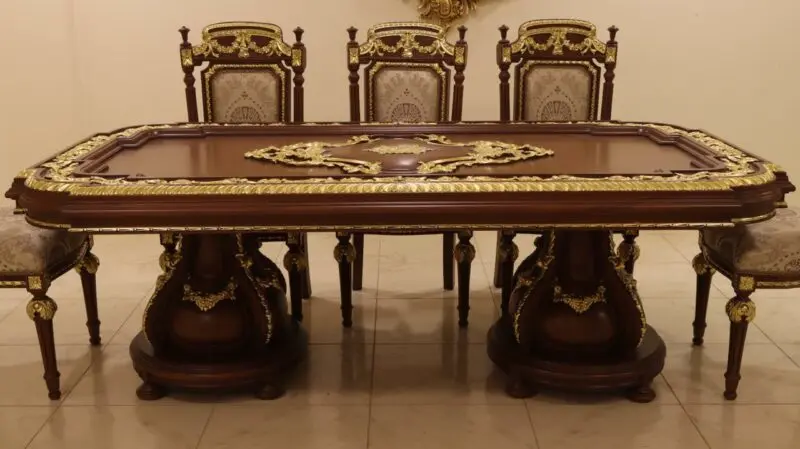
One of the defining traits of Egyptian furniture is its sculptural quality. Beds, dining tables, armchairs, and consoles are often constructed from solid hardwoods such as mahogany wood, walnut wood, and solid beech wood. These materials provide structural durability while supporting intricate carved detailing.
Hand-carved motifs, ornamental molding, and gold accents frequently appear throughout Egyptian luxury furniture collections. Upholstered seating often incorporates velvet upholstery, silk fabrics, or premium leather to create visual richness and tactile comfort. Marble tops and brass hardware add another layer of sophistication, especially in formal reception rooms and luxury dining spaces.
Unlike minimalist furniture styles, Egyptian furniture embraces decorative expression. Statement pieces are designed to anchor a room rather than disappear into the background. This makes the style particularly effective in larger interiors with high ceilings, classical architecture, or formal layouts.
Egyptian Revival and Traditional Luxury Design
Modern Egyptian-inspired interiors often blend historical influences with contemporary functionality. Designers increasingly pair carved wood furniture with modern lighting, neutral palettes, and streamlined architectural elements to create balanced luxury spaces.
Custom-made furniture plays an important role in this evolution. Bespoke furniture production allows homeowners to preserve the elegance of traditional Egyptian furniture while adapting dimensions, finishes, and upholstery selections for modern living. This flexibility has helped Egyptian furniture remain relevant within contemporary luxury interior design.
What Defines French Style Furniture?
French style furniture represents one of the most influential decorative traditions in luxury interiors. Known for elegance, fluidity, and artistic refinement, French furniture has evolved through multiple historical periods while maintaining a consistent emphasis on craftsmanship and ornamentation.
Evolution from Baroque to Louis XVI
French furniture design developed through several iconic movements, each contributing unique visual characteristics. Baroque furniture emphasized grandeur, dramatic carving, and elaborate ornamentation intended to reflect aristocratic luxury. Rococo style furniture later introduced softer curves, asymmetrical detailing, and more romantic decorative elements.
The Louis XV furniture style became especially recognized for cabriole legs, sculpted frames, floral carvings, and upholstered comfort. Louis XVI interiors shifted toward neoclassical symmetry, incorporating straighter lines and restrained decorative balance inspired by ancient Greek and Roman architecture.
Together, these movements created the foundation for modern French style furniture seen in luxury homes today.
French Provincial vs Palace-Style Furniture
French Provincial furniture offers a more relaxed interpretation of classical French design. While still elegant, it typically features lighter ornamentation, distressed finishes, and a softer color palette suitable for refined everyday living. Palace-style French furniture, on the other hand, embraces formal luxury with gilded finishes, ornate carvings, crystal accents, and dramatic silhouettes.
Both styles prioritize craftsmanship, though their application differs depending on the intended atmosphere of the home.
The Role of Rococo and Neoclassical Influence
Rococo design introduced a sense of movement and artistic fluidity into furniture construction. Curved lines, sculpted frames, and decorative flourishes create a romantic aesthetic associated with luxury European interiors. Neoclassical influences later brought balance and architectural structure back into French furniture design.
Today, many luxury furniture collections blend these influences together. A single room may feature Rococo-inspired seating alongside neoclassical dining furniture or contemporary accessories, creating layered interiors that feel timeless rather than historically rigid.
Egyptian Furniture vs French Style Furniture
Egyptian Furniture vs French Style Furniture at a Glance
Although Egyptian furniture and French style furniture share a commitment to luxury craftsmanship, their visual identities differ considerably.
Egyptian furniture tends to emphasize strength, architectural scale, and sculptural detailing. Pieces often appear substantial and commanding, making them ideal for formal interiors that prioritize grandeur. French furniture, by comparison, introduces softness and elegance through curved silhouettes, refined ornamentation, and lighter visual proportions.
In terms of ornamentation, Egyptian furniture frequently incorporates bold carved motifs and rich finishes, while French style furniture relies more heavily on decorative moldings, gilded accents, and flowing lines. Symmetry also differs between the two styles. Egyptian interiors often favor strong geometric balance, whereas Rococo-inspired French interiors embrace decorative asymmetry.
Craftsmanship remains central to both traditions. Hand carving, artisan woodworking, tufted upholstery, and hand-applied finishes contribute to the heirloom quality associated with luxury furniture collections. However, the execution varies significantly. Egyptian craftsmanship often highlights depth and structural presence, while French craftsmanship focuses on refinement and visual delicacy.
Interior compatibility is another important distinction. Egyptian furniture pairs naturally with dramatic architectural spaces, formal reception rooms, and old world luxury interiors. French style furniture adapts more easily to transitional homes, Parisian-inspired interiors, and softer luxury aesthetics.
For many homeowners, the decision ultimately depends on personal design preferences and the atmosphere they wish to create. Some prefer the regal statement of traditional Egyptian furniture, while others gravitate toward the romantic elegance of French Provincial or Louis XV interiors.
Design Language and Decorative Details
The decorative language of luxury furniture shapes how interiors feel emotionally and visually. Egyptian and French furniture styles both rely on ornamentation, but their approaches differ in tone, structure, and artistic intention.
Hand-Carved Motifs and Sculpted Elements
Egyptian furniture often features deeply carved wood detailing inspired by classical architecture and ornamental artistry. Sculpted wood detailing can include floral motifs, geometric borders, and layered relief carving that adds dimension to large furniture pieces.
Beds and dining tables frequently incorporate architectural framing elements that reinforce the substantial appearance of the furniture. Artisan woodworking techniques give these pieces a handcrafted quality that distinguishes them from mass-produced furniture.
Cabriole Legs, Decorative Moldings, and Gilded Finishes
French furniture design is instantly recognizable through details such as cabriole legs, curved arms, and decorative gilding. These features create visual lightness despite the richness of the materials used.
Gold leaf application, hand-polished finishes, and decorative moldings contribute to the luxurious appearance of French-inspired furniture. Upholstered seating often features tufted upholstery combined with carved frames, creating a balance between comfort and ornamentation.
French style furniture also places significant emphasis on movement. Curved silhouettes and flowing lines encourage visual softness, helping rooms feel elegant rather than rigid.
Statement Furniture and Formal Interiors
Both styles excel at creating statement furniture pieces designed to define a room. Egyptian carved wood furniture often becomes the focal point of formal interiors due to its scale and sculptural detail. French furniture achieves a similar effect through artistic elegance and layered decorative sophistication.
In luxury homes, these styles are commonly used in formal living rooms, grand entryways, luxury bedroom sets, and elegant dining spaces where visual impact matters as much as functionality.
Materials Used in Egyptian and French Luxury Furniture
Luxury furniture quality depends heavily on material selection. Both Egyptian and French furniture traditions rely on premium hardwoods, refined upholstery, and decorative finishes that enhance durability and visual richness.
Premium Woods and Structural Quality
Solid beech wood, mahogany wood, walnut wood, oak wood, and cherry wood are frequently used in high-end furniture manufacturing. These hardwoods provide the strength necessary for detailed carving while offering long-term structural integrity.
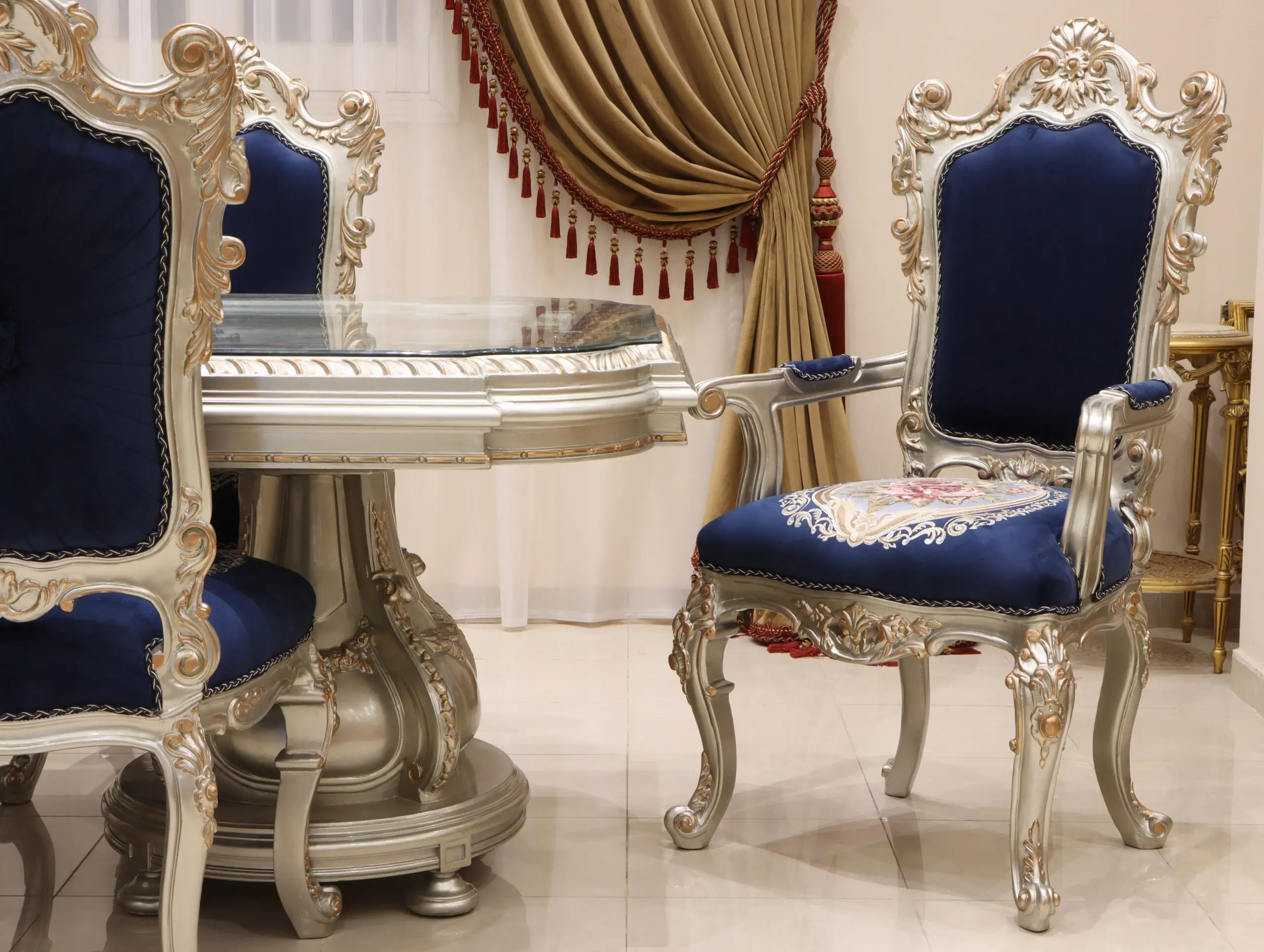
Egyptian furniture often favors darker wood finishes that emphasize depth and grandeur. French furniture may incorporate lighter painted finishes, distressed patinas, or antique gold detailing depending on the design period being referenced.
Mortise and tenon joinery remains an important indicator of quality construction in both furniture traditions. This traditional joinery method improves stability and contributes to heirloom-quality durability.
Upholstery and Decorative Finishes
Velvet upholstery and silk fabrics are especially common in French-inspired interiors because they complement the elegance of carved frames and decorative curves. Linen upholstery is frequently used in French Provincial furniture to create a softer and more relaxed atmosphere.
Egyptian luxury furniture often incorporates rich textiles and dramatic textures that reinforce the formal nature of the space. Premium leather and heavily tailored upholstery contribute to the sense of permanence associated with traditional luxury interiors.
Marble, Brass, and Luxury Detailing
Marble tops, brass hardware, crystal accents, and gilded finishes elevate both Egyptian and French furniture collections. These materials add contrast, reflect light, and introduce layers of visual sophistication.
In custom luxury interiors, designers often combine these materials strategically to balance warmth and ornamentation. A carved walnut dining table paired with brass accents and marble surfaces, for example, creates a timeless luxury aesthetic that transcends a single design period.
Craftsmanship and Furniture Construction
True luxury furniture is defined not only by appearance but by the craftsmanship behind its construction. In both Egyptian and French furniture traditions, artisan techniques remain essential to achieving lasting quality and visual distinction.
Traditional Egyptian Craftsmanship
Traditional Egyptian craftsmanship relies heavily on hand carving, sculptural detailing, and artisan woodworking methods passed down through generations. Many pieces require extensive labor, especially when incorporating layered ornamental motifs and decorative molding.
Hand-finished detailing allows craftsmen to refine textures, highlight carvings, and create subtle tonal variations within the wood. These techniques contribute to the individuality of each piece, making handcrafted furniture feel unique rather than industrially replicated.
Read more: How Egyptian Furniture is Made
French Decorative Techniques
French furniture craftsmanship focuses on elegance and refinement. Decorative gilding, curved wood shaping, and intricate upholstery techniques require exceptional precision. Tufted upholstery, hand-applied patina, and sculpted frames are hallmarks of authentic French luxury furniture.
Precision carving techniques are particularly important in Rococo and Louis XV furniture styles, where asymmetrical decorative elements must maintain balance and harmony.
What Defines Heirloom-Quality Furniture?
Heirloom-quality furniture combines durable construction with timeless design. Solid hardwood frames, traditional joinery, premium upholstery materials, and hand-applied finishes all contribute to longevity.
Custom furniture manufacturing also plays an important role in heirloom production. Bespoke pieces are often tailored to specific room dimensions and design goals, ensuring they remain relevant and functional for decades.
For luxury homeowners, investing in artisan-crafted furniture often means prioritizing craftsmanship and permanence over short-term trends.
Egyptian Furniture vs French Style Furniture
Rococo, Baroque, and Classical European Influence Explained
Many homeowners exploring luxury furniture encounter terms such as Rococo, Baroque, Louis XV, and Neoclassical without fully understanding the distinctions between them.
Baroque furniture is characterized by dramatic scale, heavy ornamentation, and theatrical grandeur. It was designed to communicate wealth and power through elaborate detailing and imposing silhouettes.
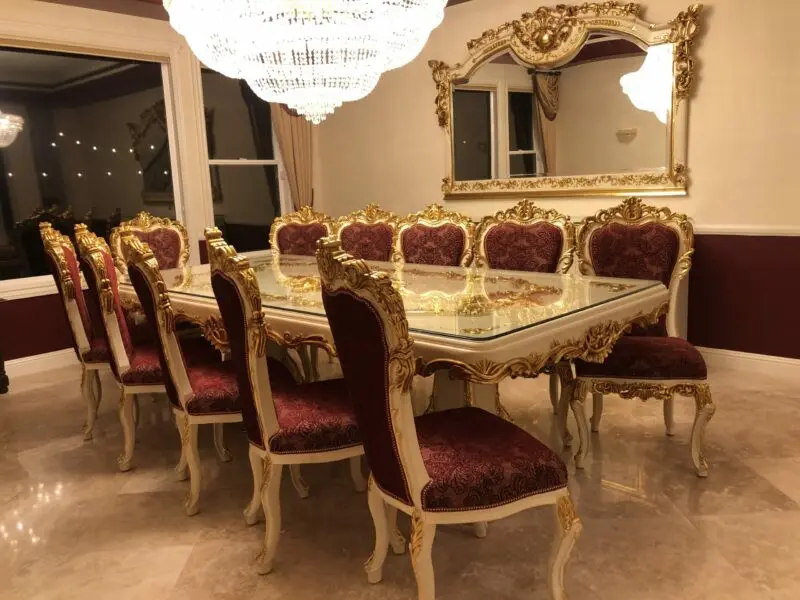
Rococo style furniture evolved as a softer and more artistic interpretation of Baroque design. Curved lines, floral carvings, and lighter visual compositions created a more romantic atmosphere associated with aristocratic French interiors.
The Louis XV furniture style emphasized comfort alongside decorative beauty. Cabriole legs, upholstered seating, and asymmetrical ornamentation became defining features during this period.
Louis XVI furniture introduced neoclassical order and symmetry. Straighter lines, restrained ornamentation, and architectural influence reflected changing aesthetic preferences in late eighteenth-century France.
Understanding these distinctions helps homeowners create more cohesive interiors. It also clarifies why French style furniture can vary dramatically from one collection to another while still remaining within the same broader design tradition.
Which Style Works Best for Different Rooms?
Choosing between Egyptian furniture and French style furniture often depends on how a room is used and the atmosphere homeowners want to create.
French-inspired living rooms typically prioritize elegance, comfort, and conversational flow. Curved seating, upholstered sofas, and decorative coffee tables create welcoming interiors with refined European character.
Egyptian luxury bedroom furniture often feels more dramatic and architectural. Large carved headboards, rich wood finishes, and ornate nightstands establish a strong focal point while reinforcing the sense of luxury.
Formal dining spaces can accommodate either style effectively. Egyptian dining furniture creates a stately atmosphere suited for grand entertaining, while French dining collections often feel lighter and more romantic.
Reception areas, foyers, and formal sitting rooms benefit especially from statement furniture pieces. In these spaces, craftsmanship and visual impact play a major role in defining the identity of the home.
Read more: Egyptian Wood Carving Techniques
Egyptian Furniture vs French Style Furniture for Modern Luxury Homes
Modern luxury interiors increasingly blend classical influences with contemporary design principles. Rather than recreating historical rooms exactly, designers now reinterpret traditional aesthetics in ways that feel current and livable.
Mixing classical furniture with contemporary architecture can create compelling visual contrast. Egyptian carved wood furniture paired with minimalist lighting and neutral walls introduces warmth and heritage without overwhelming the space.
French style furniture adapts particularly well to transitional interiors because of its softer proportions and decorative flexibility. A Louis XVI dining table or Rococo-inspired accent chair can coexist comfortably within modern luxury homes.
Custom luxury interiors allow homeowners to personalize these styles even further. Bespoke furniture production makes it possible to modify dimensions, upholstery, finishes, and detailing while preserving the integrity of the original design language.
This balance between tradition and modernity is increasingly important within the U.S. luxury furniture market, where homeowners seek interiors that feel timeless rather than historically rigid.
Egyptian Furniture vs French Style Furniture
How to Choose Between Egyptian and French Furniture Styles
Selecting the right furniture style requires consideration of architecture, lifestyle, and personal aesthetic preferences.
Homes with grand ceilings, formal layouts, and dramatic architectural features often pair naturally with traditional Egyptian furniture. The scale and sculptural quality of these pieces complement expansive interiors designed for visual impact.
French style furniture works especially well in homes seeking elegance without excessive visual heaviness. French Provincial interiors, in particular, offer warmth and sophistication while remaining approachable for everyday living.
Lifestyle also matters. Families prioritizing comfort and relaxed entertaining may prefer the softer atmosphere of French-inspired interiors. Those drawn to statement-making luxury and palace-style aesthetics may gravitate toward Egyptian furniture collections.
Investment value is another consideration. Heirloom-quality handcrafted furniture often retains its appeal across generations because it prioritizes craftsmanship and timeless design over temporary trends.
Ultimately, the best interiors reflect the personality of the homeowner rather than strict adherence to a single historical style.
Read more: Traditional Egyptian Furniture Style
The Value of Handcrafted Luxury Furniture
Handcrafted luxury furniture continues to hold lasting value in an era increasingly dominated by mass production. Artisan techniques, premium materials, and bespoke craftsmanship create furniture that feels personal, durable, and architecturally significant.
Craftsmanship matters because it affects both visual quality and long-term performance. Hand carving creates depth and individuality that machine production cannot replicate. Traditional joinery improves durability, while hand-finished surfaces develop character over time.
Bespoke furniture also allows homeowners to participate in the creative process. From wood selection and upholstery fabrics to dimensions and detailing, customization ensures furniture aligns precisely with the interior environment.
Luxury furniture brands specializing in custom-made furniture understand that modern homeowners want more than decorative objects. They want pieces that reflect personal taste, support long-term use, and contribute meaningfully to the atmosphere of the home.
At Mobilia Cleopatra, handcrafted luxury furniture is approached as both functional design and artistic craftsmanship. Whether inspired by traditional Egyptian furniture or refined French style furniture, carefully made pieces offer enduring elegance that mass-market production rarely achieves.
Final Thoughts on Egyptian and French Style Furniture
Egyptian furniture and French style furniture each represent distinct interpretations of luxury living. While both traditions celebrate craftsmanship, ornamentation, and timeless design, they create very different emotional and visual experiences within the home.
Egyptian furniture brings architectural presence, sculptural artistry, and formal grandeur to interiors. Rich wood tones, carved detailing, and statement-making silhouettes establish spaces that feel regal and deeply rooted in traditional craftsmanship. These interiors often appeal to homeowners who appreciate dramatic elegance and heirloom-quality construction.
French style furniture, meanwhile, offers refined sophistication through graceful lines, decorative fluidity, and artistic restraint. Whether expressed through Rococo romance, Louis XV elegance, or French Provincial warmth, these interiors create a softer atmosphere while still maintaining a strong sense of luxury.
For homeowners designing luxury interiors in the United States, the decision between Egyptian and French furniture styles ultimately depends on personal vision, architectural context, and lifestyle priorities. Some interiors benefit from the bold richness of traditional Egyptian furniture, while others are elevated by the graceful refinement of French-inspired design. Increasingly, many luxury homes combine elements from both traditions to create layered interiors that feel timeless and individualized.
The enduring appeal of both styles lies in their commitment to craftsmanship. Hand carving, artisan woodworking, premium upholstery, and bespoke detailing transform furniture into lasting design investments rather than disposable décor. In an era dominated by fast furniture and trend-driven interiors, handcrafted luxury furniture continues to offer permanence, authenticity, and artistic value.
For those seeking custom luxury interiors, carefully curated furniture collections provide the opportunity to create spaces that feel personal, sophisticated, and enduring. Whether inspired by palace-style Egyptian elegance or refined French artistry, thoughtfully crafted furniture remains central to the experience of luxury living.
Egyptian Furniture vs French Style Furniture
Frequently Asked Questions
What is the difference between Egyptian furniture and French style furniture?
Egyptian furniture typically emphasizes bold structure, carved wood detailing, and formal grandeur, while French style furniture focuses more on elegance, curved silhouettes, and decorative refinement. Egyptian interiors often feel architectural and dramatic, whereas French interiors tend to create a softer and more romantic atmosphere.
Is Egyptian furniture more ornate than French furniture?
Not necessarily. Both styles can be highly ornate, but the ornamentation differs in character. Egyptian furniture often features deep carving, sculptural forms, and substantial visual weight. French furniture relies more on flowing lines, gilded finishes, cabriole legs, and decorative moldings.
What defines French Provincial furniture?
French Provincial furniture is a more relaxed interpretation of traditional French design. It combines elegant craftsmanship with softer finishes, lighter ornamentation, and practical comfort. Compared to palace-style French furniture, it feels less formal and more approachable for everyday living.
What is the Louis XV furniture style known for?
The Louis XV furniture style is known for curved lines, asymmetrical ornamentation, cabriole legs, and enhanced comfort. Rococo influence played a major role during this period, resulting in furniture that feels elegant, artistic, and visually fluid.
Is Rococo furniture considered French style furniture?
Yes. Rococo furniture originated in France and represents one of the most influential movements within French decorative arts. It is recognized for ornate carving, flowing forms, floral motifs, and romantic elegance.
Which furniture style works better for luxury homes?
Both Egyptian and French furniture styles work beautifully in luxury homes, but the ideal choice depends on architectural context and personal taste. Egyptian furniture suits grand, formal interiors, while French furniture adapts well to both traditional and transitional spaces.
What materials are commonly used in Egyptian luxury furniture?
Egyptian luxury furniture often incorporates solid hardwoods such as mahogany wood, walnut wood, oak wood, and solid beech wood. Upholstery materials may include velvet, silk, linen, or premium leather, while decorative accents frequently feature brass, marble, and gilded finishes.
Can Egyptian and French furniture styles be mixed together?
Yes. Many luxury interiors successfully combine Egyptian and French influences. The key is maintaining visual balance through consistent color palettes, coordinated materials, and complementary proportions. Blending styles can create interiors that feel layered and collected rather than overly formal.
How do handcrafted luxury furniture pieces differ from factory-made furniture?
Handcrafted luxury furniture typically offers superior construction quality, artisan detailing, and greater material integrity. Techniques such as hand carving, mortise and tenon joinery, and hand-applied finishes contribute to durability and uniqueness that mass production rarely achieves.
Is French style furniture suitable for modern interiors?
Absolutely. French style furniture adapts especially well to contemporary luxury homes because of its elegant proportions and versatility. Designers often pair French-inspired seating or dining furniture with minimalist architecture to create balanced transitional interiors.
What makes heirloom-quality furniture valuable?
Heirloom-quality furniture is valuable because it combines durable construction with timeless design. Solid hardwood frames, traditional craftsmanship, premium materials, and custom detailing allow these pieces to remain functional and aesthetically relevant for generations.
How do I choose between traditional Egyptian and French-inspired furniture?
Consider the scale of your home, your preferred atmosphere, and your lifestyle needs. Egyptian furniture works especially well in dramatic formal interiors, while French-inspired furniture offers softer elegance and greater versatility. Many homeowners ultimately choose a combination of both styles to create personalized luxury interiors.
