Free shipping · 0% for 6 months · White-glove available


Egyptian Wood Carving Techniques in Luxury Furniture Design


Egyptian wood carving techniques have long represented a fusion of artistry, architectural influence, and heritage craftsmanship. In luxury furniture design, these techniques continue to define some of the most visually compelling interiors, bringing sculptural depth and timeless character into modern homes. From intricate floral motifs to elaborate relief carving, Egyptian woodworking traditions have influenced generations of artisans and remain deeply connected to premium handcrafted furniture today.
In the U.S. luxury furniture market, homeowners and interior designers increasingly seek pieces that feel authentic, enduring, and individually crafted. This shift away from mass-produced furnishings has renewed appreciation for artisan woodworking, especially furniture that reflects Old World craftsmanship and heirloom-quality construction. Egyptian carving traditions stand apart because they combine decorative sophistication with structural integrity, transforming furniture into functional art.
Luxury carved wood furniture often carries details that cannot be replicated through automated manufacturing. Deep hand carving, sculpted frames, gilded accents, and carefully hand-applied finishes create a tactile richness that distinguishes handcrafted furniture from factory-made alternatives. Whether incorporated into a grand bedroom suite, an ornate dining table, or custom architectural detailing, carved wood elements contribute warmth, dimension, and refinement to a space.
Today, many premium furniture makers continue to preserve these artisan methods while adapting them to contemporary luxury interiors. Mobilia Cleopatra reflects this philosophy through handcrafted collections that blend traditional woodworking techniques with elevated design sensibilities suited for modern American homes. The result is furniture that honors heritage craftsmanship while maintaining the sophistication expected in luxury interiors.
Understanding Egyptian wood carving techniques offers more than historical insight. It reveals how craftsmanship, material selection, and artistic detailing shape the quality and longevity of luxury furniture. For homeowners investing in bespoke interiors, these details often become the defining elements that separate ordinary furnishings from enduring statement pieces.
Egyptian Wood Carving Techniques
The History of Egyptian Wood Carving
Ancient Egyptian Decorative Traditions
The origins of Egyptian wood carving date back thousands of years, when artisans created ceremonial furniture, architectural embellishments, and decorative household pieces for royal and noble families. Early Egyptian craftsmen used carving to symbolize status, spirituality, and artistic refinement. Ornamental motifs inspired by lotus flowers, papyrus leaves, and geometric symmetry became foundational elements that still influence luxury furniture design today.
Wood was considered a valuable material in ancient Egypt, particularly because large timber supplies were limited. Craftsmen therefore treated wood with exceptional care, emphasizing precision and decorative artistry. Furniture pieces often featured intricate carvings enhanced with gold leaf finishes, painted details, and inlaid materials that elevated both visual richness and perceived prestige.
The Evolution of Carved Furniture Craftsmanship
Over centuries, Egyptian woodworking evolved through cultural exchange with Mediterranean, Ottoman, and European design traditions. These influences introduced more elaborate carving techniques, including scrollwork, floral sculpting, and deep relief detailing commonly associated with Rococo, Baroque, and French Classical interiors.
As artisan workshops refined their methods, furniture became increasingly sculptural. Hand-carved frames, ornate crown details, and decorative molding transformed practical furnishings into statement pieces. Skilled craftsmen passed techniques through generations, preserving traditional woodworking knowledge that remains highly valued in luxury furniture production.
Influence on European and Luxury Interior Styles
Egyptian carving traditions later inspired European decorative arts, particularly during the Egyptian Revival period of the nineteenth century. Designers incorporated carved motifs, gilded ornamentation, and symmetrical detailing into luxury interiors across France, England, and Italy.
Today, these influences remain visible in high-end furniture collections that combine classical elegance with artisan craftsmanship. Handcrafted carved furniture continues to appeal to homeowners seeking timeless interiors rooted in heritage and authenticity.
What Defines Traditional Egyptian Wood Carving?
Handcrafted vs. Machine-Made Carving
Traditional Egyptian wood carving is defined primarily by human craftsmanship. Unlike machine-carved furniture, which often appears mechanically uniform, hand-carved furniture reveals subtle variations that reflect the artisan’s touch. These slight irregularities contribute character and authenticity, making every piece visually distinctive.
Machine production prioritizes efficiency and replication, while artisan carving emphasizes depth, proportion, and sculptural expression. Skilled craftsmen use chisels, gouges, and hand-finishing tools to shape ornamental details gradually, allowing for greater artistic control.
The Importance of Artisan Craftsmanship
Artisan craftsmanship remains central to luxury furniture because carving requires years of technical experience and aesthetic understanding. Master woodworkers must understand wood grain behavior, carving depth, symmetry, and structural balance. The process demands patience and precision, particularly when working with intricate floral motif carving or decorative molding.
In premium handcrafted furniture, carving is not merely decorative. It contributes to the overall identity of the piece. A carved headboard, sculpted dining table apron, or ornate mirror frame becomes a focal point within the interior.
Read more: Egyptian Furniture Vs. French Style Furniture
Why Hand-Carved Furniture Remains Valuable
Luxury buyers continue to value hand-carved furniture because it offers individuality and longevity. Mass-market furniture often follows temporary trends, while artisan-crafted pieces retain enduring visual appeal. Hand-carved solid wood furniture also tends to age gracefully, developing richness and patina over time.
For many homeowners, investing in handcrafted luxury furniture represents a commitment to quality, heritage craftsmanship, and timeless design rather than disposable décor trends.
Egyptian Wood Carving Techniques
The Most Common Egyptian Wood Carving Techniques
Relief Carving
Relief carving involves sculpting patterns that project outward from a flat wood surface. This technique is commonly used on headboards, cabinet doors, dining table aprons, and decorative wall panels. Relief carving creates dimensional texture while maintaining structural stability.
In luxury interiors, relief carving often incorporates floral patterns, arabesque motifs, and classical scrollwork that add visual movement and architectural elegance.
Deep Wood Carving
Deep carving techniques create dramatic sculptural depth by removing larger portions of wood. This approach is frequently used for elaborate frame sculpting, cabriole legs, and heavily ornamented furniture bases.
Deep carving requires exceptional skill because artisans must maintain the strength of the furniture while achieving intricate detail. The result is furniture with strong visual presence and substantial craftsmanship value.
Scroll and Floral Motif Carving
Floral motif carving remains one of the most recognizable elements of Egyptian-inspired luxury furniture. Artisans create flowing botanical patterns that soften furniture silhouettes and introduce graceful ornamentation.
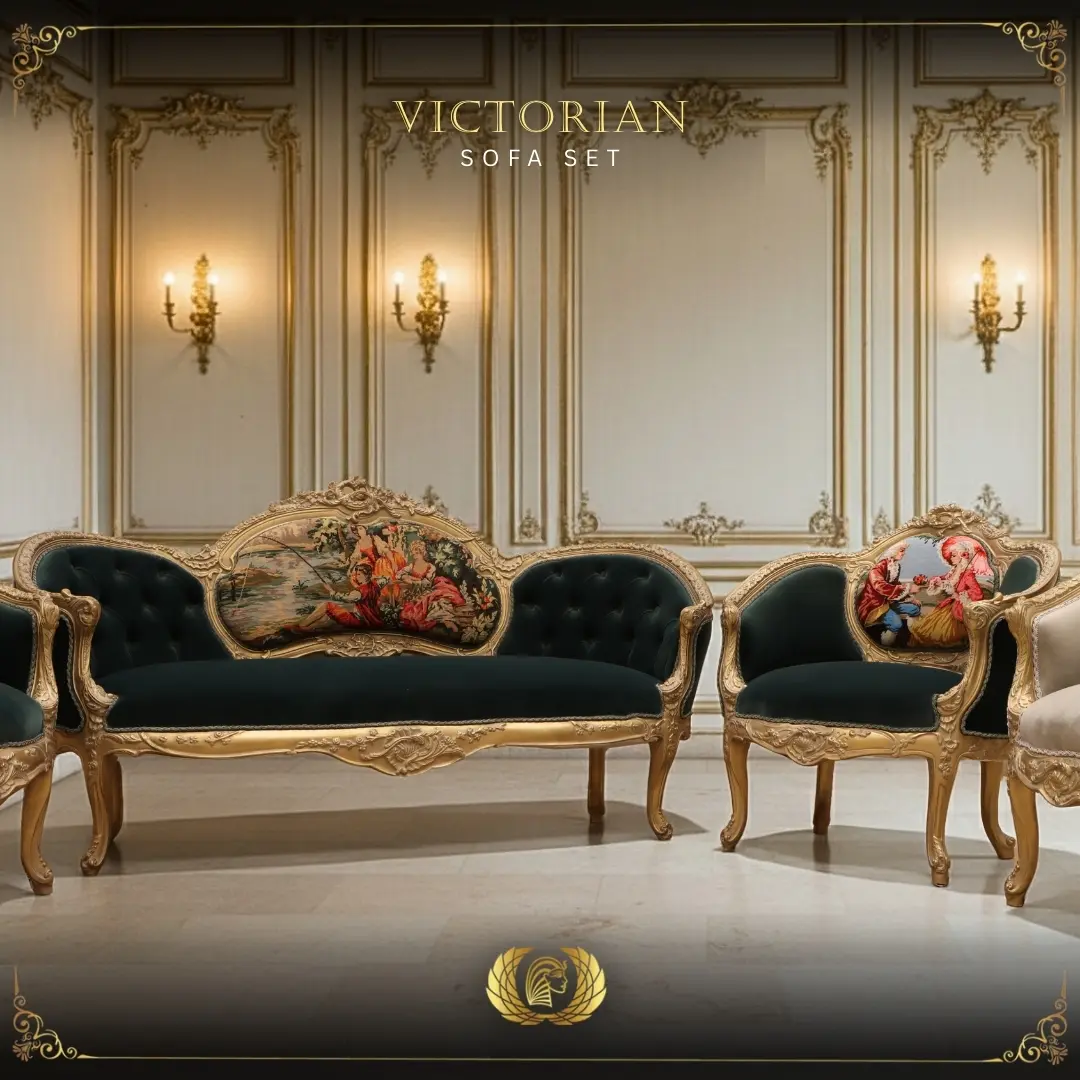
Scroll carving complements floral work by adding curvature and rhythmic movement. Together, these techniques contribute to the elegance associated with Victorian, Louis XV, and Rococo-inspired furniture collections.
Arabesque and Ornamental Patterns
Arabesque carving reflects the influence of Islamic geometric artistry on Egyptian decorative traditions. Interwoven patterns, repeating symmetry, and intricate line work create refined ornamental surfaces that feel both historic and sophisticated.
These patterns are often incorporated into custom cabinetry, decorative panels, and architectural wood detailing within luxury interiors.
Frame Sculpting and Decorative Molding
Frame sculpting enhances the structural outline of furniture by emphasizing curves, edges, and decorative contours. Combined with carved molding techniques, this process creates visually layered furniture that feels architectural rather than purely functional.
Luxury artisan furniture frequently uses sculpted frames to establish depth, grandeur, and craftsmanship distinction.
Materials Used in Egyptian Carved Furniture
Solid Beech Wood
Solid beech wood remains one of the most popular materials for carved luxury furniture because of its durability and fine grain consistency. It allows artisans to achieve highly detailed carving while maintaining structural integrity.
Beech wood is commonly used in handcrafted bedroom furniture, carved dining chairs, and decorative frames because it balances strength with carving precision.
Mahogany and Walnut Wood
Mahogany and walnut wood are valued for their rich coloration and elegant grain patterns. These woods are frequently used in heirloom-quality furniture because they develop character over time and respond beautifully to hand-applied finishes.
Mahogany works especially well in traditional furniture styles featuring deep carving and dark polished finishes, while walnut offers understated sophistication for transitional luxury interiors.
Gold Leaf Finishes and Gilded Accents
Gold leaf detailing has long been associated with luxury craftsmanship. Artisans carefully apply gilded accents to carved surfaces, highlighting ornamental depth and emphasizing sculptural contours.
When used selectively, gold finishes enhance classical furniture without overwhelming the overall design. This technique remains particularly popular in Baroque, French Classical, and Egyptian Revival interiors.
Brass Hardware and Marble Details
Premium carved furniture often incorporates complementary materials such as brass hardware and marble tops. These elements add refinement while reinforcing the luxury identity of the piece.
Brass introduces warmth and decorative contrast, while marble contributes elegance and durability, particularly in dining tables, consoles, and bedroom furniture.
Egyptian Wood Carving Techniques
How Artisan Craftsmen Create Hand-Carved Luxury Furniture
Wood Selection and Preparation
The creation of handcrafted luxury furniture begins with careful material selection. Skilled craftsmen evaluate wood density, grain consistency, and moisture stability before carving begins. Proper preparation ensures the wood can withstand intricate detailing without splitting or warping over time.
High-end furniture makers often air-dry or kiln-dry hardwoods to maintain long-term durability.
Hand Sanding and Surface Refinement
After carving is completed, artisans refine surfaces through extensive hand sanding. This stage removes imperfections while preserving intricate carved details. Smooth transitions between carved and flat surfaces contribute to the polished appearance associated with luxury furniture.
Hand sanding also prepares the wood for staining, gilding, or protective finishes.
Mortise and Tenon Joinery
Traditional mortise and tenon joinery remains a hallmark of premium furniture craftsmanship. Instead of relying heavily on synthetic fasteners, artisans use interlocking wood joints to create structural stability.
This method enhances furniture longevity and reflects the enduring standards associated with heirloom-quality woodworking.
Hand-Applied Finishes and Patina Techniques
Luxury carved furniture often undergoes multiple finishing stages, including staining, glazing, hand-applied patina, and protective coating. These finishes enhance the natural grain while emphasizing carved depth and sculptural detailing.
Patina techniques can create an aged appearance that complements Old World interiors and traditional European design aesthetics.
Popular Design Styles Influenced by Egyptian Wood Carving
Egyptian Revival Furniture
Egyptian Revival furniture incorporates bold symmetry, ornamental carving, and architectural influences inspired by ancient decorative traditions. This style often includes dramatic silhouettes, gilded details, and symbolic motifs that create a sense of grandeur.
French Classical and Louis XV Influences
French Classical interiors share many characteristics with Egyptian carving traditions, including elaborate ornamentation and flowing carved details. Louis XV furniture is especially known for curved frames, floral carvings, and sculpted elegance.
These influences remain highly desirable in luxury bedroom and dining collections.
Victorian and Baroque Detailing
Victorian and Baroque furniture styles emphasize richness, drama, and visual complexity. Deep wood carving, decorative molding, and ornate embellishments contribute to their luxurious appearance.
Handcrafted carved furniture inspired by these traditions often serves as a centerpiece within formal interiors.
Old World Luxury Interiors
Old World interiors combine historical craftsmanship with timeless sophistication. Carved wood furniture, marble accents, and artisan detailing create layered spaces that feel refined and enduring rather than trend-driven.
This design approach continues to resonate with homeowners seeking warmth, artistry, and architectural character.
Egyptian Wood Carving in Modern Luxury Interiors
Luxury Living Room Applications
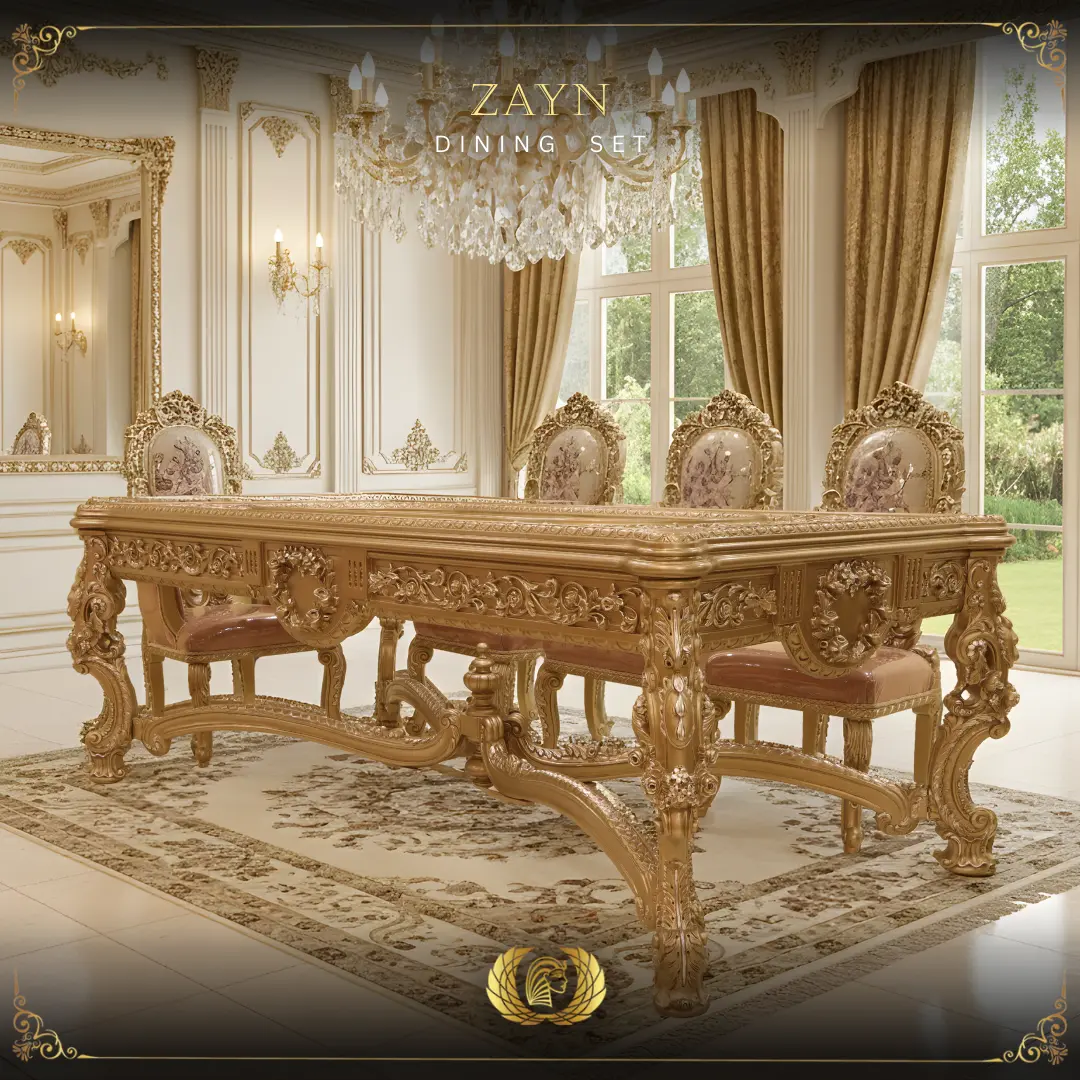
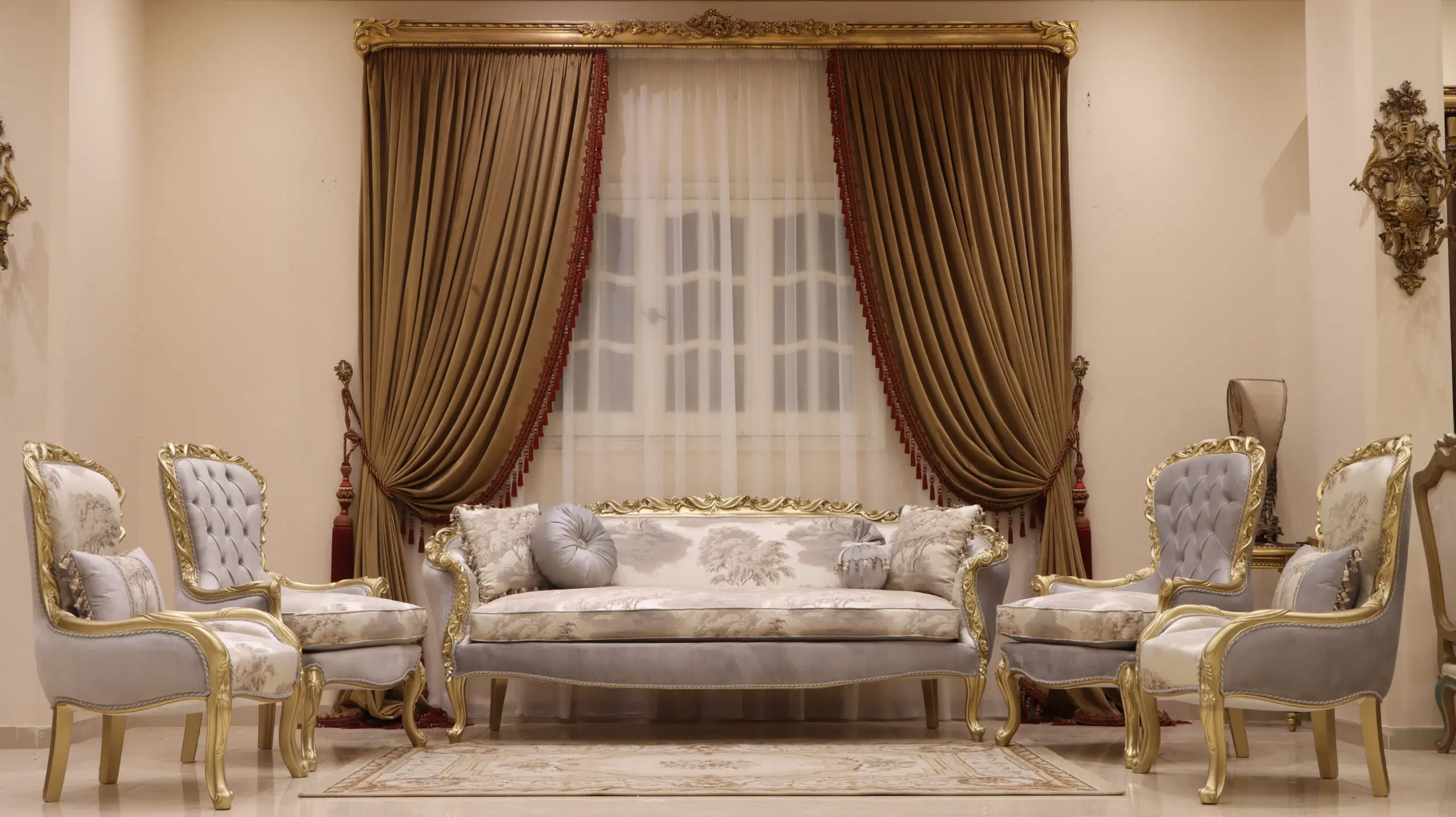
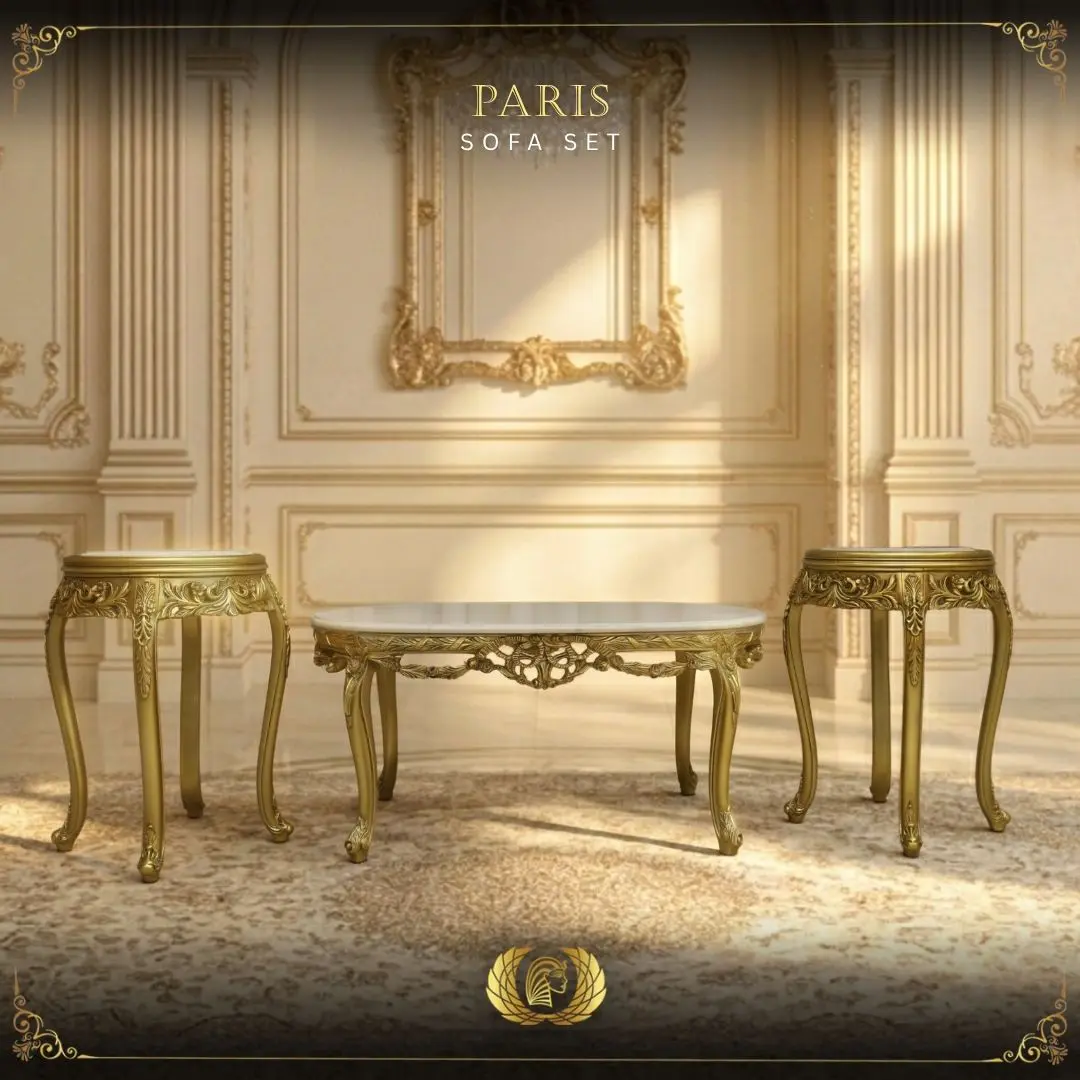
In contemporary luxury living rooms, carved wood furniture introduces depth and personality that minimalist furnishings often lack. Hand-carved coffee tables, ornate consoles, and sculpted accent chairs create focal points while adding tactile richness to the space.
Hand-Carved Bedroom Furniture
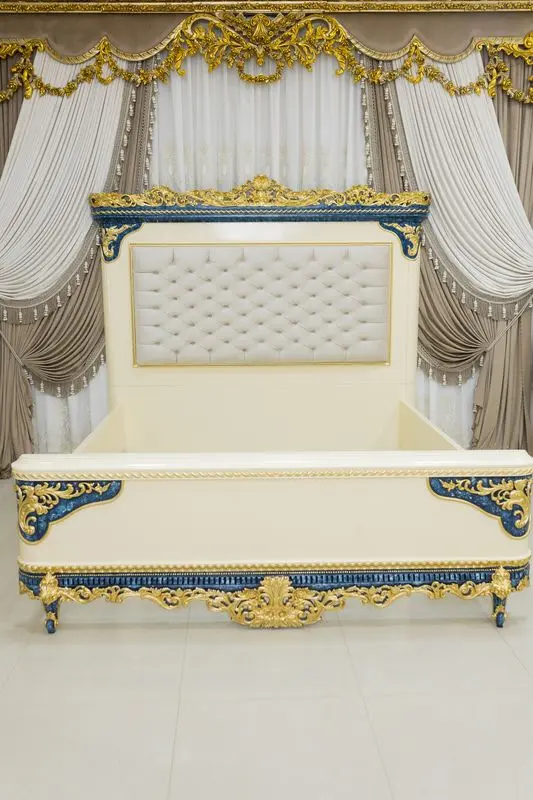
Bedroom furniture remains one of the most popular applications for Egyptian carving techniques. Elaborately carved headboards, nightstands, and dressers contribute elegance while reinforcing the craftsmanship narrative behind the collection.
These pieces often become generational furnishings because of their durability and timeless design.
Statement Dining Room Pieces
Luxury carved dining furniture creates a formal and memorable entertaining environment. Sculpted table bases, carved chair frames, and decorative buffets elevate the dining room into a showcase of artisan craftsmanship.
In many luxury homes, dining furniture serves as both a functional necessity and a visual centerpiece.
Custom Architectural Wood Detailing
Beyond furniture, Egyptian carving techniques are increasingly used in custom wall panels, ceiling treatments, doors, and cabinetry. These architectural applications create continuity throughout luxury interiors and reinforce the handcrafted aesthetic.
The Difference Between Artisan-Carved and Mass-Produced Furniture
Craftsmanship Quality
Artisan-carved furniture reflects careful attention to proportion, detail, and finish quality. Each carved element is intentionally shaped rather than mechanically reproduced.
Mass-produced furniture often sacrifices detail depth and construction integrity for speed and cost efficiency.
Material Integrity
Luxury handcrafted furniture typically uses solid hardwoods rather than engineered composites. This improves structural durability while allowing deeper and more refined carving.
Higher-quality materials also contribute to the furniture’s ability to age gracefully over decades.
Longevity and Heirloom Value
One of the defining characteristics of artisan furniture is longevity. Properly constructed carved wood furniture can remain functional and visually beautiful for generations.
For many homeowners, heirloom-quality furniture represents both aesthetic investment and lasting craftsmanship value.
Why Handcrafted Egyptian Furniture Appeals to U.S. Luxury Buyers
Customization and Bespoke Design
American luxury buyers increasingly value furniture customization. Handcrafted Egyptian furniture allows for tailored dimensions, finishes, carving styles, and upholstery selections that reflect personal design preferences.
This bespoke approach creates interiors that feel curated rather than standardized.
Timeless Aesthetic Appeal
Unlike trend-driven furniture, carved luxury furniture maintains relevance across changing design movements. Traditional craftsmanship, premium materials, and balanced ornamentation contribute enduring elegance.
Investment in Long-Term Quality
Many homeowners now prioritize durability and artistry over disposable furniture trends. Handcrafted luxury furniture offers superior longevity while adding architectural richness to the home.
Mobilia Cleopatra continues this tradition through custom-made collections that combine artisan woodworking with refined luxury design suitable for modern American interiors.
How to Identify High-Quality Carved Wood Furniture
Signs of Authentic Hand Carving
Authentic hand carving typically includes subtle variations in depth and texture. These details indicate human craftsmanship rather than automated production.
Sharp edges, overly repetitive patterns, and identical symmetry often suggest machine carving.
Wood Construction Indicators
Solid hardwood construction is one of the strongest indicators of quality furniture. Buyers should also examine joinery methods, frame stability, and carving depth.
Well-crafted furniture feels substantial and structurally balanced.
Finish Quality and Detailing
Luxury furniture finishes should enhance rather than conceal the natural wood grain. High-quality finishes also protect the carved surfaces while preserving detail clarity.
Careful transitions between carved areas, moldings, and flat surfaces indicate refined craftsmanship.
Egyptian Wood Carving Techniques
Maintaining and Preserving Carved Wood Furniture
Cleaning and Dust Protection
Regular dusting with soft microfiber cloths helps preserve carved detailing and prevent buildup within recessed areas. Harsh chemicals should be avoided because they can damage finishes and gilded accents.
Protecting Gilded Finishes
Gold leaf and decorative finishes require gentle maintenance. Excess moisture and abrasive cleaning products can diminish their appearance over time.
Maintaining stable indoor humidity also helps protect wood integrity.
Long-Term Furniture Preservation
Properly maintained handcrafted furniture can remain beautiful for generations. Avoiding direct sunlight, excessive dryness, and sharp temperature fluctuations helps preserve both the wood and decorative finishes.
Many heirloom-quality pieces become more visually appealing as natural patina develops with age.
The Role of Egyptian Wood Carving in Bespoke Furniture Design
Customization Options
Bespoke furniture design allows homeowners to personalize carving intensity, decorative motifs, finish coloration, and structural proportions. This flexibility ensures each piece complements the broader interior environment.
Integrating Traditional Craftsmanship Into Contemporary Homes
Modern luxury interiors increasingly blend contemporary layouts with heritage craftsmanship. Egyptian carving techniques provide warmth and artistic depth that soften minimalist architecture and modern materials.
Luxury Furniture as Functional Art
Hand-carved furniture often transcends practicality to become a form of collectible design. Sculptural detailing, artisan finishing, and custom woodworking elevate furniture into an artistic statement within the home.
Why Craftsmanship Matters in Luxury Furniture
The Human Element in Artisan Furniture
True luxury furniture reflects the skill, patience, and artistic judgment of experienced craftsmen. Human involvement introduces nuance and individuality impossible to achieve through automation alone.
Heritage Techniques and Modern Luxury
Traditional woodworking techniques remain relevant because they prioritize quality and longevity. Modern luxury interiors increasingly value authenticity, making artisan craftsmanship more important than ever.
The Lasting Value of Handmade Design
Handmade furniture offers emotional and aesthetic permanence in a market dominated by disposable furnishings. Carefully crafted pieces develop history, character, and sentimental value over time.
For discerning homeowners, luxury furniture is not simply about appearance. It is about craftsmanship integrity, material quality, and timeless design that continues to resonate for decades.
Egyptian Wood Carving Techniques
Frequently Asked Questions
What are traditional Egyptian wood carving techniques?
Traditional Egyptian wood carving techniques include relief carving, deep carving, scroll carving, floral motif carving, and decorative molding. These methods are performed by skilled artisans using hand tools to create sculptural detail and ornamental surfaces in luxury furniture.
What types of wood are commonly used in Egyptian carved furniture?
Beech wood, mahogany, walnut, oak, and cherry wood are among the most common materials used in carved luxury furniture. These hardwoods provide durability while allowing artisans to achieve detailed carving work.
How can you tell if furniture is hand carved?
Hand-carved furniture typically displays subtle irregularities and natural variation in carving depth. Machine-made furniture often appears overly uniform and repetitive. Authentic artisan carving also tends to have greater dimensional richness.
Why is handcrafted carved furniture considered luxury furniture?
Handcrafted furniture requires significant time, technical skill, and premium materials. The level of craftsmanship involved in carving, finishing, and construction contributes to its exclusivity and long-term value.
What is relief carving in furniture design?
Relief carving is a woodworking technique where patterns project outward from a flat wood surface. It is commonly used for decorative panels, headboards, cabinet doors, and ornate furniture accents.
Is Egyptian wood carving still used in modern furniture?
Yes. Many luxury furniture brands continue incorporating Egyptian carving traditions into contemporary interiors. Modern applications include custom cabinetry, statement dining furniture, carved bedroom sets, and architectural wall detailing.
What design styles use ornate wood carving?
Styles such as Rococo, Victorian, Baroque, Louis XV, Egyptian Revival, and French Classical interiors frequently feature ornate wood carving and decorative sculptural detailing.
How durable is hand-carved solid wood furniture?
High-quality hand-carved furniture made from solid hardwoods can last for generations when properly maintained. Traditional joinery methods and premium craftsmanship significantly improve durability.
What is the difference between handcrafted and machine-carved furniture?
Handcrafted furniture is shaped and refined by skilled artisans, resulting in greater uniqueness and detail quality. Machine-carved furniture prioritizes mass production and often lacks the depth and individuality associated with artisan craftsmanship.
How do artisans create decorative wood carving patterns?
Artisans use chisels, gouges, carving knives, and hand-finishing tools to gradually shape wood surfaces. Patterns are carefully planned to maintain visual balance and structural stability.
What makes beech wood popular in luxury carved furniture?
Beech wood offers strength, fine grain consistency, and carving precision. It responds well to detailed sculpting while maintaining durability, making it a preferred material for luxury handcrafted furniture.
How should carved wood furniture be maintained?
Carved furniture should be dusted regularly with soft cloths and protected from excessive sunlight, moisture, and temperature fluctuation. Gentle cleaning products help preserve finishes and decorative details over time.
Conclusion
Egyptian wood carving techniques continue to shape the world of luxury furniture through their remarkable blend of artistry, heritage, and structural craftsmanship. From intricate relief carving to elaborate sculpted detailing, these traditional methods bring timeless sophistication to both classical and contemporary interiors.
In today’s luxury market, handcrafted carved furniture represents far more than decoration. It reflects a commitment to quality materials, artisan skill, and enduring design values that stand apart from mass-produced furnishings. Homeowners increasingly seek interiors with authenticity and permanence, making heirloom-quality craftsmanship more relevant than ever.
The enduring appeal of Egyptian-inspired furniture lies in its ability to merge architectural richness with functional elegance. Hand-carved bedroom suites, statement dining tables, ornate living room pieces, and bespoke architectural details create interiors that feel curated, layered, and deeply personal. Every carved contour and hand-applied finish contributes to the individuality of the furniture and the atmosphere of the home itself.
As luxury interior design continues evolving, traditional woodworking techniques remain essential because they provide warmth, character, and artistic integrity. Mobilia Cleopatra embraces these principles through handcrafted collections that honor artisan heritage while meeting the expectations of modern American luxury living.
For homeowners and designers seeking furniture with lasting beauty, sculptural refinement, and meaningful craftsmanship, Egyptian wood carving techniques continue to offer an enduring standard of excellence in luxury furniture design.
