Free shipping · 0% for 6 months · White-glove available


Velvet Luxury Furniture Guide


Velvet luxury furniture has a rare ability to make a room feel refined, comfortable, and visually memorable at the same time. Unlike flat woven fabrics, velvet reflects light with depth and movement, creating a rich surface that changes subtly throughout the day. In a formal living room, a luxury velvet sofa can become the center of the space. In a dining room, velvet upholstered chairs can soften architectural details and bring elegance to the table. In a bedroom, velvet panels, benches, and accent seating can create a more intimate, designer-inspired atmosphere.
For homeowners in the U.S. luxury furniture market, velvet is more than a decorative fabric. It is a design statement connected to comfort, craftsmanship, color, and long-term style. The best velvet luxury furniture combines premium upholstery with strong frame construction, tailored proportions, refined detailing, and thoughtful material selection. A beautiful velvet piece should not only look impressive in a showroom; it should also support everyday living, formal entertaining, and the character of the home.
At Mobilia Cleopatra, velvet furniture naturally belongs within the world of handcrafted, custom-made, and designer furniture collections. Whether used on a French classical sofa, a Victorian-inspired chair, a modern classic sectional, or a bespoke bedroom piece, velvet brings softness and sophistication to luxury interiors. This guide explains how to choose velvet furniture with confidence, what quality details matter, which styles work best, and how to care for velvet upholstery so it remains elegant for years.
Why Velvet Luxury Furniture Remains a Timeless Choice
Velvet has been associated with luxury interiors for centuries because it offers what many fabrics cannot: visual depth, tactile softness, and a sense of occasion. The surface of velvet catches light differently depending on the direction of the pile, giving furniture a dimensional quality. This is why a velvet sofa, chair, or headboard often feels more dramatic than the same silhouette covered in a plain fabric.
In luxury interior design, velvet works especially well because it balances comfort with formality. A room can feel grand without becoming cold. A formal living room with carved wood details, marble accents, brass finishes, and velvet upholstery can feel elegant while still inviting guests to sit and relax. This balance is one reason velvet remains popular in American luxury homes, especially in spaces designed for entertaining.
Velvet also adapts to many design languages. In French Classical interiors, it enhances carved frames and graceful curves. In Victorian and Rococo-inspired furniture, it complements tufting, decorative trim, and ornate details. In Art Deco and Hollywood Regency spaces, velvet creates glamour through jewel tones, smooth silhouettes, and metallic accents. In contemporary classic interiors, velvet can be used more quietly through neutral tones, tailored lines, and clean upholstery work.
The lasting appeal of velvet luxury furniture comes from this versatility. It can feel traditional, romantic, dramatic, modern, or understated depending on color, frame design, and surrounding materials. When paired with proper craftsmanship, velvet becomes more than a surface finish. It becomes part of the room’s identity.
Velvet Luxury Furniture
What Defines High-Quality Velvet Furniture
High-quality velvet furniture begins beneath the fabric. While velvet creates the first impression, the durability and comfort of the piece depend on frame construction, upholstery technique, cushioning, and tailoring. A luxury velvet sofa or sectional should have a stable structure, supportive seating, and upholstery that is applied with precision.
One of the first distinctions buyers should understand is the difference between traditional velvet and performance velvet. Traditional velvet is valued for its soft hand, rich texture, and formal appearance. Performance velvet is designed to offer more resistance to everyday wear, stains, and cleaning concerns. For homes with children, pets, or high-use living spaces, performance velvet may be a practical choice without sacrificing the upscale look of velvet upholstery.
Frame quality is equally important. Premium velvet furniture often uses solid wood or kiln-dried hardwood frames because these materials provide better stability than low-grade engineered construction. A strong frame helps the sofa, chair, or bed maintain its shape over time. Traditional joinery, reinforced corners, and well-built support systems all contribute to long-term performance.
Cushion quality also matters. High-density foam, multi-layer padding, feather-blend cushions, and proper suspension systems affect how the furniture feels after years of use. Velvet may create a luxurious surface, but poor cushioning will quickly reduce comfort and value.
Craftsmanship is visible in the details. Hand-tufting, deep-button tufting, precision stitching, double-stitched seams, upholstery tailoring, and carefully finished edges all signal a higher level of work. A quality velvet piece should look controlled, balanced, and intentional from every angle.
Popular Types of Velvet Luxury Furniture
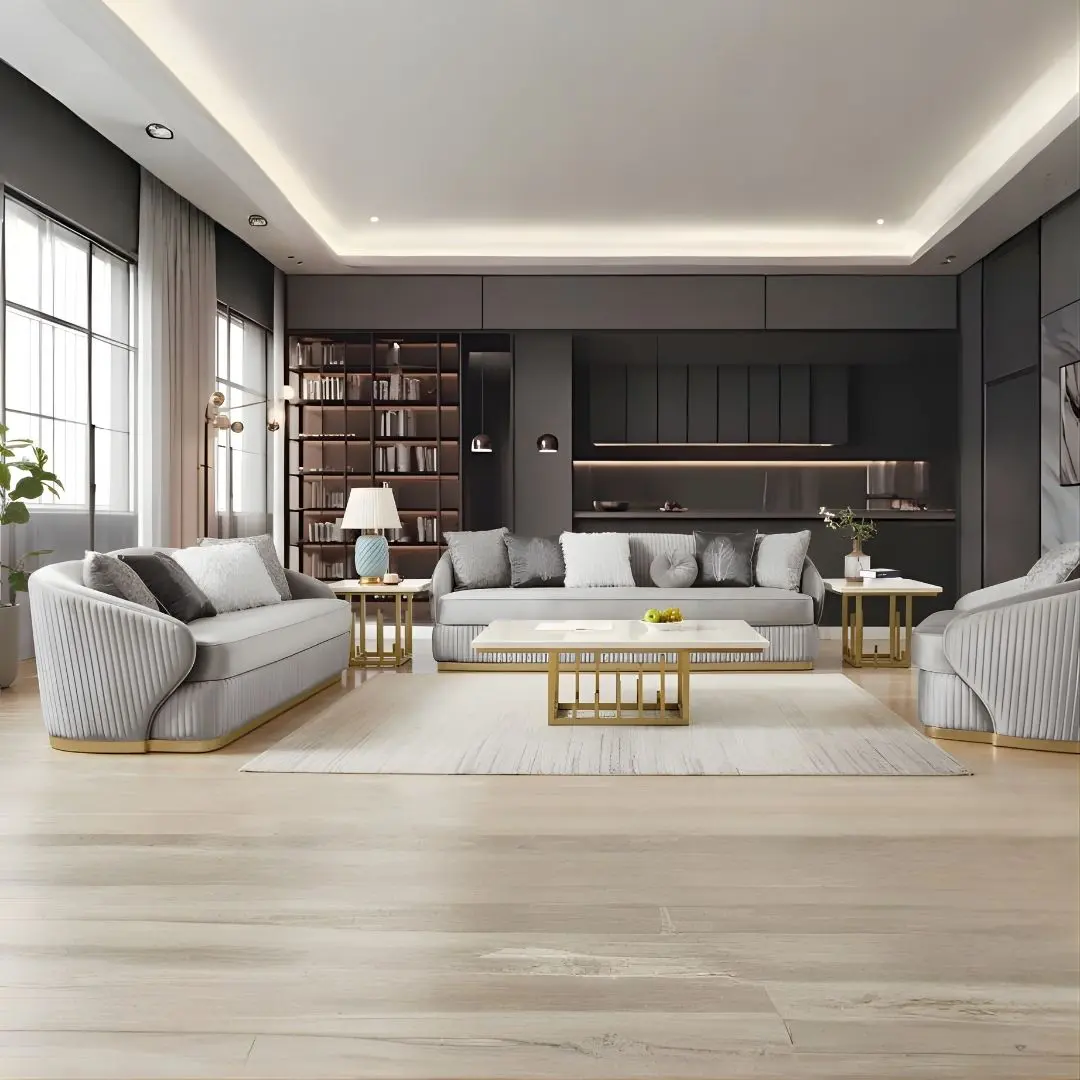
Velvet can be used across many furniture categories, but it is especially powerful in seating pieces. Luxury velvet sofas remain one of the most popular choices because they provide both a visual anchor and a comfortable gathering place. A velvet tufted sofa, for example, can instantly create a formal atmosphere, while a clean-lined velvet sofa can support a more transitional or contemporary interior.
Velvet sectionals are another strong option for larger American homes. A luxury velvet sectional can define an open living area while offering generous seating for family and guests. In this setting, scale and proportion are critical. The sectional should feel substantial without overwhelming the room. Custom velvet sectionals are particularly valuable when homeowners need specific dimensions, configurations, or fabric colors.
Velvet accent chairs offer a more flexible way to introduce the material. A pair of velvet chairs can frame a fireplace, complete a formal sitting area, or add contrast to a living room with leather, wood, or linen textures. Accent chairs are also ideal for jewel tones such as emerald, sapphire, burgundy, or deep gold because they allow bold color without overpowering the entire space.
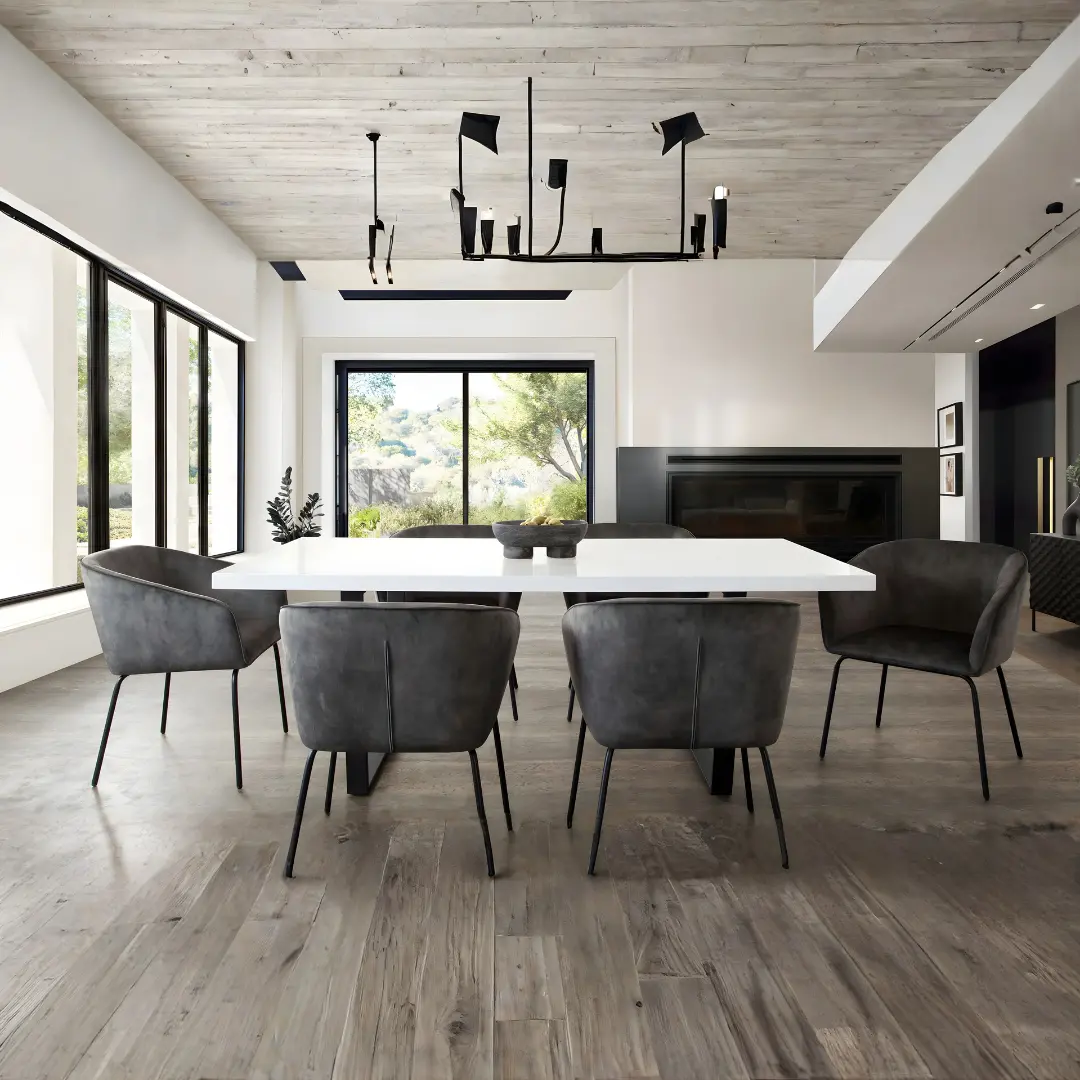
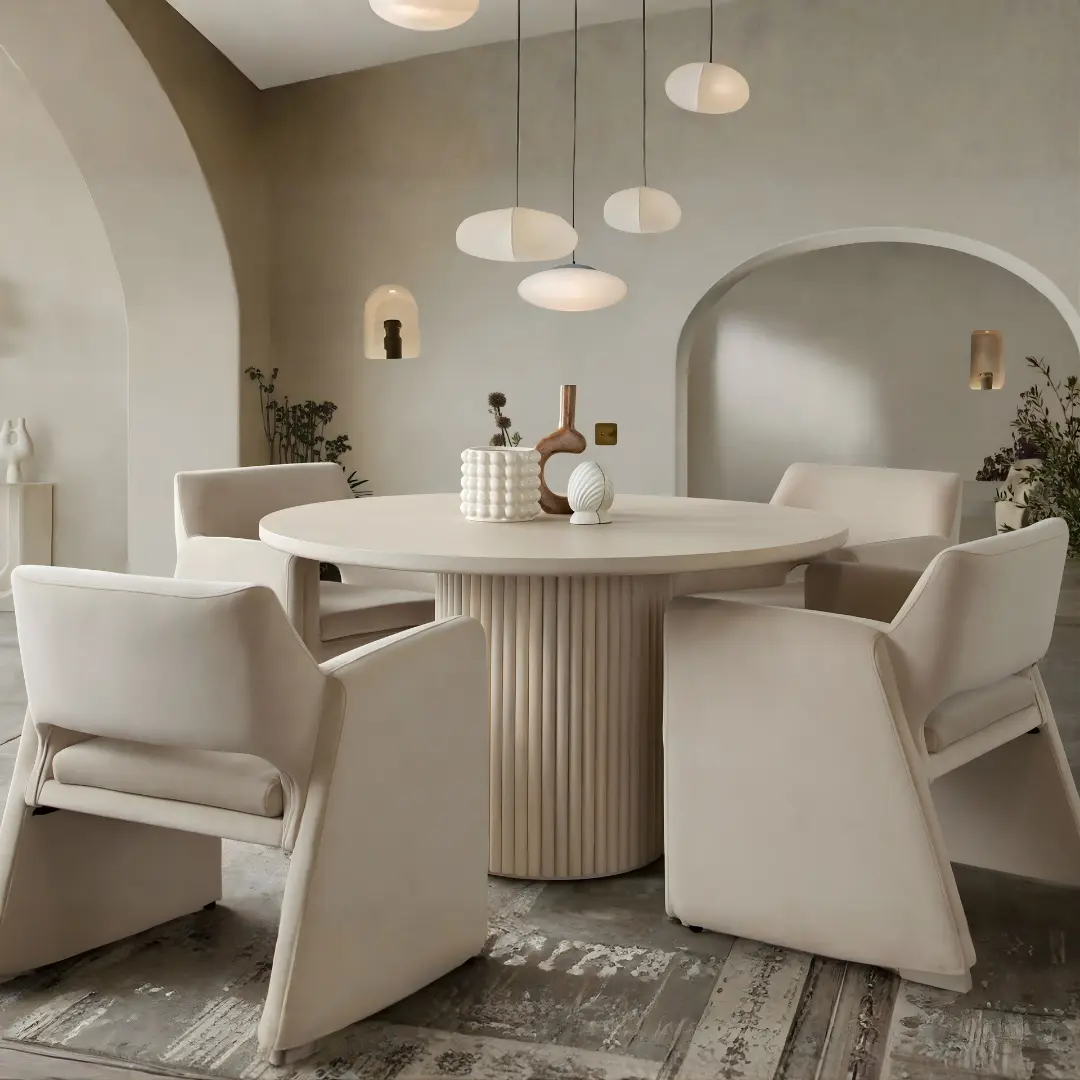
Velvet dining chairs bring softness and elegance to dining rooms, especially when paired with carved wood tables, marble surfaces, or metallic accents. They create a more formal dining experience and can make long dinners feel more comfortable.
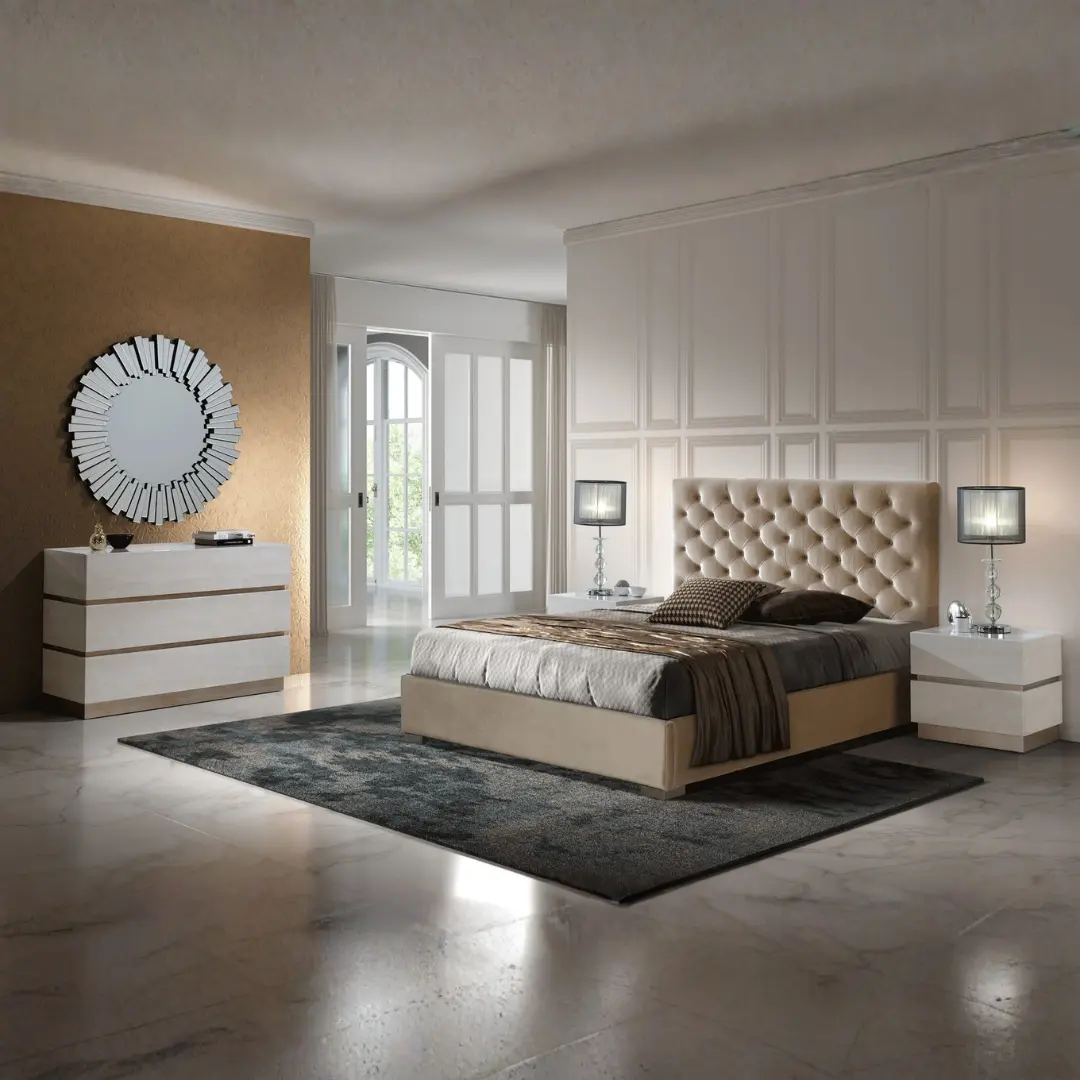
In bedrooms, velvet appears beautifully on headboards, benches, lounge chairs, and upholstered bed frames. Velvet bedroom furniture creates warmth and intimacy, especially when combined with layered bedding, warm lighting, and refined decorative finishes.
Best Velvet Furniture Styles for Elegant Interiors
Velvet luxury furniture works across many styles, but it is especially effective in interiors that value detail, proportion, and atmosphere. French Classical velvet furniture is one of the strongest examples. Curved frames, carved hardwood details, cabriole-style legs, and refined upholstery all pair naturally with velvet’s soft surface. In this style, velvet often appears in muted neutrals, champagne tones, soft blues, creams, or deep formal colors.
Victorian and Rococo velvet designs lean more decorative. These pieces may include deep-button tufting, hand carving, ornate frames, gold leaf detailing, nailhead accents, and dramatic silhouettes. Velvet enhances the richness of these styles because it supports the visual weight of the furniture. A Rococo-inspired velvet sofa or chair can become a true statement piece in a formal living room or grand entry space.
Hollywood Regency and Art Deco interiors use velvet differently. Instead of relying heavily on carved ornamentation, these styles often emphasize glamour, symmetry, contrast, and polished materials. Velvet seating in jewel tones can pair beautifully with brass, mirrored finishes, marble tops, and sculptural lighting. The result is luxurious but more theatrical and modern.
Contemporary classic interiors use velvet in a more restrained way. A modern classic velvet sofa may have cleaner lines, tailored upholstery, and subtle decorative details. This style is ideal for homeowners who want luxury without excessive ornamentation. It also works well in newer American homes where open layouts require furniture that feels elegant but not overly formal.
The key is choosing a style that matches the architecture and mood of the home. Velvet should enhance the space, not compete with it.
Velvet Luxury Furniture
Choosing the Right Velvet Color for Luxury Spaces
Color is one of the most important decisions when selecting velvet luxury furniture because velvet changes visually under different lighting conditions. The same fabric may appear lighter in daylight, deeper in evening light, and more dramatic under warm interior lighting. For this reason, velvet color should be considered in relation to the room’s natural light, wall color, flooring, and surrounding materials.
Neutral velvet tones are ideal for timeless interiors. Cream, ivory, taupe, warm gray, champagne, and soft beige can make velvet feel elegant without becoming too bold. These colors work especially well in formal living rooms, bedrooms, and spaces with carved wood, marble, or gold accents. Neutral velvet also allows homeowners to update pillows, rugs, and accessories over time without replacing major furniture pieces.
Jewel tones create a more dramatic luxury effect. Emerald green, sapphire blue, ruby red, deep plum, and rich burgundy are often used when the furniture is intended to serve as a focal point. These colors are powerful in velvet because the fabric’s pile adds depth and shadow. A jewel-tone velvet sofa or accent chair can bring personality to an otherwise neutral room.
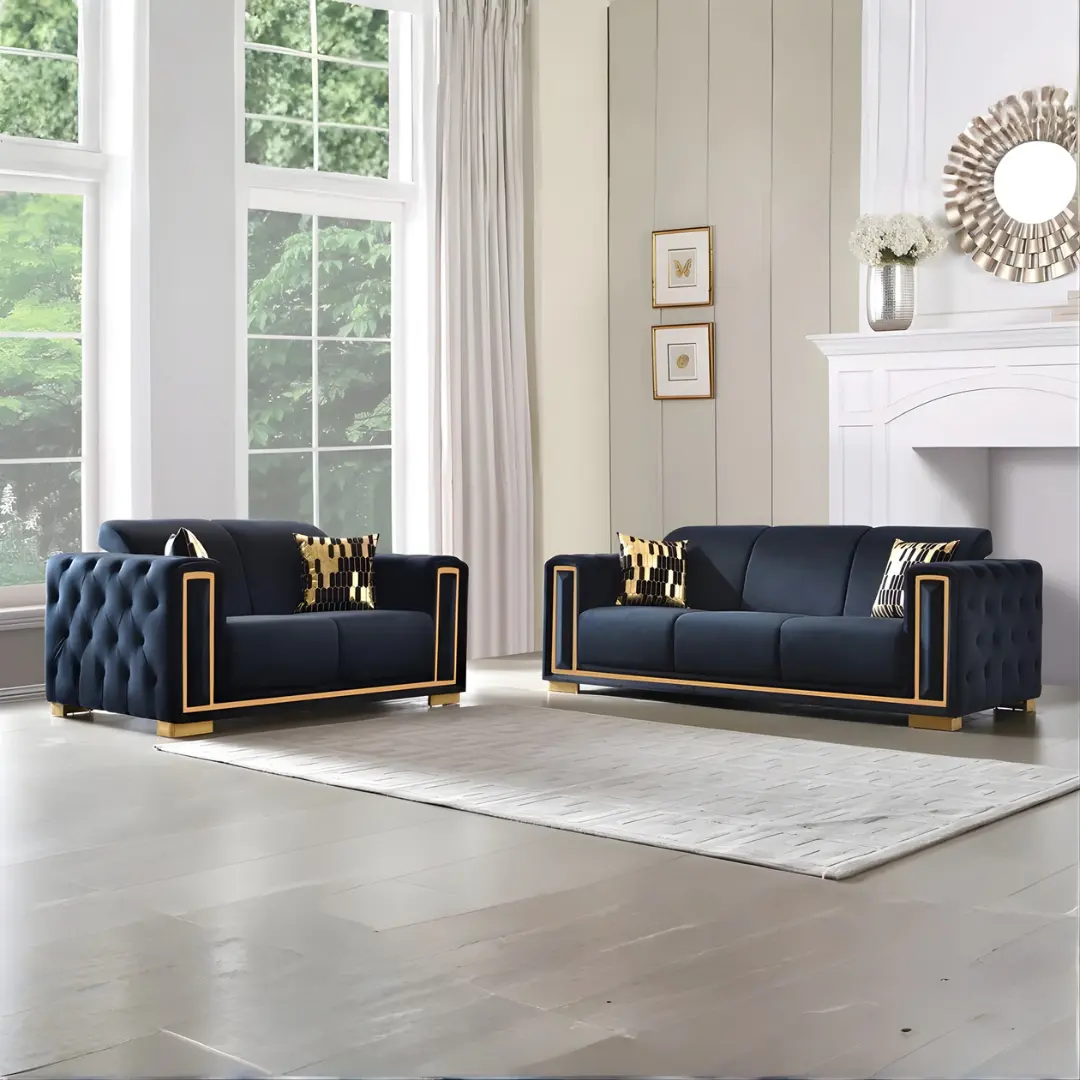
Dark velvet colors such as charcoal, navy, espresso, and black create formality and sophistication. They work well in large spaces, media rooms, and formal sitting areas, but they should be balanced with lighter flooring, metallic accents, or reflective surfaces to prevent the room from feeling too heavy.
The most successful velvet interiors usually combine color discipline with texture. Velvet should feel integrated into the complete design palette.
Materials Used in Premium Velvet Furniture
Premium velvet furniture is defined by the relationship between upholstery and supporting materials. Velvet may be the most visible material, but wood, metal, stone, cushioning, and decorative finishes all influence the final quality and appearance of the piece.
Solid wood and kiln-dried hardwood frames provide the foundation for many luxury sofas, chairs, and beds. Mahogany, beech wood, walnut, and carved hardwood frames are frequently associated with traditional and European-inspired furniture because they allow detailed carving and strong structural performance. A well-made frame helps the upholstery remain properly shaped and supported.
Cushion materials affect both comfort and longevity. High-density foam provides support and structure, while feather-blend cushions can add softness and a more relaxed luxury feel. Multi-layer upholstery padding helps create smooth surfaces, rounded edges, and a more refined seated experience. When these materials are poorly selected, even beautiful velvet can appear loose, flat, or uncomfortable over time.
Decorative materials also play an important role. Brass accents, stainless steel details, gold leaf finishes, marble tops, and silk trim can elevate velvet furniture when used with restraint. For example, velvet dining chairs paired with a marble dining table can create a strong sense of occasion. A velvet sofa with carved gold accents can support a more formal French or Rococo-inspired room.
The goal is not to overload the furniture with luxury signals. True premium design comes from proportion, harmony, and material compatibility. Velvet should work with the frame, finish, and details as one complete composition.
Velvet Luxury Furniture
How Velvet Furniture Enhances Interior Design
Velvet furniture enhances interiors by creating contrast, softness, and visual focus. In a room with hard materials such as stone, glass, metal, or polished wood, velvet introduces warmth and texture. This contrast makes the space feel more layered and livable. A marble coffee table, brass lighting, and carved wood furniture all become more inviting when paired with velvet upholstery.
In statement living rooms, velvet can define the mood immediately. A luxury velvet sofa placed at the center of the seating arrangement communicates elegance and comfort. When paired with accent chairs, area rugs, drapery, and decorative lighting, it creates a complete environment rather than a simple furniture layout.
Velvet also works beautifully when layered with other luxury materials. It can soften the formality of marble, enrich the warmth of wood, and complement metallic details. In traditional interiors, velvet supports ornamentation. In modern classic interiors, it adds softness to clean architectural lines. In transitional luxury spaces, it helps bridge old-world detail with contemporary comfort.
Scale is important. In large rooms, a substantial velvet sectional or sofa can make the space feel grounded. In smaller rooms, velvet accent chairs, benches, or dining chairs may provide the right amount of texture without overwhelming the layout. The goal is to use velvet intentionally, not excessively.
In American luxury homes, velvet furniture often functions as both a design feature and a comfort upgrade. It helps rooms feel curated, personal, and finished.
Custom Velvet Furniture and Bespoke Design Options
Custom velvet furniture offers homeowners the ability to align size, style, fabric, and finish with the exact needs of the room. This is especially important in luxury interiors, where standard furniture dimensions may not suit the architecture, traffic flow, or design goals of the space.
A custom velvet sofa, for example, can be tailored by length, depth, cushion style, arm shape, tufting pattern, leg design, and upholstery color. For formal living rooms, a homeowner may choose hand-tufting, carved wood frames, and decorative trim. For a contemporary classic room, the same velvet material may be applied to a cleaner silhouette with minimal ornamentation.
Custom upholstery selections allow the client to choose between traditional velvet, performance velvet, plush textures, smooth finishes, or specific color families. This flexibility is useful when matching existing flooring, wall treatments, drapery, rugs, or architectural finishes. A designer may recommend warm neutrals for timeless elegance or deeper tones for a more dramatic statement.
Bespoke furniture also allows for special detailing. Nailhead accents, hand-applied trim, custom finishing, gold leaf detailing, carved hardwood frames, and tailored upholstery work can all be selected according to the desired level of formality.
Working with luxury furniture specialists helps ensure these decisions are not made separately. Frame, upholstery, cushion, color, and finish should all support one design direction. At Mobilia Cleopatra, custom-made furniture is approached as part of a complete luxury interior vision, where the final piece must feel beautiful, functional, and appropriate for the home.
How to Maintain Velvet Luxury Furniture
Many buyers admire velvet but hesitate because they assume it is difficult to maintain. In reality, velvet luxury furniture can remain beautiful with proper care, especially when the right fabric type is chosen for the lifestyle of the home. Maintenance begins with understanding the difference between decorative use and everyday use.
Routine velvet care usually includes gentle vacuuming with a soft brush attachment to remove dust and prevent particles from settling into the pile. Light brushing in the direction of the nap can help maintain a smooth appearance. Spills should be handled quickly according to the fabric’s care instructions, and harsh scrubbing should be avoided because it can disturb the pile.
Preventing crushing and wear is also important. Velvet naturally shows pressure marks more than flat fabrics, especially in high-use seating areas. Rotating cushions when possible, avoiding prolonged direct sunlight, and placing furniture away from extreme heat sources can help preserve the fabric’s appearance. In formal rooms, traditional velvet may be ideal. In busy family spaces, performance velvet can provide greater peace of mind.
Cleaning recommendations depend on the specific upholstery. Some velvet fabrics require professional cleaning, while certain performance velvets may allow easier spot cleaning. Buyers should always confirm care instructions before purchase.
Velvet maintenance is ultimately about matching the material to the room. A formal sitting room, family living room, dining area, and bedroom may each require a different velvet selection. When chosen correctly, velvet can offer both elegance and practical durability.
Velvet Furniture for Formal and Everyday Living
Velvet furniture is often associated with formal interiors, but it can also serve everyday living when selected carefully. The key is choosing the right construction, fabric type, and furniture category for the way the room will be used.
For luxury entertaining spaces, velvet creates an immediate sense of refinement. A formal living room with velvet sofas, carved wood frames, marble tables, and decorative lighting feels prepared for guests. Velvet dining chairs can make special dinners feel more elevated. Accent chairs in rich velvet can define conversation areas and bring color to neutral interiors.
For family spaces, performance velvet and strong cushion construction become more important. A luxury velvet sectional in a family room should offer comfort, support, and stain resistance where possible. Deeper seats, durable upholstery, and practical color choices can make velvet more livable. Darker neutrals, textured velvet, and medium-depth colors often hide minor wear better than very pale or highly reflective fabrics.
Comfort should never be overlooked. Luxury furniture must look refined, but it should also support real use. Seat depth, cushion firmness, arm height, back support, and fabric feel all affect the experience. A beautiful velvet sofa that is uncomfortable will not serve the home well.
The best velvet furniture balances beauty and function. It can create a formal impression while still supporting daily life, family gatherings, and long conversations.
Velvet Luxury Furniture
How to Identify True Furniture Craftsmanship
True craftsmanship in velvet furniture is visible in both structure and detail. A well-crafted piece should feel balanced, stable, and carefully finished. The upholstery should sit smoothly on the frame, the seams should align properly, and decorative elements should feel intentional rather than excessive.
Hand-tufting is one of the most recognizable craftsmanship details in velvet furniture. Deep-button tufting requires skill because the fabric must be pulled evenly to create consistent folds and depth. Poor tufting may look uneven, loose, or distorted. Precision stitching is equally important, especially along arms, backs, cushions, and curved forms.
Traditional joinery and carved hardwood frames are especially important in classical, Victorian, Rococo, and French-inspired furniture. Hand carving adds character and artistic value, but it must be supported by solid frame construction. Decorative wood carving should enhance the silhouette rather than feel disconnected from the upholstery.
Custom finishing is another sign of quality. Gold leaf detailing, hand-applied trim, nailhead accents, and decorative finishes should be applied cleanly and proportionally. In luxury furniture, details should reward close inspection. They should not appear rushed, uneven, or overly manufactured.
Upholstery tailoring also separates premium furniture from mass-produced pieces. Velvet must be handled carefully because pile direction, seam placement, and light reflection all affect the finished look. A well-tailored velvet piece feels composed from every angle, making it suitable for open floor plans and formal room layouts.
Why Velvet Luxury Furniture Continues to Grow in Popularity
Velvet luxury furniture continues to grow in popularity because interior design has moved toward richer textures, warmer rooms, and more personalized spaces. Many homeowners are moving away from flat, minimal interiors and looking for rooms with depth, softness, and emotional character. Velvet answers that demand naturally.
The return of textured interiors has made velvet especially relevant. Designers often use velvet to soften rooms with stone, glass, metal, or large architectural surfaces. A velvet sofa or chair can make a space feel more intimate without reducing its sophistication. It adds depth in a way that paint or accessories alone cannot.
Luxury comfort trends also support velvet’s popularity. Homeowners want furniture that looks refined but also feels inviting. Velvet provides a tactile experience that many other upholstery materials lack. It suggests comfort before a person even sits down, which is powerful in living rooms, bedrooms, and lounge spaces.
Designer demand for premium upholstery materials has also increased interest in velvet. With more options available in performance velvet, custom colors, and modern fabric technologies, velvet is no longer limited to rarely used formal rooms. It can now appear in family rooms, dining spaces, bedrooms, and open-plan living areas.
Velvet’s popularity is not simply a trend. It reflects a broader desire for homes that feel elegant, comfortable, and personal. When crafted well, velvet furniture satisfies all three.
Choosing Velvet Luxury Furniture for Long-Term Value
When investing in velvet luxury furniture, long-term value should guide the decision. A premium piece should offer more than immediate beauty. It should provide durable construction, timeless design, comfort, and the ability to remain relevant as the home evolves.
Investment-quality furniture differs from mass production in several ways. The frame is stronger, the materials are more carefully selected, the upholstery is better tailored, and the design has greater depth. A low-quality velvet piece may look attractive at first but can lose shape, comfort, or surface appeal quickly. A well-crafted piece is designed to age with dignity.
Timeless design is another important factor. Velvet furniture with balanced proportions, refined color, and quality detailing will usually outlast trend-driven pieces. A cream velvet sofa with elegant lines, a navy tufted sectional, or a pair of classic velvet dining chairs can remain relevant across many design updates.
For multi-generational use, buyers should consider construction, maintenance, and adaptability. Custom velvet furniture can be especially valuable because it is made to fit the home’s layout and the owner’s design vision. It is not simply purchased to fill space; it is created to belong.
Velvet luxury furniture is a meaningful investment when the piece combines beauty, comfort, craftsmanship, and practical use. The best choice is not always the most ornate or dramatic piece. It is the one that elevates the home while supporting the way people actually live.
Velvet Luxury Furniture
FAQs About Velvet Luxury Furniture
Is velvet furniture good for luxury interiors?
Yes. Velvet is one of the most effective upholstery materials for luxury interiors because it offers softness, depth, and visual richness. It works beautifully in formal living rooms, dining rooms, bedrooms, and designer seating areas. Velvet also pairs well with materials commonly used in premium interiors, including marble, brass, carved wood, gold leaf finishes, and polished metal accents.
What is the best velvet material for furniture?
The best velvet material depends on how the furniture will be used. Traditional velvet is often chosen for formal rooms because of its elegant texture and refined appearance. Performance velvet is better suited for high-use areas because it may offer improved stain resistance and easier care. For luxury homes, the ideal choice balances beauty, durability, comfort, and maintenance needs.
Is performance velvet better than traditional velvet?
Performance velvet is not always better, but it is often more practical for everyday use. It is designed for improved durability and easier maintenance, making it a strong option for family rooms, dining chairs, and high-traffic seating. Traditional velvet may offer a more classic hand and formal appearance, making it excellent for decorative or less frequently used spaces.
Are velvet sofas durable for everyday use?
Velvet sofas can be durable for everyday use when they are made with quality upholstery, strong frame construction, and the right fabric type. A luxury velvet sofa should have a solid or kiln-dried hardwood frame, supportive cushions, and tailored upholstery. For busy homes, performance velvet is often the safest choice because it provides a luxury look with more practical resistance to wear.
How do you clean luxury velvet furniture?
Cleaning depends on the specific velvet fabric. In general, velvet should be vacuumed gently with a soft brush attachment and kept free from dust. Spills should be addressed quickly according to the care label. Avoid aggressive scrubbing, which can damage the pile. Some velvet upholstery may require professional cleaning, especially in formal or delicate fabrics.
Does velvet furniture work in modern homes?
Yes. Velvet works very well in modern homes when used with clean silhouettes, controlled color palettes, and balanced proportions. A modern classic velvet sofa, tailored sectional, or simple velvet accent chair can add warmth and sophistication without making the room feel overly traditional. Neutral velvet tones are especially effective in contemporary luxury interiors.
What colors are most popular for velvet luxury furniture?
Popular velvet colors include cream, ivory, taupe, gray, navy, emerald green, burgundy, charcoal, and champagne. Neutral tones are ideal for timeless interiors, while jewel tones create a stronger statement. Dark velvet colors work well in formal spaces, especially when balanced with lighter walls, metallic accents, or marble surfaces.
Is velvet furniture difficult to maintain?
Velvet requires thoughtful care, but it is not necessarily difficult to maintain. The key is choosing the right velvet for the room. Performance velvet is easier for everyday spaces, while traditional velvet is better for formal interiors. Regular dust removal, protection from direct sunlight, and proper cleaning methods help preserve the fabric’s appearance.
What styles pair best with velvet upholstery?
Velvet pairs beautifully with French Classical, Victorian, Rococo, Neoclassical, Art Deco, Hollywood Regency, traditional American luxury, and contemporary classic styles. It can support ornate carved frames or clean modern silhouettes. The final effect depends on color, shape, trim, and the surrounding interior materials.
Why is handcrafted velvet furniture more expensive?
Handcrafted velvet furniture is more expensive because it involves higher-quality materials, skilled labor, stronger construction, and more detailed finishing. Techniques such as hand-tufting, upholstery tailoring, decorative carving, custom finishing, and precision stitching require time and expertise. The result is furniture with greater depth, durability, and individuality.
Can luxury velvet furniture be customized?
Yes. Luxury velvet furniture can often be customized by size, fabric, color, cushion style, frame finish, tufting, trim, and decorative detailing. Custom velvet sofas, sectionals, dining chairs, and bedroom pieces allow homeowners to create furniture that fits their space, design style, and comfort preferences.
What makes a velvet sofa high-quality?
A high-quality velvet sofa combines premium upholstery with strong internal construction. Look for a solid wood or kiln-dried hardwood frame, supportive cushioning, precise stitching, smooth upholstery application, durable fabric, and balanced proportions. Details such as hand-tufting, carved hardwood accents, and custom finishing can further elevate the piece.
Conclusion
Velvet luxury furniture remains one of the most elegant choices for homeowners who want interiors with depth, comfort, and lasting sophistication. Its appeal comes from more than softness. Velvet changes with light, enriches color, complements premium materials, and brings a sense of refinement to living rooms, dining rooms, bedrooms, and formal entertaining spaces.
Choosing the right velvet furniture requires attention to construction, fabric type, craftsmanship, style, color, and maintenance. A beautiful piece should be supported by a strong frame, quality cushioning, tailored upholstery, and details that feel intentional. Whether the goal is a luxury velvet sofa, a custom velvet sectional, velvet dining chairs, or a handcrafted accent piece, the best furniture should serve both the room’s design and the homeowner’s lifestyle.
For American luxury interiors, velvet offers rare versatility. It can feel classical, dramatic, glamorous, modern, or understated depending on how it is used. It can support ornate French and Victorian designs or bring softness to contemporary classic spaces. When selected with care, velvet furniture becomes more than a decorative purchase. It becomes part of the home’s character.
Mobilia Cleopatra approaches velvet luxury furniture through the lens of craftsmanship, customization, and refined interior design. For homeowners seeking premium furniture with elegance, comfort, and presence, velvet remains a timeless material worthy of serious consideration.
