Free shipping · 0% for 6 months · White-glove available


Custom Made Furniture vs Ready Made Furniture: Which Is Right for Luxury Interiors?

Reviewed by the Mobilia Cleopatra design team
Quick answer: Custom made furniture is built to your measurements, materials and finish after you order it; ready made furniture is a finished design you buy as it is, often from stock; mass-produced furniture is ready made furniture built in large factory runs. Custom wins on fit, personalization and control over construction, but it usually costs more and takes longer, and lead time is set by the maker for each project. Ready made pieces from a curated high-end collection win on speed, predictable pricing and the chance to see the piece before you buy. A semi-custom route, choosing a size, fabric or finish on an existing design, sits between the two and is often the best value.
Choosing furniture for a luxury interior is rarely just a style decision. The same sofa silhouette can be bought off the showroom floor, ordered in your own fabric, or drawn from scratch around an awkward bay window, and each route changes what you pay, how long you wait, and how well the piece will serve the room for years. Homeowners, designers and renovators all run into the same three questions: how do custom designer pieces compare to ready-made options in price and lead time, are bespoke pieces really better made than mass-produced ones, and are there sensible alternatives if full custom feels like too much?
This guide answers those questions directly. It defines custom, ready made and mass-produced furniture in plain terms, compares them side by side, weighs custom work against buying from a curated high-end collection, and explains when each option makes the most sense. It closes with exactly how a custom order works at Mobilia Cleopatra, so you know what to expect before you send a single measurement.
Custom, Ready Made and Mass-Produced Furniture: What Each Term Means
These words are used loosely in furniture retail, and the confusion costs buyers money. Before comparing them, it helps to pin down what each one actually describes.
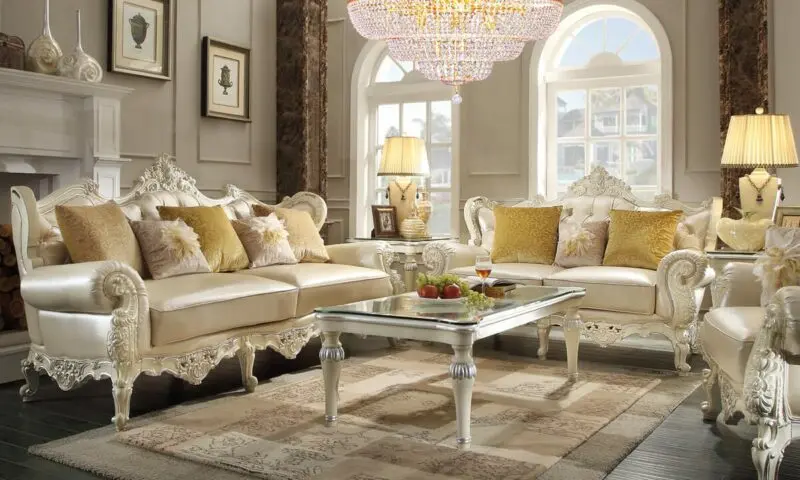
Comparison of custom made furniture and ready made furniture for luxury homes
Custom made (bespoke) furniture
Custom made furniture is designed and built for one client after the order is placed. Dimensions, wood species, stain or paint, upholstery, hardware and decorative details are agreed in advance, often through drawings or renderings. Fully bespoke work starts from a blank page or a reference photo; nothing exists until you approve the design.
Made-to-order and semi-custom furniture
Made-to-order or semi-custom pieces start from an existing design. You keep the proven frame and proportions but change selected variables, such as overall size, fabric, wood finish or leg style. Because the engineering is already solved, this route usually carries less risk than fully bespoke work while still giving the piece a personal fit.
Ready made furniture
Ready made furniture is a finished design sold as it is. It may be in stock, on display, or shipped from a vendor, but you choose from fixed sizes, colors and fabrics. Ready made does not automatically mean low quality: high-end collections are also sold ready made.
Mass-produced furniture
Mass-produced furniture is ready made furniture manufactured in large, repeated runs on standardized templates, with automated cutting and assembly-line steps. The model is built for volume and price, so quality depends heavily on the maker and the materials it chooses.
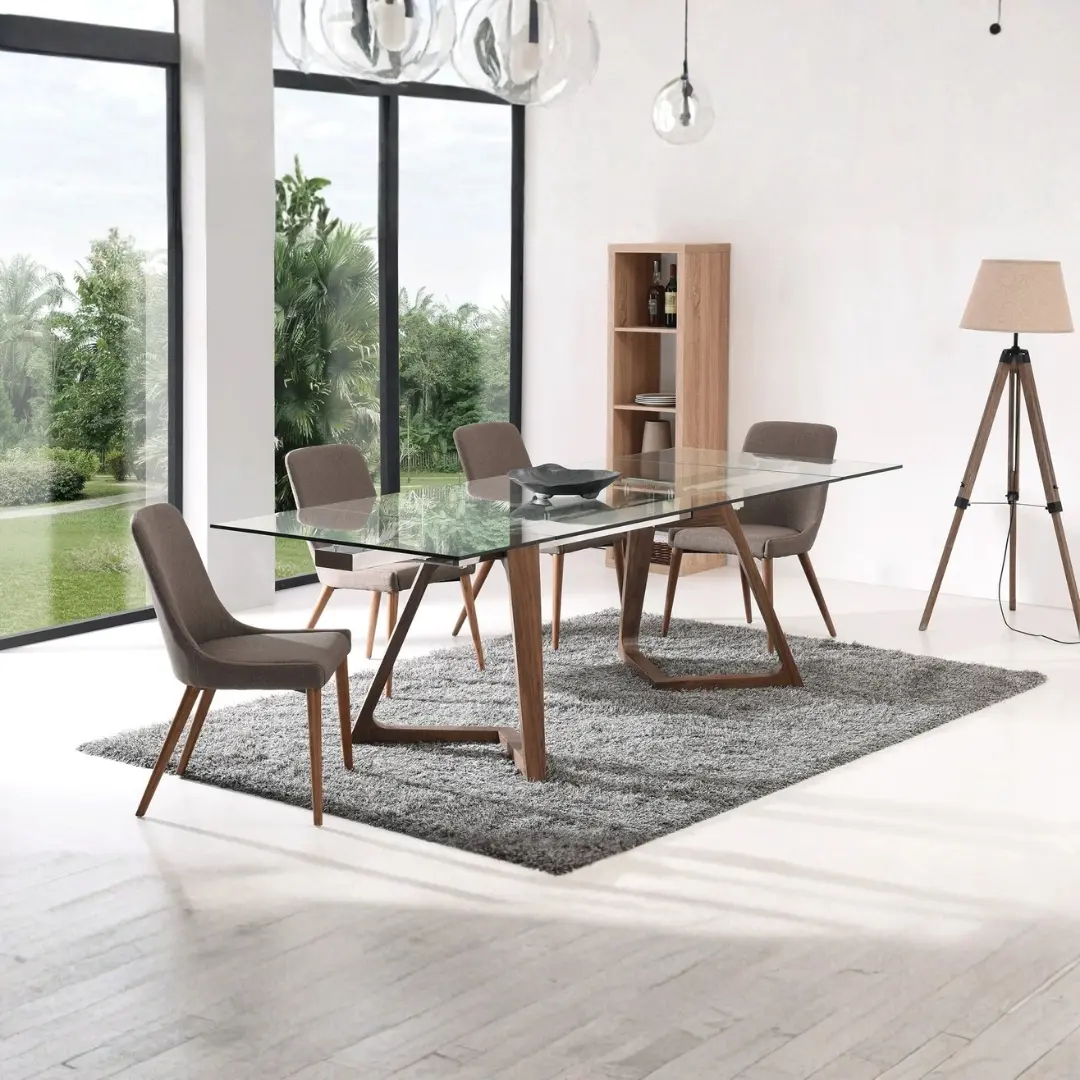
Unique custom made furniture compared with identical mass produced furniture
Custom vs Ready Made vs Mass-Produced: Side-by-Side Comparison
The table below summarizes the practical differences. It describes typical patterns, not guarantees; any single maker can be better or worse than the norm, so use it as a checklist of things to ask about.
| Factor | Custom / bespoke | Curated high-end ready made | Mass-produced |
|---|---|---|---|
| What drives the price | Design time, chosen materials, labor hours, carving or upholstery complexity, one-off setup | Material grade, construction, brand and design; cost is spread over a limited run | Volume; cost is spread over many identical units, often with engineered materials |
| Lead time | Set per project after the design is approved; ask the maker for a date in writing | Immediate if in stock; otherwise depends on the vendor | Usually the fastest when in stock |
| Fit to your room | Built to your measurements and layout | Fixed sizes; you plan the room around the piece | Fixed sizes chosen for the broadest market |
| Seeing it before you buy | Drawings, renderings, samples or a mock-up | Often on a showroom floor | Photos and specs; sometimes a display model |
| Returns and changes | Ask: can the order be changed or cancelled after approval, and what happens if it arrives damaged? | Ask: what is the return window and who pays freight? | Ask: is there a restocking fee, and is assembly included? |
| Quality variance | Depends on the workshop; you can specify wood, joinery and finish | Generally consistent within a collection; check construction details | Widest range, from solid to disposable |
Notice that returns appear as questions. Policies differ from seller to seller, and made-to-spec items are often handled differently from stock items, so confirm the terms for your specific order before you pay.
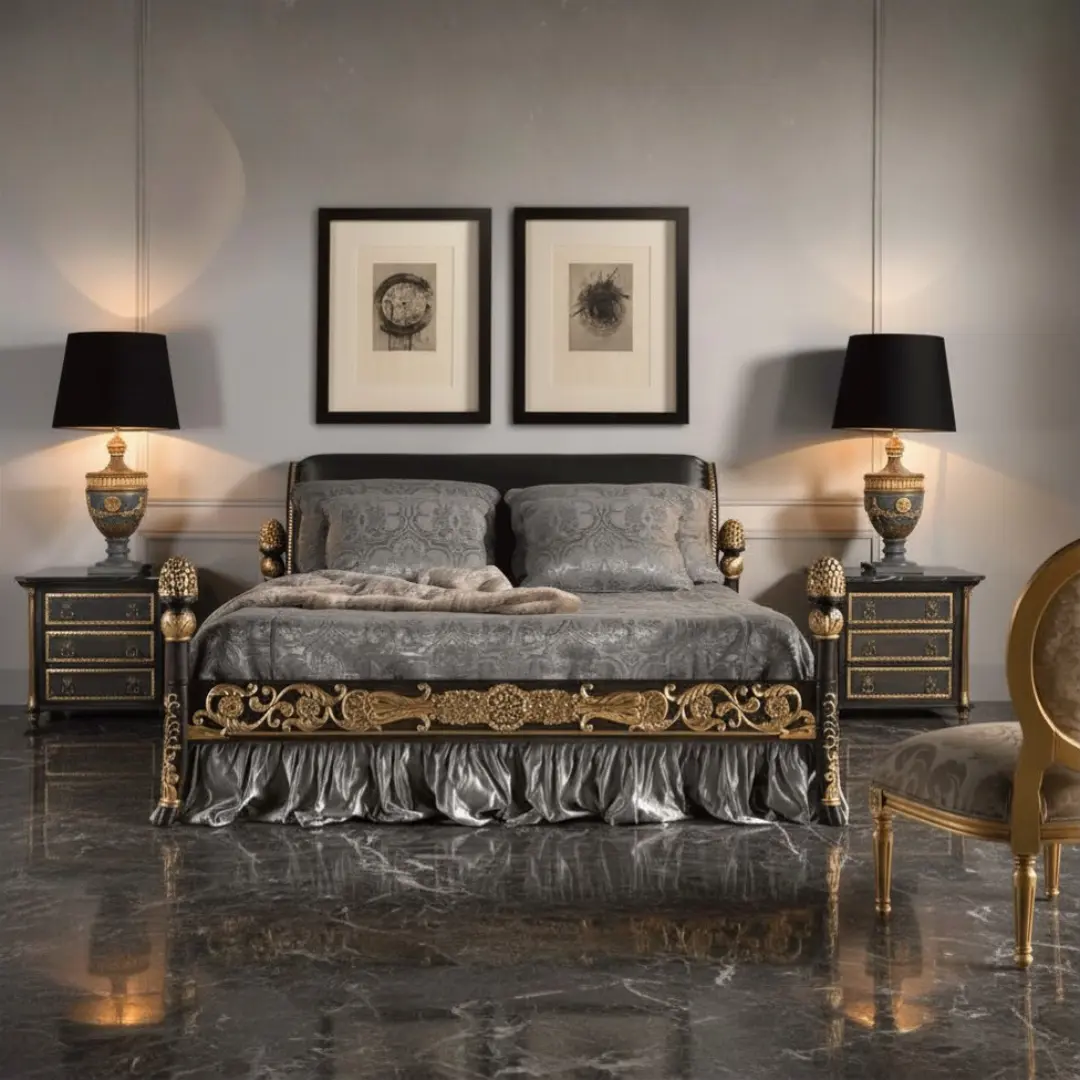
High-end custom made furniture and mass ready made furniture
How Custom Designer Pieces Compare to Ready-Made Options in Price and Lead Time
Price and lead time are where the two routes differ most, and they are linked: the same factors that add cost to a custom piece also add time.
Price
A ready made piece has a visible price because the design, materials and production were settled before you arrived. A custom piece is quoted, because its cost depends on choices you have not made yet. Solid hardwood instead of engineered board, hand carving, gilded or multi-step finishes, complex tufting and oversized dimensions all raise the number. So does the design work itself: drawings, revisions and any mock-up are labor that a ready made piece never needs.
That does not mean custom is always the expensive option. A made-to-order version of an existing design can land close to the ready made price, while a fully bespoke statement piece can cost far more. The fair comparison is like-for-like: a custom sofa against a ready made sofa of similar materials and construction, not against the cheapest one available. For a deeper look at what you are paying for, see our guide on whether custom furniture is worth the investment.
Lead time
Ready made furniture that is in stock can often be delivered as soon as delivery is scheduled. Custom work runs on a sequence: consultation, design, approval, material sourcing, building, finishing and delivery. Each step depends on the one before it, and the total varies with the piece, the materials and the workshop’s schedule. Rather than trusting a general rule of thumb, ask for the expected timeline in your quotation and plan renovations or move-in dates around it.
Are Bespoke Pieces Better Quality Than Mass-Produced Ones?
Often, but not automatically. “Bespoke” describes how a piece is ordered, not how well it is built. A bespoke sofa from a careful workshop with a kiln-dried hardwood frame and good suspension will outlast a mass-produced one built on stapled particleboard. A poorly built custom piece, however, is still poorly built. Quality comes from materials and construction, and custom work simply gives you more control over both.
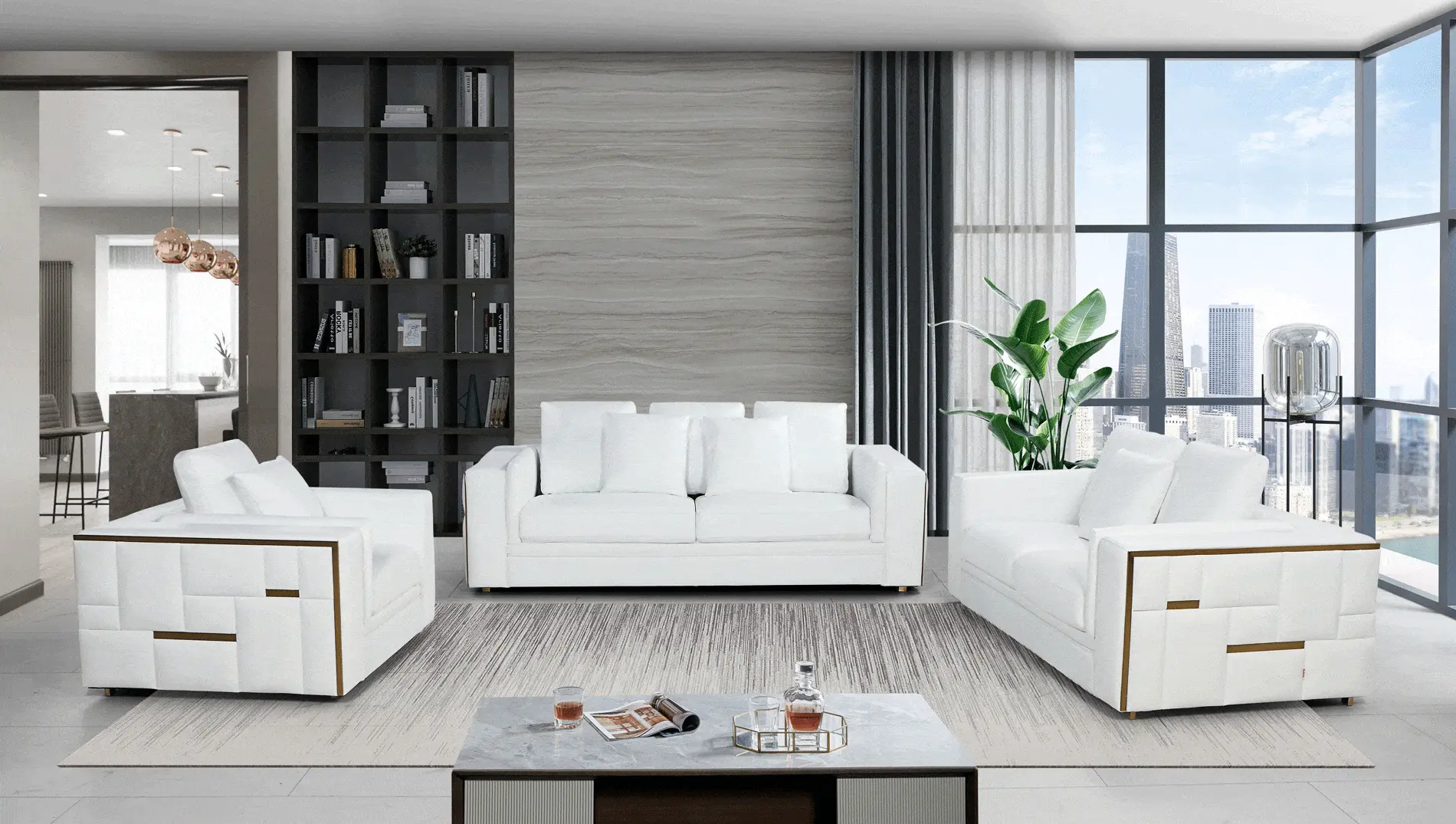
Handcrafted custom made furniture versus factory mass produced furniture for home interiors
Where mass production tends to cut corners
To hit a low price at volume, many mass-produced lines rely on MDF, particleboard or thin veneers, simplified joints held with staples and glue, and lower-density cushioning. These choices can look fine on day one and wear quickly under daily use. Sofas show it first: loosening frames, sagging seats and flattened cushions.
What to check on any sofa, custom or not
- Frame: solid or kiln-dried hardwood, with joints that are glued, screwed or doweled rather than only stapled.
- Suspension and cushions: ask what the seat is built on and what the cushion fill is.
- Upholstery work: straight seams, matched patterns and fabric pulled evenly over the frame.
- Finish: even color, no rough edges, and drawers or doors that run smoothly.
Our guide to how to identify high-quality furniture covers these checks in detail, and the craft differences are explored further in handmade vs mass-produced furniture.
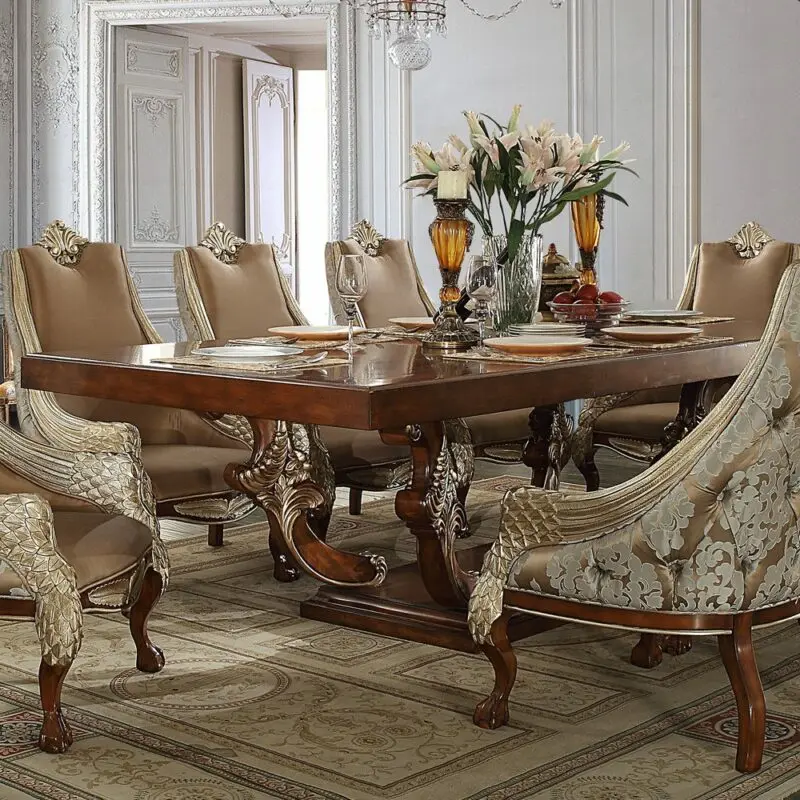
Luxury custom made furniture versus ready made furniture
Custom Luxury Furniture vs a Curated High-End Collection: Pros and Cons
For buyers already committed to quality, the real choice is often not custom versus cheap, but custom versus a well-chosen ready made piece from a high-end collection. Both can be excellent; they suit different priorities.
Investing in custom-made luxury furniture
- Pros: exact fit for unusual rooms; your choice of wood, finish and fabric; the ability to match existing pieces or architecture; a design nobody else owns.
- Cons: you commit before you see the finished piece; a longer wait; more decisions; and changes or cancellations after approval may be limited.
Buying from a curated high-end collection
- Pros: you can see, sit on and measure the actual design; pricing is clear up front; delivery can be quick when the piece is in stock; coordinated sets make whole-room planning easier.
- Cons: fixed sizes and finishes; the same design may appear in other homes; and an off-the-shelf size can leave awkward gaps in an architecturally unusual room.
A useful test: if the piece has to solve a spatial problem, such as a sectional for an angled wall or a dining table for a long, narrow room, custom earns its premium. If the piece only has to look beautiful in a standard footprint, a curated collection usually gets you there faster. Many luxury interiors combine both, with custom anchor pieces in the main rooms and ready made bedroom sets or dining pieces elsewhere.
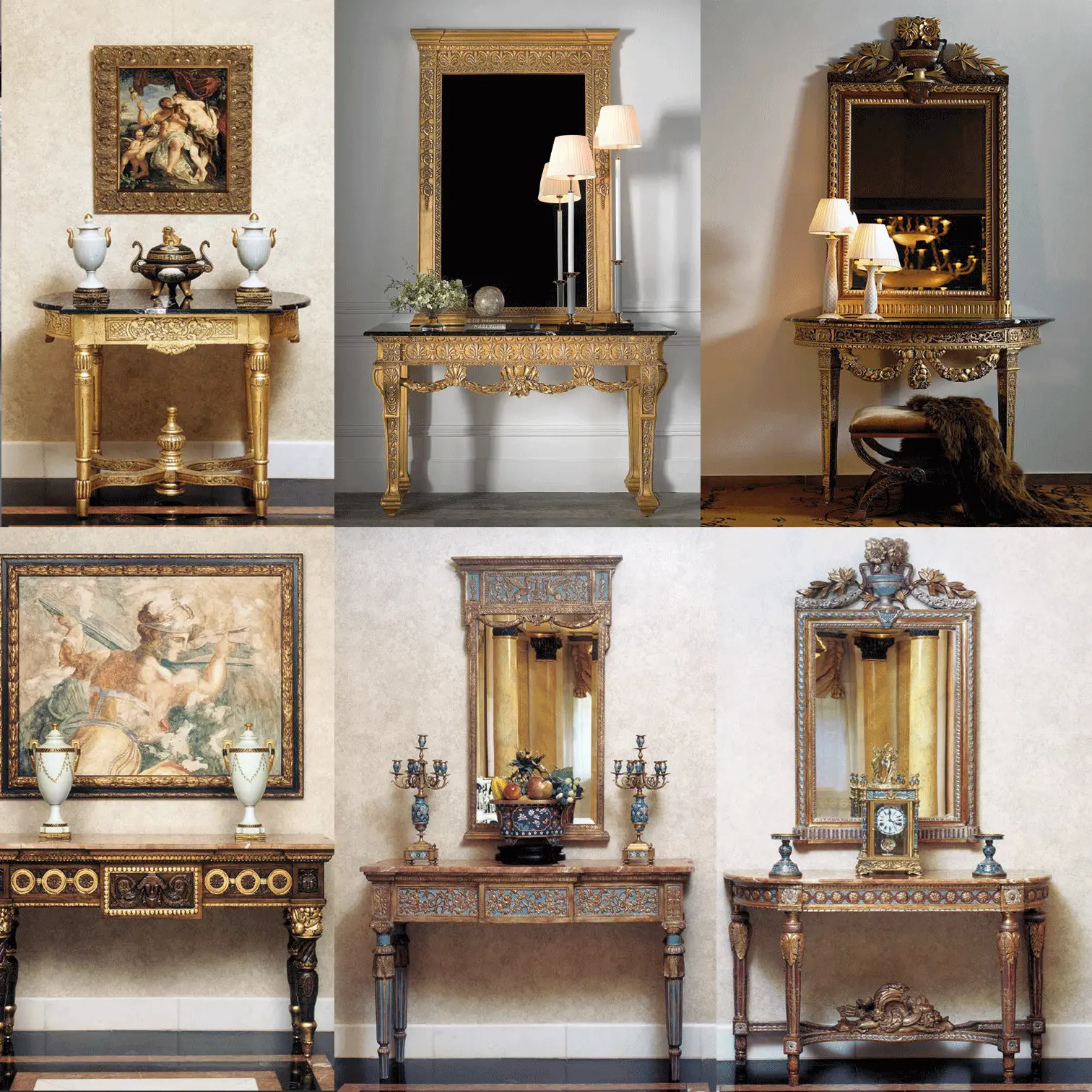
Premium custom made furniture and affordable ready made furniture side by side
When Each Option Wins
Choose custom when
Your room has unusual proportions, built-ins or sightlines that standard sizes will fight; you need to match a finish or style already in the home; you want a specific wood, fabric or ornamental detail that no stock piece offers; or the item is a long-term anchor, such as a main sofa, dining table or bed, that you expect to keep for many years.
Choose curated ready made when
You have a firm move-in or event date; you want to see and test the exact piece first; the room has a standard footprint; or you are furnishing several rooms and want coordinated pieces quickly. Browsing ready made sofas in person is also the fastest way to learn which seat depth and back height you actually like before committing to a custom order.
Mass-produced pieces have a role too
For short-term rentals, temporary housing, a first apartment or a rarely used space, an inexpensive mass-produced piece can be the sensible call. The key is matching the investment to how long and how hard the piece will be used.
Good Alternatives to Fully Custom or High-End Designer Furniture
If full custom feels like too much commitment and designer pricing feels like too much money, there are several middle paths that still produce a refined, personal interior.
- Customize an existing design. Start with a proven frame and change the size, wood finish or upholstery. You get a personal fit with less design risk and, often, less waiting than a from-scratch commission.
- Buy one custom anchor piece. Put the custom budget into the item that defines the room and fill the rest with ready made pieces chosen to coordinate with it.
- Choose a high-end collection with coordinated sets. Matching sofas, chairs and tables from one collection give a pulled-together look without design fees.
- Reupholster a stock frame. A good frame in a new fabric can transform a piece and costs less than building a new one.
- Furnish in phases. Buy the most important piece well now and add the rest over time instead of compromising on everything at once.
At Mobilia Cleopatra, the first route is built into the Kleopatra Kingdom collection: the brand page states that every item in that collection can be custom-made to your size, wood finish and upholstery. That makes it a practical semi-custom option for buyers who like an existing design but need it adjusted.
How to Order Custom Furniture at Mobilia Cleopatra
Mobilia Cleopatra carries a broad catalog of name-brand furniture alongside its own Kleopatra Kingdom line, and handles custom orders through its design-your-own-furniture page. Here is how the process works, as described on that page.
1. Send an order request
The online form asks for your contact details, a description of the project and your delivery address. You can choose the type of request: custom furniture made to order, customizing an existing design, furniture based on a reference photo, or a complete room or multiple pieces. You can also upload up to five inspiration photos or sketches. The form is a request, not a purchase: your order is confirmed only after you approve the quotation and arrangements.
2. Consultation and quotation
The team contacts you to confirm specifications, pricing and delivery. For a design appointment, bring your room measurements and ideas. Delivery and assembly charges and lead times are included in your quotation where applicable, which is the right place to get the timeline in writing.
3. Design, materials and approval
Designers prepare drawings and 3D renderings, and can build a scale model or physical mock-up if needed. Material choices include solid woods such as oak, maple, walnut and mahogany; custom stains, lacquers or paints; and upholstery from natural linens to velvets and leathers, plus hardware and carved details. You review and refine the design before final approval.
4. Building and delivery
After approval the piece is built, and white glove delivery places it in your space.
If you would rather start from an existing design, the Kleopatra Kingdom collection is Mobilia Cleopatra’s own line of nearly 700 pieces in Egyptian, French, Victorian, traditional, classic and palace styles, with nearly every piece built from solid wood. Its handmade living room furniture is designed, carved and upholstered by hand. To talk through a project, call (909) 999-1442.
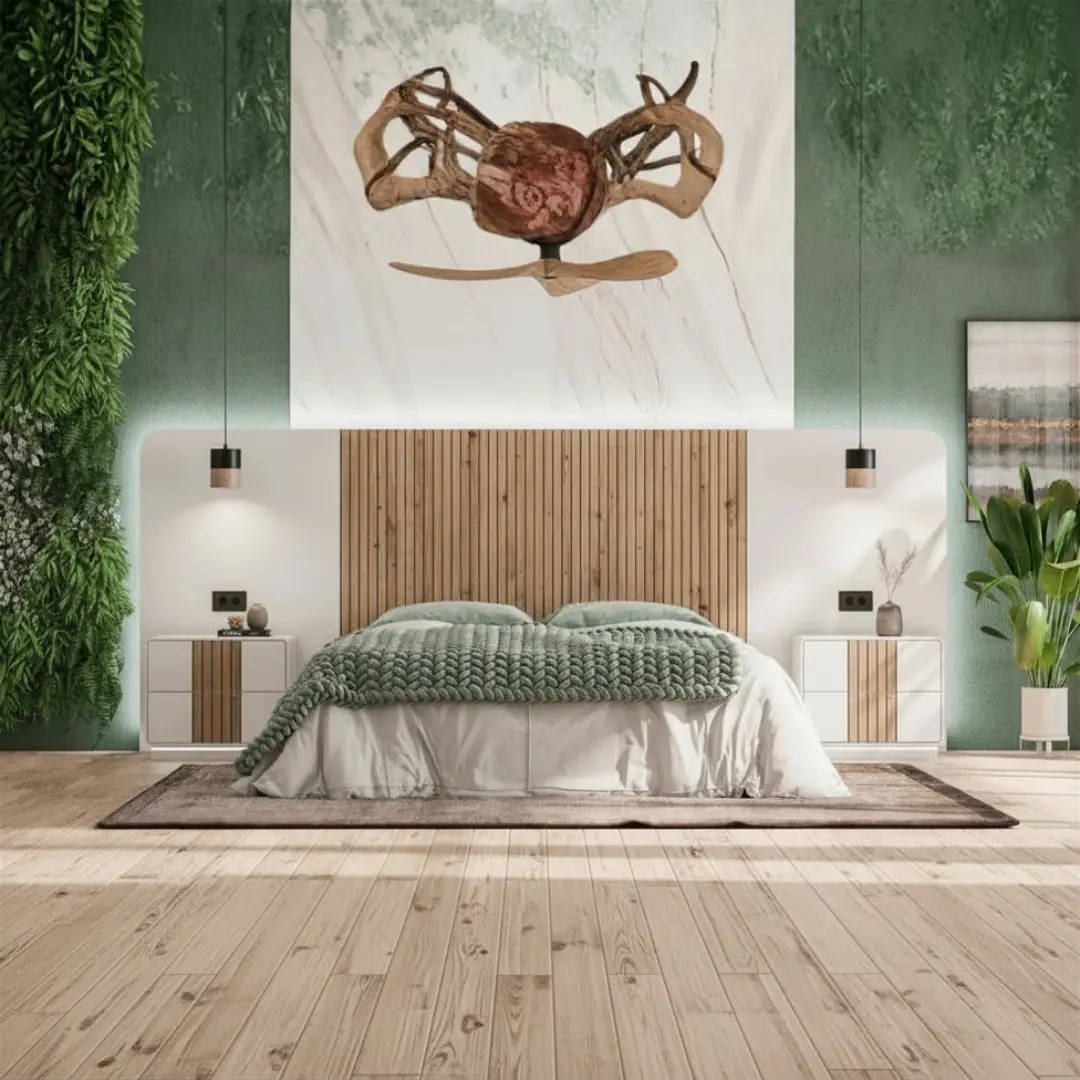
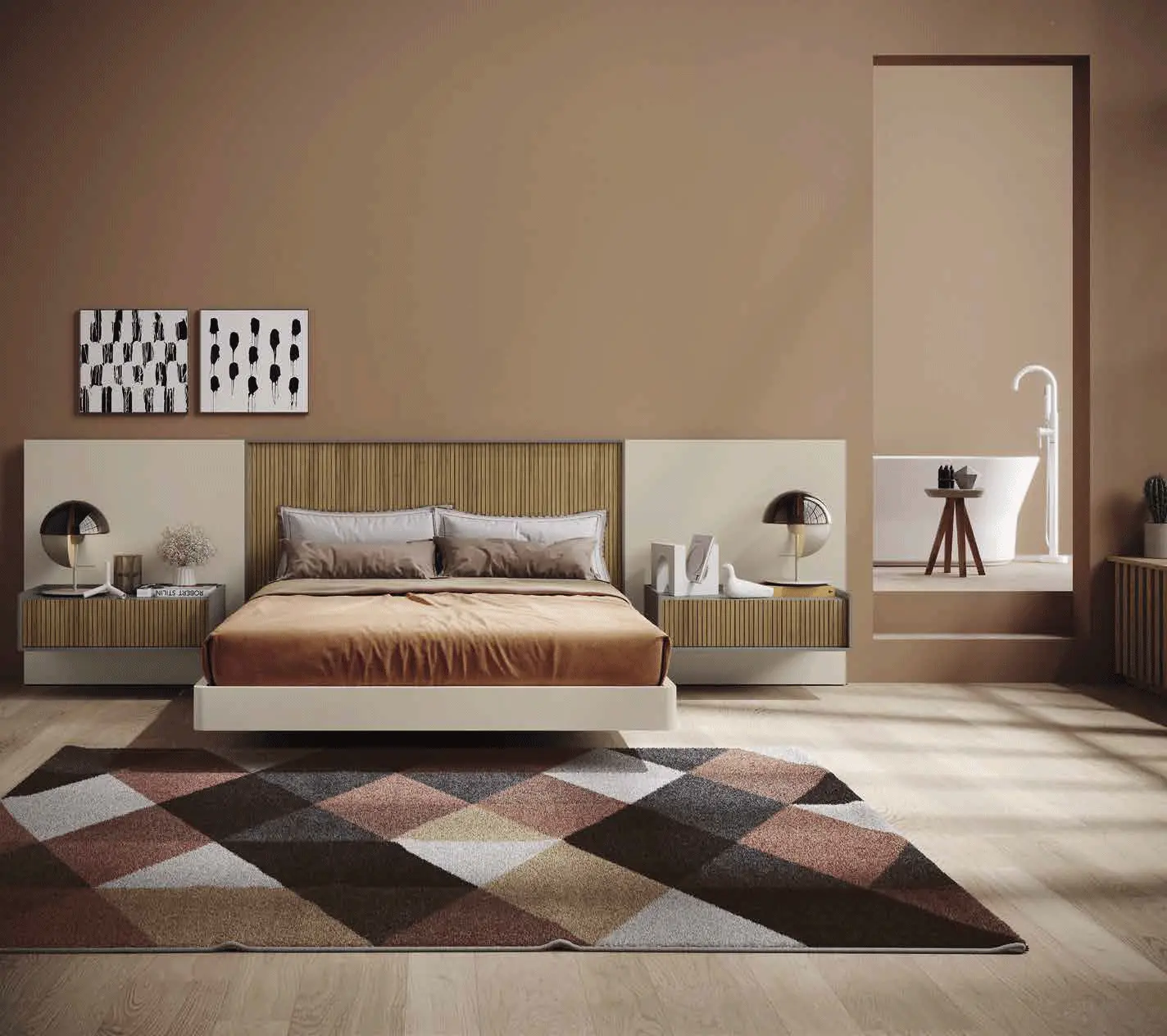
Custom made furniture and ready made furniture choices for modern home styling
Frequently Asked Questions
What are the pros and cons of investing in custom-made luxury furniture versus buying from a curated high-end collection?
Custom gives you exact fit, your own materials and a one-of-a-kind design, but you commit before seeing the finished piece and wait longer. A curated high-end collection lets you see the real piece, know the price up front and often take delivery sooner, but sizes and finishes are fixed.
How do custom designer furniture pieces compare to ready-made options in price and lead time?
Ready made pieces have a set price and can ship quickly when in stock. Custom pieces are quoted based on materials, labor and complexity, and the lead time is set for each project after design approval. Compare like-for-like construction, and get the timeline in your quotation.
Are there good alternatives to custom-made or high-end designer furniture for modern home decor?
Yes. Semi-custom pieces (an existing design in your size, finish or fabric), a single custom anchor piece mixed with ready made furniture, coordinated sets from a curated collection, reupholstering a solid stock frame, and furnishing in phases all work well.
Are bespoke sofas better quality than mass-produced ones?
Usually, because bespoke work lets you specify a solid hardwood frame, sound joinery and better cushioning, while many mass-produced sofas use engineered board and stapled joints. But quality depends on the maker, so check the frame, suspension and fill on any sofa.
What is the difference between ready made and mass-produced furniture?
Ready made means the design is finished and sold as it is. Mass-produced describes ready made furniture built in large, repeated factory runs. All mass-produced furniture is ready made, but not all ready made furniture is mass-produced.
Can custom furniture be returned?
It depends on the seller and the order. Because made-to-spec items are often treated differently from stock items, ask before you approve the design whether changes, cancellations or returns are possible and how damage on delivery is handled.
Is semi-custom furniture a good compromise?
For many buyers, yes. You start with a proven design and adjust size, finish or upholstery, which reduces design risk while still giving the piece a personal fit.
Making the Right Choice for Your Interior
Custom, ready made and mass-produced furniture each have a place. Custom made furniture is the answer when fit, materials and individuality matter most, and when you are willing to wait for a piece built around your room. Curated ready made furniture is the answer when you want to see the real thing, know the price and furnish on schedule. Mass-produced pieces suit short-term or low-use spaces. Between them, semi-custom options and a mix of custom anchors with ready made supporting pieces give most luxury homes the best balance of quality, time and budget.
Whichever route you take, judge the construction rather than the label, and get prices, timelines and return terms in writing before you commit. If you would like to explore a custom piece or adjust an existing Kleopatra Kingdom design, start an order request online or call (909) 999-1442 to speak with the design team.
