Free shipping available nationwide. Contact us for eligibility


How to Choose French Style Furniture for Timeless Luxury Interiors


French style furniture has long represented the pinnacle of refined living. From the graceful curves of Louis XV seating to the understated sophistication of Parisian apartments, French interiors balance artistry, comfort, and architectural elegance in a way few design traditions can match. In today’s luxury homes, French furniture continues to evolve beyond traditional chateau aesthetics, blending seamlessly with contemporary layouts, neutral palettes, and modern lifestyles.
For homeowners, interior designers, and luxury collectors, choosing French style furniture involves more than selecting ornate pieces with antique appeal. Authentic French-inspired interiors rely on thoughtful craftsmanship, balanced proportions, premium materials, and cohesive styling. The challenge often lies in distinguishing heirloom-quality furniture from mass-produced replicas that imitate French aesthetics without delivering the same refinement or durability.
Understanding the nuances between French Provincial, Louis XVI, Rococo, and Parisian chic styles is equally important. Each interpretation of French design carries its own visual language, from delicate carvings and cabriole legs to neoclassical symmetry and understated urban elegance. The right selection depends on the architecture of the home, room dimensions, desired atmosphere, and long-term functionality.
Luxury furniture brands such as Mobilia Cleopatra approach French-inspired design with an emphasis on handcrafted construction, artisan detailing, and customization tailored to modern interiors. Rather than recreating historical furniture literally, premium collections reinterpret timeless European influences for sophisticated contemporary living.
This guide explores how to choose French style furniture for elegant luxury interiors, including how to identify quality craftsmanship, select the right materials, coordinate French furnishings with modern spaces, and create interiors that feel timeless rather than overly decorative.
What Defines French Style Furniture?
French style furniture is rooted in centuries of European craftsmanship and aristocratic interior design traditions. While the aesthetic has evolved across different historical periods, several defining characteristics continue to distinguish French furniture from other luxury styles.
How to Choose French Style Furniture
The Origins of French Interior Design
French furniture design gained prominence during the reigns of Louis XIV, Louis XV, and Louis XVI, when artisans created elaborate furnishings for royal residences and grand estates. Over time, these ornate styles expanded into provincial homes and Parisian apartments, creating diverse interpretations of French luxury.
Unlike purely decorative furniture traditions, French interiors historically emphasized livability alongside beauty. Upholstered seating was designed for comfort, dining furniture reflected social rituals, and decorative elements were carefully balanced with architectural harmony.
Signature Features of French Furniture
French style furniture is recognized for elegant silhouettes, curved frames, carved detailing, and refined proportions. Common design elements include cabriole legs, tufted upholstery, antique-inspired finishes, decorative molding, and symmetrical layouts.
Materials also play a significant role. Solid oak, walnut, cherry wood, linen upholstery, velvet fabrics, marble tops, and antique brass accents contribute to the layered richness associated with luxury French interiors.
Another defining feature is visual softness. French furniture rarely feels rigid or severe. Even neoclassical pieces maintain graceful lines and sculptural movement that create warmth and sophistication.
Why French Style Remains Timeless in Luxury Homes
French interiors endure because they combine tradition with adaptability. A carved French dining table can coexist beautifully with contemporary lighting, minimalist architecture, or modern art. Likewise, Parisian-inspired furniture often complements transitional interiors where classic craftsmanship meets clean contemporary styling.
Rather than following fleeting trends, French furniture emphasizes proportion, texture, and artisanal quality. These characteristics allow well-crafted pieces to remain relevant for decades, making them especially appealing in luxury homes designed for longevity and refinement.
Understand the Main French Furniture Styles Before Buying
Choosing French style furniture begins with understanding the differences between the major French design movements. Each style creates a distinct atmosphere and influences how furniture integrates into luxury interiors.
French Provincial Furniture
French Provincial furniture originated in rural estates outside Paris, where local artisans interpreted aristocratic styles using regional materials and simpler craftsmanship. The result is elegant yet approachable furniture characterized by soft curves, distressed finishes, carved wood accents, and muted tones.
French Provincial interiors often feel warm and inviting rather than formal. Upholstered dining chairs, farmhouse-inspired buffets, and weathered oak tables are common elements in luxury homes seeking timeless comfort.
Louis XV Style Furniture
Louis XV furniture embraces fluidity, asymmetry, and decorative movement. Cabriole legs, floral carvings, curved armrests, and ornate detailing define this Rococo-influenced period.
In modern luxury interiors, Louis XV pieces are often used selectively as statement furnishings. A tufted bergère chair or curved console table can introduce elegance without overwhelming a contemporary room.
Louis XVI and French Neoclassical Furniture
Louis XVI design introduced cleaner geometry and neoclassical symmetry inspired by ancient Greek and Roman architecture. Furniture became more structured, with straight tapered legs, restrained ornamentation, and balanced proportions.
This style works exceptionally well in sophisticated transitional interiors because it combines classical refinement with architectural simplicity.
Read more: What Is French Provincial Furniture?
Rococo and Ornate French Furniture
Rococo furniture is among the most decorative expressions of French design. Gilded finishes, elaborate carvings, scrollwork, and dramatic silhouettes create a sense of grandeur and artistic excess.
When used thoughtfully, Rococo furniture adds depth and theatrical elegance to luxury spaces. However, balance is essential to avoid interiors feeling overly ornate or historically heavy.
Parisian Chic and Modern French Furniture
Modern Parisian interiors reinterpret classic French aesthetics through a more understated lens. Neutral palettes, minimalist styling, vintage-inspired furniture, and tailored upholstery define this approach.
Parisian chic interiors often mix antique-inspired furnishings with contemporary lighting and modern art, creating spaces that feel curated rather than traditionally themed.
French Country and French Farmhouse Furniture
French Country furniture incorporates rustic textures, natural woods, and relaxed elegance. Compared to formal French styles, it feels more casual while still maintaining refined craftsmanship and graceful detailing.
This style is especially popular in luxury homes seeking warmth, authenticity, and timeless European charm.
How to Choose French Style Furniture
How to Identify High-Quality French Furniture Craftsmanship
True luxury French furniture is defined by craftsmanship as much as aesthetics. Understanding construction quality helps distinguish premium furnishings from factory-produced imitations.
Hand Carving and Artisan Woodworking
Authentic French-inspired furniture often features hand-carved embellishments that demonstrate artisan skill and attention to detail. Decorative moldings, floral motifs, and sculpted frames should appear refined and intentional rather than overly uniform or machine-stamped.
Subtle irregularities in hand carving often indicate genuine craftsmanship and contribute to the individuality of each piece.
Mortise and Tenon Joinery
Premium furniture construction relies on durable joinery techniques rather than visible screws or staples. Mortise and tenon joints, widely used in heirloom furniture craftsmanship, create structural integrity that withstands decades of use.
Luxury furniture makers prioritize these traditional woodworking methods because they enhance both stability and longevity.
Dovetail Drawer Construction
High-quality French bedroom furniture and dining buffets frequently feature dovetail drawer construction. This interlocking joinery method improves durability while reflecting superior cabinetmaking standards.
Soft-close hardware, smooth drawer movement, and reinforced interiors further indicate elevated craftsmanship.
Hand-Applied Finishes and Antique Techniques
Luxury French furniture often incorporates layered hand-applied finishes designed to create depth and character. Distressed edges, antiqued patinas, limewashed surfaces, and glazed detailing add authenticity while preventing furniture from appearing artificially aged.
Unlike synthetic factory coatings, artisan finishes evolve beautifully over time and contribute to the furniture’s heirloom appeal.
Kiln-Dried Wood Construction
Solid wood furniture should be crafted using kiln-dried hardwoods to minimize warping, cracking, and moisture-related expansion. Premium French-inspired collections typically use oak, walnut, mahogany, or cherry wood selected for both structural stability and natural beauty.
Choosing the Best Materials for Luxury French Furniture
Materials significantly influence the appearance, comfort, and longevity of French style furniture. Luxury interiors benefit from carefully selected finishes that complement the elegance of European-inspired design.
Solid Oak, Walnut, Mahogany, and Cherry Wood
French furniture traditionally relies on hardwood construction because of its durability and visual richness. Oak offers pronounced grain texture ideal for French Provincial aesthetics, while walnut provides darker sophistication suited to formal interiors.
Mahogany introduces warmth and refinement, particularly in traditional dining rooms, while cherry wood develops a rich patina over time that enhances antique-inspired furniture designs.
Velvet, Linen, and Natural Cotton Upholstery
Textiles shape the tactile quality of French interiors. Velvet upholstery adds depth and glamour to tufted sofas and accent chairs, while linen creates a lighter, more relaxed aesthetic associated with Parisian and French Country interiors.
Natural cotton blends are often used in luxury seating because they combine softness with durability. Neutral upholstery tones remain especially popular in modern French-inspired homes because they create versatility and timelessness.
Marble Tops and Decorative Metal Accents
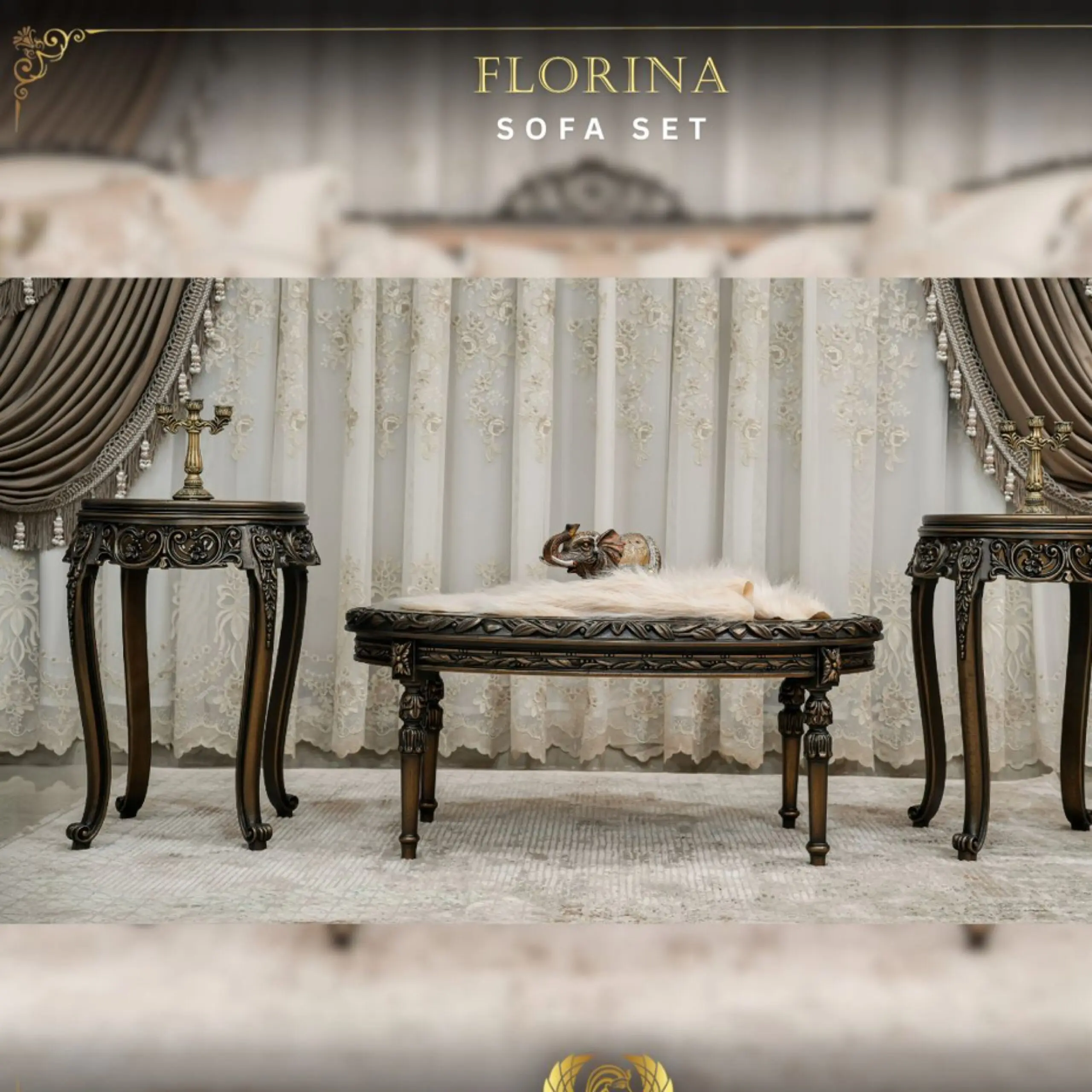
Marble surfaces elevate French furniture with architectural elegance. Coffee tables, console tables, and buffets with marble tops introduce visual contrast while enhancing luxury appeal.
Decorative metal accents such as antique brass hardware, bronze detailing, and gilded trim add refinement without overpowering the furniture’s silhouette.
Hand-Finished Wood and Distressed Finishes
Luxury French furniture rarely relies on overly glossy surfaces. Instead, hand-finished woods with subtle distressing create depth, texture, and authenticity.
Soft whitewashed finishes, warm taupe stains, and aged wood tones contribute to the timeless atmosphere associated with sophisticated French interiors.
Key Design Details That Define Elegant French Furniture
The beauty of French furniture often lies in its details. These design characteristics create the unmistakable elegance associated with luxury European interiors.
Cabriole Legs and Curved Furniture Frames
Cabriole legs remain one of the most recognizable features of French furniture. Their graceful outward curve introduces softness and movement that distinguish French silhouettes from more rigid furniture styles.
Curved frames also appear in sofas, headboards, dining chairs, and consoles, helping interiors feel fluid and inviting.
Tufted Upholstery and Upholstered Seating
Tufted upholstery adds dimension and sophistication to French seating. Deep button tufting is commonly used on luxury beds, bergère chairs, banquettes, and upholstered sofas.
Beyond aesthetics, upholstered seating contributes to the comfort-driven philosophy central to French interior design.
Decorative Molding and Carved Embellishments
Elegant French furniture frequently incorporates carved detailing inspired by floral motifs, acanthus leaves, ribbons, and classical ornamentation.
The key to sophisticated styling is restraint. Refined interiors use decorative details selectively, allowing craftsmanship to enhance rather than dominate the room.
Gilded Accents and Symmetrical Furniture Design
Gold leaf accents, antiqued metallic trim, and symmetrical furniture placement create visual balance within French interiors. Even highly decorative spaces maintain proportion and intentionality.
Symmetry remains especially important in formal dining rooms, master bedrooms, and grand living spaces where architectural harmony contributes to the feeling of luxury.
How to Choose French Style Furniture
How to Choose French Style Furniture for Different Rooms
Every room requires a different interpretation of French design depending on functionality, scale, and atmosphere.
French Living Room Furniture
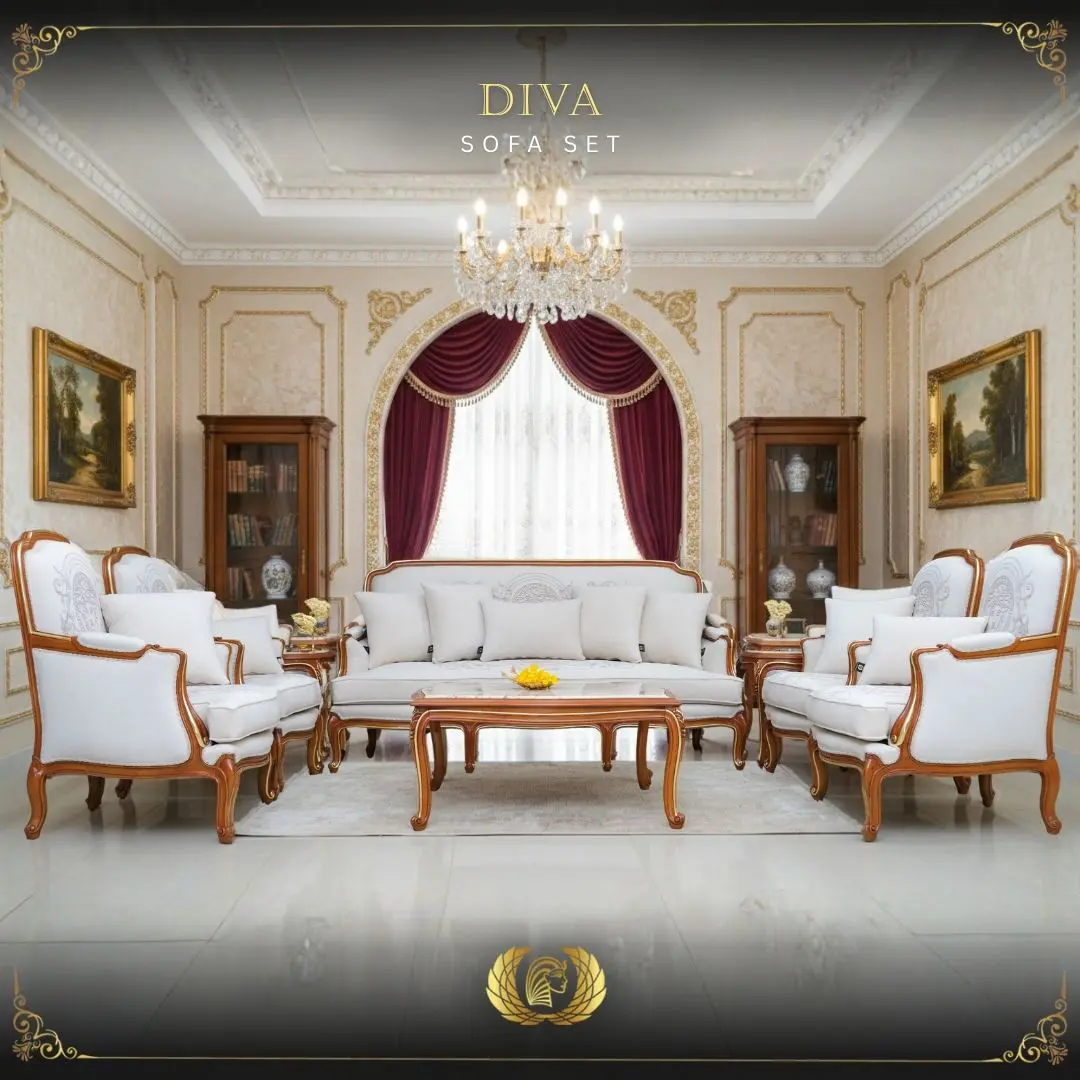
French-inspired living rooms prioritize comfort layered with elegance. Upholstered sofas with curved arms, tufted accent chairs, and carved coffee tables establish a refined focal point without sacrificing livability.
Statement pieces should anchor the room while maintaining visual balance. Oversized furniture can overwhelm delicate French aesthetics, particularly in contemporary homes with open floor plans.
Accent lighting, mirrors, and textured textiles help soften the space while reinforcing Parisian sophistication.
Luxury Bedroom Furniture French Style
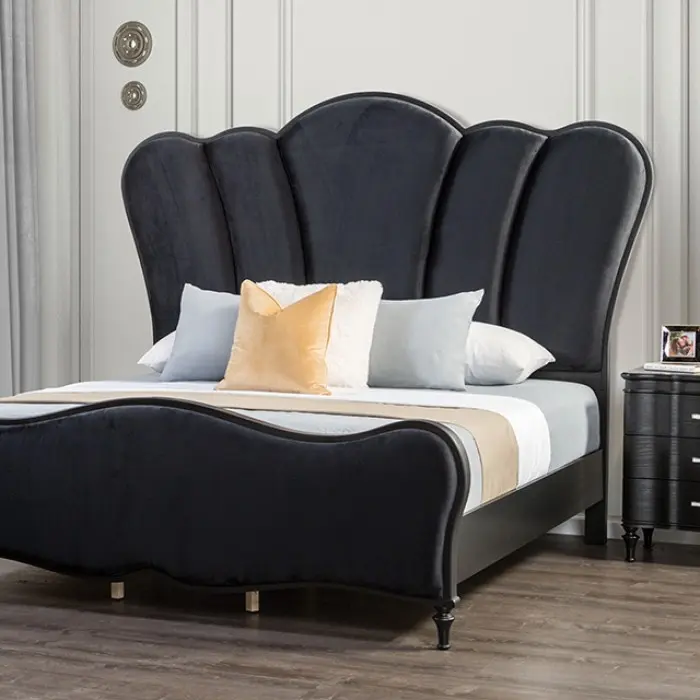
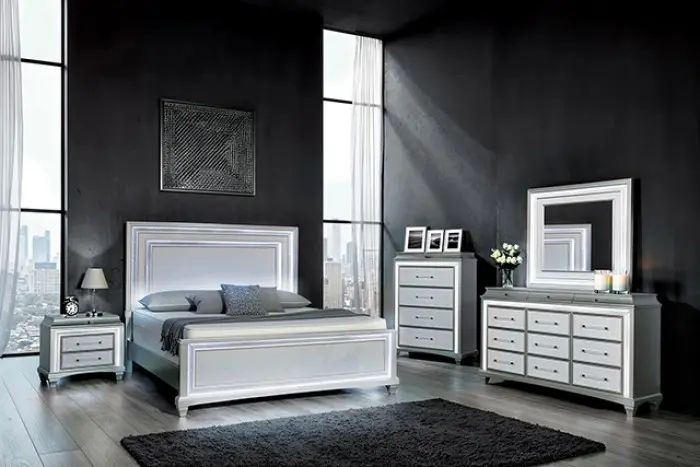
French bedroom furniture often emphasizes romance and tranquility. Tufted headboards, upholstered beds, mirrored nightstands, and antique-inspired dressers create layered elegance.
Luxury bedroom suites benefit from cohesive finishes and carefully coordinated proportions. Soft neutral palettes paired with natural fabrics enhance the serene atmosphere associated with refined French interiors.
Elegant French Dining Room Furniture
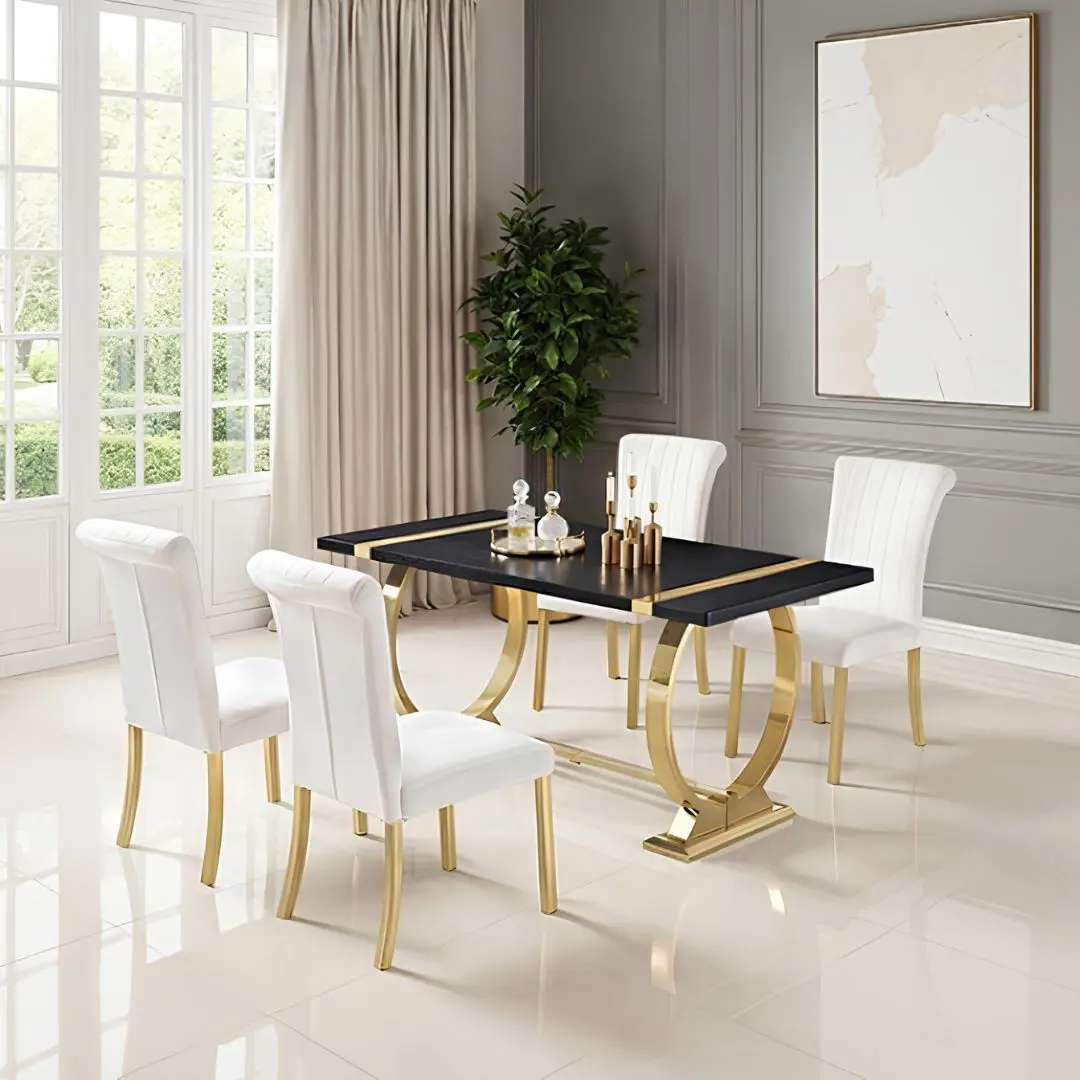
French dining rooms traditionally serve as formal gathering spaces centered around craftsmanship and hospitality. Carved dining tables, upholstered chairs, and chateau-inspired buffets create visual richness while encouraging comfortable entertaining.
In modern luxury homes, French dining furniture is often paired with contemporary chandeliers or minimalist architectural details to maintain freshness and sophistication.
Matching French Furniture With Modern Luxury Interiors
One of the most appealing aspects of French furniture is its versatility within contemporary spaces. Modern luxury interiors increasingly embrace transitional French design that blends classical craftsmanship with restrained modern styling.
Transitional French Design
Transitional interiors combine traditional silhouettes with cleaner finishes and contemporary layouts. Neutral upholstery, simplified carvings, and tailored proportions help French furniture feel current rather than overly formal.
This approach works particularly well in luxury homes where architectural styles range from contemporary to Mediterranean or modern farmhouse.
Blending Antique-Inspired Pieces With Contemporary Decor
French furniture gains depth when layered alongside modern materials and contemporary art. An antique-inspired console beneath abstract artwork creates tension and sophistication, while a Louis XVI chair paired with minimalist lighting feels curated rather than thematic.
The goal is balance rather than historical accuracy.
Neutral Color Palettes for Refined Spaces
Soft whites, warm taupes, charcoal accents, muted grays, and natural wood tones allow French furniture to feel timeless and versatile.
Neutral palettes also highlight craftsmanship by emphasizing texture, silhouette, and material variation rather than relying on bold color contrasts.
Balancing Ornate Furniture With Minimalism
Luxury interiors benefit from restraint. Pairing one dramatic carved piece with simpler furnishings prevents visual overload while allowing craftsmanship to stand out.
Minimalist surroundings often enhance the sculptural beauty of French furniture more effectively than heavily layered traditional interiors.
How to Choose the Right Scale and Proportions
Scale is one of the most overlooked aspects of luxury interior design. Even beautifully crafted French furniture can feel awkward if proportions are poorly matched to the space.
Statement Furniture Pieces for Large Homes
Expansive luxury homes can accommodate larger-scale dining tables, oversized tufted beds, dramatic chandeliers, and substantial buffets. However, maintaining proportion remains essential.
Large rooms benefit from layered seating arrangements and architectural furniture placement that creates intimacy without reducing openness.
Parisian Style Furniture for Smaller Spaces
Parisian interiors demonstrate how French furniture can thrive in compact spaces. Slim-profile seating, marble-top bistro tables, mirrored surfaces, and lighter finishes help smaller rooms feel elegant without appearing crowded.
Choosing fewer but higher-quality pieces often creates a more luxurious atmosphere than overfurnishing.
Maintaining Symmetry and Flow
French interiors traditionally emphasize visual rhythm and symmetry. Matching bedside tables, balanced seating arrangements, and centered focal points create harmony throughout the home.
Flow between rooms also matters. Coordinated finishes and recurring materials help luxury interiors feel cohesive rather than disconnected.
The Difference Between Authentic Luxury French Furniture and Mass-Produced Replicas
As French-inspired interiors have become increasingly popular, mass-produced replicas have flooded the market. Identifying authentic luxury furniture requires attention to both craftsmanship and design integrity.
Signs of Premium French Furniture Brands
Luxury furniture brands prioritize material quality, artisan detailing, customization, and structural durability. Premium French-inspired furniture should feel substantial, balanced, and thoughtfully finished.
Authentic collections often offer customization in upholstery, finishes, dimensions, and hardware selections, reflecting a commitment to tailored luxury rather than uniform production.
Craftsmanship vs. Factory Production
Mass-produced furniture frequently imitates French styling through superficial ornamentation while neglecting construction quality. Lightweight materials, synthetic veneers, poor joinery, and exaggerated carvings are common indicators of lower-quality manufacturing.
In contrast, handcrafted French furniture focuses on longevity, comfort, and refined detailing that ages gracefully over time.
Why Heirloom-Quality Furniture Matters
Heirloom-quality furniture represents long-term value. Rather than replacing trend-driven furnishings every few years, luxury homeowners increasingly invest in pieces designed to last for generations.
This philosophy aligns naturally with French design traditions, where craftsmanship and timeless elegance remain central priorities.
Why Custom French Furniture Is Worth the Investment
Custom furniture allows homeowners to personalize French-inspired interiors while ensuring optimal fit, comfort, and functionality.
Personalized Upholstery and Finishes
Custom upholstery enables clients to select fabrics, textures, trims, and finishes that complement their overall interior palette. Tailored options create a more cohesive and elevated design experience.
Luxury brands such as Mobilia Cleopatra specialize in custom French-inspired furniture that balances traditional craftsmanship with modern personalization.
Tailored Dimensions for Luxury Homes
Custom dimensions are particularly important in luxury residences with unique architectural layouts. Oversized dining rooms, boutique-style dressing areas, and open-concept living spaces often require furniture proportions unavailable through standard retail collections.
Tailored sizing ensures furniture enhances the room rather than competing with it.
Exclusive Craftsmanship and Long-Term Value
Custom furniture reflects exclusivity and intentional design. Handcrafted pieces built specifically for a home carry greater emotional and aesthetic value than mass-market alternatives.
Over time, well-crafted custom furniture often becomes a defining feature of the interior itself.
French Style Home Decor Ideas to Complete the Look
Furniture alone does not create a fully realized French interior. Decorative layering introduces warmth, texture, and visual depth.
Mirrors and Decorative Lighting
Oversized mirrors, crystal chandeliers, brass sconces, and sculptural lamps enhance the elegance of French-inspired rooms. Mirrors are especially effective for amplifying natural light and creating architectural sophistication.
Vintage-Inspired Decor and Textiles
Layered textiles such as linen drapery, velvet pillows, woven rugs, and embroidered accents contribute softness and dimension.
Vintage-inspired accessories, antique books, porcelain objects, and curated artwork reinforce the collected atmosphere associated with Parisian interiors.
Layering Texture for Parisian Elegance
The most sophisticated French interiors rely on texture rather than excessive ornamentation. Stone surfaces, natural woods, soft upholstery, aged metals, and matte finishes create subtle richness throughout the space.
This layered approach prevents interiors from feeling flat while maintaining understated luxury.
How to Choose French Style Furniture
Common Mistakes to Avoid When Choosing French Furniture
French interiors should feel elegant and livable, not theatrical or overcrowded. Avoiding common design mistakes helps preserve balance and sophistication.
Overdecorating With Excessive Ornamentation
Too many ornate furnishings can overwhelm a room and make interiors feel dated. Instead of filling every space with carved pieces, prioritize a few statement items supported by cleaner elements.
Ignoring Material Quality
Luxury aesthetics cannot compensate for poor construction. Veneers, synthetic upholstery, and unstable frames diminish both durability and visual refinement.
Choosing Inconsistent Styles
Combining multiple French styles without a cohesive vision can create visual confusion. While mixing periods is encouraged, the overall palette and proportion should remain harmonious.
Sacrificing Comfort for Appearance
French interiors historically valued comfort alongside elegance. Seating should feel inviting, dining furniture should support entertaining, and bedrooms should prioritize relaxation.
True luxury always balances beauty with functionality.
How Mobilia Cleopatra Brings French Luxury Furniture to Modern Homes
Today’s luxury homeowners seek interiors that feel timeless, personal, and architecturally refined. French-inspired furniture remains one of the most effective ways to achieve that balance because it combines artisanal craftsmanship with enduring elegance.
Mobilia Cleopatra approaches French furniture through a contemporary luxury perspective, emphasizing handcrafted construction, premium materials, and tailored customization. Rather than reproducing historical pieces exactly, the brand reinterprets classic European influences for modern living environments.
Hand-finished woodwork, custom upholstery options, refined silhouettes, and heirloom-quality craftsmanship allow French-inspired collections to integrate naturally into sophisticated contemporary homes. From luxury bedroom furniture and formal dining collections to elegant living room seating, carefully curated pieces create interiors that feel elevated yet welcoming.
Customization also plays a central role in modern luxury design. Personalized finishes, tailored dimensions, curated fabrics, and artisan detailing help homeowners create spaces that reflect both architectural context and individual taste.
As trends continue shifting toward timeless interiors with lasting value, French furniture remains uniquely positioned to bridge classical elegance and modern functionality. Well-crafted French-inspired furnishings bring warmth, sophistication, and enduring beauty into luxury homes designed to evolve gracefully over time.
How to Choose French Style Furniture
Frequently Asked Questions
What is French style furniture?
French style furniture refers to furniture inspired by historical French design traditions, including French Provincial, Louis XV, Louis XVI, Rococo, and Parisian chic interiors. It is known for elegant silhouettes, carved detailing, luxurious materials, curved lines, and refined craftsmanship.
How do I choose authentic French furniture?
Look for solid wood construction, hand-carved details, premium upholstery, durable joinery methods such as mortise and tenon construction, and artisan-applied finishes. Authentic luxury French furniture emphasizes craftsmanship and balanced proportions rather than excessive ornamentation.
What is the difference between French Provincial and Louis XV furniture?
French Provincial furniture is simpler and more rustic, often featuring distressed finishes and understated elegance. Louis XV furniture is more ornate, with flowing curves, decorative carvings, cabriole legs, and Rococo influences associated with aristocratic interiors.
Is French style furniture suitable for modern homes?
Yes. French furniture integrates beautifully into modern luxury interiors when paired thoughtfully with contemporary architecture, neutral palettes, and minimalist styling. Transitional French design is especially popular because it balances classical elegance with modern simplicity.
What materials are best for luxury French furniture?
Premium French furniture typically uses solid oak, walnut, mahogany, or cherry wood combined with high-quality upholstery materials such as velvet, linen, and cotton blends. Marble tops, antique brass hardware, and hand-finished surfaces further enhance luxury appeal.
How can you tell if French furniture is high quality?
High-quality French furniture feels substantial and well-balanced. Signs of premium craftsmanship include dovetail drawers, kiln-dried hardwood construction, hand-applied finishes, precise upholstery work, and refined carvings rather than machine-made decorative patterns.
What colors work best with French style interiors?
Soft neutrals work exceptionally well in French-inspired homes. Warm white, taupe, beige, gray, charcoal, muted blue, sage green, and natural wood tones create timeless sophistication while allowing furniture details and textures to stand out.
What defines Parisian style furniture?
Parisian style furniture blends classic French elegance with understated modernity. It often incorporates vintage-inspired silhouettes, tailored upholstery, neutral palettes, minimalist decor, and curated statement pieces that feel sophisticated without appearing overly formal.
Is handcrafted French furniture worth the investment?
Handcrafted French furniture offers superior durability, customization, and long-term aesthetic value compared to mass-produced alternatives. Because it emphasizes artisan craftsmanship and timeless design, heirloom-quality furniture often remains relevant and functional for generations.
How do I decorate a living room with French style furniture?
Start with elegant anchor pieces such as a curved upholstered sofa, tufted accent chairs, or a carved coffee table. Layer with soft textiles, mirrors, decorative lighting, and balanced accessories while maintaining visual restraint for a refined atmosphere.
What are the most popular French furniture styles?
French Provincial, Louis XV, Louis XVI, Rococo, French Country, and Parisian chic remain among the most popular French furniture styles. Each offers a unique interpretation of luxury, ranging from rustic elegance to formal neoclassical sophistication.
Can French country furniture look luxurious?
Absolutely. Luxury French Country interiors combine rustic textures with refined craftsmanship, premium materials, and balanced styling. Weathered oak furniture, linen upholstery, antique-inspired finishes, and curated decor create warmth while maintaining elevated sophistication.
