Free shipping · 0% for 6 months · White-glove available


Why Custom Furniture Costs More


In a market saturated with fast furniture, flat-pack assembly, and trend-driven production cycles, custom furniture stands apart for a reason. The price difference between mass-produced furniture and handcrafted bespoke pieces is often significant, leading many homeowners and interior design clients to ask the same question: why does custom furniture cost more?
The answer goes far beyond aesthetics. Luxury custom furniture reflects a combination of premium materials, skilled craftsmanship, personalized design, and long-term durability that mass-market manufacturing rarely delivers. Every stage of the process — from selecting kiln-dried hardwoods and tailoring upholstery to reinforcing frames and applying hand-finished details — requires time, expertise, and precision.
Unlike factory-made furniture designed for speed and scale, custom-made furniture is created with intentionality. Dimensions are tailored to the room, materials are selected for performance and beauty, and construction methods are chosen to support decades of use. In luxury interiors, these distinctions matter because furniture is not viewed as temporary decor. It becomes part of the architecture and identity of the home itself.
For discerning homeowners, interior designers, and luxury furniture buyers, understanding custom furniture pricing is essential when evaluating long-term value. A handcrafted dining table made from solid walnut or a bench-made sectional upholstered in premium performance fabric carries costs that reflect not only materials, but also artisan labor, design customization, structural integrity, and enduring quality.
Brands like Mobilia Cleopatra approach furniture manufacturing with a focus on craftsmanship, tailored production, and heirloom-level durability. Rather than prioritizing volume, the emphasis remains on creating refined furniture pieces that combine timeless design with lasting performance.
Understanding what drives custom furniture cost helps buyers make more informed decisions — and reveals why well-made luxury furniture often becomes a worthwhile investment rather than a short-term purchase.
What Makes Custom Furniture Different From Mass-Produced Furniture
The primary distinction between custom furniture and mass-produced furniture lies in the manufacturing philosophy behind each piece. Mass-market furniture is designed for efficiency, rapid production, and lower costs. Custom furniture, by contrast, prioritizes craftsmanship, personalization, and long-term quality.
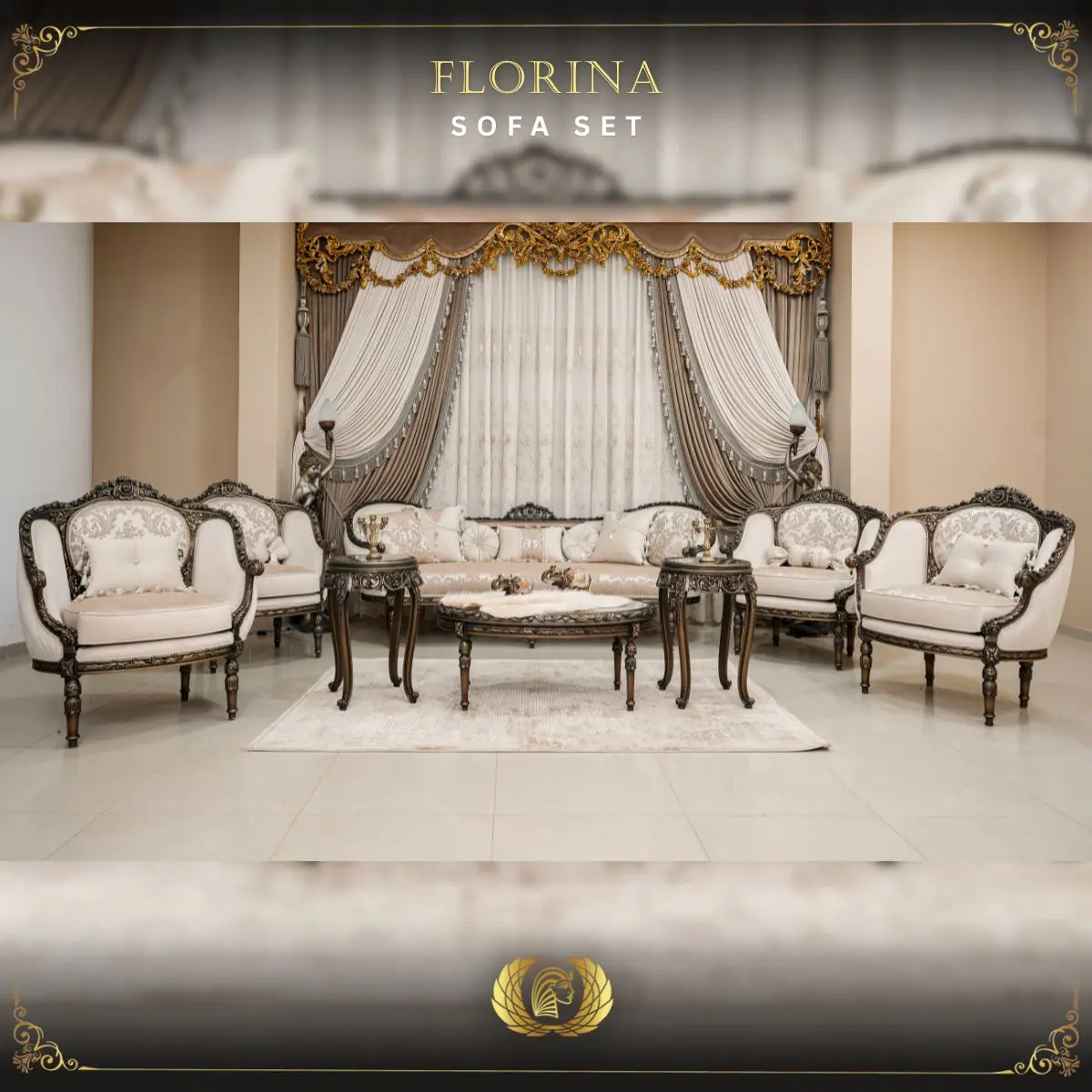
Custom Furniture Costs More
Made-to-Order Production vs Factory Assembly
Mass-produced furniture is typically manufactured in large quantities using standardized dimensions, machine-driven assembly lines, and cost-efficient materials. These systems allow retailers to reduce labor costs and accelerate production timelines, but often at the expense of durability and customization.
Custom furniture follows an entirely different process. Each piece is produced individually or in small batches according to the client’s specifications. Furniture makers must adapt dimensions, finishes, upholstery selections, and construction details for every order. This tailored production process naturally requires more labor, planning, and technical expertise.
Personalization and Tailored Dimensions
Luxury interiors rarely conform perfectly to standard furniture sizing. Custom furniture allows homeowners and designers to create pieces proportioned specifically for the architecture of the space. A sectional sofa may be adjusted to fit a unique floor plan, while a dining table can be scaled precisely for entertaining requirements.
These modifications involve more than aesthetic choices. Tailored dimensions affect engineering, balance, frame support, upholstery application, and fabrication techniques. Every adjustment introduces additional design and production complexity.
Quality-Focused Manufacturing Standards
Mass-market furniture brands often optimize products for shipping efficiency and lower retail pricing. In luxury custom manufacturing, the priorities shift toward structural integrity, comfort, longevity, and material quality.
Premium furniture makers invest more heavily in frame reinforcement, upholstery density, precision woodworking, and finishing techniques. These quality standards increase production costs, but they also create furniture capable of lasting decades rather than only a few years.
For luxury buyers, this distinction is significant. Custom furniture is not simply decorative. It is designed to become a permanent and functional part of sophisticated interiors.
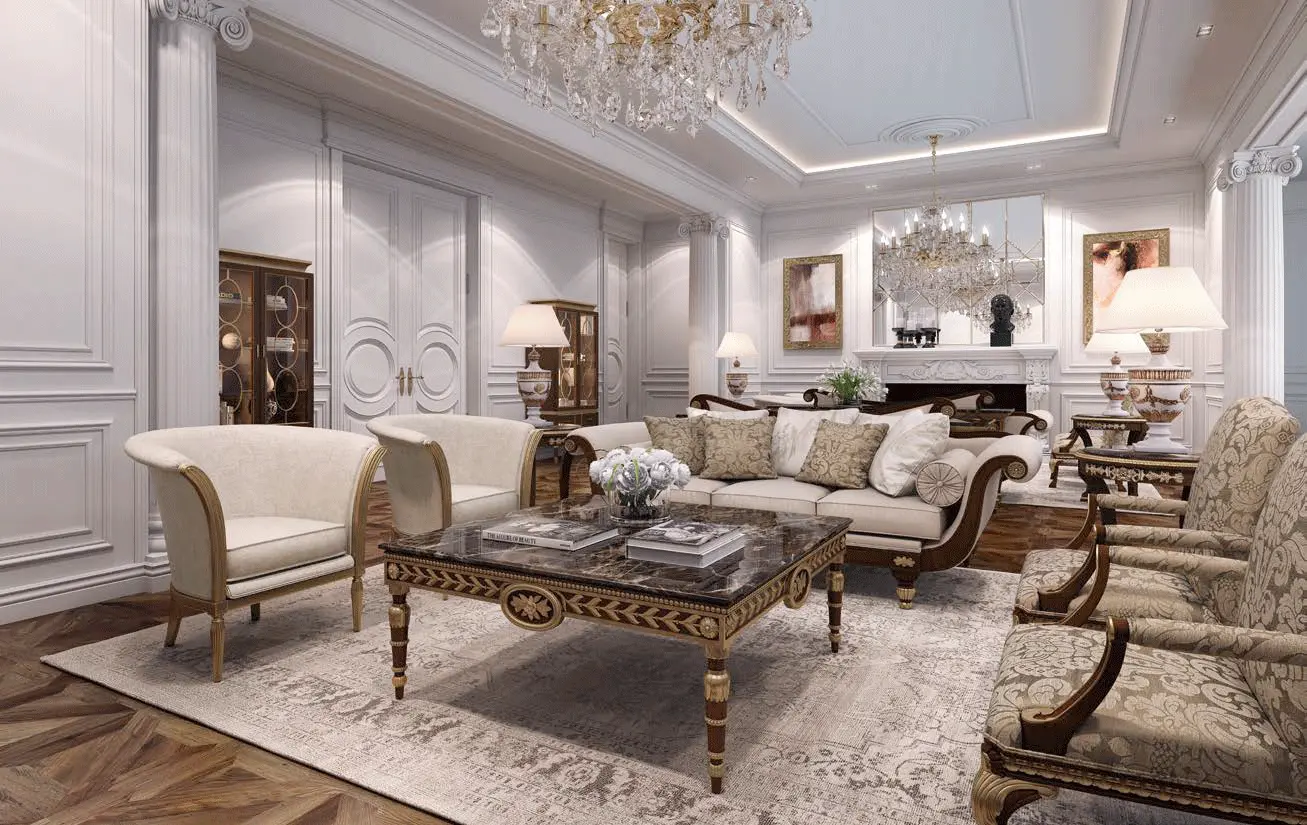
Custom Furniture Costs More
Premium Materials Increase Custom Furniture Cost
One of the largest contributors to custom furniture pricing is material selection. High-end furniture manufacturers prioritize premium woods, upholstery fabrics, metals, and finishing materials that offer superior beauty, durability, and longevity.
Solid Hardwood vs Engineered Materials
Mass-produced furniture often relies heavily on particleboard, MDF, veneers over composite cores, or lightweight engineered materials to reduce costs. While these materials can achieve a similar appearance initially, they generally lack the structural strength and lifespan of solid hardwood construction.
Luxury custom furniture frequently incorporates walnut, white oak, maple, ash, or mahogany because these woods provide stability, natural grain variation, and long-term durability. Solid hardwood furniture also ages more gracefully and can often be refinished or restored over time.
Luxury Upholstery Fabrics and Leather Options
Upholstery materials significantly influence furniture pricing as well. Premium fabrics such as bouclé, linen blends, velvet upholstery, and performance textiles are considerably more expensive than standard synthetic materials commonly used in factory furniture.
Full-grain leather further increases costs due to its quality, durability, and natural characteristics. Unlike corrected or bonded leather alternatives, full-grain leather develops a rich patina with age and retains its integrity for decades when properly maintained.
High-End Metals, Marble, and Specialty Finishes
Luxury furniture often integrates architectural materials such as brass accents, stainless steel, tempered glass, and natural stone surfaces. Marble tops, specialty lacquer finishes, and custom wood stains require additional fabrication expertise and finishing processes.
These elements elevate the visual sophistication of furniture but also add substantial labor and sourcing costs.
Why Kiln-Dried Hardwood Matters
Kiln drying is a critical step in premium furniture manufacturing because it removes excess moisture from hardwoods before fabrication. Properly kiln-dried wood reduces the risk of warping, cracking, or structural instability over time.
This process requires both time and specialized equipment, yet it remains essential for producing heirloom-quality furniture capable of performing well in varying interior climates.
Handcrafted Furniture Requires Skilled Labor
Skilled labor represents another major factor behind custom furniture cost. True handcrafted furniture depends on artisans with years — and often decades — of experience in woodworking, upholstery, finishing, and furniture construction.
Artisan Woodworking Techniques
Precision woodworking requires careful measurement, joinery execution, shaping, sanding, and assembly. Unlike automated production systems, artisan woodworking involves extensive hand-finishing to ensure visual consistency and structural precision.
Hand carving, edge detailing, wood veneering, and specialty joinery all require a high degree of craftsmanship that cannot be replicated through low-cost manufacturing methods.
Custom Upholstery Tailoring
Luxury upholstery is equally labor intensive. Every sofa, chair, or headboard must be carefully measured, cut, stitched, and fitted according to the furniture frame and fabric specifications.
Pattern alignment, tufting, cushion tailoring, and precision stitching demand expertise to achieve refined results. Premium upholstery craftsmanship also focuses heavily on comfort, cushion resilience, and long-term wear performance.
Precision Stitching and Hand-Applied Finishes
The finishing process in luxury furniture manufacturing is often completed by hand. Furniture artisans apply stains, lacquers, sealants, and specialty finishes through multiple stages to create depth, texture, and durability.
Similarly, precision stitching and tailored upholstery details require significantly more time than mass-production techniques designed primarily for speed.
The Value of Experienced Furniture Craftsmen
Experienced craftsmen contribute technical knowledge that directly affects furniture performance. They understand wood movement, structural balance, upholstery tension, and finishing compatibility in ways automated systems cannot fully replicate.
This expertise increases production costs, but it also ensures a higher standard of quality, comfort, and durability.
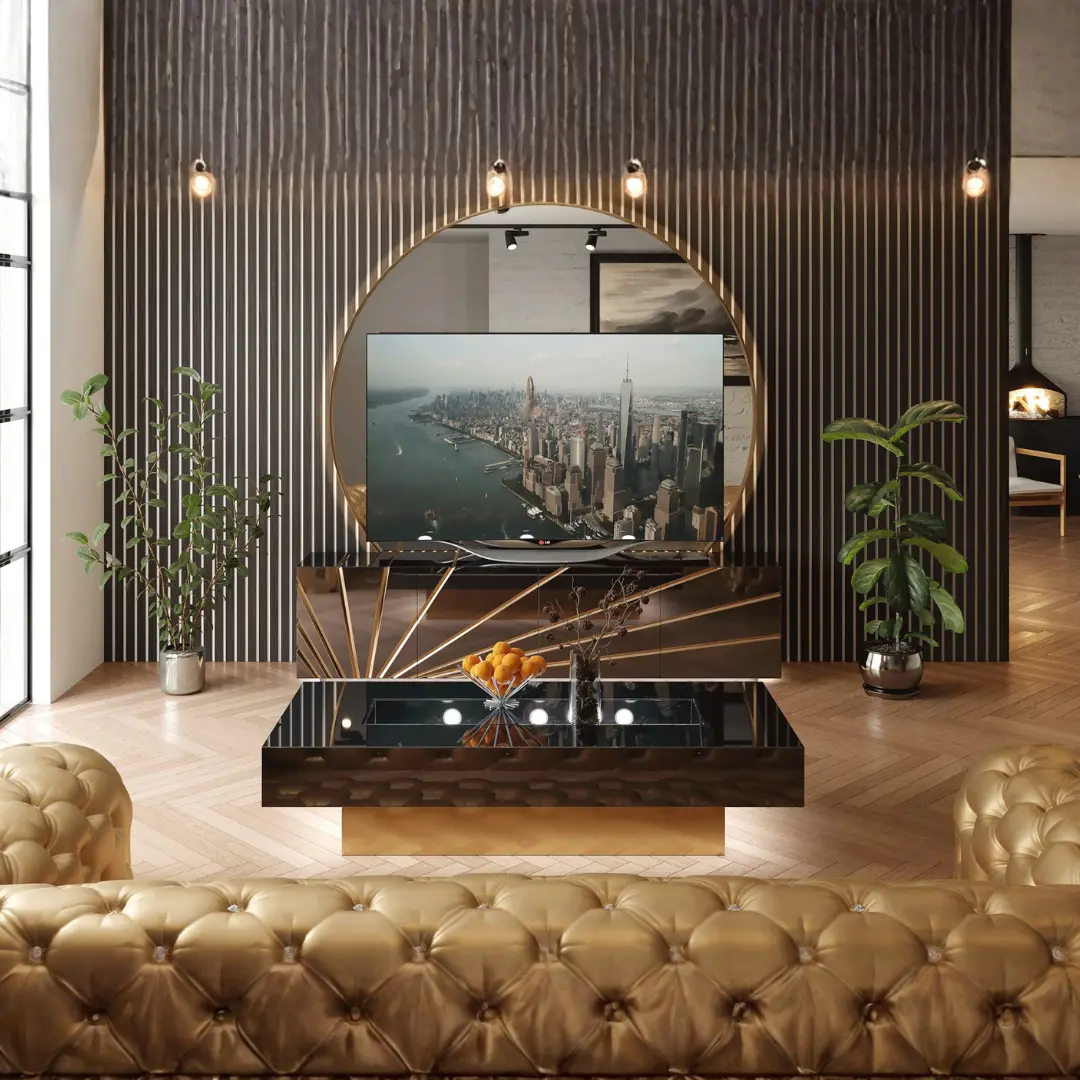
Custom Furniture Costs More
Furniture Joinery and Construction Methods Affect Pricing
Construction quality is often invisible to the casual buyer, yet it plays one of the most important roles in determining both furniture cost and longevity.
Mortise and Tenon Joinery
Mortise and tenon joinery is considered one of the strongest woodworking techniques in furniture construction. Instead of relying heavily on staples or adhesives, this method mechanically locks wood components together for superior stability.
Although time consuming, mortise and tenon construction creates furniture frames that withstand decades of daily use.
Eight-Way Hand-Tied Construction
In luxury upholstered seating, eight-way hand-tied suspension systems remain a hallmark of premium craftsmanship. Each spring is individually tied by hand to improve comfort, support, and weight distribution.
This process requires extensive labor compared to simpler sinuous spring systems commonly used in mass-market sofas.
Furniture Frame Reinforcement
High-end furniture makers often reinforce internal frames using hardwood blocking, corner bracing, and additional support structures. These reinforcements improve structural integrity while minimizing wobbling, sagging, or frame fatigue over time.
Bench-Made Furniture Techniques
Bench-made furniture refers to pieces assembled individually by craftsmen rather than moving through automated assembly lines. This approach allows for closer quality control, precision alignment, and more refined finishing standards.
Because production remains slower and more detail oriented, bench-made furniture naturally costs more than factory-assembled alternatives.
Custom Design and Personalization Add Production Complexity
Customization is one of the defining advantages of luxury furniture, but personalization also introduces additional design and manufacturing costs.
Tailored Sizing for Luxury Interiors
Luxury homes often feature open-concept layouts, unique architectural dimensions, or highly curated interior design schemes. Standard furniture sizes may not properly fit these environments.
Custom furniture allows clients to modify dimensions, proportions, and layouts to achieve visual harmony within the space. However, these adjustments require additional engineering, fabrication planning, and production oversight.
Custom Finishes and Material Selection
Furniture customization extends far beyond sizing. Clients may select from multiple wood stains, upholstery fabrics, hardware finishes, and construction details to achieve a cohesive aesthetic.
Every variation affects sourcing, finishing schedules, and production workflow, increasing labor and manufacturing complexity.
Furniture Prototyping and Revisions
In certain luxury projects, furniture makers develop prototypes or samples before final production begins. Interior designers and homeowners may request adjustments to comfort, dimensions, finishes, or detailing throughout the process.
This collaborative approach results in highly personalized furniture but also contributes to longer timelines and higher production costs.
Why Luxury Furniture Manufacturing Takes Longer
Many buyers are surprised by the lead times associated with custom furniture production. However, luxury manufacturing prioritizes precision and craftsmanship over speed.
Small-Batch Production Processes
Unlike large factories producing thousands of identical pieces simultaneously, luxury furniture workshops often operate in small batches or individual commissions.
This slower production model allows greater attention to detail, but it also limits manufacturing volume.
Hand-Finishing and Curing Times
High-quality finishes require multiple applications, sanding stages, and curing periods. Rushing these steps can compromise durability and appearance.
Luxury furniture makers often dedicate substantial time to achieving smooth surfaces, consistent coloration, and long-lasting protective coatings.
Quality Control and Inspection Standards
Premium furniture undergoes more rigorous quality inspection than mass-produced alternatives. Upholstery alignment, stitching consistency, finish quality, frame stability, and comfort performance are carefully reviewed before delivery.
This process helps maintain high standards but increases labor and production timelines.
White Glove Delivery Coordination
Luxury furniture delivery frequently includes white glove service involving in-home placement, assembly, installation, and packaging removal. Coordinating these services adds additional logistical costs compared to standard shipping methods.
The Real Difference Between Designer Furniture and Mass-Produced Furniture
While designer furniture and mass-market furniture may occasionally appear visually similar online, the differences become far more apparent over time.
Durability and Longevity
Mass-produced furniture is often designed around shorter product cycles and lower manufacturing costs. Structural components may weaken after only a few years of regular use.
High-end custom furniture is engineered for durability. Reinforced frames, premium upholstery materials, and superior joinery contribute to significantly longer lifespans.
Material Quality Comparison
Luxury furniture manufacturers prioritize high-density foam, kiln-dried hardwoods, premium textiles, and long-lasting finishes. These materials perform better under daily wear and maintain their appearance more effectively over time.
Structural Integrity and Comfort
Comfort is closely tied to construction quality. Cushion density, suspension systems, frame engineering, and upholstery tailoring all affect how furniture feels after years of use.
Mass-produced furniture may initially appear comfortable but often loses support relatively quickly.
Long-Term Ownership Value
Although custom furniture carries a higher upfront investment, it may ultimately offer better long-term value due to durability, repairability, and timeless design appeal.
Rather than replacing lower-quality furniture repeatedly, many luxury homeowners prefer investing in fewer, better-made pieces designed to last.
How High-End Craftsmanship Impacts Furniture Durability
Durability is one of the strongest arguments in favor of luxury custom furniture. High-end craftsmanship influences not only visual appeal but also how furniture performs over decades.
Heirloom-Quality Construction
Heirloom-quality furniture is designed to endure across generations. This level of durability requires premium materials, reinforced construction, and expert craftsmanship throughout every stage of production.
Pieces constructed using solid hardwood frames and traditional joinery methods generally outperform lower-cost alternatives significantly.
Furniture Longevity and Repairability
Custom furniture is often easier to repair, reupholster, or refinish than mass-produced furniture. Because higher-quality materials are used from the outset, restoration becomes both feasible and worthwhile.
This repairability extends product lifespan while supporting more sustainable ownership practices.
Sustainable Sourcing and Lasting Value
Sustainability in luxury furniture increasingly focuses on longevity rather than disposability. Furniture designed to remain functional and visually relevant for decades reduces replacement cycles and overall material waste.
For many homeowners, investing in durable custom furniture aligns both with environmental considerations and long-term financial value.
Is Custom Furniture Worth the Investment?
The value of custom furniture depends largely on how buyers define investment. While the initial cost is higher, luxury furniture often delivers greater performance, personalization, and longevity over time.
Cost Per Year of Ownership
A handcrafted sofa that lasts twenty years may ultimately provide better value than replacing lower-quality alternatives every few years. When viewed through long-term ownership rather than initial purchase price, custom furniture often becomes more cost effective.
Customization vs Replacement Cycles
Custom furniture allows homeowners to create pieces tailored precisely to their lifestyle, aesthetic preferences, and interior architecture. This personalization tends to reduce the likelihood of frequent replacement driven by dissatisfaction or changing trends.
Emotional and Aesthetic Value in Luxury Interiors
Luxury furniture also carries emotional value. A custom dining table built for family gatherings or a handcrafted bed designed specifically for a primary suite contributes meaningfully to the atmosphere and identity of the home.
For many buyers, this combination of functionality, beauty, and permanence justifies the investment.
How to Evaluate the Quality of Custom Furniture
Not all furniture marketed as “luxury” or “custom” meets high craftsmanship standards. Understanding how to evaluate quality helps buyers make more informed purchasing decisions.
Questions to Ask Furniture Makers
Buyers should ask about frame materials, joinery techniques, upholstery construction, suspension systems, and finishing methods. Reputable manufacturers are typically transparent about their materials and production processes.
How to Identify Premium Craftsmanship
Indicators of quality include consistent stitching, balanced proportions, smooth drawer operation, reinforced frames, and carefully applied finishes.
Furniture should feel substantial, stable, and refined in both appearance and construction.
Materials and Construction Details to Inspect
Solid hardwood frames, kiln-dried lumber, high-density foam cushions, eight-way hand-tied seating systems, and premium upholstery materials generally indicate higher construction standards.
Careful attention to these details often separates true luxury furniture from products designed primarily for marketing appeal.
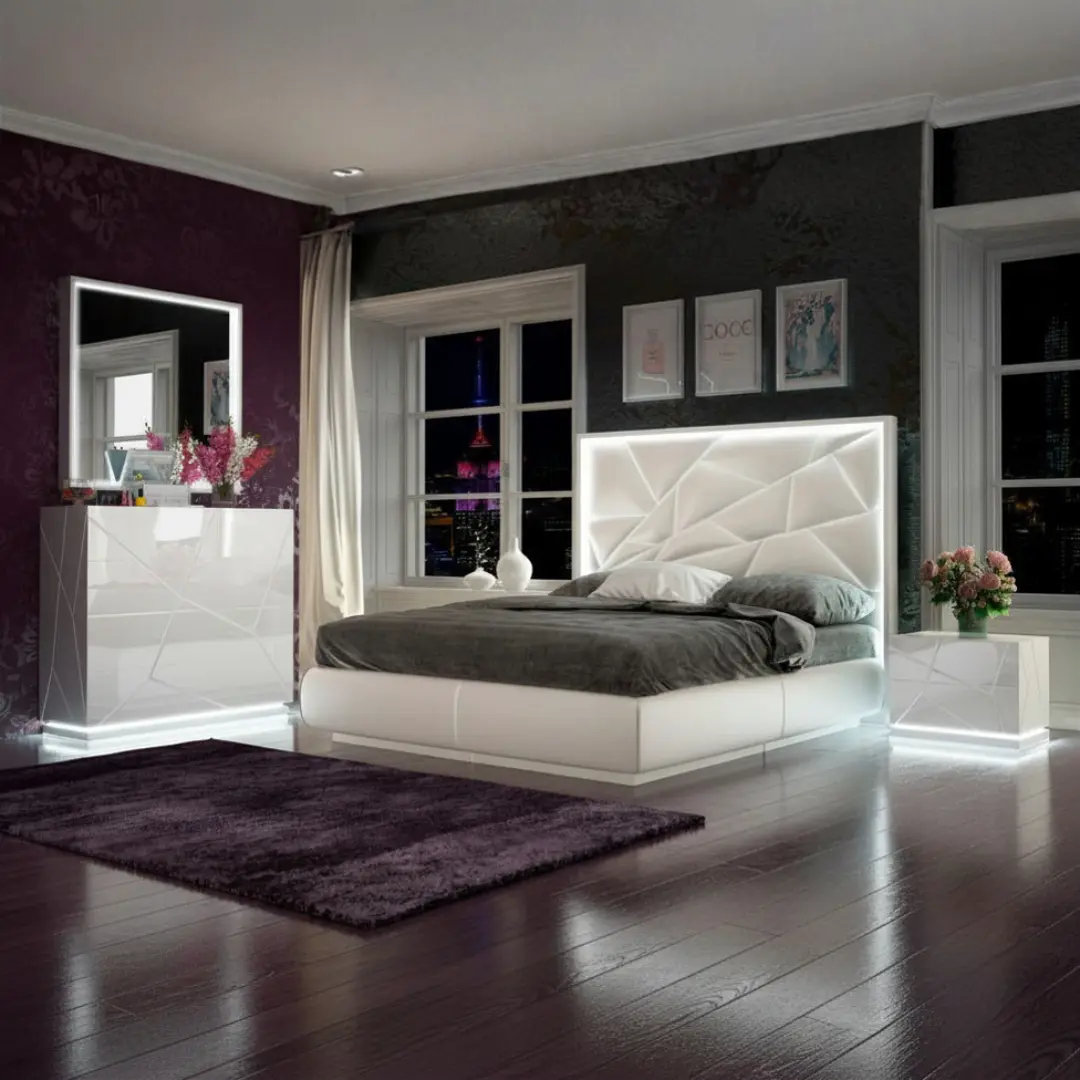
Custom Furniture Costs More
Common Misconceptions About Custom Furniture Pricing
Misunderstandings about luxury furniture pricing are common, especially in a marketplace dominated by fast furniture advertising and trend-driven retail cycles.
“Custom Furniture Is Overpriced”
Higher pricing does not automatically mean overpricing. In many cases, custom furniture reflects real differences in materials, labor, craftsmanship, and durability.
The cost structure behind handcrafted furniture is fundamentally different from large-scale mass production.
“All Luxury Furniture Is the Same”
Luxury furniture varies significantly in quality. Some brands prioritize aesthetics while compromising construction standards, while others emphasize craftsmanship, durability, and material integrity.
Buyers should evaluate construction methods rather than relying solely on branding or appearance.
“Mass-Produced Furniture Offers the Same Quality”
Although mass-produced furniture may initially mimic luxury aesthetics, internal construction and material quality are often dramatically different.
Over time, these differences become more visible through sagging cushions, weakened frames, peeling finishes, and structural instability.
Choosing the Right Luxury Furniture Partner
Selecting the right furniture manufacturer is just as important as selecting the furniture itself. The best luxury furniture brands combine craftsmanship expertise with transparent production standards and personalized design support.
Importance of Craftsmanship Transparency
Premium manufacturers openly discuss materials, construction methods, sourcing standards, and production techniques. Transparency helps buyers understand the value behind custom furniture pricing.
Customization Expertise and Design Support
Luxury furniture production involves collaboration between designers, craftsmen, and clients. Experienced manufacturers guide homeowners through material selection, sizing decisions, and customization options to achieve cohesive interior results.
Material Sourcing and Manufacturing Standards
High-quality furniture begins with responsible sourcing and disciplined production standards. Brands focused on handcrafted luxury furniture prioritize durable hardwoods, premium upholstery materials, precision construction, and rigorous quality control.
Mobilia Cleopatra approaches custom furniture through this lens — combining tailored design, artisan craftsmanship, and premium materials to create furniture intended for enduring luxury interiors rather than temporary trends.
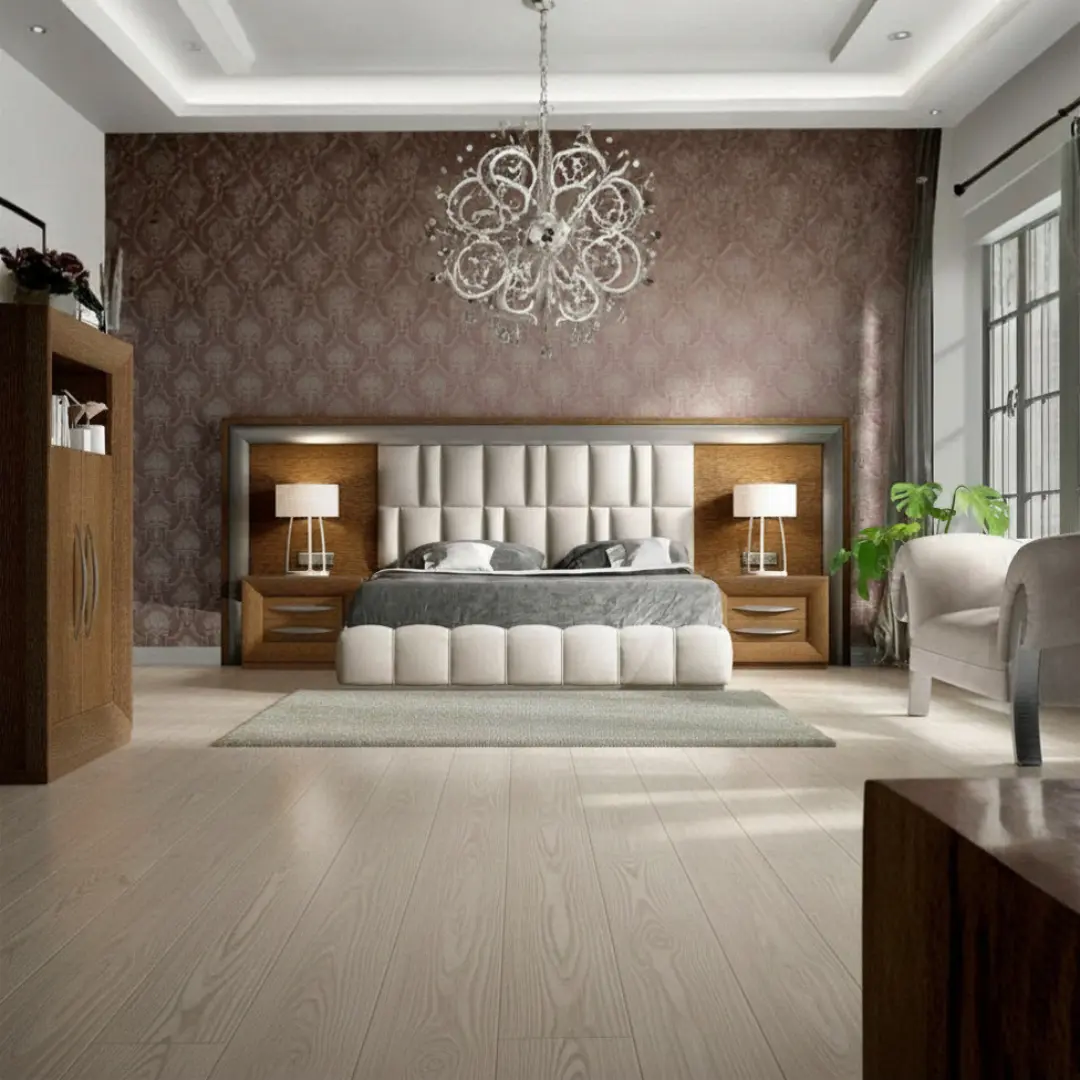
Custom Furniture Costs More
Frequently Asked Questions
Why is custom furniture more expensive than store-bought furniture?
Custom furniture costs more because it involves premium materials, skilled labor, personalized manufacturing, and smaller production volumes. Unlike factory-produced furniture, custom pieces are built individually using higher-quality construction methods and tailored specifications.
Is bespoke furniture worth the higher price?
For many homeowners, bespoke furniture provides long-term value through superior durability, customization, comfort, and timeless design. While the upfront investment is higher, well-made furniture often lasts significantly longer than mass-produced alternatives.
What materials make luxury furniture more expensive?
Luxury furniture frequently incorporates solid hardwoods, full-grain leather, premium upholstery fabrics, natural stone, brass, stainless steel, and high-density cushioning materials. These components offer improved durability, aesthetics, and performance.
How long does custom furniture usually last?
High-quality custom furniture can last decades when properly maintained. Construction quality, material selection, and daily use all influence lifespan, but heirloom-grade furniture is often designed for multi-generational durability.
What is heirloom-quality furniture?
Heirloom-quality furniture refers to pieces constructed with exceptional craftsmanship and durable materials intended to withstand long-term use and be passed down through generations.
Does handcrafted furniture offer better durability?
In many cases, yes. Handcrafted furniture often uses stronger joinery methods, reinforced frames, premium materials, and more precise construction techniques than mass-produced furniture.
Why does custom furniture take longer to make?
Custom furniture requires individualized production, material sourcing, hand-finishing, quality inspection, and personalized detailing. These processes naturally extend lead times compared to factory manufacturing.
What is the difference between custom furniture and designer furniture?
Custom furniture is made specifically to a client’s dimensions and preferences, while designer furniture may refer to branded or stylistically recognizable collections that are not necessarily customized.
Are solid wood furniture pieces worth the investment?
Solid wood furniture generally offers superior durability, repairability, and longevity compared to engineered materials. Hardwood furniture can often be refinished and restored, extending its lifespan considerably.
What construction methods indicate high-quality furniture?
Strong indicators include mortise and tenon joinery, eight-way hand-tied suspension systems, kiln-dried hardwood frames, reinforced corner blocking, and bench-made construction techniques.
How can you tell if luxury furniture is well made?
Well-made luxury furniture typically features stable construction, balanced proportions, refined upholstery work, smooth finishes, durable materials, and attention to detail throughout both visible and internal components.
Does custom furniture increase home value or interior appeal?
While furniture itself may not directly increase property value, thoughtfully designed custom furniture can elevate interior aesthetics, improve functionality, and contribute to a more cohesive luxury living environment.
Conclusion
Custom furniture costs more because it is fundamentally different from mass-produced furniture in both philosophy and execution. From premium hardwoods and luxury upholstery fabrics to artisan craftsmanship and personalized production, every stage of the process prioritizes quality, longevity, and design integrity over manufacturing speed.
For homeowners investing in refined interiors, custom furniture offers advantages that extend far beyond appearance. Tailored dimensions improve functionality within architectural spaces. Superior joinery and reinforced construction enhance durability. Premium materials deliver comfort, performance, and timeless visual appeal. Most importantly, handcrafted furniture is built with the expectation that it will remain relevant and functional for years — often decades.
Understanding these distinctions helps explain why luxury furniture pricing reflects more than branding alone. The value lies in the craftsmanship, materials, expertise, and long-term ownership experience behind each piece.
As the luxury furniture market continues shifting away from disposable design culture, many homeowners are choosing fewer, higher-quality furnishings that provide lasting performance and enduring style. In this context, custom furniture becomes less about short-term cost and more about meaningful investment.
Mobilia Cleopatra approaches handcrafted furniture with this perspective — emphasizing thoughtful customization, premium construction, and timeless craftsmanship designed for sophisticated American interiors. Rather than chasing trends or mass production, the focus remains on creating furniture that balances elegance, durability, and long-term value for luxury living spaces.
