Free shipping · 0% for 6 months · White-glove available


Traditional Furniture Buying Guide | Luxury & Heirloom-Quality Furniture

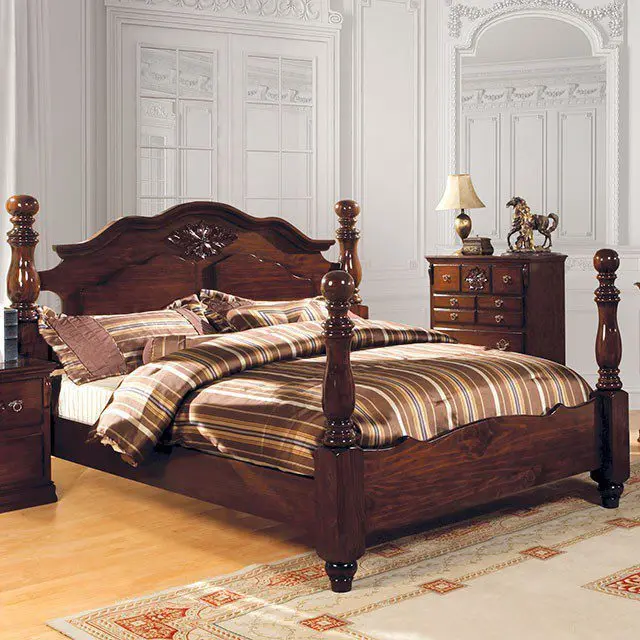
Traditional furniture has endured for centuries because it offers something few design trends can match: timeless elegance paired with exceptional longevity. In luxury homes across the United States, traditional furnishings continue to define sophisticated interiors through refined craftsmanship, premium materials, and enduring aesthetic appeal. While contemporary trends come and go, a thoughtfully selected traditional furniture collection often remains relevant, beautiful, and functional for decades.
For discerning homeowners, purchasing traditional furniture is about far more than filling a room. It is an investment in quality construction, architectural harmony, and long-term value. Whether furnishing a formal living room, an elegant dining space, a luxurious bedroom suite, or a distinguished executive office, understanding how furniture is made can dramatically influence both satisfaction and return on investment.
Today’s marketplace presents countless options, ranging from mass-produced replicas to genuine heirloom-quality pieces crafted by skilled artisans. Distinguishing between the two requires knowledge of construction techniques, materials, finishing methods, and design heritage. Buyers must also consider scale, proportion, customization opportunities, warranty protection, and professional delivery services to ensure their investment performs as beautifully as it appears.
At Mobilia Cleopatra, traditional furniture is approached as a craft rather than a commodity. Through handcrafted construction, premium hardwoods, and personalized design solutions, the brand helps homeowners create interiors that reflect both luxury and permanence. This guide explores everything you need to know before purchasing traditional furniture, empowering you to make informed decisions that enhance your home for generations.
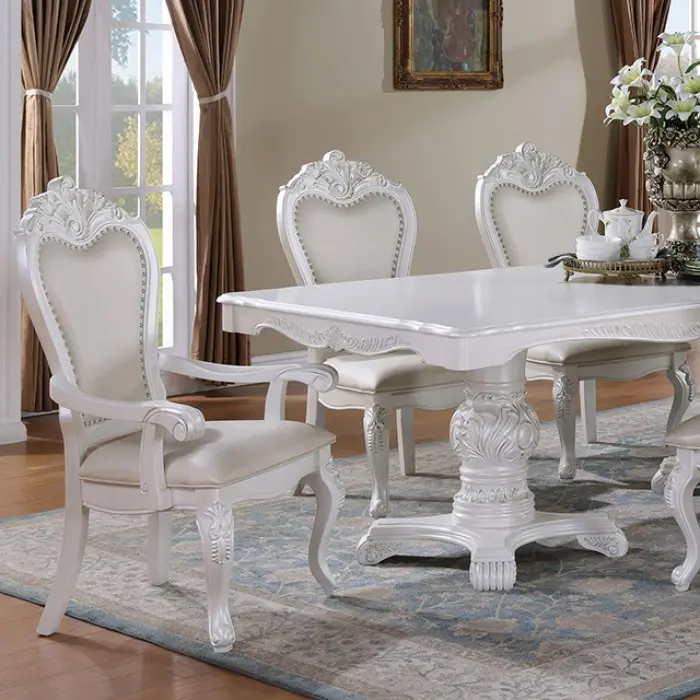
Traditional Furniture Buying Guide
What Defines Traditional Furniture?
Traditional furniture is characterized by classical design principles rooted in European and American decorative arts. Unlike trend-driven furnishings, traditional pieces emphasize permanence, proportion, and visual balance.
Characteristics of Classic Furniture Design
Several defining characteristics distinguish traditional furniture from other design categories:
Symmetry and balance create a sense of order and refinement. Matching seating arrangements, paired accent tables, and harmonious proportions contribute to a cohesive appearance.
Formal silhouettes often feature graceful curves, rolled arms, cabriole legs, pedestal bases, and elegantly shaped moldings that convey sophistication.
Decorative detailing may include hand carving, fluting, acanthus motifs, marquetry, inlays, turned wood elements, and carefully executed moldings.
Rich wood finishes showcase the natural beauty of hardwood species such as mahogany, walnut, cherry, and oak while enhancing depth and character.
Traditional vs Transitional vs Contemporary Furniture
Traditional furniture celebrates historical influence and ornamentation. Transitional furniture blends traditional forms with cleaner lines and restrained detailing. Contemporary furniture prioritizes simplicity, minimalism, and current design trends.
For homeowners seeking long-term versatility, traditional furniture offers a unique advantage. Its design language has already proven its longevity across generations. Well-crafted traditional furnishings can integrate seamlessly into evolving interiors while maintaining their visual relevance and architectural presence.
Why Traditional Furniture Remains a Luxury Investment
Luxury furniture should deliver more than immediate visual appeal. It should offer enduring performance, lasting beauty, and measurable value over time.
Timeless Design Appeal
Traditional furniture remains desirable because its design principles are rooted in classical aesthetics rather than temporary trends. Architectural detailing, balanced proportions, and elegant craftsmanship continue to resonate regardless of changing decorating fashions.
Long-Term Durability
Quality traditional furniture is typically built using premium hardwoods, reinforced frames, and superior joinery methods. Unlike disposable furnishings designed for short replacement cycles, luxury traditional furniture is intended to withstand decades of daily use.
Generational Value and Heirloom Potential
Many traditional pieces become family heirlooms because they are structurally capable of being passed down. High-quality furniture can often be refinished, reupholstered, restored, and adapted to new interiors without losing its character or integrity.
Increased Design Longevity Compared to Trend-Based Furniture
Trend-focused furniture frequently appears dated within a few years. Traditional furnishings maintain relevance because their appeal is based on craftsmanship and proportion rather than fashion. This longevity often translates into better long-term value and greater satisfaction for homeowners investing in luxury interiors.
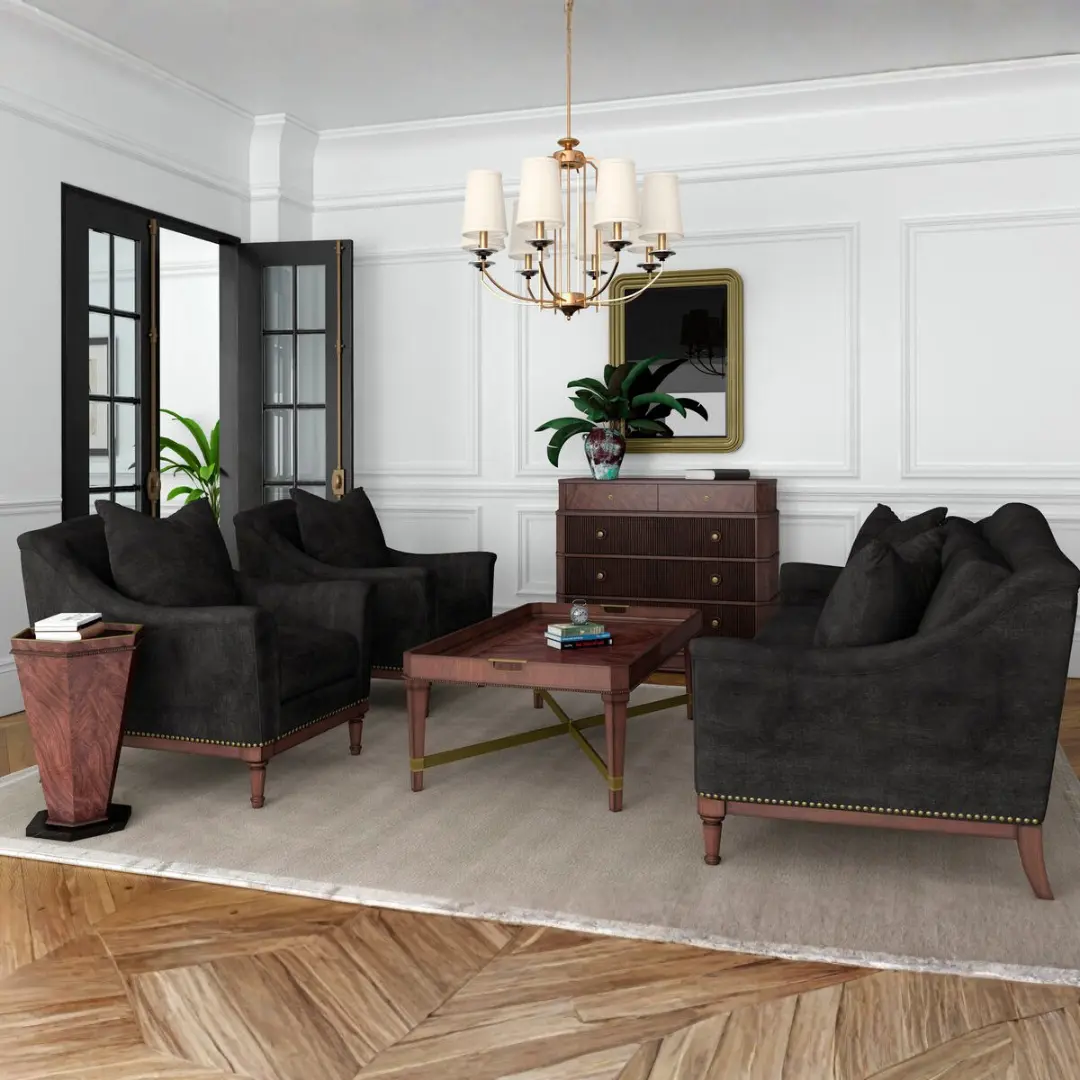
Traditional Furniture Buying Guide
Understanding Traditional Furniture Styles Before You Buy
Traditional furniture encompasses several distinct style categories, each offering its own interpretation of luxury and craftsmanship.
Traditional American Style
Traditional American furniture emphasizes practicality, comfort, and craftsmanship. Rich hardwood construction, classic paneling, and restrained ornamentation make this style highly adaptable to luxury residences.
Georgian and Regency Influences
Georgian furniture is known for symmetry, balanced proportions, and refined detailing. Regency-inspired pieces often introduce more dramatic curves, decorative brass accents, and elegant veneers while preserving classical restraint.
Victorian Furniture
Victorian furniture embraces ornate craftsmanship, elaborate carvings, tufted upholstery, and richly decorative forms. These pieces can serve as statement furnishings in formal spaces.
French Provincial and French Classical Designs
French Provincial furniture offers graceful silhouettes, carved details, and lighter finishes inspired by countryside estates. French Classical furnishings elevate elegance further through intricate ornamentation, luxurious materials, and exceptional craftsmanship.
European Traditional and Old World Interiors
European Traditional and Old World aesthetics draw inspiration from centuries of aristocratic design. Heavy hardwood construction, architectural detailing, and rich finishes create a sense of permanence and grandeur.
Neoclassical and Baroque-Inspired Furniture
Neoclassical furniture emphasizes symmetry and architectural refinement, while Baroque-inspired pieces showcase dramatic curves, bold carvings, and luxurious decorative treatments. Both styles continue to influence luxury furniture collections today.
The Best Materials for Luxury Traditional Furniture
Materials ultimately determine how furniture performs over decades of ownership.
Hardwood Solids vs Engineered Materials
Solid hardwood remains the gold standard for heirloom-quality furniture. Properly seasoned and kiln-dried hardwood offers superior strength, durability, and restoration potential compared with many engineered alternatives.
That said, luxury furniture occasionally incorporates premium veneers and engineered substrates strategically. High-quality veneers can enhance stability while allowing for sophisticated grain matching, marquetry, and decorative inlay techniques.
Premium Wood Species
Mahogany remains prized for its rich color, stability, and exceptional carving characteristics.
Walnut offers dramatic grain patterns and luxurious depth, making it a favorite for executive furniture and formal interiors.
Cherry wood develops a beautiful patina over time, adding warmth and character.
Oak provides remarkable strength and durability while showcasing distinctive grain texture.
Maple is highly resilient and valued for its smooth, refined appearance.
Beechwood delivers excellent structural performance and is frequently used in premium furniture frames.
Specialty Materials
Luxury traditional furniture often incorporates burl wood, marble, natural stone, brass, bronze, and tempered glass. These materials introduce visual contrast while elevating sophistication and craftsmanship.
Upholstery Materials
Premium upholstery contributes significantly to comfort and longevity. Genuine leather and top-grain leather offer durability and rich aging characteristics. Velvet creates depth and elegance, while linen upholstery introduces breathable refinement. Damask, jacquard, and silk-blend fabrics add texture, pattern, and decorative richness suited to formal interiors.
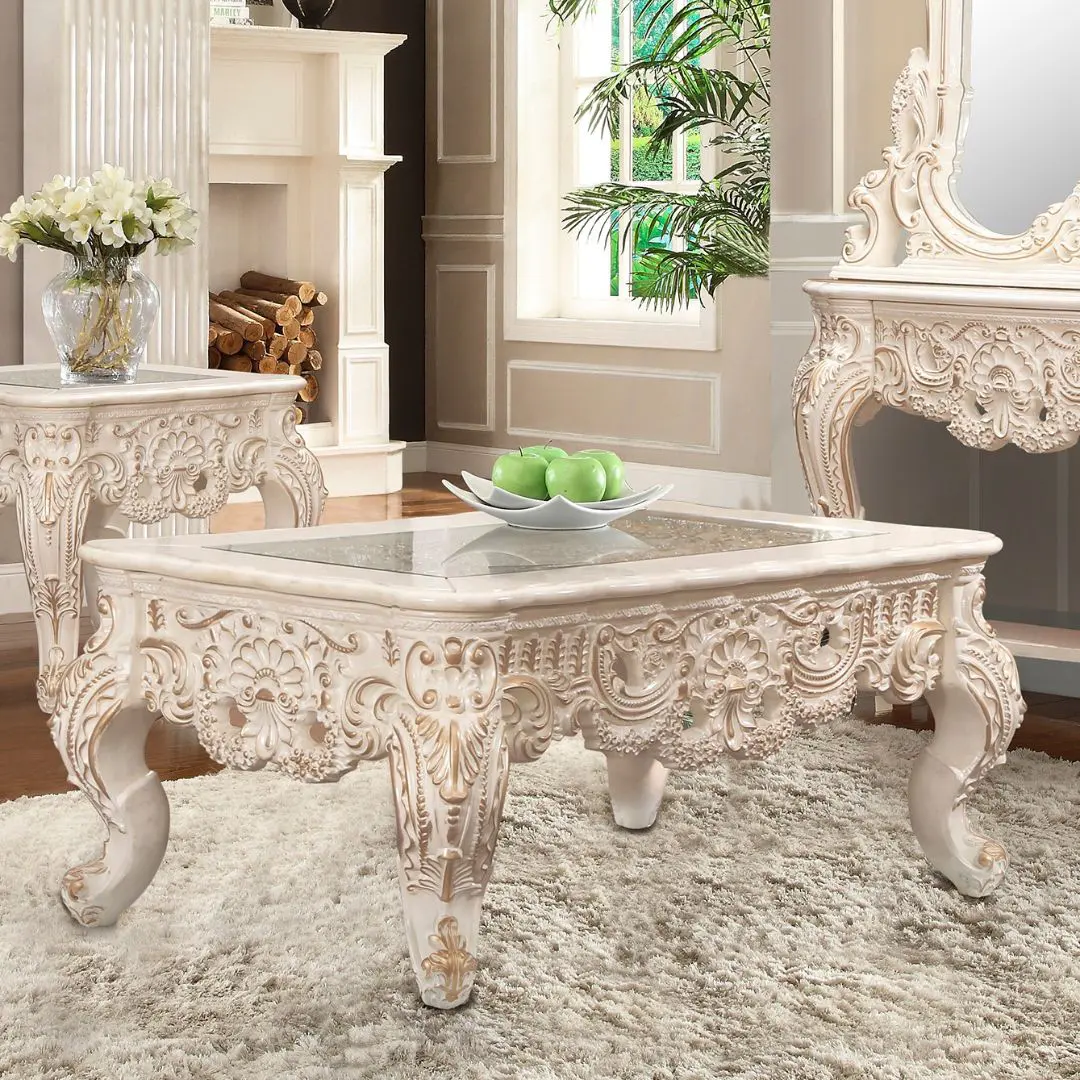
Traditional Furniture Buying Guide
How to Evaluate Furniture Construction Quality
Exceptional furniture begins beneath the surface. Understanding construction standards helps buyers identify genuine quality.
Mortise-and-Tenon Joinery
This centuries-old woodworking method interlocks structural components, creating exceptional strength and stability. It remains one of the most respected indicators of superior craftsmanship.
Dovetail Joinery
Commonly found in drawers, dovetail joints resist separation and demonstrate precision woodworking. Hand-cut or high-quality machine-cut dovetails signal elevated construction standards.
Kiln-Dried Hardwood Frames
Kiln drying removes excess moisture from wood, reducing future warping, cracking, and movement. Durable furniture frames should be constructed from properly dried hardwoods.
Frame Reinforcement Techniques
Corner blocking, double doweling, steel reinforcement, and additional bracing contribute to structural integrity, especially in seating and heavily used case goods.
Bench-Made Furniture Standards
Bench-made furniture is produced by skilled craftspeople rather than assembly-line manufacturing. Greater attention is given to fitting, finishing, upholstery, and quality control throughout the production process.
Key evaluation checklist:
- Inspect drawer construction and smooth operation.
- Assess overall weight and stability.
- Examine visible joinery details.
- Evaluate hardware quality and functionality.
- Confirm structural rigidity and frame integrity.
- Review material specifications carefully.
- Request information about manufacturing methods.
These indicators collectively reveal whether a piece is designed for temporary use or generational ownership.
Signs of Exceptional Traditional Furniture Craftsmanship
Craftsmanship is often what transforms furniture into art.
Hand Carving Techniques
Hand carving creates subtle depth and individuality that cannot be perfectly replicated through mass production. Detailed floral motifs, scrollwork, acanthus leaves, and architectural embellishments showcase artisan skill.
Artisan Woodworking
Experienced woodworkers understand grain orientation, wood movement, and structural engineering. Their expertise contributes directly to durability and visual refinement.
Marquetry and Inlay Work
Decorative inlays and marquetry involve arranging contrasting wood species into intricate patterns. These techniques require exceptional precision and remain hallmarks of luxury furniture.
Decorative Molding Craftsmanship
Well-executed moldings add architectural character while demonstrating meticulous attention to proportion and detail.
Turned Wood Detailing
Lathe-turned legs, columns, spindles, and supports create elegant visual rhythm throughout traditional furniture designs.
Upholstery Tailoring Excellence
Luxury upholstery should display consistent stitching, precise pattern matching, smooth contouring, and carefully aligned seams.
Nailhead Trim Application
Properly spaced nailhead trim requires considerable skill and contributes both decorative value and visual precision.
Tufted Upholstery Construction
Deep button tufting demands expertise in tensioning, padding distribution, and fabric placement to achieve long-lasting structure and comfort.
Understanding Furniture Finishes and Surface Treatments
A furniture finish serves both aesthetic and protective purposes.
Hand-Applied Finishes
Hand-applied finishes allow greater control over color consistency, depth, and grain enhancement. Skilled finishers can accentuate natural wood character while maintaining authenticity.
French Polishing
French polishing produces a remarkable high-luster finish traditionally associated with luxury furniture and fine antiques. While labor-intensive, it delivers exceptional visual depth.
Multi-Step Finishing Processes
Premium furniture often undergoes multiple finishing stages that may include staining, sealing, glazing, distressing, toning, and protective topcoats. These layers create complexity and durability.
Wood Grain Enhancement Techniques
Advanced finishing methods can emphasize figure, depth, and natural grain variation without obscuring the beauty of the underlying wood.
Finish Durability and Maintenance
A high-quality finish should resist wear while remaining repairable. Buyers should request maintenance guidance and finish samples when possible. Understanding cleaning requirements helps preserve furniture appearance for decades.
Choosing the Right Furniture for Every Room
Traditional furniture should support both function and architectural harmony throughout the home.
Premium Traditional Living Room Furniture
Living rooms benefit from coordinated sofas, upholstered seating, coffee tables, side tables, console tables, and carefully selected accent pieces. Scale and proportion are particularly important in formal entertaining spaces.
Traditional Dining Room Furniture
Dining rooms often serve as focal points for family gatherings and entertaining. Well-crafted dining tables, coordinating chairs, buffets, sideboards, and china cabinets establish elegance while providing practical storage.
Traditional Bedroom Furniture Sets
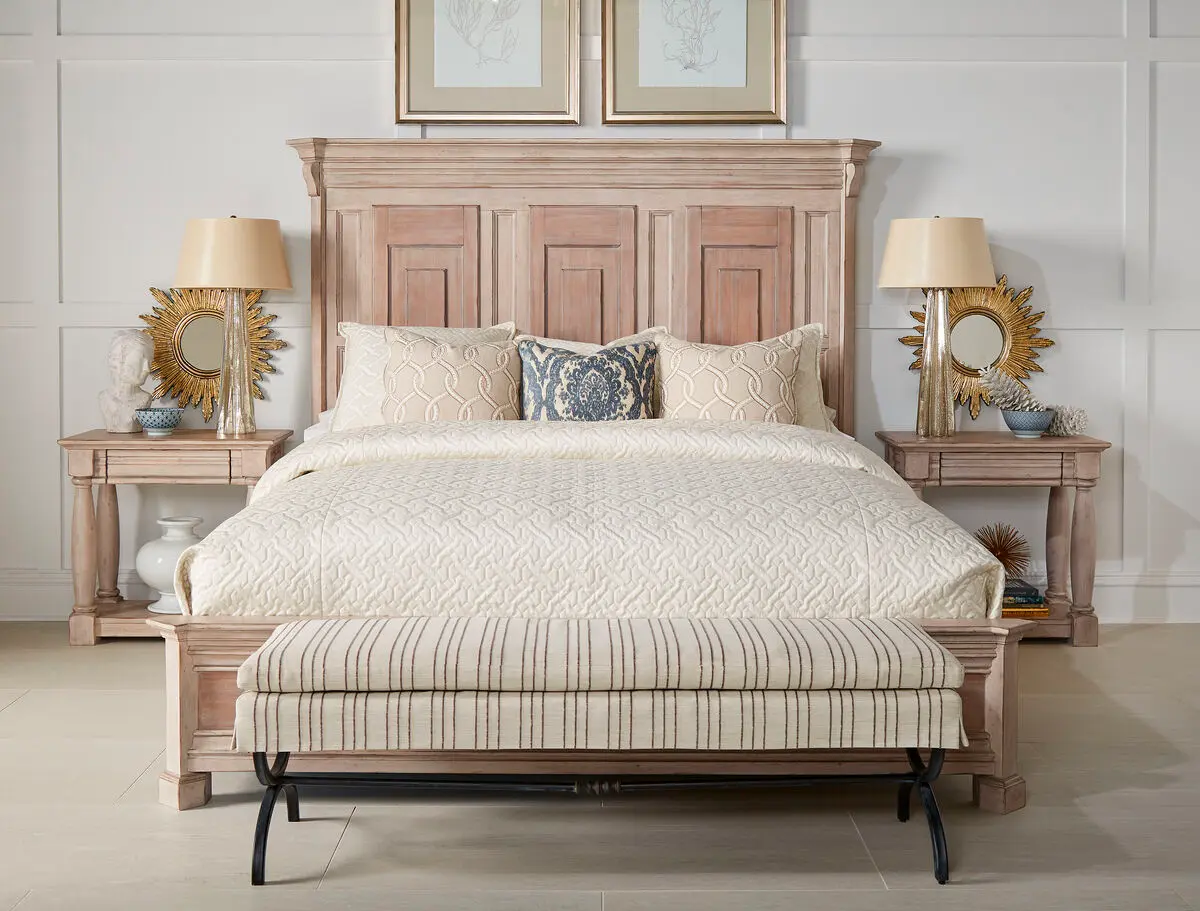
Bedrooms require a balance of luxury and comfort. Beds, nightstands, dressers, armoires, and coordinated suites should create a cohesive environment while supporting daily functionality.
Executive Home Office Furniture
Executive desks, bookcases, credenzas, and storage cabinets convey professionalism while enhancing productivity. Premium hardwood construction and sophisticated detailing contribute to a distinguished workspace environment.
For homeowners seeking comprehensive furnishing solutions, Mobilia Cleopatra’s luxury traditional furniture collections offer coordinated designs that maintain consistency across multiple rooms while allowing individualized customization.
Furniture Scale, Proportion, and Interior Design Harmony
Even the finest furniture can appear misplaced if scale and proportion are overlooked.
Measuring Room Dimensions Correctly
Accurate measurements should include room length, width, ceiling height, window placement, door swings, circulation paths, and architectural features such as fireplaces and built-ins.
Creating Visual Balance
Balance involves distributing visual weight evenly throughout a space. Large furniture pieces should be complemented by appropriately scaled supporting elements to prevent overcrowding or imbalance.
Furniture Placement Guidelines
Maintain comfortable circulation routes while establishing conversational groupings. Anchor arrangements around architectural focal points whenever possible.
Designing Formal Living Spaces
Formal rooms benefit from symmetry, layered lighting, coordinated finishes, and thoughtfully selected focal furnishings. Traditional furniture naturally supports these principles, creating interiors that feel sophisticated and cohesive rather than overly decorated.
Custom Traditional Furniture vs Ready-Made Collections
Customization provides opportunities to tailor furniture precisely to a home’s needs.
Benefits of Bespoke Furniture Design
Bespoke furniture allows homeowners to specify dimensions, proportions, materials, finishes, decorative details, and upholstery selections that align with their design vision.
Custom Sizing and Configuration
Custom dimensions solve challenges presented by unusual floor plans, large-scale rooms, or specialized functional requirements.
Material and Finish Personalization
Luxury buyers often desire specific wood species, finish tones, hardware options, decorative treatments, and upholstery fabrics unavailable in standard collections.
When Custom Furniture Is Worth the Investment
Custom traditional furniture is particularly valuable when furnishing luxury residences, designing signature spaces, coordinating with architectural details, or creating heirloom-quality statement pieces intended for decades of ownership.
Mobilia Cleopatra’s custom furniture capabilities enable clients to achieve highly personalized interiors while maintaining exceptional craftsmanship standards and traditional design integrity.
Traditional Furniture Buying Guide
Luxury Furniture Services That Enhance the Buying Experience
The quality of service should reflect the quality of the furniture itself.
Interior Design Consultation
Professional design guidance helps homeowners select appropriate styles, materials, layouts, and proportions while avoiding costly purchasing mistakes.
White-Glove Delivery
Luxury furniture deserves careful handling. White-glove delivery typically includes transportation, room placement, inspection, assembly, and packaging removal.
Professional Installation
Complex furnishings, large wall units, and specialty pieces often require expert installation to ensure proper performance and safety.
Warranty Protection
Comprehensive warranty coverage demonstrates manufacturer confidence and provides peace of mind regarding workmanship and materials.
Post-Purchase Support
Long-term customer support, repair assistance, maintenance guidance, and restoration services further enhance ownership value and satisfaction.
Traditional Furniture Buying Tips from Luxury Furniture Experts
Successful furniture purchases combine aesthetic judgment with technical evaluation.
Verify Construction Methods
Request details regarding joinery, frame construction, reinforcement systems, and manufacturing processes.
Inspect Material Quality
Confirm wood species, upholstery composition, hardware specifications, and finishing methods. Transparent manufacturers willingly provide this information.
Request Finish Samples
Samples help verify color accuracy and compatibility with existing architectural finishes, flooring, and décor.
Review Warranty Coverage
Understand what is covered, for how long, and under what conditions. Warranty terms often reveal much about expected product performance.
Consider Long-Term Lifestyle Needs
Evaluate how furniture will function over years of ownership, accounting for family growth, entertaining habits, and potential relocation.
Prioritize Craftsmanship Over Trends
Enduring craftsmanship consistently outperforms fashionable design trends in both longevity and long-term satisfaction.
How to Choose Heirloom-Quality Furniture That Lasts for Generations
Not every luxury furniture piece qualifies as heirloom quality.
Durability Benchmarks
Seek hardwood construction, proven joinery methods, reinforced frames, premium hardware, and durable finishing systems capable of long-term performance.
Repairability and Restoration Potential
Furniture designed for generations should be repairable rather than disposable. Refinishable wood surfaces and reupholsterable seating extend useful life dramatically.
Timeless Design Characteristics
Classic proportions, balanced detailing, and architectural relevance help ensure a piece remains visually appealing across decades of changing tastes.
Assessing Investment-Quality Furniture
Evaluate construction, materials, craftsmanship, customization options, service support, and brand reputation collectively. True investment-quality furniture combines all of these elements rather than excelling in only one category.
Final Checklist Before Purchasing Traditional Furniture
Purchasing luxury traditional furniture is ultimately an exercise in informed decision-making. The most successful buyers balance aesthetics, craftsmanship, functionality, and long-term value rather than focusing solely on appearance.
Before finalizing a purchase, verify all materials and construction specifications. Confirm whether the furniture utilizes solid hardwood, premium veneers, kiln-dried framing, or specialized upholstery materials. Carefully inspect joinery methods, hardware quality, structural stability, and finishing consistency. These details often determine how well a piece performs after years of daily use.
Evaluate style compatibility within the broader context of your home’s architecture. Traditional furniture should complement ceiling heights, molding profiles, flooring materials, and existing decorative elements. Proper scale and proportion are equally important. Accurate room measurements help prevent costly mistakes while ensuring furniture fits comfortably within the intended space.
Delivery planning deserves attention as well. Measure doorways, staircases, elevators, and access routes to avoid installation complications. Understand whether white-glove delivery, assembly, and professional placement are included.
Finally, review warranty terms and post-purchase support policies carefully. Reputable luxury furniture brands stand behind their craftsmanship and maintain service programs that protect your investment over time.
When selected thoughtfully, traditional furniture becomes more than décor. It becomes part of a home’s story—serving family gatherings, celebrations, daily routines, and future generations. By prioritizing quality materials, expert craftsmanship, timeless design, and trusted manufacturers such as Mobilia Cleopatra, homeowners can furnish their spaces with confidence and create interiors that remain elegant, functional, and valuable for decades to come.
Traditional Furniture Buying Guide
Frequently Asked Questions
What should I look for when buying traditional furniture?
Focus on construction quality, material integrity, and craftsmanship. Look for solid hardwood construction, durable joinery methods such as mortise-and-tenon or dovetail joints, kiln-dried framing, premium hardware, and well-executed finishes. Examine drawers, doors, upholstery details, and overall stability. Traditional furniture should feel substantial, balanced, and carefully crafted rather than lightweight or mass-produced.
Is traditional furniture worth the investment?
High-quality traditional furniture often delivers exceptional long-term value because it combines durability, repairability, and timeless design. Unlike trend-based furnishings that may require replacement after a few years, well-constructed traditional pieces can remain functional and visually appealing for decades, reducing replacement costs and increasing overall ownership satisfaction.
What is considered heirloom-quality furniture?
Heirloom-quality furniture is designed and built to last for generations. It typically incorporates premium hardwoods, expert craftsmanship, reinforced construction, superior joinery techniques, durable finishes, and repairable components. These characteristics allow the furniture to be restored, refinished, or reupholstered as needed over time.
Which wood is best for traditional furniture?
Mahogany, walnut, cherry wood, oak, and maple are among the most respected hardwoods used in luxury traditional furniture. Each offers unique aesthetic qualities and performance benefits. Mahogany and walnut are especially valued for elegance and richness, while oak and maple are known for strength and durability.
How can I tell if furniture is made from solid wood?
Inspect exposed surfaces, drawer interiors, grain continuity, weight, and manufacturer specifications. Solid wood generally exhibits consistent grain patterns through edges and structural components. Reputable manufacturers provide transparent material information and can explain where solid wood, veneers, or engineered materials are used.
What is the difference between handcrafted and mass-produced furniture?
Handcrafted furniture involves greater artisan involvement throughout construction and finishing. Craftspeople often perform detailed carving, assembly, upholstery, and finishing processes individually. Mass-produced furniture typically prioritizes manufacturing efficiency, resulting in less customization, simplified construction methods, and fewer handcrafted details.
Should I choose custom traditional furniture?
Custom traditional furniture is ideal when standard dimensions do not fit your space, when specific materials or finishes are desired, or when a highly personalized design solution is required. Luxury homeowners often choose custom furniture to achieve architectural harmony and create distinctive interiors tailored to their lifestyle.
What traditional furniture style is most popular in luxury homes?
Traditional American, French Classical, French Provincial, Georgian, Regency, and European Traditional styles remain among the most sought-after choices in luxury residences. Their enduring popularity stems from balanced proportions, elegant detailing, and proven design longevity.
How long does high-quality traditional furniture last?
Furniture constructed from premium hardwoods and built using superior craftsmanship can remain functional for several decades and often much longer. With proper maintenance, refinishing, and occasional restoration, many traditional furniture pieces continue serving families for generations.
Are wood veneers used in luxury furniture?
Yes. High-quality veneers are frequently used in luxury furniture to showcase rare grain patterns, create decorative surfaces, improve dimensional stability, and enable sophisticated techniques such as marquetry and inlay work. Premium veneers should not be confused with low-quality imitation surfaces.
What services should luxury furniture brands provide?
Luxury furniture buyers typically expect comprehensive support, including design consultation, customization options, white-glove delivery, professional installation, warranty protection, and post-purchase service. These offerings enhance convenience and help protect the value of the investment.
How do I match traditional furniture with my home’s architecture?
Begin by evaluating architectural elements such as ceiling heights, moldings, millwork, flooring materials, window treatments, and room proportions. Select furniture styles that complement these features rather than compete with them. Consistency in scale, finish tones, and decorative detailing helps create a harmonious and sophisticated interior environment.
