Free shipping available nationwide. Contact us for eligibility


Custom Made Furniture vs Mass Produced Furniture: Understanding the Real Difference

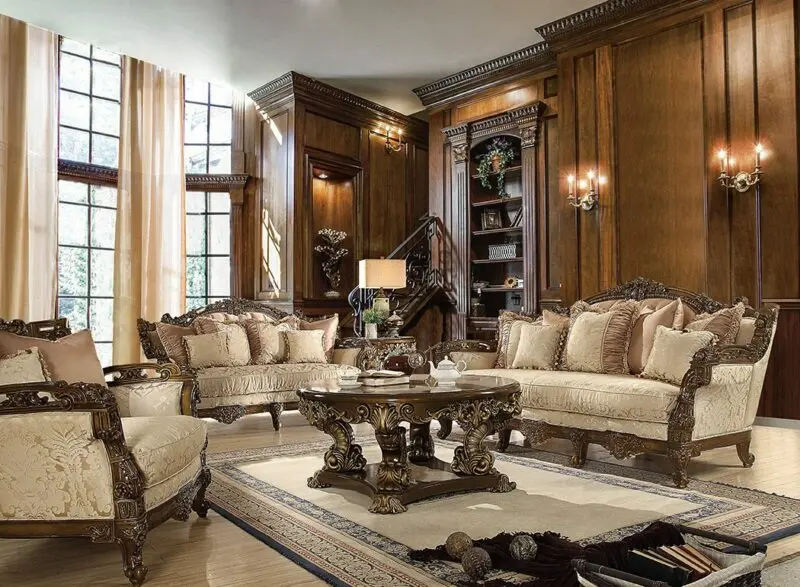
In luxury interior design, furniture is far more than a functional necessity. It shapes the atmosphere of a home, reflects personal taste, and often becomes part of a family’s long-term lifestyle and aesthetic identity. For homeowners designing refined interiors, the decision between custom made furniture and mass produced furniture is one of the most important investments in the furnishing process.
While factory-made furniture dominates large retail markets because of convenience and speed, custom furniture continues to define the upper tier of luxury living. From handcrafted dining tables made from solid walnut wood to bespoke upholstered seating tailored to a room’s exact proportions, custom furniture offers a level of artistry and personalization that mass production rarely achieves.
The distinction goes beyond appearance. Construction methods, material quality, durability, comfort, and even sustainability all differ significantly between these two approaches to furniture manufacturing. Luxury homeowners are increasingly prioritizing craftsmanship, longevity, and exclusivity over fast-furniture trends that may lose appeal or structural integrity within only a few years.
At the same time, mass produced furniture still serves a purpose. It can offer faster delivery, lower upfront pricing, and practical solutions for temporary spaces or trend-driven interiors. The challenge for discerning homeowners is understanding when custom furniture justifies the investment and how to identify true quality in a crowded marketplace.
For luxury brands like Mobilia Cleopatra, custom furniture represents a commitment to craftsmanship, timeless design, and made-to-order excellence. Rather than focusing on quantity, premium furniture makers emphasize thoughtful construction, artisan detailing, and tailored interiors designed to endure for decades.
Understanding the real difference between custom made furniture and factory-made furniture allows homeowners to make informed decisions that align with their lifestyle, architectural vision, and long-term expectations for luxury living.
What Is Custom Made Furniture?
Custom made furniture refers to pieces specifically designed and built according to a client’s preferences, dimensions, materials, and aesthetic goals. Unlike factory-produced furniture that is manufactured in large quantities with standardized specifications, custom furniture is created on a made-to-order basis with a greater emphasis on craftsmanship and personalization.
In luxury interiors, bespoke furniture often begins with a collaborative design process between the client, interior designer, and furniture maker. Every detail can be tailored, from proportions and upholstery fabrics to wood finishes and decorative accents. Whether designing a contemporary sectional for an open-concept penthouse or a hand-carved dining table inspired by French neoclassical interiors, custom furniture allows homeowners to create pieces that feel unique to their space.
The production process itself differs dramatically from mass manufacturing. Skilled artisans frequently use premium construction techniques such as mortise and tenon joinery, kiln-dried hardwood framing, hand-applied finishes, and precision upholstery tailoring. These techniques are designed not only for beauty but also for structural longevity.
Luxury custom furniture also prioritizes premium materials. Solid oak, walnut wood, mahogany, Italian leather, bouclé fabric, natural marble, and brass accents are commonly selected for their durability and timeless appeal. Because production is limited rather than industrialized, furniture makers can devote greater attention to material consistency and detailing.
Another defining characteristic of custom furniture is exclusivity. Homeowners can achieve a level of interior cohesion that mass produced furniture often struggles to provide. Custom dimensions allow furniture to fit architectural layouts perfectly, while personalized finishes help create harmonious transitions between living spaces.
For many luxury homeowners, custom furniture is viewed as an investment rather than a short-term purchase. High-quality handcrafted furniture often becomes heirloom-quality décor capable of lasting for generations while maintaining its aesthetic and structural integrity.
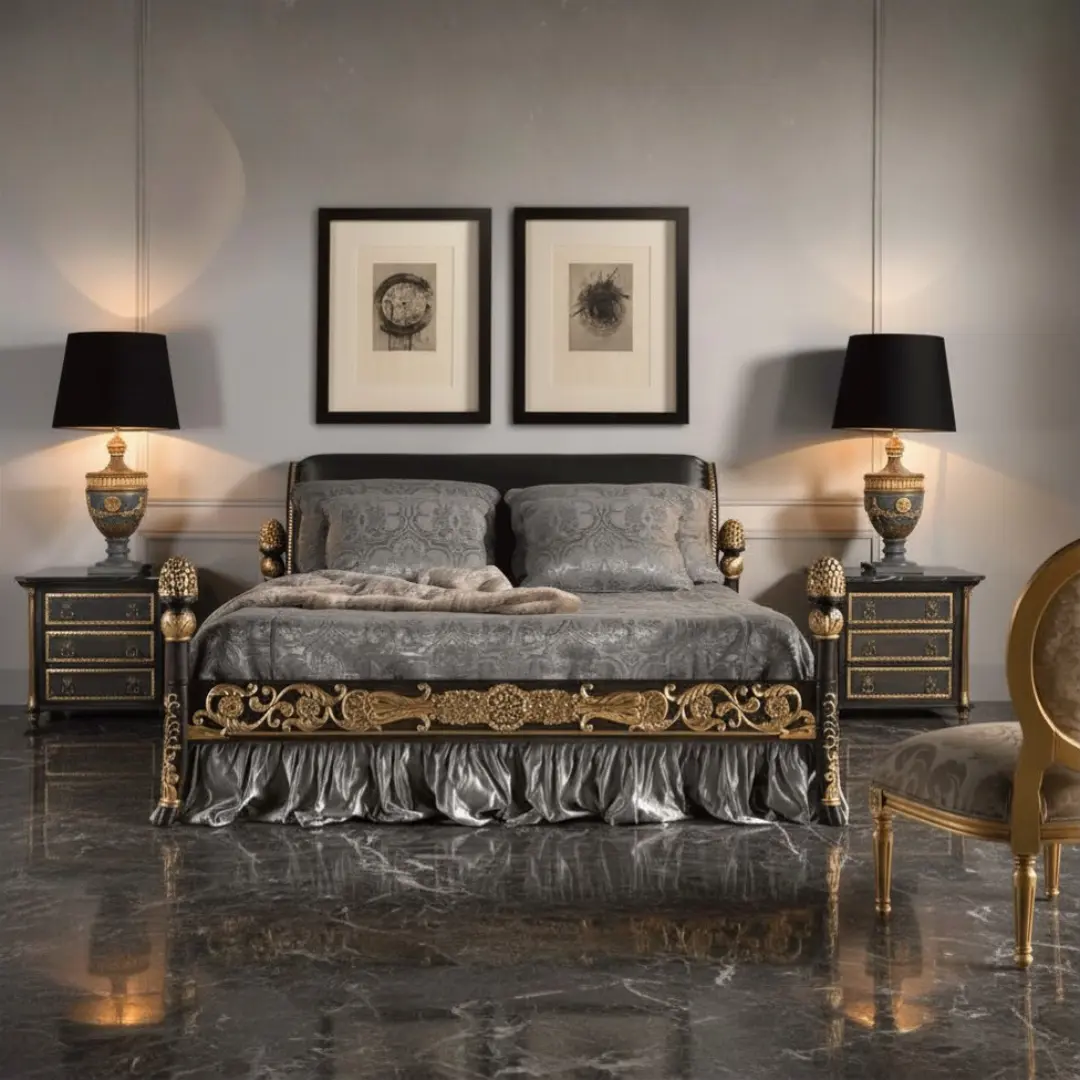
Custom Made Furniture vs Mass Produced Furniture
What Is Mass Produced Furniture?
Mass produced furniture is manufactured on a large industrial scale using standardized processes designed for speed, efficiency, and high-volume distribution. This category includes much of the furniture sold through large retail chains, online marketplaces, and fast-furniture brands targeting broad consumer audiences.
The primary advantage of factory-made furniture is accessibility. Because designs are replicated in large quantities, production costs are lower, making furniture more affordable and widely available. Many consumers appreciate the convenience of purchasing furniture with short delivery timelines and predictable pricing.
However, large-scale production often requires compromises in craftsmanship and material quality. To maximize efficiency, manufacturers typically rely on automated assembly methods, engineered wood products, veneers, synthetic upholstery materials, and simplified joinery systems. While these methods can create visually appealing furniture initially, they may not provide the same durability or longevity associated with handcrafted construction.
Factory furniture is also inherently standardized. Consumers generally choose from predetermined sizes, colors, and configurations with limited customization options. For luxury homeowners working with unique architectural layouts or curated interior concepts, this lack of flexibility can create design limitations.
Mass production prioritizes scalability, meaning furniture is designed to appeal to broad market trends rather than individual lifestyles. As a result, many factory-produced pieces follow short-lived design movements that can quickly feel dated. In contrast, luxury custom furniture typically emphasizes timeless aesthetics intended to remain relevant over decades.
That said, mass produced furniture still plays a practical role in certain situations. Temporary residences, rapidly furnished properties, and trend-focused spaces may benefit from the lower upfront investment and faster availability offered by factory manufacturing.
The distinction ultimately comes down to priorities. Mass produced furniture emphasizes convenience and affordability, while custom furniture prioritizes craftsmanship, personalization, material quality, and long-term value.
Custom Made Furniture vs Mass Produced Furniture: Key Differences
The differences between custom furniture and mass produced furniture extend far beyond pricing. They influence how furniture performs, ages, and integrates into luxury interiors over time.
Craftsmanship is one of the most significant distinctions. Handcrafted furniture is often built by skilled artisans who focus on precision woodworking, upholstery detailing, and structural integrity. Bench-made construction methods allow for greater consistency and refinement than automated factory assembly lines.
Material selection also varies considerably. Luxury custom furniture makers frequently use solid hardwoods such as walnut, ash, maple, and mahogany alongside premium upholstery materials like Italian leather and performance velvet. Mass produced furniture often relies more heavily on engineered hardwood, particleboard, or synthetic laminates to reduce manufacturing costs.
Design flexibility is another major advantage of custom furniture. Homeowners can tailor dimensions, finishes, and layouts to fit specific architectural requirements. This level of personalization is especially valuable in luxury homes where spatial harmony and interior cohesion are essential.
Durability and longevity further separate the two categories. Custom furniture built with kiln-dried hardwood framing and reinforced joinery can last for decades with proper care. Many factory-made pieces are designed for shorter replacement cycles, which may lead to structural wear over time.
Pricing reflects these differences. Custom furniture typically requires a higher upfront investment due to labor-intensive craftsmanship and premium materials. However, luxury homeowners often view this as a long-term value proposition rather than a short-term expense.
Lead times also differ significantly. Mass produced furniture is usually available immediately or within a few weeks, while custom furniture may require several months depending on complexity and production schedules.
Sustainability has become another important factor in the luxury market. Custom furniture production often generates less waste because pieces are created intentionally rather than mass-manufactured in excess quantities. Longer product lifespans also reduce replacement frequency, contributing to more sustainable consumption patterns.
For homeowners prioritizing individuality, craftsmanship, and enduring quality, custom furniture offers advantages that extend well beyond aesthetics alone.
Why Craftsmanship Matters in Luxury Furniture
Craftsmanship is one of the defining elements that separates luxury furniture from standard retail furnishings. In premium interiors, quality is often revealed through subtle construction details that may not be immediately visible but dramatically affect performance, comfort, and longevity.
Traditional joinery methods such as mortise and tenon construction create stronger structural connections than staples or adhesive-based assembly. These techniques have been used for centuries in heirloom furniture because they provide exceptional durability under long-term use.
Kiln-dried hardwood framing is another hallmark of premium construction. Properly dried wood minimizes the risk of warping, cracking, or structural instability over time. Luxury furniture makers carefully select hardwoods not only for appearance but also for strength and consistency.
Hand-applied finishes contribute depth and richness that machine-applied coatings often lack. Whether working with walnut wood, oak, or mahogany, artisan finishing techniques enhance natural grain patterns while protecting surfaces from wear.
Upholstery craftsmanship is equally important. Hand-tufted upholstery, tailored seams, precision piping, and layered cushioning systems all contribute to superior comfort and visual refinement. In luxury furniture, upholstery is not merely decorative—it is part of the structural experience of the piece itself.
Bench-made furniture construction also allows artisans to inspect and refine every stage of production. This level of oversight is difficult to replicate in large-scale manufacturing environments focused on speed and output volume.
For discerning homeowners, craftsmanship represents more than aesthetics. It reflects authenticity, permanence, and the enduring value of thoughtful design.
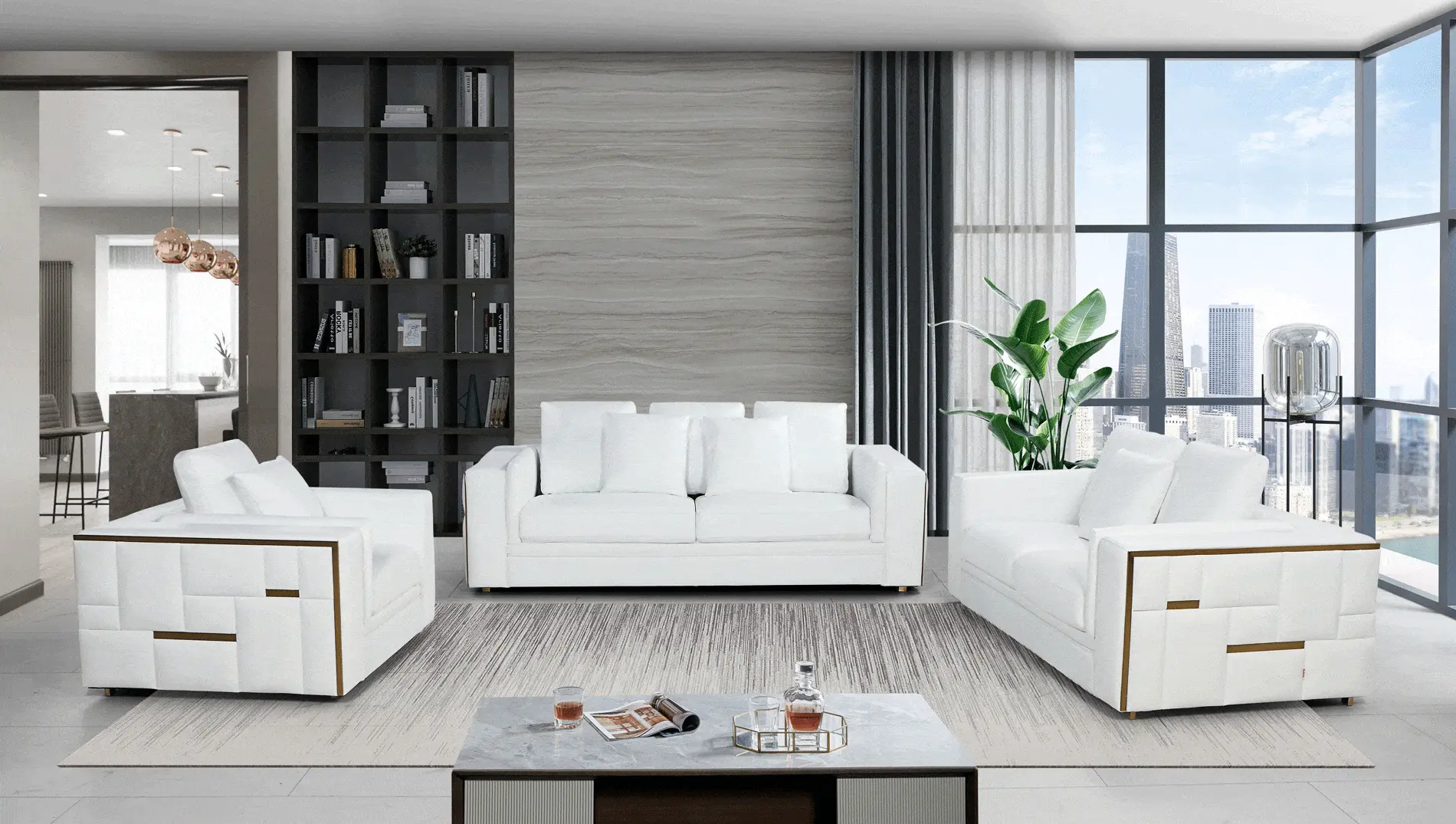
Custom Made Furniture vs Mass Produced Furniture
Material Quality Comparison: Premium vs Factory-Grade Components
Materials are one of the clearest indicators of furniture quality. In luxury interiors, premium materials influence not only appearance but also durability, comfort, and long-term performance.
Custom furniture makers often prioritize solid hardwoods such as walnut, oak, ash, maple, and mahogany because of their strength and natural beauty. Solid wood develops character over time and can often be refinished or restored, extending the lifespan of the furniture significantly.
Mass produced furniture frequently incorporates engineered materials such as MDF, particleboard, or thin veneers. While these materials may reduce production costs, they generally lack the structural integrity and longevity associated with solid hardwood construction.
Luxury upholstery materials also create a noticeable difference. Italian leather, linen upholstery, bouclé fabric, and performance velvet provide both tactile sophistication and durability. High-end fabrics are selected for their texture, resilience, and ability to complement refined interiors.
Premium custom furniture may also incorporate natural marble, travertine, tempered glass, brass detailing, and stainless steel accents. These materials elevate furniture from functional objects into architectural design elements that contribute to the overall atmosphere of a luxury home.
Frame construction standards are equally critical. Reinforced hardwood frames and high-density cushioning systems improve comfort and structural performance over time, while lower-quality frames may loosen or deteriorate after extended use.
In luxury furniture, materials are never simply decorative choices. They are foundational components that determine how furniture ages, performs, and integrates into sophisticated interiors.
The Long-Term Value of Custom Made Furniture
One of the strongest arguments in favor of custom furniture is its long-term value. While the initial investment may be higher, premium handcrafted furniture often delivers greater durability, aesthetic longevity, and overall ownership satisfaction.
Heirloom-quality furniture is designed to last for generations rather than only a few years. Solid wood construction, reinforced joinery, and artisan finishing techniques contribute to structural resilience that mass produced furniture may struggle to achieve.
Custom furniture also tends to maintain its visual appeal over time. Because bespoke pieces are tailored to a homeowner’s architectural style and personal preferences, they are less likely to feel outdated as trends evolve. Timeless design principles frequently outlast fast-changing retail aesthetics.
Resale value can also be stronger for high-end custom furniture, especially when pieces are crafted by reputable luxury furniture makers using premium materials. Well-maintained handcrafted furniture often retains desirability because of its quality and exclusivity.
Beyond financial considerations, custom furniture offers emotional and experiential value. Personalized furniture contributes to a sense of identity within the home, creating interiors that feel curated rather than mass-produced.
For luxury homeowners, custom furniture is often viewed similarly to architectural detailing or fine art: an investment in enduring quality and lifestyle refinement rather than disposable consumption.
Sustainability: Is Custom Furniture More Eco-Friendly?
Sustainability has become increasingly important in luxury design, and custom furniture often aligns naturally with environmentally conscious living. Unlike mass manufacturing systems that prioritize high-volume production, custom furniture is typically created in smaller quantities with more intentional sourcing practices.
Many luxury furniture makers focus on responsibly harvested hardwoods, durable upholstery materials, and long-lasting construction methods. Because handcrafted furniture is built to endure for decades, it reduces the cycle of frequent replacement associated with lower-quality furniture.
Limited production also helps minimize waste. Factory manufacturing frequently produces surplus inventory, excess packaging, and discarded materials, while made-to-order furniture is created according to actual demand.
Eco-conscious sourcing practices further contribute to sustainability. Luxury furniture brands may prioritize ethically sourced wood, low-emission finishes, and premium materials that age gracefully rather than deteriorate quickly.
Longevity itself is one of the most sustainable qualities in furniture design. A handcrafted dining table that remains functional and aesthetically relevant for generations has a significantly smaller environmental impact than multiple replacement purchases over the same period.
For homeowners seeking a balance between luxury and responsible consumption, custom furniture often provides a more sustainable path without compromising quality or design sophistication.
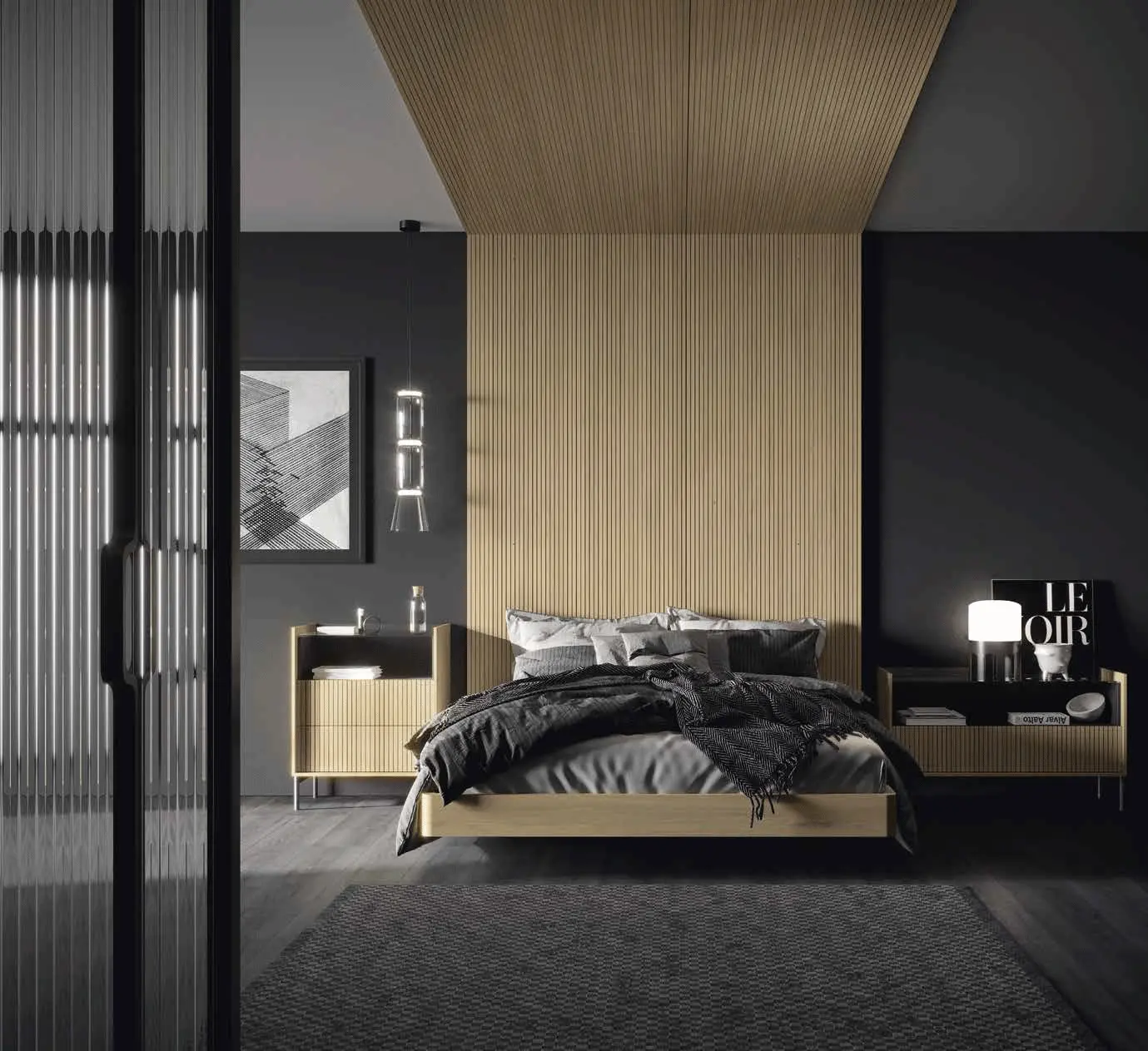
Custom Made Furniture vs Mass Produced Furniture
Custom Furniture Buying Guide for Luxury Homeowners
Purchasing custom furniture requires thoughtful planning, particularly in luxury homes where furniture must complement architecture, interior styling, and long-term lifestyle needs.
Budget planning is the first consideration. While custom furniture requires a larger upfront investment, homeowners should evaluate value based on longevity, craftsmanship, and personalization rather than price alone.
Material selection is equally important. Hardwood species, upholstery fabrics, metal finishes, and stone surfaces all influence both aesthetics and durability. Working with experienced furniture makers allows homeowners to choose materials suited to their lifestyle and design preferences.
Production timelines should also be understood early in the process. Luxury custom furniture is rarely immediate because each piece requires careful fabrication, finishing, and quality inspection. Homeowners planning large-scale interior projects should coordinate furniture timelines alongside renovation or construction schedules.
Choosing the right furniture brand matters significantly. Reputable luxury furniture makers emphasize transparency regarding construction methods, materials, and customization capabilities. White glove service, design consultations, and showroom experiences often reflect a brand’s commitment to craftsmanship and client satisfaction.
Finally, homeowners should prioritize timelessness over short-term trends. Custom furniture offers the opportunity to create interiors with enduring elegance rather than rapidly changing aesthetics.
Final Verdict: Is Custom Made Furniture Worth It?
For luxury homeowners seeking exceptional quality, personalization, and long-term value, custom made furniture is often worth the investment. While mass produced furniture offers convenience and affordability, it rarely provides the craftsmanship, exclusivity, and durability associated with premium handcrafted design.
Custom furniture allows interiors to feel intentional and architecturally cohesive. Tailored dimensions, curated materials, and artisan detailing create pieces that integrate seamlessly into sophisticated living spaces. This level of personalization is especially valuable in luxury homes where every design element contributes to the overall atmosphere.
The benefits also extend beyond aesthetics. Superior construction methods, kiln-dried hardwood framing, reinforced joinery, and premium upholstery materials contribute to furniture that performs reliably for decades. Rather than treating furniture as disposable, luxury homeowners increasingly prioritize pieces designed for longevity and timeless appeal.
That does not mean mass produced furniture has no place in modern interiors. Temporary residences, rapidly furnished properties, and trend-driven spaces may still benefit from factory-made solutions. However, for homeowners investing in a permanent luxury residence, custom furniture often delivers greater satisfaction over time.
Brands like Mobilia Cleopatra exemplify the enduring value of handcrafted luxury furniture by combining artisan craftsmanship with refined design sensibilities. In an era increasingly shaped by mass production, custom furniture offers something rare: individuality, permanence, and authentic quality.
Ultimately, the right choice depends on lifestyle, priorities, and design goals. Yet for those who value craftsmanship, architectural harmony, and heirloom-quality interiors, custom made furniture remains the defining standard of luxury living.
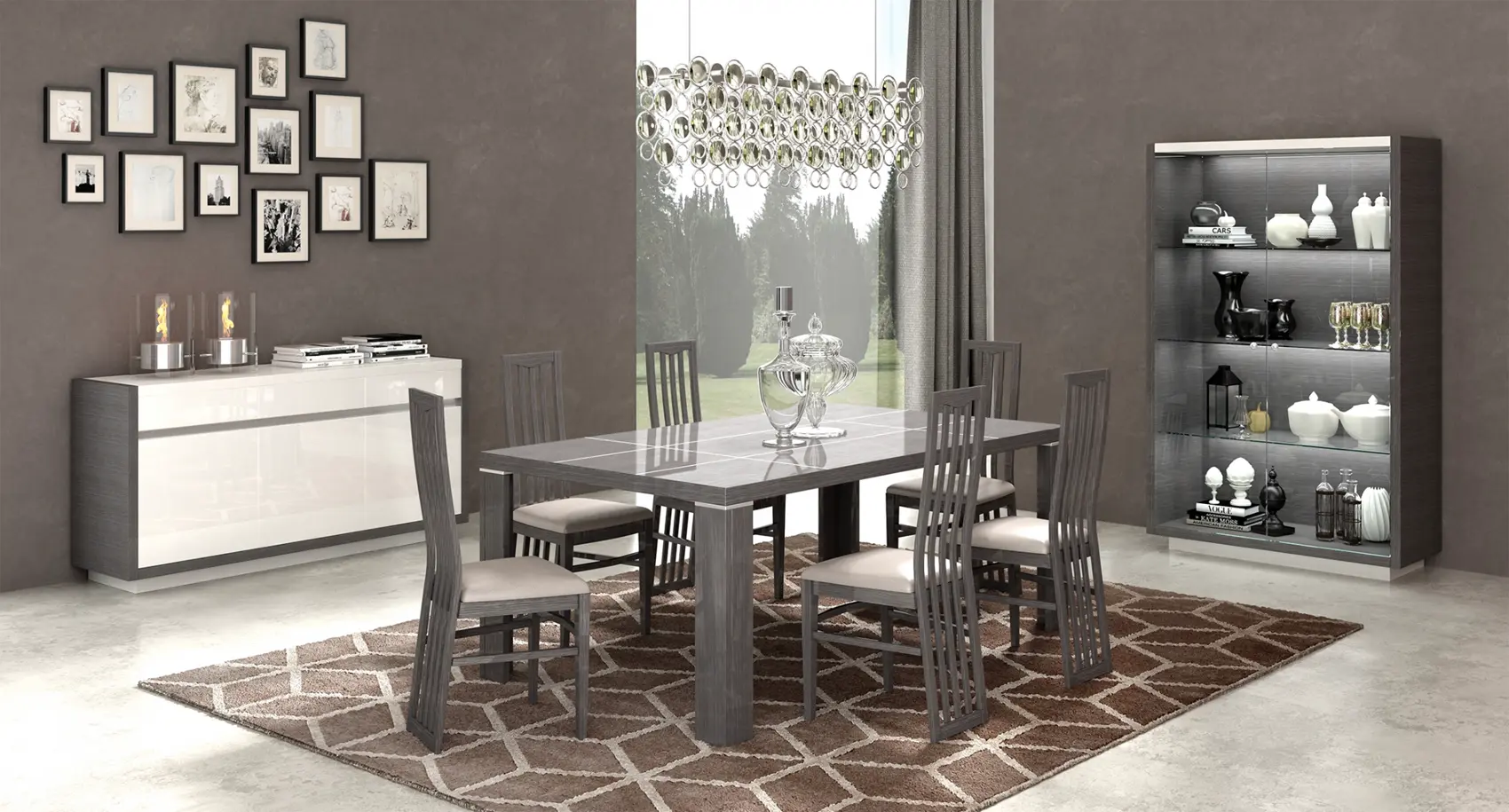
Custom Made Furniture vs Mass Produced Furniture
FAQs
What is the difference between custom made furniture and mass produced furniture?
Custom made furniture is built specifically for an individual client with personalized dimensions, materials, and finishes, while mass produced furniture is manufactured in large quantities using standardized designs. Custom furniture emphasizes craftsmanship, exclusivity, and personalization, whereas factory-made furniture prioritizes affordability and fast availability.
Is custom furniture higher quality than factory-made furniture?
In most luxury furniture categories, custom furniture is considered higher quality because it often uses superior materials and construction methods. Handcrafted pieces typically feature solid hardwood frames, reinforced joinery, and artisan upholstery techniques that improve durability and comfort over time.
Why is custom made furniture more expensive?
Custom furniture requires skilled labor, premium materials, and individualized production processes. Unlike factory manufacturing, where costs are distributed across thousands of identical pieces, custom furniture is created with greater attention to detail and lower production volume. This results in higher upfront pricing but often stronger long-term value.
How long does custom luxury furniture typically last?
High-quality custom furniture can last for decades or even generations when properly maintained. Solid wood construction, premium upholstery materials, and handcrafted detailing contribute to exceptional longevity compared to many mass produced alternatives.
Is custom furniture worth the investment for luxury homes?
For many luxury homeowners, custom furniture is worth the investment because it provides tailored aesthetics, superior craftsmanship, and lasting durability. Custom pieces also contribute to a more cohesive and distinctive interior design experience.
What materials are commonly used in high-end custom furniture?
Luxury custom furniture often incorporates solid oak, walnut wood, mahogany, maple, Italian leather, linen upholstery, bouclé fabric, brass accents, marble, travertine, and tempered glass. These materials are valued for both their durability and visual sophistication.
How can you identify quality craftsmanship in furniture?
Signs of premium craftsmanship include mortise and tenon joinery, kiln-dried hardwood framing, smooth hand-applied finishes, tailored upholstery seams, reinforced structural components, and consistent detailing throughout the piece. High-quality furniture also feels stable, balanced, and substantial.
Is custom furniture more sustainable than mass production?
Custom furniture is often more sustainable because it is built to last longer and is typically produced in smaller quantities. Many luxury furniture makers also prioritize responsible sourcing practices and reduce waste by manufacturing pieces only when ordered.
How long does it take to build custom furniture?
Production timelines vary depending on complexity, materials, and customization requirements. Luxury custom furniture can take several weeks to several months to complete because of the detailed craftsmanship and finishing processes involved.
Can custom furniture match existing interior design styles?
Yes. One of the greatest advantages of custom furniture is its ability to complement specific architectural styles and interior aesthetics. Whether designing for modern luxury, transitional interiors, French-inspired spaces, or minimalist homes, custom furniture can be tailored to achieve visual harmony.
What are the disadvantages of mass produced furniture?
Mass produced furniture may offer lower upfront pricing, but it often provides limited customization, lower material quality, and shorter lifespan expectations. Some factory-made furniture also follows short-term design trends that may lose relevance quickly.
Does custom furniture increase home value or resale appeal?
While furniture itself may not directly increase property value, thoughtfully designed luxury interiors can enhance overall buyer perception and market appeal. High-end custom furniture also tends to retain desirability because of its craftsmanship, exclusivity, and long-term durability.
