Free shipping available nationwide. Contact us for eligibility


Benefits of Handmade Furniture

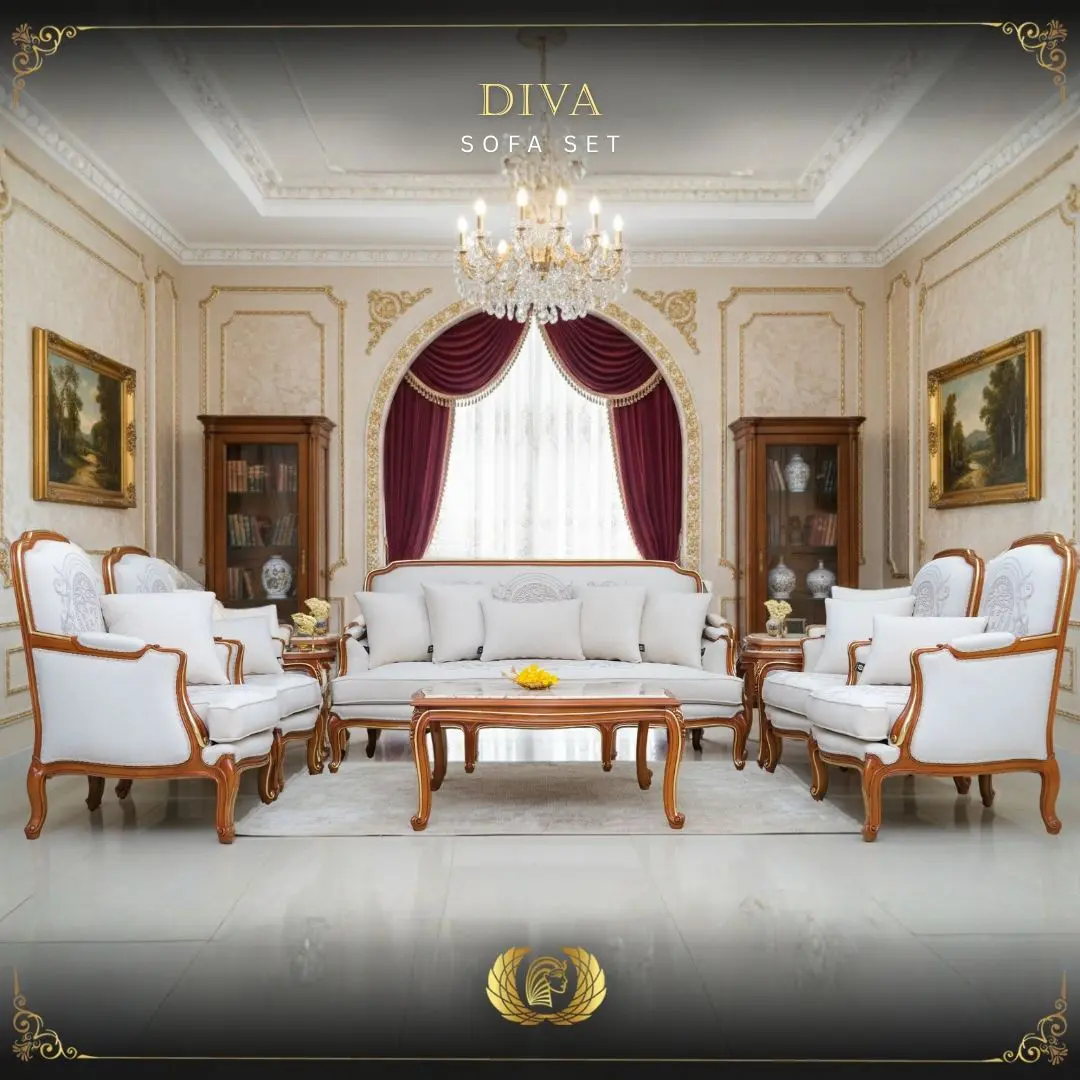
In the world of luxury interiors, handmade furniture occupies a distinct and respected position. It is more than just a functional object; it is an expression of craftsmanship, material integrity, and design intention. Unlike mass-produced alternatives that prioritize speed and uniformity, handmade furniture reflects the patience, skill, and artistry of furniture artisans who shape each piece with precision and care. This difference is not merely aesthetic—it influences durability, emotional value, and the overall character of a home.
For discerning homeowners in the U.S. luxury furniture market, the appeal of handmade furniture lies in its ability to bridge tradition and modern living. Each piece carries the subtle imprint of human craftsmanship, whether through hand-applied finishes, carefully selected solid wood, or traditional joinery techniques such as mortise and tenon or dovetail construction. These elements create furniture that is not only visually refined but structurally enduring.
Brands like Mobilia Cleopatra exemplify this philosophy by focusing on bespoke interiors and handcrafted furniture collections that prioritize quality over quantity. In a market saturated with disposable furnishings, handmade furniture stands as an investment in longevity, individuality, and timeless design. Understanding its benefits allows homeowners and designers to make more informed decisions when shaping spaces that are meant to last for generations.
What Makes Handmade Furniture Different from Mass-Produced Pieces
Handmade furniture is fundamentally defined by its human-centered production process. Unlike factory-made pieces that rely heavily on automation and standardized molds, artisan-crafted furniture is shaped by skilled hands that respond to the natural characteristics of each material. This creates subtle variations that make every piece unique, reinforcing its identity within luxury interiors.
The role of artisan craftsmanship in luxury furniture is central to this distinction. Furniture artisans carefully select materials such as solid oak, walnut, or mahogany, paying close attention to grain patterns, density, and structural integrity. These decisions influence not only the appearance but also the performance of the final piece. The result is furniture that feels intentional, balanced, and deeply connected to natural materials.
In contrast, factory production often prioritizes efficiency and cost reduction. While this allows for mass availability, it can compromise material quality and structural depth. Engineered woods, synthetic finishes, and automated assembly lines tend to produce uniformity rather than individuality. As a result, mass-produced furniture often lacks the character and longevity found in bespoke craftsmanship.
Handmade furniture also supports greater design freedom. Without the constraints of mass production molds, artisans can adapt proportions, detailing, and finishes to suit specific interiors. This flexibility allows for truly bespoke furniture that aligns with architectural context and personal style, making it especially valuable in luxury residential design.

Benefits of Handmade Furniture
The Lasting Durability of Handmade Furniture
One of the most compelling benefits of handmade furniture is its exceptional durability. Built with precision and high-quality materials, these pieces are designed to withstand decades of use while maintaining structural integrity and aesthetic appeal. This longevity is a direct result of thoughtful construction methods and material selection.
Solid wood construction plays a central role in this durability. Materials like walnut, oak, and teak offer natural strength and stability, resisting warping and wear over time when properly treated. Unlike composite materials, solid wood can age gracefully, developing a patina that enhances its visual depth and character.
Equally important is the use of handcrafted joinery. Techniques such as mortise and tenon and dovetail joints create strong mechanical connections that do not rely solely on adhesives or fasteners. These traditional methods distribute weight evenly and improve structural resilience, ensuring that furniture remains stable even after years of use.
Hand sanding, precise calibration, and multiple stages of finishing further contribute to durability. Each surface is refined to enhance both touch and resistance, while protective finishes help guard against moisture, scratches, and environmental changes. This level of attention is rarely found in mass-produced furniture, making handmade pieces a superior long-term choice for luxury interiors.
Why Handmade Furniture Is a Long-Term Investment
Handmade furniture is often viewed as an investment rather than a simple purchase. Its value extends beyond immediate function, offering long-term returns in durability, aesthetics, and emotional significance. Unlike fast furniture, which may require frequent replacement, handcrafted pieces are designed to endure both physically and stylistically.
Heirloom-quality furniture is a key concept in this context. These pieces are built to be passed down through generations, retaining both structural integrity and design relevance. This generational value transforms furniture into a form of legacy, especially when crafted with timeless design principles and premium materials.
From a financial perspective, handmade furniture also offers a lower cost-per-year of ownership. While the initial investment may be higher, its extended lifespan reduces the need for replacement or repair. Over time, this makes it more economical than lower-quality alternatives that degrade quickly.
Luxury homeowners increasingly recognize this value proposition, especially when working with brands like Mobilia Cleopatra that emphasize bespoke craftsmanship. Investing in custom furniture ensures not only aesthetic alignment with interior design goals but also long-term satisfaction and reduced environmental waste.
Benefits of Handmade Furniture
Customization and Bespoke Design Freedom
One of the defining advantages of handmade furniture is the ability to customize every aspect of its design. From dimensions and proportions to materials and finishes, bespoke furniture allows homeowners to create pieces that integrate seamlessly into their living spaces.
Custom luxury furniture is particularly valuable in residential interiors where spatial constraints and design vision must align. Whether it is a handcrafted dining table sized for a specific room or a tailored sofa designed to complement architectural lines, customization ensures harmony between furniture and environment.
Material selection further enhances this flexibility. Clients can choose from solid oak, walnut, marble accents, or brass hardware depending on their desired aesthetic. Finishes such as matte staining, natural oiling, or high-gloss polishing allow for additional personalization, ensuring that each piece reflects individual taste.
This level of design freedom is rarely available in mass-market furniture. Instead, it is a hallmark of artisan craftsmanship, where furniture is treated as a collaborative process between designer, artisan, and client. The result is not just furniture, but a curated interior expression.
The Role of Artisan Craftsmanship in Luxury Interiors
Artisan craftsmanship plays a defining role in shaping luxury interiors. It introduces depth, texture, and authenticity into spaces that might otherwise feel uniform or impersonal. Each handcrafted piece carries subtle imperfections that signal human involvement, enhancing its visual and emotional appeal.
Furniture artisans rely on traditional woodworking techniques that have been refined over generations. These methods emphasize precision, patience, and respect for materials. The result is furniture that feels grounded and intentional, rather than mass-produced or artificial.
In luxury interior design, craftsmanship also enhances aesthetics. Details such as carved accents, hand-finished surfaces, and custom upholstery contribute to a layered visual experience. These elements interact with lighting, architecture, and décor to create cohesive and immersive environments.
Brands like Mobilia Cleopatra integrate artisan craftsmanship into their design philosophy, ensuring that each piece contributes meaningfully to the overall interior narrative. This approach elevates furniture from functional objects to essential components of design storytelling.
Benefits of Handmade Furniture
Sustainable Benefits of Handmade Furniture
Sustainability is an increasingly important consideration in luxury furniture design, and handmade furniture offers clear advantages in this area. Because it is produced in smaller quantities with greater attention to material sourcing, it naturally reduces environmental impact.
Sustainable sourcing practices ensure that woods such as oak, walnut, and teak are selected responsibly. Many artisans prioritize certified suppliers and reclaimed materials, reducing deforestation and promoting ecological balance.
Artisanal production methods also minimize waste. Unlike mass production, which often generates excess material through standardized cutting processes, handmade furniture is crafted with precision to maximize resource efficiency. Offcuts are frequently reused or repurposed, further reducing environmental footprint.
Additionally, the longevity of handmade furniture contributes to sustainability. Because these pieces are designed to last for decades, they reduce the cycle of consumption and disposal associated with fast furniture. This makes them a more environmentally responsible choice for modern luxury homeowners.
Materials That Define Premium Handmade Furniture
Material selection is one of the most important aspects of handmade furniture. Premium hardwoods such as solid oak, walnut, mahogany, and teak are commonly used for their strength, durability, and visual richness. Each wood type offers distinct grain patterns and tonal qualities that contribute to the uniqueness of every piece.
Beyond wood, luxury handmade furniture often incorporates natural stone, marble accents, and brass hardware. These materials add contrast, texture, and refinement, enhancing both structural and aesthetic value.
Upholstery materials such as genuine leather, velvet, and linen fabric further elevate comfort and style. When combined with hand-forged metal elements, they create a balanced interplay between softness and strength, tradition and modernity.
The careful selection and combination of these materials reflect the expertise of furniture artisans, ensuring that each piece aligns with both functional and aesthetic expectations in luxury interiors.
Joinery and Construction Techniques That Ensure Quality
The strength of handmade furniture lies in its construction techniques. Traditional joinery methods such as mortise and tenon and dovetail joints provide exceptional structural stability without relying heavily on modern adhesives. These techniques have been used for centuries and remain a hallmark of fine furniture making.
Hand sanding and carving further refine each piece, ensuring smooth surfaces and detailed finishes. Precision woodworking allows artisans to maintain exact proportions and structural balance, while custom upholstery techniques ensure comfort and durability.
These construction methods not only enhance longevity but also reflect the craftsmanship behind each piece. They are a testament to the skill and discipline required to produce high-end furniture that stands the test of time.
Benefits of Handmade Furniture
Handmade Furniture for Every Luxury Space
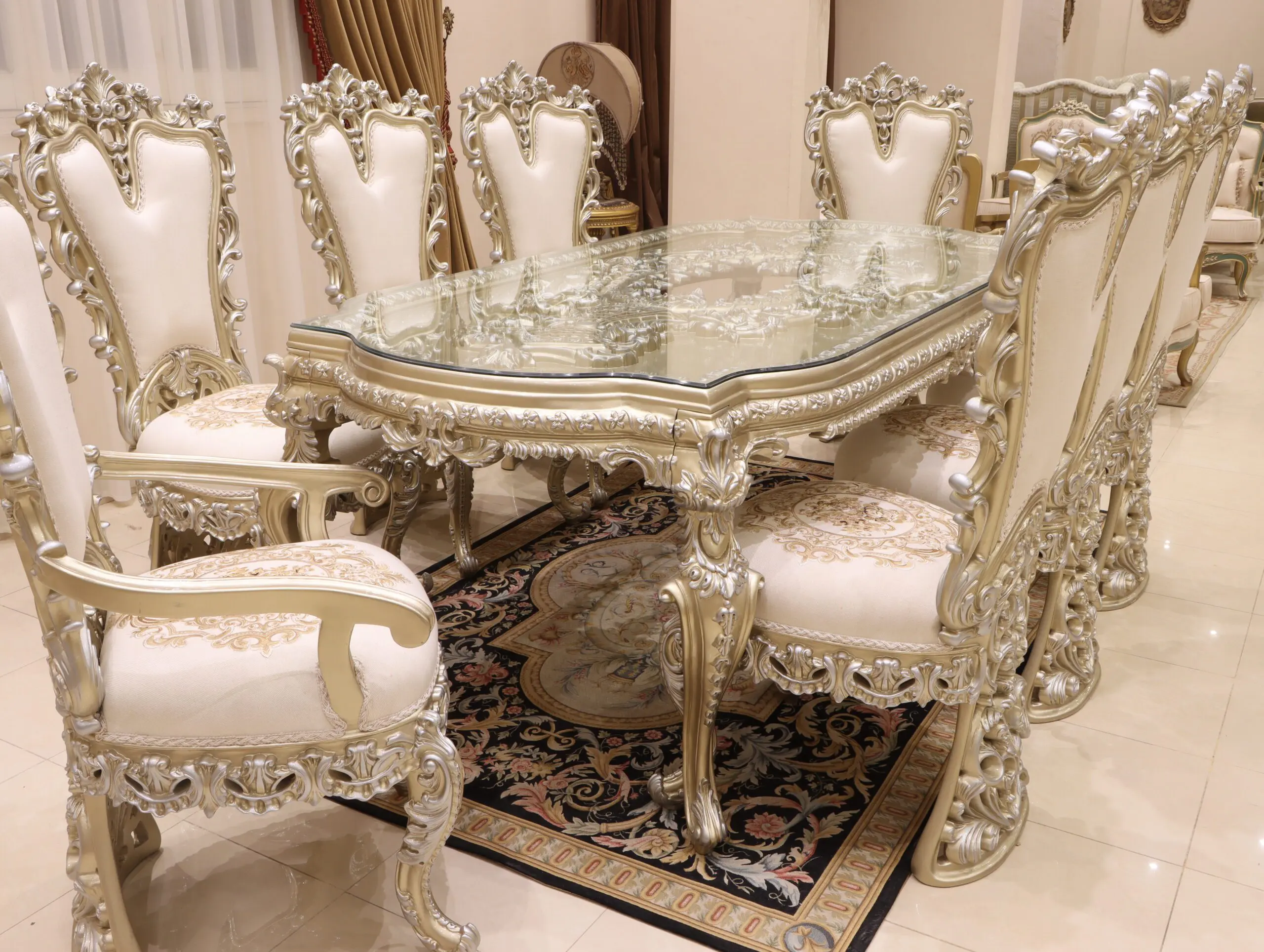
Handmade furniture adapts seamlessly to different areas of the home, offering tailored solutions for every interior space. In living rooms, handcrafted seating and tables create inviting environments that balance comfort and elegance. Dining spaces benefit from solid wood tables that serve as both functional and visual anchors.
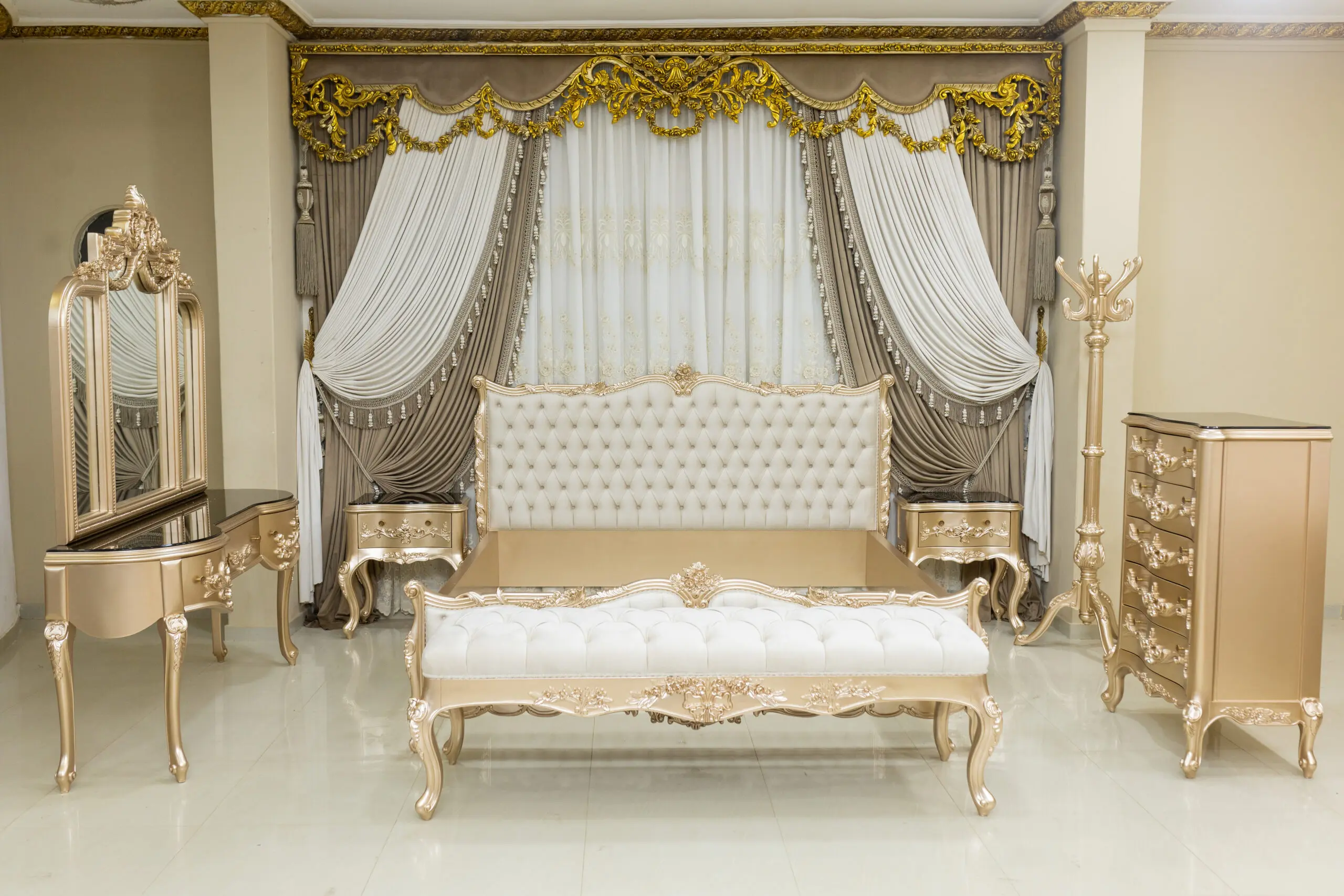
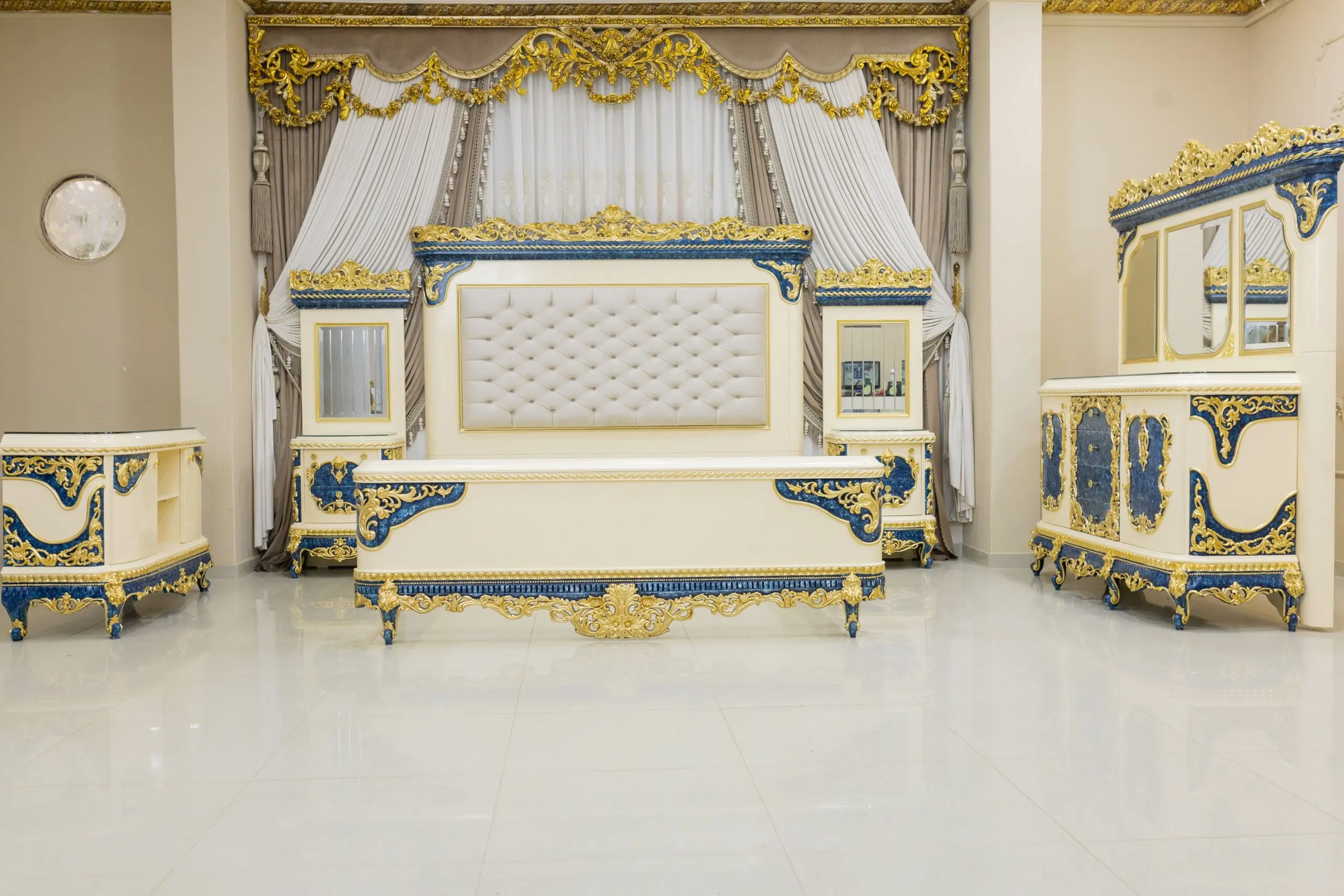
Bedrooms are enhanced by bespoke furniture that prioritizes relaxation and symmetry. Custom beds, nightstands, and storage pieces contribute to a cohesive and restful atmosphere.
Each space benefits from the uniqueness of handmade design, ensuring that interiors feel curated rather than standardized. This versatility makes handcrafted furniture an essential component of luxury home design.
Timeless Design and Interior Styling Benefits
Timeless design is one of the defining strengths of handmade furniture. Unlike trend-driven pieces, artisan-crafted furniture is designed with longevity in mind, ensuring it remains visually relevant across changing design movements.
Modern luxury interiors often blend clean lines with rich textures, while transitional spaces combine traditional and contemporary elements. Handmade furniture fits seamlessly into both approaches due to its adaptability and craftsmanship.
French-inspired and classic American luxury aesthetics particularly benefit from handcrafted detailing, which adds depth and authenticity to interior compositions. This versatility ensures that handmade furniture remains a cornerstone of enduring design.
Why Luxury Homeowners Prefer Artisan Furniture
Luxury homeowners value handmade furniture for its exclusivity and emotional resonance. Limited production ensures that each piece feels unique, avoiding the repetition found in mass-market furnishings.
There is also a strong emotional connection to craftsmanship. Knowing that a piece has been shaped by skilled artisans adds meaning and appreciation beyond its functional use. This connection transforms furniture into a personal and expressive element of the home.
How Mobilia Cleopatra Defines Premium Handmade Furniture
Mobilia Cleopatra embodies the principles of artisan craftsmanship through its commitment to bespoke furniture design and premium materials. Each piece reflects a dedication to quality, precision, and timeless aesthetics.
By focusing on handcrafted construction and personalized design solutions, the brand contributes to the evolution of luxury interiors in the U.S. market. Its approach emphasizes both functionality and artistic expression, ensuring that every piece enhances the overall living experience.
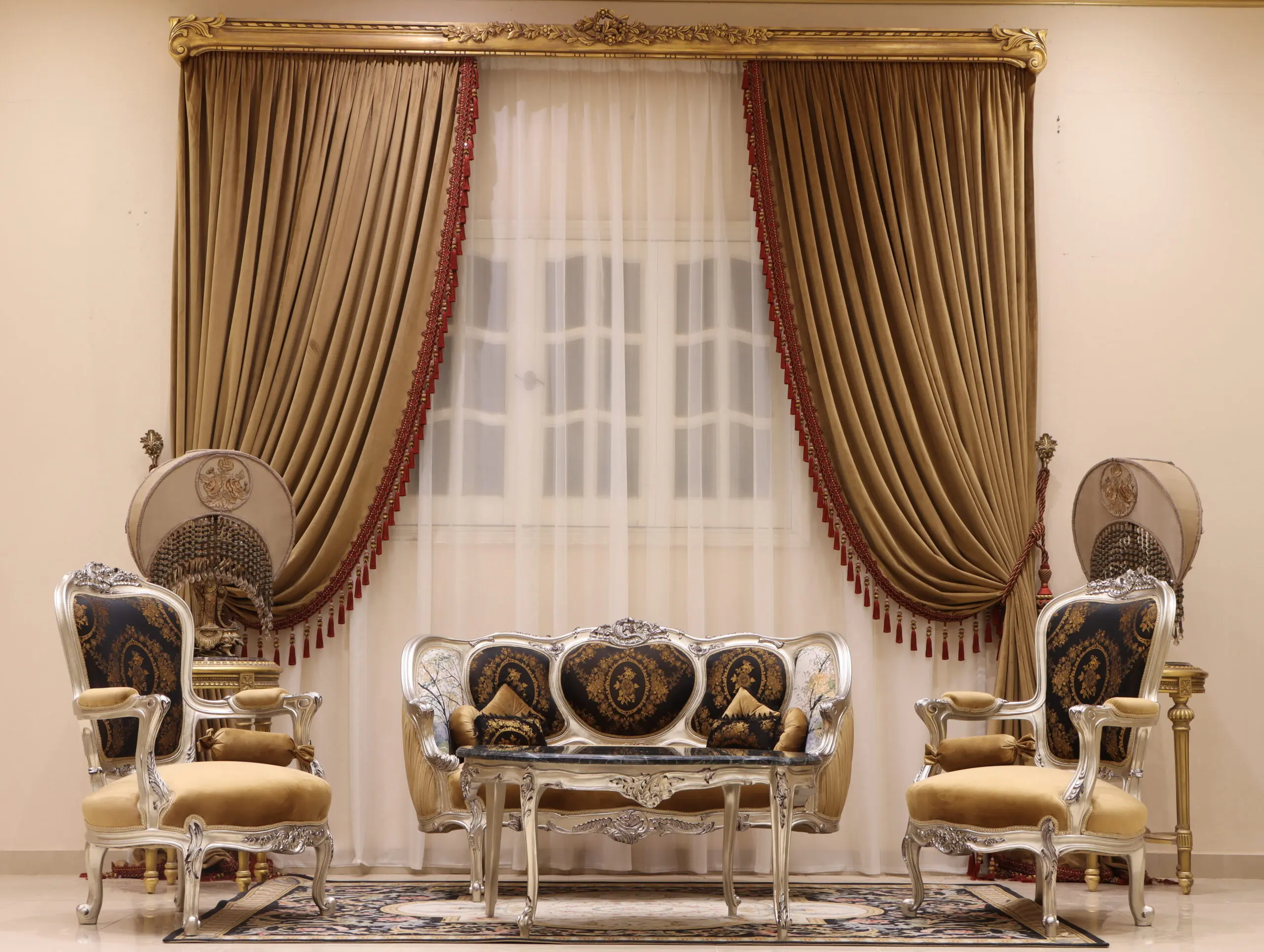
Benefits of Handmade Furniture
FAQs
Handmade furniture is often associated with quality, but many homeowners still seek clarity about its practical advantages, longevity, and customization potential. Below are answers to the most common questions.
What are the main benefits of handmade furniture?
Handmade furniture offers superior durability, customization, and design uniqueness. Each piece is crafted with attention to detail, resulting in higher quality and longer lifespan compared to mass-produced alternatives.
Why is handmade furniture better than mass-produced furniture?
It uses solid materials, traditional joinery, and artisan craftsmanship, ensuring greater strength and individuality. Mass-produced furniture often relies on engineered materials and automated processes that limit quality.
Is handmade furniture worth the investment?
Yes, because it provides long-term value through durability and timeless design. Over time, it often proves more cost-effective than repeatedly replacing lower-quality pieces.
How long does handmade furniture last compared to factory-made pieces?
With proper care, handmade furniture can last for decades or even generations, whereas factory-made furniture may require replacement within a few years.
What materials are commonly used in luxury handmade furniture?
Common materials include solid oak, walnut, mahogany, teak, marble, brass, leather, velvet, and linen, all selected for durability and aesthetic appeal.
Can handmade furniture be fully customized?
Yes, it can be tailored in size, material, finish, and design to suit specific interiors and personal preferences.
Is handmade furniture more sustainable?
Generally, yes. It uses responsibly sourced materials and produces less waste due to precise, small-scale production methods.
What makes artisan craftsmanship important in furniture design?
It ensures precision, durability, and aesthetic depth, transforming furniture into functional art pieces.
How does joinery affect the quality of handmade furniture?
Strong joinery techniques like mortise and tenon enhance structural integrity and longevity without relying solely on adhesives.
What styles work best with handmade furniture in luxury interiors?
Modern luxury, transitional, French-inspired, and classic American interiors all complement handmade furniture effectively.
How do I maintain handmade wood furniture?
Regular dusting, gentle cleaning, and periodic conditioning of wood surfaces help preserve its finish and structural integrity.
Why do luxury homeowners prefer bespoke furniture?
Because it offers exclusivity, personalization, and a deeper emotional connection to the living space.
Conclusion
Handmade furniture represents more than a design choice—it reflects a philosophy of living rooted in quality, intention, and timelessness. In a market increasingly driven by convenience and mass production, artisan-crafted furniture offers a meaningful alternative that prioritizes longevity and authenticity.
The benefits are both tangible and intangible. Structurally, handmade furniture provides superior durability through solid materials and traditional joinery. Aesthetically, it introduces depth and individuality into interiors, ensuring that each space feels curated rather than replicated. Emotionally, it creates a connection between homeowner and object that mass-produced furniture rarely achieves.
For luxury homeowners, especially those seeking refined interior environments, handmade furniture serves as a foundation for elevated living. It aligns with sustainable values, supports artisan communities, and enhances the architectural narrative of a home.
Mobilia Cleopatra continues to reflect this commitment to craftsmanship and design integrity, offering bespoke furniture solutions that embody the essence of modern luxury. In choosing handmade furniture, homeowners are not simply furnishing a space—they are investing in enduring beauty, functional artistry, and a legacy of design that transcends time.
