Free shipping · 0% for 6 months · White-glove available


How to Style a Victorian Living Room in a Modern Home: Luxury Design Ideas That Feel Timeless


Victorian interiors have long been associated with ornate furnishings, rich materials, and dramatic architectural details. Yet many homeowners today are drawn to Victorian elegance while still wanting the comfort, openness, and restraint of contemporary design. The result is one of the most compelling luxury interior trends of recent years: the modern Victorian living room.
This approach is not about recreating a museum-like Victorian parlor. Instead, it blends traditional craftsmanship, statement furniture, and historical character with cleaner layouts, lighter palettes, modern lighting, and everyday livability. A successful modern Victorian room feels layered and sophisticated rather than heavy or cluttered.
The appeal is particularly strong in luxury homes where architectural detail, quality materials, and bespoke furnishings are valued. Elements such as tufted sofas, carved wood tables, marble surfaces, brass accents, and velvet upholstery can coexist beautifully with contemporary art, streamlined shelving, and open floor plans. The key is thoughtful balance.
For homeowners seeking inspiration, the challenge is often knowing where to start. Which Victorian features are worth preserving? How much ornamentation is too much? What colors feel timeless rather than dated? This guide explores how to style a Victorian living room in a modern home by combining classic elegance with contemporary simplicity, creating a space that feels both luxurious and inviting.
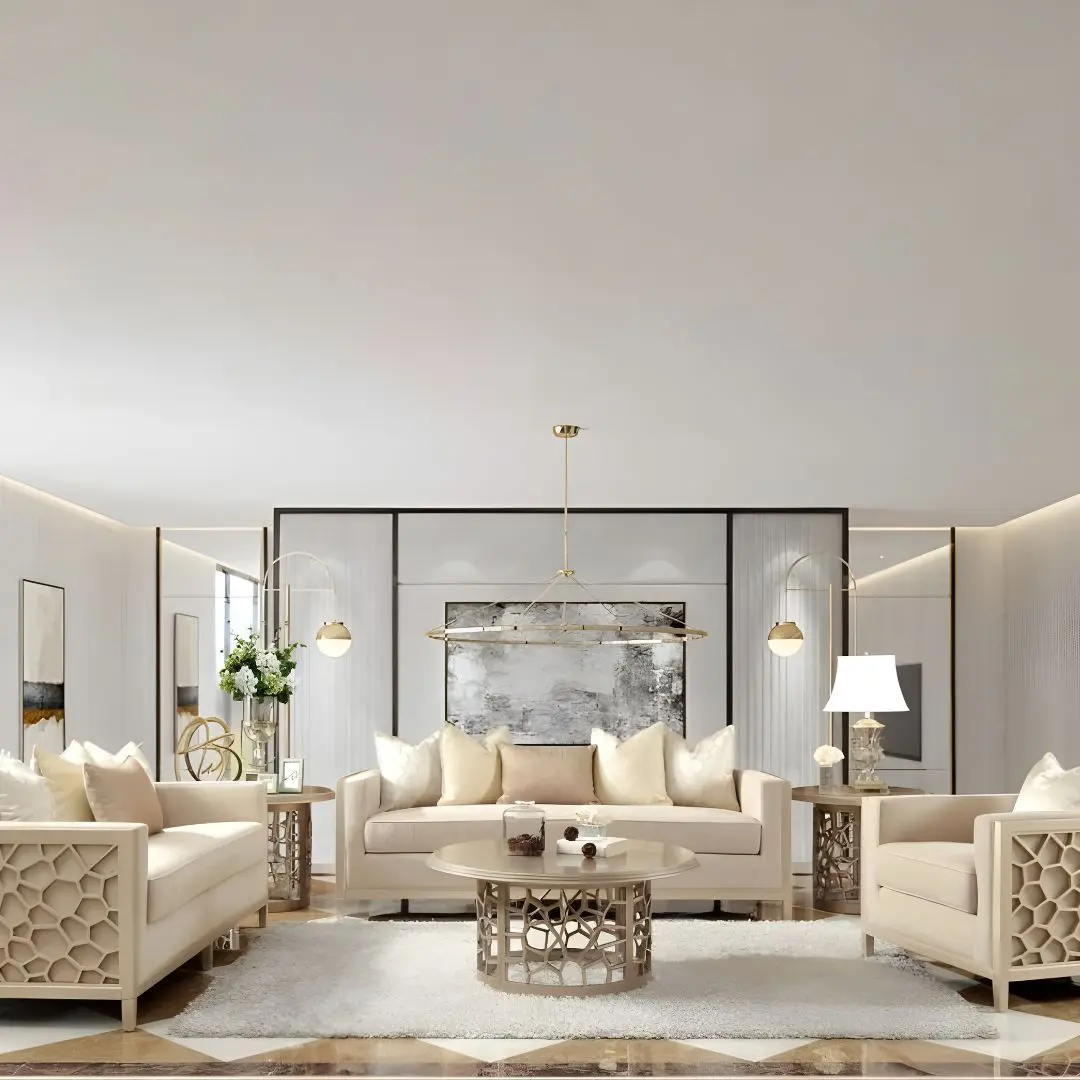
Style a Victorian Living Room in a Modern Home
What Is a Modern Victorian Living Room?
A modern Victorian living room combines the romance and craftsmanship of Victorian design with the functionality and visual clarity of contemporary interiors. Rather than reproducing a 19th-century room in exact detail, this style selectively borrows Victorian elements and pairs them with modern proportions, materials, and layouts.
Defining Modern Victorian Interior Design
The foundation of modern Victorian design is contrast. Ornate carved furniture may sit beside a minimalist coffee table. Rich velvet upholstery may be balanced with neutral walls and streamlined lighting. Traditional architectural details such as crown molding or wainscoting can coexist with contemporary artwork and open shelving.
What distinguishes this approach from traditional Victorian decorating is restraint. A modern Victorian room typically features fewer decorative objects, more intentional furniture placement, and a stronger emphasis on comfort and flow.
How Modern Homes Interpret Victorian Style
Many contemporary homes lack the elaborate architecture found in historic Victorian residences. Instead of trying to recreate every historical detail, designers often introduce Victorian character through key focal points: a tufted sofa, a carved fireplace mantel, an antique-inspired mirror, or richly layered textiles.
This selective approach allows Victorian elements to feel curated rather than overwhelming. It also makes the style adaptable to suburban homes, urban apartments, and open-concept floor plans.
Why the Style Continues to Appeal to Luxury Homeowners
Modern Victorian interiors offer something many contemporary spaces lack: warmth, texture, and personality. The combination of handcrafted furniture, rich materials, and historical references creates a sense of permanence and sophistication. For luxury homeowners, it provides an opportunity to enjoy timeless craftsmanship without sacrificing modern comfort.
Start with Victorian Architectural Details
Architectural details establish the foundation of a Victorian-inspired room. Even in a modern home, introducing a few classical elements can dramatically change the atmosphere.
Crown Molding and Ceiling Treatments
Crown molding instantly adds sophistication and visual depth. In a modern Victorian room, choose profiles that are elegant but not excessively ornate. Ceiling medallions can also highlight a chandelier while reinforcing the room’s classical character.
Wainscoting and Wall Paneling
Wall paneling creates texture and architectural interest. Painted wainscoting in warm white, soft taupe, or charcoal provides a refined backdrop for both traditional and contemporary furnishings. It adds Victorian character without requiring elaborate wallpaper throughout the room.
Fireplace Mantels as Design Anchors
A fireplace naturally becomes the focal point of a living room. Marble surrounds, carved wood mantels, and decorative trim evoke Victorian elegance while still working beautifully in contemporary interiors. Even if the home lacks an original fireplace, a custom mantel can create a strong visual anchor.
Decorative Trim and Millwork
Subtle trim details around doors, windows, and built-ins contribute to a layered, luxurious feel. The goal is not to cover every surface with ornamentation, but to introduce enough architectural richness to support the furniture and décor.
Choose Statement Victorian Furniture Pieces
Furniture is where Victorian style becomes most visible. Rather than filling the room with matching sets, focus on a few standout pieces that provide character and craftsmanship.
Victorian Sofas and Tufted Seating
A tufted sofa is often the centerpiece of a modern Victorian living room. Look for deep button tufting, curved arms, and substantial proportions. Velvet in emerald, navy, burgundy, or charcoal creates a luxurious statement, while neutral linen offers a lighter interpretation.
Accent Chairs with Traditional Character
Accent chairs can introduce Victorian influence without overwhelming the space. Wingback chairs, carved wood frames, and subtle scroll details add personality while maintaining comfort.
Coffee Tables and Side Tables
Tables provide an opportunity to showcase craftsmanship. Mahogany, walnut, and carved hardwood pieces bring warmth and history. To keep the room feeling current, pair them with simpler contemporary accessories and lighting.
Creating a Focal Point with Luxury Furniture
A common mistake is spreading Victorian elements evenly throughout the room. Instead, choose one major focal point—such as a dramatic sofa, a carved cabinet, or a marble-topped coffee table—and allow other pieces to play supporting roles.
Balance Ornate Victorian Furniture with Modern Simplicity
The success of a modern Victorian room depends on balance. Too much ornamentation can feel dated, while too much minimalism can erase the Victorian character entirely.
The 80/20 Design Approach
Many designers use an 80/20 approach: roughly 80% of the room follows a restrained contemporary framework, while 20% consists of distinctive Victorian elements. This keeps the space fresh and livable while preserving its historical inspiration.
Mixing Traditional Shapes with Contemporary Lines
Pair a tufted Victorian sofa with a streamlined modern coffee table. Combine a carved sideboard with simple contemporary artwork. The contrast between traditional curves and clean lines creates visual tension that feels sophisticated rather than nostalgic.
Avoiding Visual Clutter
Victorian interiors were historically filled with objects, but modern homes benefit from editing. Limit decorative accessories, leave breathing room around furniture, and prioritize quality over quantity. A few exceptional pieces have far more impact than a crowded collection.
Create a Sophisticated Modern Victorian Color Palette
Color is one of the most effective ways to modernize Victorian style.
Rich Jewel Tones
Traditional Victorian palettes often featured deep jewel tones such as emerald green, sapphire blue, burgundy, and plum. These colors still work beautifully today when used selectively on upholstery, drapery, or accent walls.
Modern Neutral Foundations
To keep the room feeling contemporary, build the foundation with warm neutrals: soft ivory, greige, taupe, mushroom, or charcoal. These shades allow Victorian furniture and accessories to stand out without overwhelming the space.
Layering Color for Depth and Elegance
Rather than relying on a single dramatic color, layer multiple related tones. For example, combine charcoal walls with walnut furniture, brass accents, and deep green textiles for a rich but balanced palette.
Accent Colors That Update Victorian Interiors
Unexpected accents such as muted blush, olive, or smoky blue can make Victorian-inspired spaces feel current. The goal is sophistication, not theatricality.
Incorporate Luxury Fabrics and Textures
Texture is essential to Victorian-inspired design. Layering materials creates warmth, depth, and visual interest.
Velvet and Tufted Upholstery
Velvet remains one of the signature fabrics of Victorian interiors. Its depth of color and tactile quality make it ideal for sofas, accent chairs, and ottomans. Tufted upholstery adds sculptural detail and reinforces the room’s traditional character.
Linen for Balance
Linen introduces a lighter, more relaxed element. Pairing velvet seating with linen drapery or pillows prevents the room from feeling overly formal.
Silk and Decorative Textiles
Silk, damask, brocade, and chenille can be used sparingly for cushions, window treatments, or decorative accents. These fabrics add richness without requiring an entirely traditional scheme.
Layering Rugs, Curtains, and Pillows
Layered textiles create the inviting atmosphere that distinguishes luxury interiors. A large area rug anchors the furniture arrangement, while drapery and pillows add softness and color variation.
Use Lighting to Blend Victorian and Contemporary Design
Lighting is one of the easiest ways to modernize a Victorian-inspired room.
Chandeliers as Statement Features
A chandelier provides an unmistakable sense of elegance. Crystal, brass, or bronze fixtures work especially well in Victorian-inspired interiors. Choose a design with classic proportions but a simplified silhouette to avoid excessive ornamentation.
Table Lamps and Wall Sconces
Layered lighting adds warmth and flexibility. Brass table lamps, wall sconces, and picture lights can highlight architectural details and artwork while reinforcing the room’s luxurious character.
Layered Lighting Strategies
Combine ambient, task, and accent lighting to create depth. This approach allows the room to feel intimate in the evening and bright during the day.
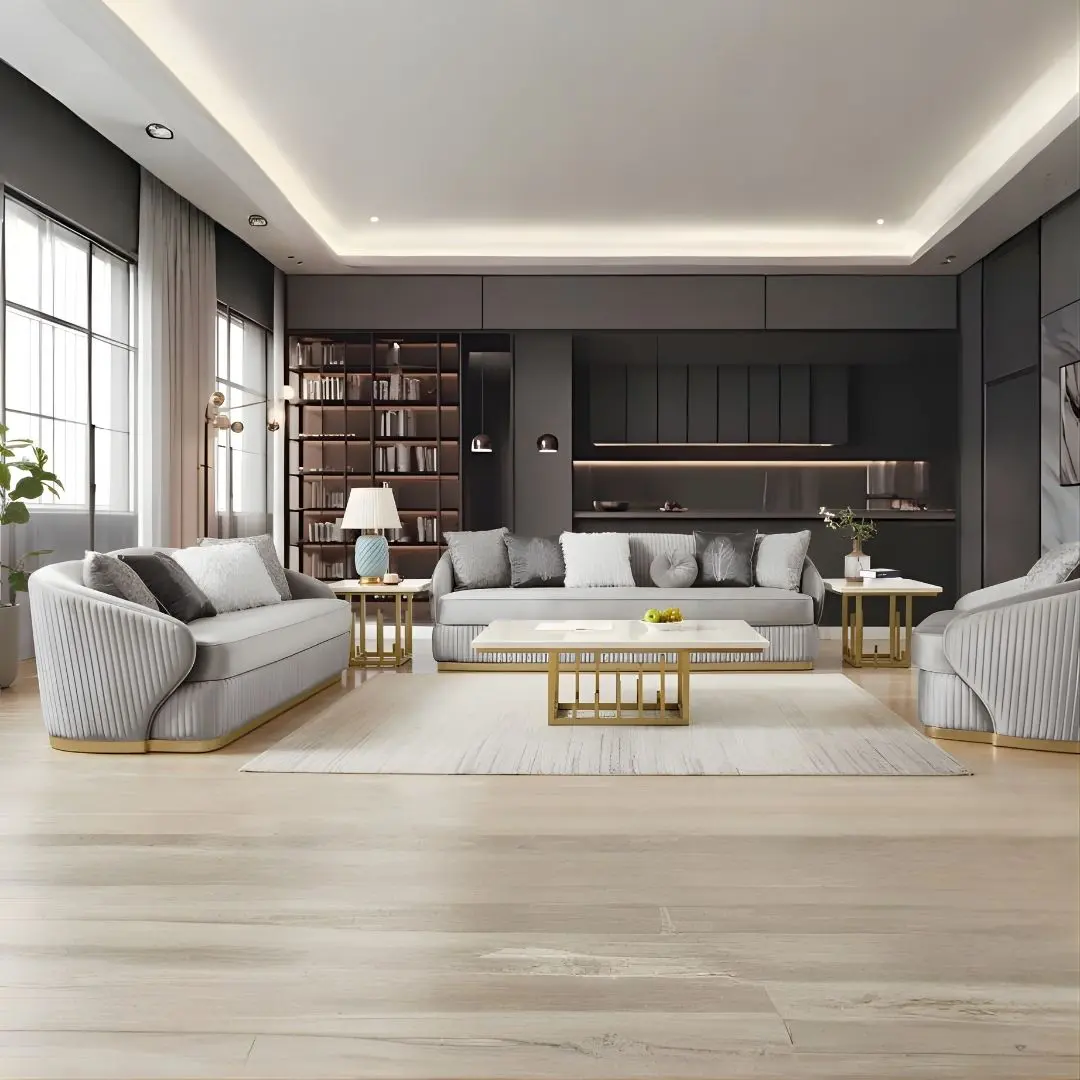
Modern Lighting in Traditional Spaces
Contemporary lighting can work surprisingly well with Victorian furniture. A minimalist floor lamp beside a tufted sofa creates a sophisticated dialogue between eras.
Add Victorian-Inspired Decorative Elements
Decorative details should support the room rather than dominate it.
Decorative Mirrors
Large mirrors with carved or gilded frames reflect light and add architectural presence. They work especially well above a fireplace mantel or console table.
Gallery Walls
A curated gallery wall can blend antique engravings, contemporary art, and black-and-white photography. The mix of old and new reinforces the modern Victorian aesthetic.
Antique-Inspired Accessories
Use a few meaningful accessories—such as brass candlesticks, marble boxes, crystal objects, or antique-style clocks—rather than filling every surface.
Styling Bookshelves and Consoles
Bookshelves should feel collected, not crowded. Mix books, sculptures, and decorative objects with open space to maintain visual clarity.
Select Materials That Reflect Victorian Luxury
Material selection has a major impact on whether a room feels authentically luxurious.
Mahogany and Walnut Furniture
Mahogany and walnut are particularly effective for Victorian-inspired interiors. Their rich tones and natural grain patterns create warmth and depth that lighter woods often cannot match.
Marble and Stone Surfaces
Marble coffee tables, fireplace surrounds, and side tables add elegance while connecting the room to classical European design traditions.
Brass and Bronze Accents
Brass, bronze, and antique gold finishes introduce warmth and sophistication. These metals pair beautifully with dark woods and jewel-toned textiles.
Decorative Wood Veneers and Inlays
Fine veneers, marquetry, and inlay work showcase craftsmanship and attention to detail. Even a single statement piece can elevate the entire room.
Designing a Victorian Living Room for Open-Concept Homes
Many modern homes feature open floor plans that differ dramatically from traditional Victorian layouts. The challenge is creating definition without sacrificing flow.
Defining Spaces with Furniture
Use sofas, rugs, and console tables to establish distinct zones. A well-positioned sofa can separate the living area from dining or kitchen spaces while maintaining openness.
Area Rugs as Visual Boundaries
A large rug helps anchor the seating arrangement and prevents furniture from feeling disconnected. Choose a rug that complements both the Victorian and contemporary elements in the room.
Maintaining Flow Without Losing Character
Limit large ornate pieces to one or two focal areas. Repeating materials—such as walnut, brass, or marble—throughout adjacent spaces helps the overall home feel cohesive.
Common Mistakes When Styling a Victorian Living Room
Several common mistakes can make a Victorian-inspired room feel heavy or outdated.
Overdecorating
Too many accessories, patterns, and decorative objects create visual noise. Edit ruthlessly and let key pieces breathe.
Using Too Many Antique Pieces
A room filled entirely with antiques can feel more like a period set than a home. Mixing antiques with contemporary furnishings creates a more balanced and livable environment.
Ignoring Scale and Proportion
Victorian furniture is often substantial. Ensure pieces are appropriately scaled for the room and leave enough circulation space between them.
Neglecting Comfort and Functionality
Luxury interiors should be comfortable as well as beautiful. Prioritize seating comfort, practical lighting, and durable materials that support everyday living.
How Custom Furniture Helps Create a Modern Victorian Living Room
Custom furniture offers unique advantages when blending Victorian style with contemporary living.
Tailoring Furniture to Contemporary Floor Plans
Modern homes often have different proportions than historic Victorian residences. Custom sofas, cabinets, and tables can be designed to fit the scale of today’s spaces while retaining traditional detailing.
Balancing Traditional Craftsmanship and Modern Comfort
Custom furniture allows homeowners to incorporate hand carving, tufting, and fine woodworking while also selecting modern cushioning, performance fabrics, and ergonomic proportions.
Investing in Long-Term Luxury
Well-crafted custom furniture is often intended to last for decades. Quality materials, traditional joinery, and skilled craftsmanship create pieces that age gracefully and remain relevant as tastes evolve.
Bringing Victorian Elegance into Today’s Luxury Homes
The enduring appeal of Victorian design lies in its celebration of craftsmanship, material richness, and architectural beauty. A modern Victorian living room succeeds when it captures those qualities without becoming overly ornate or historically rigid.
Start with strong architectural details, select a few exceptional furniture pieces, and build a restrained palette that allows textures and materials to shine. Pair tufted seating with clean-lined tables, layer velvet with linen, and balance carved wood with contemporary lighting. The result is a room that feels collected, sophisticated, and deeply personal.
For luxury homeowners, this approach offers the best of both worlds: the warmth and character of traditional design combined with the comfort and functionality of modern living. Whether the space features a dramatic mahogany sofa, a marble fireplace, or simply a few carefully chosen Victorian-inspired accents, the goal is not to recreate the past—it is to reinterpret it beautifully for the way we live today.
Frequently Asked Questions
How do you make a Victorian living room look modern?
Start by simplifying the overall composition. Keep architectural details and one or two statement Victorian furniture pieces, but pair them with contemporary lighting, neutral walls, and a cleaner furniture layout. Editing accessories and avoiding excessive ornamentation helps the room feel current.
What colors work best in a modern Victorian living room?
Rich jewel tones such as emerald, navy, burgundy, and deep green work well when balanced with warm neutrals like ivory, greige, taupe, and charcoal. This combination preserves Victorian richness while maintaining a modern atmosphere.
Can Victorian furniture work in a contemporary home?
Yes. Victorian furniture often becomes a striking focal point in contemporary interiors. The key is contrast: pair traditional pieces with simpler modern elements so the room feels intentional rather than overly themed.
What defines modern Victorian interior design?
Modern Victorian design blends Victorian craftsmanship, ornamentation, and luxurious materials with contemporary simplicity, open layouts, and functional living. It is less about historical accuracy and more about creating a sophisticated mix of old and new.
How much Victorian furniture should be used in a modern living room?
Most successful rooms use Victorian furniture selectively. One major statement piece—such as a tufted sofa, carved cabinet, or ornate coffee table—combined with more restrained furnishings usually creates better balance than filling the room with matching Victorian pieces.
What fabrics are commonly used in Victorian-style interiors?
Velvet, silk, damask, brocade, and chenille are classic Victorian-inspired fabrics. In modern interpretations, these are often balanced with linen or other lighter textures to keep the room feeling relaxed and livable.
Are chandeliers necessary for a Victorian living room?
No, but they are highly effective. A chandelier adds elegance and reinforces the room’s traditional character. Contemporary chandeliers with simplified silhouettes can work particularly well in modern Victorian spaces.
What is the best sofa style for a modern Victorian living room?
A tufted sofa with classic curves and comfortable proportions is often the strongest choice. Velvet upholstery in a rich color creates a luxurious focal point, while neutral upholstery offers a more understated interpretation.
How do you prevent a Victorian living room from feeling outdated?
Limit decorative clutter, mix antique-inspired pieces with contemporary furnishings, use a restrained color palette, and incorporate modern lighting. Negative space is just as important as ornamentation in a modern Victorian room.
What materials are most associated with Victorian luxury interiors?
Mahogany, walnut, marble, brass, bronze, crystal, velvet, and fine wood veneers are among the materials most commonly associated with Victorian luxury. These materials add depth, texture, and a sense of craftsmanship.
Can a Victorian living room work in an open-concept floor plan?
Absolutely. Use furniture placement and area rugs to define the living zone. Limiting large ornate pieces to a few focal areas helps maintain flow while preserving Victorian character.
Is custom furniture a good option for modern Victorian interiors?
Yes. Custom furniture allows homeowners to adapt Victorian-inspired detailing to contemporary room sizes, comfort requirements, and lifestyles. It is often the most effective way to achieve a balanced blend of traditional craftsmanship and modern functionality.
