Free shipping · 0% for 6 months · White-glove available


Is Traditional Furniture Expensive? Cost, Quality & Long-Term Value Guide

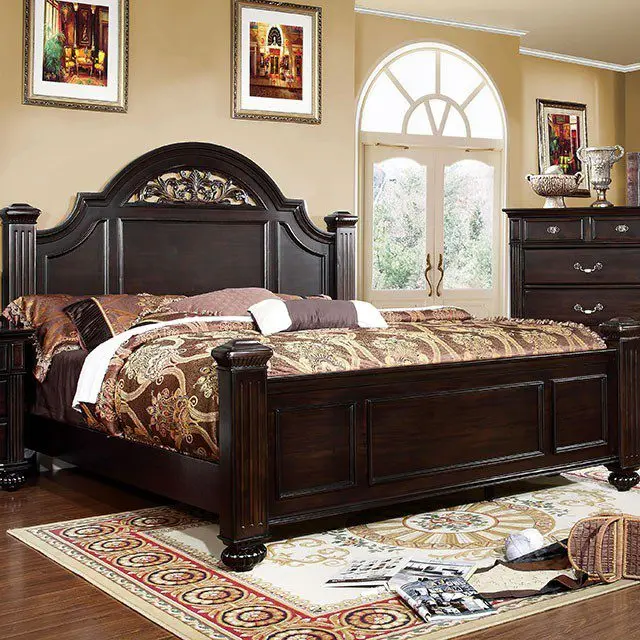
Traditional furniture has long been associated with elegance, craftsmanship, and enduring design. Yet for many homeowners, the first encounter with a handcrafted dining table, an heirloom-quality bedroom suite, or a finely upholstered traditional sofa often raises the same question: is traditional furniture expensive, and if so, why?
The answer is more nuanced than a simple price comparison. Traditional furniture frequently costs more than mass-produced alternatives because it is built differently. The materials are often superior, the construction methods more labor-intensive, and the production process significantly longer. In many cases, traditional furniture is designed to last for decades rather than years, making its value proposition fundamentally different from lower-priced furniture intended for short-term use.
Price alone rarely tells the complete story. A handcrafted walnut dining table built with mortise-and-tenon joinery and finished by skilled artisans may cost substantially more than a factory-produced counterpart made from engineered wood. However, the traditional piece may also offer greater durability, repairability, design longevity, and resale potential over its lifetime.
For discerning homeowners, interior designers, and collectors of fine furnishings, understanding what drives traditional furniture pricing is essential. Materials, craftsmanship, customization options, manufacturing standards, and long-term ownership costs all play important roles in determining value.
This guide explores why traditional furniture often commands premium prices, how luxury furniture is constructed, what separates genuine quality from marketing claims, and whether investing in handcrafted traditional furniture is truly worth the cost. By understanding the factors behind pricing, buyers can make more informed decisions and recognize the lasting value that exceptional furniture can provide.
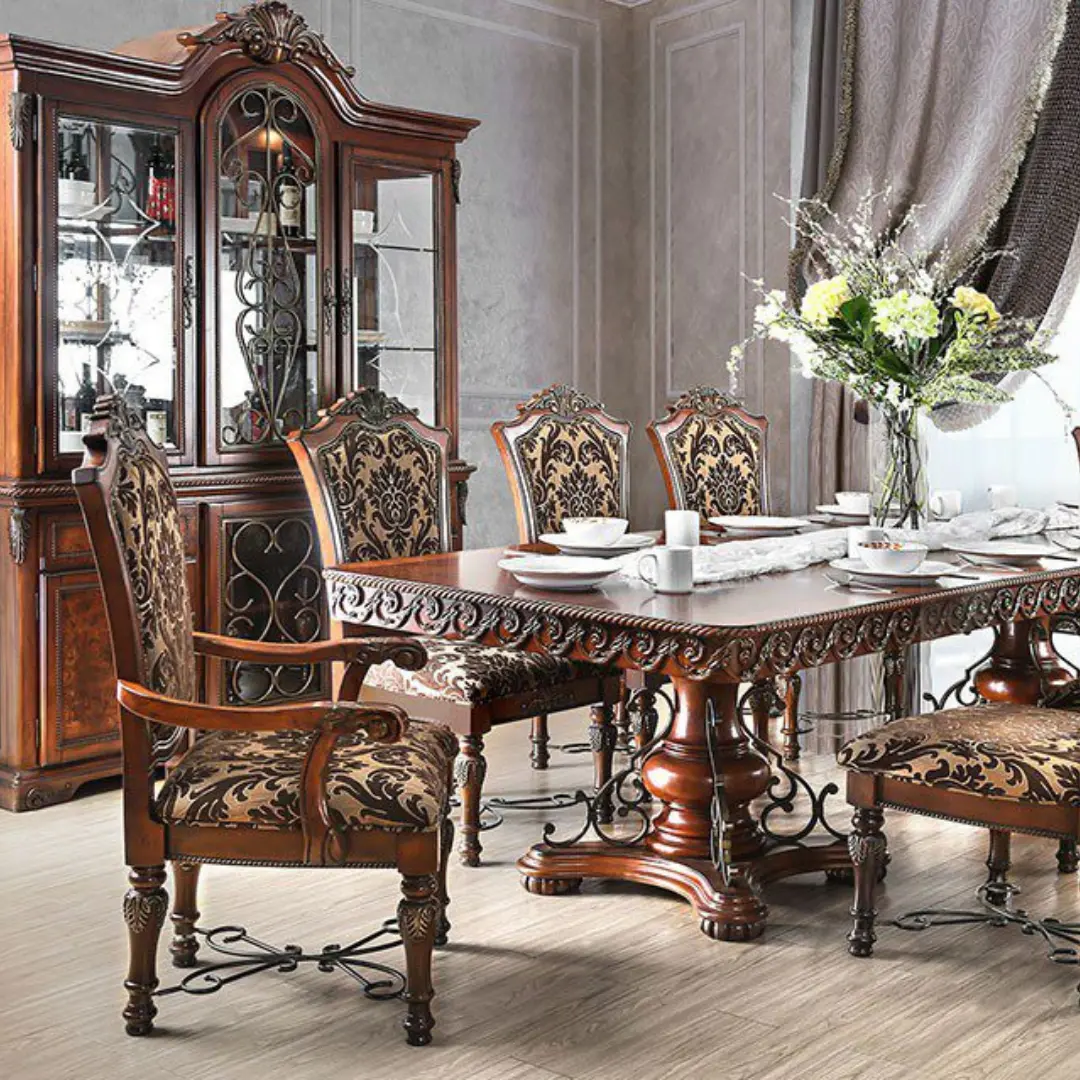
Is Traditional Furniture Expensive?
The Short Answer: Why Traditional Furniture Costs More
Traditional furniture is often expensive because it prioritizes quality over production efficiency. Unlike mass-market furniture designed for rapid manufacturing, traditional furnishings typically require superior materials, specialized craftsmanship, and extended production schedules.
Higher Materials Standards
Luxury traditional furniture frequently incorporates premium hardwoods such as solid mahogany, walnut, cherry, oak, maple, and beech. These materials cost significantly more than particleboard, MDF, or lower-grade engineered wood products commonly used in budget furniture.
Beyond structural materials, premium furniture may include matched burl wood veneers, hand-selected grain patterns, solid brass hardware, natural stone surfaces, and high-performance upholstery fabrics. Each component contributes to both durability and aesthetic refinement.
Skilled Craftsmanship Requirements
Traditional furniture construction relies heavily on skilled labor. Cabinetmakers, woodworkers, upholsterers, finish specialists, and artisans often spend dozens or even hundreds of hours creating a single piece.
Techniques such as hand carving, custom upholstery tailoring, marquetry, inlay work, and intricate joinery cannot be replicated through fully automated production. The expertise required to execute these details contributes substantially to overall cost.
Longer Production Timelines
Many premium traditional furniture pieces are built to order rather than mass-produced. This manufacturing approach allows for greater customization and quality control but requires more time.
Wood must be properly dried and conditioned. Finishes often require multiple applications and curing periods. Upholstered pieces demand careful tailoring and fitting. These longer production cycles increase labor and operational costs while delivering a higher-quality finished product.
Ultimately, when consumers ask why traditional furniture is expensive, they are often paying for superior materials, artisan craftsmanship, and a manufacturing process focused on longevity rather than volume.
What Determines Traditional Furniture Pricing?
Traditional furniture pricing is influenced by several interconnected factors, each contributing to both quality and long-term performance.
Material Selection
Wood species represent one of the most significant pricing variables. Solid mahogany remains highly valued for its stability, rich color, and carving characteristics. Walnut offers distinctive grain patterns and exceptional strength, while cherry develops a coveted patina over time. Oak provides durability and structural integrity, while maple and beech are prized for consistency and resistance to wear.
Decorative veneers also affect pricing. High-quality burl wood veneers require careful matching and placement to create symmetrical patterns, a process demanding considerable skill and material selection.
Construction Techniques
Construction quality often separates premium furniture from mass-produced alternatives. Traditional furniture makers frequently utilize mortise-and-tenon joinery, dovetail joinery, frame reinforcement systems, and kiln-dried hardwood construction.
These techniques create stronger connections between components, reducing the likelihood of structural failure over time. Proper joinery requires precision machining and expert assembly, increasing production costs but substantially improving durability.
Finishing Processes
Furniture finishing is frequently underestimated as a pricing factor. Luxury furniture may undergo multiple stages of sanding, staining, sealing, and polishing before completion.
French polishing, hand-applied finishes, gilding, and veneer matching require extensive labor and experience. Unlike sprayed factory coatings designed primarily for speed, hand-finished surfaces enhance depth, clarity, and visual sophistication while offering greater opportunities for restoration in the future.
When evaluating traditional furniture pricing, buyers should view materials, construction methods, and finishing quality as investments in durability and craftsmanship rather than isolated cost components.
Solid Wood Furniture vs Engineered Furniture: The Biggest Price Difference
One of the most important distinctions in furniture pricing involves the difference between solid wood furniture and engineered wood construction.
Material Costs
Solid hardwood is inherently more expensive than engineered alternatives. Premium lumber requires harvesting, drying, grading, milling, and conditioning before furniture production begins. Material waste during manufacturing also increases costs because natural wood contains variations in grain, knots, and coloration.
Engineered materials, by contrast, maximize manufacturing efficiency and minimize waste, resulting in significantly lower production expenses.
Durability Differences
Furniture longevity often correlates directly with material quality. Properly constructed solid wood furniture can withstand decades of daily use while maintaining structural integrity. Engineered products generally perform adequately under normal conditions but may be more susceptible to moisture damage, joint failure, or surface deterioration over time.
Repairability and Restoration
Perhaps the greatest long-term advantage of solid wood traditional furniture is repairability. Scratches, dents, worn finishes, and minor damage can frequently be repaired through refinishing, restoration, or component replacement.
Engineered furniture often lacks this flexibility. Surface veneers may be difficult to refinish, and structural failures can be challenging or impossible to repair economically.
For homeowners evaluating traditional furniture quality versus price, solid wood construction often represents one of the strongest indicators of long-term value.
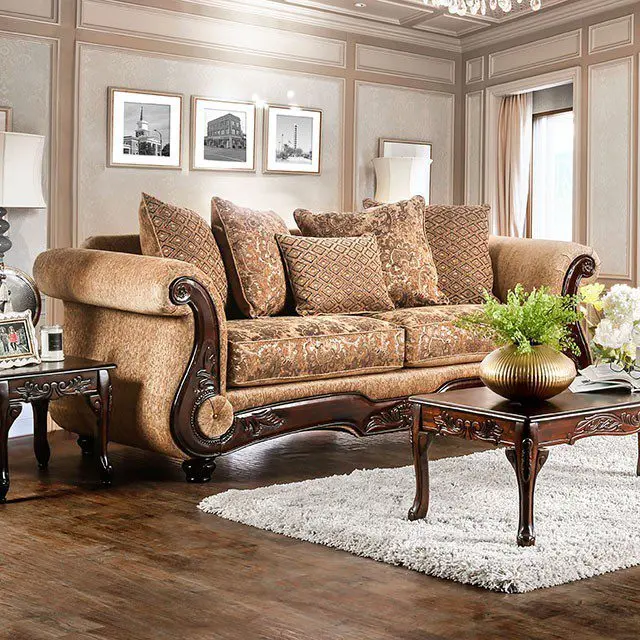
Is Traditional Furniture Expensive?
How Craftsmanship Influences the Cost of Traditional Furniture
Craftsmanship remains one of the defining characteristics of premium traditional furniture. While materials establish the foundation, skilled execution transforms raw components into enduring furnishings.
Hand Carving
Hand carving introduces depth, individuality, and artistic expression that machine production rarely achieves. Decorative moldings, floral motifs, acanthus leaves, scrollwork, and architectural detailing require extensive training and manual precision.
Artisan Woodworking
Artisan production involves meticulous fitting, assembly, and finishing techniques. Experienced woodworkers understand wood movement, grain orientation, structural engineering, and aesthetic proportion.
These skills contribute directly to furniture performance, ensuring drawers operate smoothly, doors align correctly, and structural components remain stable over time.
Upholstery Tailoring
Premium upholstery requires far more than fabric application. Skilled upholsterers carefully construct frames, suspension systems, cushioning layers, and tailored coverings. Pattern alignment, seam placement, and fabric tension all influence the final appearance and longevity of upholstered furniture.
Marquetry and Inlay Work
Marquetry involves creating decorative patterns using contrasting wood species and veneers. Inlay work may incorporate brass, mother-of-pearl, stone, or exotic materials.
These highly specialized techniques require extraordinary precision and significantly increase labor investment. As a result, furniture featuring extensive decorative detailing often commands premium pricing.
When consumers compare handcrafted traditional furniture with mass-produced alternatives, craftsmanship frequently explains much of the price difference.
Custom Furniture vs Ready-Made Furniture: What Are You Paying For?
Custom traditional furniture provides levels of personalization unavailable through standard retail offerings.
Design Personalization
Custom furniture allows clients to modify dimensions, proportions, silhouettes, decorative details, and stylistic elements to suit specific spaces and design objectives.
Made-to-Order Manufacturing
Unlike inventory-based production, made-to-order furniture begins after an order is placed. This approach reduces warehousing requirements while enabling greater quality oversight throughout manufacturing.
Material Customization
Clients may select wood species, finishes, upholstery fabrics, decorative hardware, trim details, and specialty features. These options allow furniture to complement existing interiors while reflecting personal preferences.
Limited Production Runs
Many bespoke traditional furniture programs operate in small production volumes. Limited runs provide greater attention to detail but eliminate the economies of scale available to mass-market manufacturers.
Custom-made traditional furniture costs more because it combines specialized design services, premium materials, individualized production, and greater artisan involvement throughout the manufacturing process.
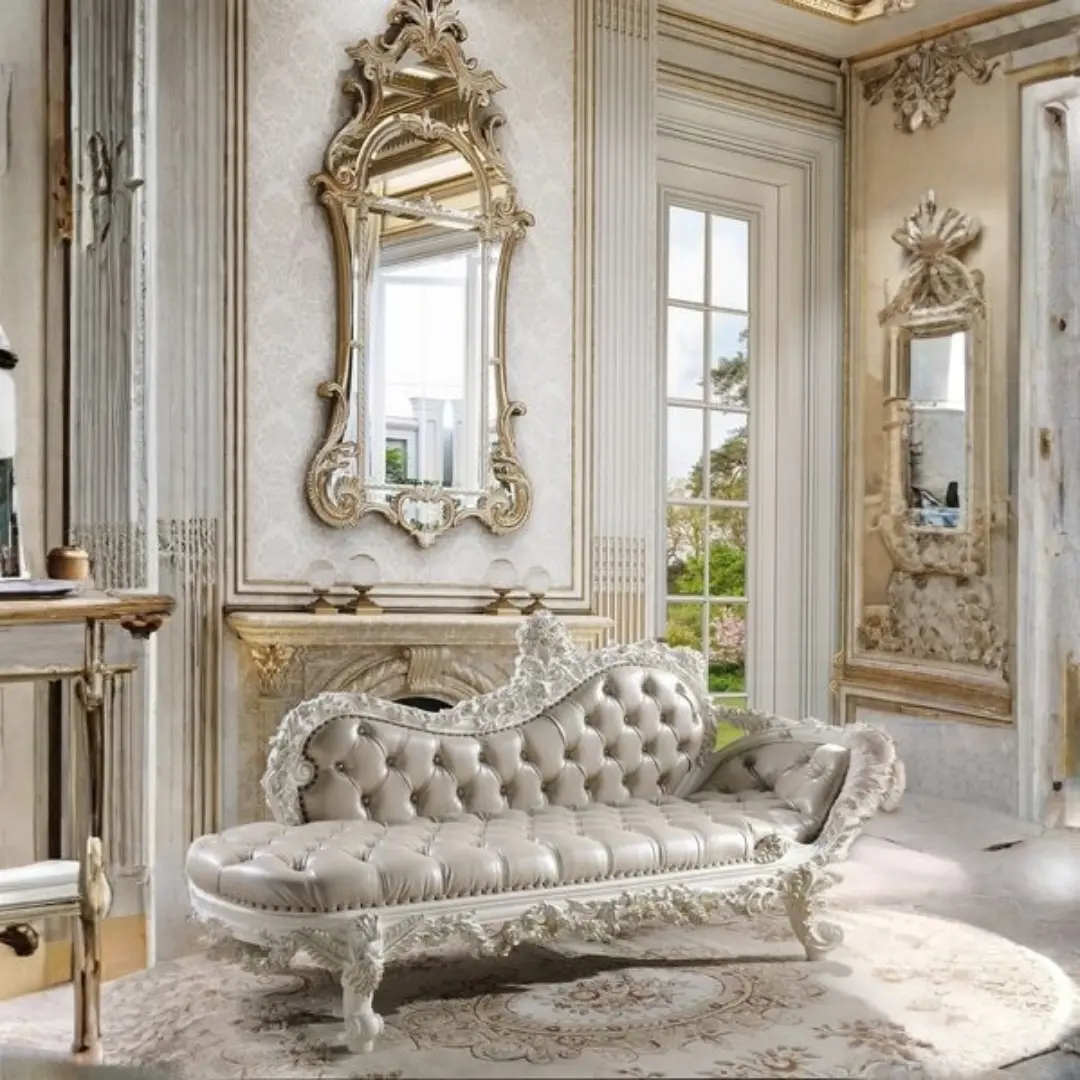
Is Traditional Furniture Expensive?
Traditional Furniture Styles That Typically Command Premium Prices
Certain traditional furniture styles consistently command higher prices due to their complexity, historical influence, and craftsmanship requirements.
Louis XV Style
Characterized by flowing curves, cabriole legs, intricate carving, and elegant ornamentation, Louis XV furniture often requires extensive handwork and sophisticated joinery.
Louis XVI Style
Louis XVI designs emphasize symmetry, classical motifs, fluted details, and refined proportions. Precision craftsmanship is essential to preserve the style’s architectural elegance.
French Provincial
French Provincial furniture combines rustic warmth with sophisticated detailing. Curved forms, carved accents, and decorative finishes contribute to elevated production costs.
Victorian Furniture
Victorian pieces frequently incorporate elaborate carving, heavy ornamentation, tufted upholstery, and decorative embellishments that require substantial labor investment.
English Traditional Furniture
English traditional furnishings often feature rich hardwoods, timeless silhouettes, and meticulous construction standards emphasizing durability and comfort.
Neoclassical Design
Neoclassical furniture draws inspiration from ancient Greek and Roman architecture, incorporating columns, geometric motifs, symmetry, and refined decorative elements.
These heritage-inspired furniture styles often require specialized craftsmanship that naturally contributes to premium pricing.
Traditional Living Room Furniture Prices Explained
Living room furnishings represent some of the most significant investments within traditional interiors.
Sofas and Upholstered Seating
High-quality traditional sofas command premium prices due to hardwood frames, advanced suspension systems, premium cushioning materials, and tailored upholstery. Hand-applied details such as tufting, nailhead trim, and decorative skirts further increase labor requirements.
Coffee Tables
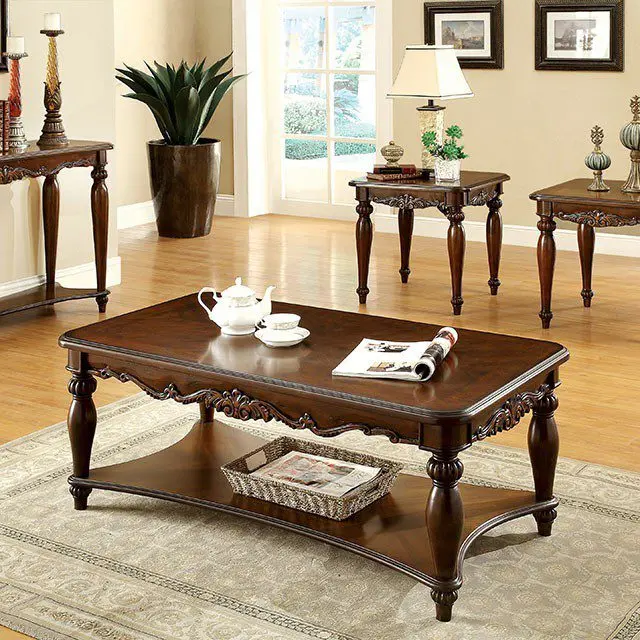
Traditional coffee tables constructed from solid hardwoods, decorative veneers, or stone surfaces often involve complex joinery and finishing techniques that elevate costs beyond mass-produced alternatives.
Consoles and Display Cabinets
Display cabinets and console tables frequently incorporate glasswork, decorative moldings, inlays, and custom finishes. Their combination of functional storage and decorative craftsmanship contributes to higher pricing.
Accent Chairs
Accent chairs require both structural engineering and upholstery expertise. Hand-carved frames, custom fabrics, and premium cushioning systems significantly influence final costs.
Luxury living room furniture prices vary widely, but superior construction and craftsmanship often justify the investment through enhanced durability and enduring design appeal.
What Does Traditional Bedroom Furniture Typically Cost?
Bedroom furniture combines aesthetic sophistication with everyday functionality, making quality particularly important.
Beds
Traditional beds often serve as focal points within luxury bedrooms. Upholstered headboards, carved wood frames, canopy structures, and custom finishes contribute substantially to pricing.
Dressers
Premium dressers utilize solid hardwood construction, dovetail drawer joinery, reinforced casework, and carefully engineered drawer systems designed for smooth operation over decades.
Nightstands
Although smaller in scale, nightstands require the same level of craftsmanship and construction quality as larger pieces. Material consistency and finish matching also influence costs.
Armoires
Armoires remain among the most complex traditional bedroom furnishings. Interior storage systems, large-scale doors, decorative moldings, and structural reinforcement all contribute to higher production expenses.
Investing in premium traditional bedroom furniture often results in greater durability, improved functionality, and a cohesive design aesthetic that remains relevant for generations.
Why American-Made Traditional Furniture Often Costs More
American-made traditional furniture typically commands higher prices due to manufacturing standards and production economics.
Domestic Labor Standards
Skilled furniture manufacturing in the United States involves higher labor costs than many overseas production markets. However, these costs often support superior craftsmanship and working conditions.
Material Sourcing
Many domestic manufacturers prioritize responsibly sourced hardwoods and premium materials, resulting in higher input costs but enhanced quality control.
Quality Control
American manufacturers frequently maintain stricter oversight throughout production. Regular inspections, smaller batch sizes, and detailed finishing standards contribute to consistency and reliability.
Smaller Production Volumes
Rather than producing furniture at massive industrial scales, many premium manufacturers operate in smaller volumes focused on craftsmanship and customization.
For buyers seeking luxury traditional furniture, American-made production often provides confidence in construction quality, accountability, and long-term support.
Handcrafted Furniture vs Mass-Produced Furniture: Which Offers Better Value?
Price and value are not always synonymous. Evaluating furniture quality versus price requires considering the entire ownership lifecycle.
Lifespan Comparison
Mass-produced furniture may offer attractive initial pricing but often requires replacement within several years. Handcrafted furniture frequently remains functional and attractive for decades.
Structural Integrity
Bench-made furniture generally utilizes stronger joinery, reinforced frames, and superior materials. These characteristics improve stability and resistance to wear.
Repair and Refinishing Potential
Traditional handcrafted furniture can often be repaired, refinished, reupholstered, or restored. These options extend useful life and reduce replacement costs.
Ownership Cost Over Time
When annualized across decades of use, premium furniture may deliver lower overall ownership costs than repeatedly replacing lower-quality alternatives.
From a long-term perspective, handcrafted furniture often provides stronger value through durability, longevity, and preservation of aesthetic appeal.
Is Traditional Furniture Worth the Cost?
Whether traditional furniture is worth the cost depends largely on a buyer’s priorities and time horizon.
Performance Over Decades
Furniture designed with superior materials and construction methods generally performs more reliably over extended periods. Structural stability, finish durability, and repairability all contribute to long-term satisfaction.
Design Longevity
Traditional furniture styles have endured for centuries because they are rooted in timeless principles of proportion, craftsmanship, and architectural influence. Their aesthetic appeal often transcends short-term design trends.
Emotional and Heritage Value
Well-crafted furniture frequently becomes part of family history. Pieces passed between generations often acquire emotional significance beyond their monetary value.
Resale Potential
Although furniture should not be viewed primarily as a financial asset, exceptional pieces from respected manufacturers may retain value more effectively than lower-quality alternatives.
For homeowners prioritizing quality, longevity, and enduring design, traditional furniture often justifies its higher initial investment.
Heirloom-Quality Furniture as a Long-Term Investment
Heirloom-quality furniture occupies a unique position within the luxury furnishings market because its value extends beyond immediate functionality.
Multi-Generational Durability
Furniture constructed from premium hardwoods using traditional joinery techniques can remain structurally sound for generations with proper care.
Timeless Design Appeal
Classical proportions, sophisticated detailing, and refined craftsmanship help heirloom-quality furniture remain relevant despite changing design trends.
Restoration Advantages
Because premium furniture is built using repairable materials and traditional construction methods, restoration can often return pieces to exceptional condition even after decades of use.
Furniture Resale Value
While not every piece appreciates, well-maintained heirloom-quality furniture may retain value and remain desirable among collectors and discerning buyers.
Viewed through the lens of long-term value, investment furniture pieces offer benefits that extend well beyond initial ownership.
How to Tell If Expensive Traditional Furniture Is Actually Worth the Price
Not all expensive furniture offers exceptional value. Buyers should evaluate objective indicators of quality before making a significant investment.
Examine Joinery
Look for dovetail drawers, mortise-and-tenon joints, reinforced corners, and precise assembly. Quality joinery reflects skilled craftsmanship and structural integrity.
Inspect Wood Species
Verify whether furniture uses genuine hardwood construction or substitutes engineered materials behind decorative surfaces.
Evaluate Finish Quality
Premium finishes should exhibit depth, consistency, smoothness, and attention to detail. Surfaces should feel refined rather than heavily coated or uneven.
Review Warranty Coverage
Strong furniture warranties often demonstrate manufacturer confidence in product durability and long-term performance.
Understand Manufacturing Origins
Knowing where and how furniture is produced provides valuable insight into quality standards, material sourcing, and construction practices.
Careful evaluation helps distinguish genuine fine furniture manufacturing from products relying primarily on branding or marketing claims.
Choosing Premium Traditional Furniture for Lasting Value
Selecting premium traditional furniture requires balancing aesthetics, construction quality, and long-term performance.
Prioritize Construction Quality
Strong joinery, kiln-dried hardwoods, reinforced frames, and durable upholstery foundations should take precedence over purely decorative features.
Focus on Timeless Design
Choosing furniture with enduring proportions and classic detailing increases the likelihood that pieces will remain desirable for years to come.
Select Trusted Manufacturers
Established furniture makers with transparent manufacturing practices and proven craftsmanship records often provide greater confidence and long-term support.
Invest Strategically Room by Room
Many homeowners build collections gradually, prioritizing foundational pieces such as sofas, dining tables, beds, and case goods before expanding into accent furnishings.
This philosophy aligns closely with Mobilia Cleopatra’s approach to luxury traditional furniture. Through handcrafted construction, premium hardwood selection, custom furniture capabilities, and meticulously executed traditional collections, the brand emphasizes lasting quality rather than short-term trends. Combined with personalized design support and white-glove delivery experiences, thoughtfully crafted furniture becomes an investment in everyday living, enduring beauty, and long-term ownership value.
Is Traditional Furniture Expensive?
Frequently Asked Questions
Why is traditional furniture so expensive?
Traditional furniture often costs more because it uses premium materials, skilled craftsmanship, advanced joinery techniques, and labor-intensive finishing processes. Unlike mass-produced furniture designed primarily for efficiency, traditional furniture prioritizes durability, aesthetics, and long-term performance.
Is traditional furniture worth the cost compared to modern furniture?
Traditional furniture can be worth the cost when buyers value longevity, craftsmanship, repairability, and timeless design. While modern furniture may offer lower upfront prices, traditional pieces often deliver greater long-term value through extended lifespan and enduring appeal.
What makes handcrafted traditional furniture more expensive?
Handcrafted furniture requires skilled artisans to perform tasks such as joinery, carving, upholstery tailoring, finishing, and assembly. The labor involved is significantly greater than automated factory production, contributing to higher pricing.
Does solid wood furniture justify a higher price?
In many cases, yes. Solid wood furniture typically offers superior durability, structural integrity, refinishing potential, and repairability compared to furniture made primarily from engineered materials.
How long does high-quality traditional furniture typically last?
Well-constructed traditional furniture can last several decades and often remains functional for generations. Lifespan depends on materials, construction quality, maintenance, and environmental conditions.
Is custom traditional furniture more expensive than ready-made furniture?
Custom furniture generally costs more because it involves personalized design work, made-to-order production, specialized materials, and lower manufacturing volumes. However, customization allows furniture to meet precise aesthetic and functional requirements.
What are the most expensive traditional furniture materials?
Highly valued materials include solid mahogany, walnut, cherry, rare burl veneers, premium marble, brass hardware, exotic hardwoods, and luxury upholstery fabrics. Material rarity, durability, and craftsmanship requirements influence pricing.
Does traditional furniture hold its value over time?
Quality traditional furniture often retains value better than lower-quality alternatives. Pieces from respected manufacturers featuring exceptional craftsmanship and timeless design may remain desirable in secondary markets.
How can I identify heirloom-quality furniture?
Look for solid hardwood construction, traditional joinery methods, reinforced frames, premium finishes, repairable components, and evidence of skilled craftsmanship. Transparency regarding materials and manufacturing practices is also important.
What construction methods indicate premium furniture quality?
Mortise-and-tenon joinery, dovetail drawer construction, kiln-dried hardwood frames, reinforced corners, hand-fitted components, and multi-step finishing processes are widely recognized indicators of premium furniture quality.
Are American-made traditional furniture pieces worth the premium?
For many buyers, American-made furniture offers advantages including stricter quality control, skilled craftsmanship, higher manufacturing standards, and greater accountability. These factors often justify higher prices for those prioritizing quality and longevity.
What should I look for before investing in luxury traditional furniture?
Evaluate construction quality, wood species, joinery methods, finish consistency, warranty coverage, manufacturer reputation, customization options, and long-term repairability. Understanding these factors helps ensure that premium pricing reflects genuine quality rather than marketing alone.
Final Thoughts
So, is traditional furniture expensive? In absolute terms, it often is. Yet focusing solely on purchase price overlooks the qualities that distinguish exceptional furniture from disposable alternatives.
Traditional furniture commands higher prices because it is frequently built from better materials, assembled using stronger construction methods, finished with greater care, and designed to remain relevant for decades rather than seasons. Solid hardwoods, artisan craftsmanship, custom manufacturing capabilities, and heirloom-quality construction all contribute to higher upfront costs, but they also create lasting value.
The most important question is not whether traditional furniture costs more—it is whether the quality behind the price justifies the investment. When buyers evaluate craftsmanship, durability, repairability, design longevity, and ownership costs over time, premium traditional furniture often presents a compelling value proposition.
For homeowners creating sophisticated interiors, investing in well-crafted furnishings can provide benefits that extend far beyond aesthetics. Exceptional furniture enhances daily living, withstands years of use, adapts through restoration and refinishing, and frequently becomes part of a family’s legacy.
Brands such as Mobilia Cleopatra exemplify this philosophy by emphasizing handcrafted construction, premium materials, custom capabilities, and enduring traditional design. Rather than pursuing luxury for its own sake, the focus remains on creating furniture that delivers beauty, functionality, and value for generations.
Ultimately, the true cost of traditional furniture should be measured not only by its purchase price, but by the decades of performance, craftsmanship, and enjoyment it provides.
