Free shipping · 0% for 6 months · White-glove available


Custom Luxury Furniture Materials: A Complete Guide to Premium Woods, Fabrics, and Finishes


Custom luxury furniture is shaped as much by its materials as by its design. In the world of premium interiors, furniture is rarely judged by appearance alone. Homeowners, interior designers, and collectors increasingly look beneath polished surfaces to understand how a piece is made, which materials define its quality, and whether it can deliver lasting beauty and performance.
The conversation around custom luxury furniture materials has evolved considerably in the U.S. market. Buyers no longer focus solely on aesthetics. They want transparency in sourcing, confidence in craftsmanship, and assurance that the materials supporting their investment are chosen with intention. Whether selecting a statement dining table, a bespoke bedroom suite, or a custom upholstered sofa, understanding materials has become essential to making informed decisions.
Premium furniture materials influence far more than visual appeal. They affect structural integrity, tactile comfort, maintenance requirements, and long-term durability. A handcrafted walnut dining table carries a different character and performance profile than one built with lower-grade substitutes. Likewise, the choice between velvet, leather, or performance fabric shapes not only appearance but also everyday living.
Luxury furniture today sits at the intersection of design, craftsmanship, and material expertise. Solid hardwoods, natural stone, tailored upholstery, decorative metals, and artisan construction methods work together to create pieces that feel refined and enduring.
For brands committed to bespoke craftsmanship, material selection is inseparable from furniture design itself. At Mobilia Cleopatra, handcrafted collections and custom furniture projects are guided by this philosophy—where premium materials, thoughtful detailing, and design coherence contribute to furniture intended to complement sophisticated interiors while maintaining lasting value.
Understanding what defines premium furniture begins with understanding the materials behind it.
What Makes a Material Suitable for Custom Luxury Furniture?
Not every attractive material qualifies as a luxury furniture material. In custom furniture design, suitability depends on a balance of quality, performance, appearance, and craftsmanship compatibility.
Material quality begins with sourcing. Premium home furnishings rely on carefully selected woods, textiles, stone, and metal components capable of delivering consistent structural and visual performance. High-end furniture materials are not chosen solely for rarity or cost but for how they behave over time.
Furniture durability is central to material selection. A luxury dining table or custom bedroom piece must withstand years of use while retaining its integrity. Dense hardwoods, quality upholstery fabrics, and durable surface materials help support that longevity.
Visual and tactile appeal also matter deeply in luxury interiors. Texture, grain pattern, finish depth, and touch influence how furniture interacts with architectural spaces. Walnut offers warmth and natural movement, while marble introduces sophistication and visual contrast. Bouclé creates softness and texture, while leather introduces a more tailored elegance.
The relationship between materials and craftsmanship is equally significant. Even premium materials can fail to achieve their full potential without skilled construction and finishing. Handcrafted furniture depends on harmony between artisan methods and material characteristics.
In custom luxury furniture, materials become design tools rather than decorative afterthoughts. Their role extends beyond appearance into performance, comfort, and identity.
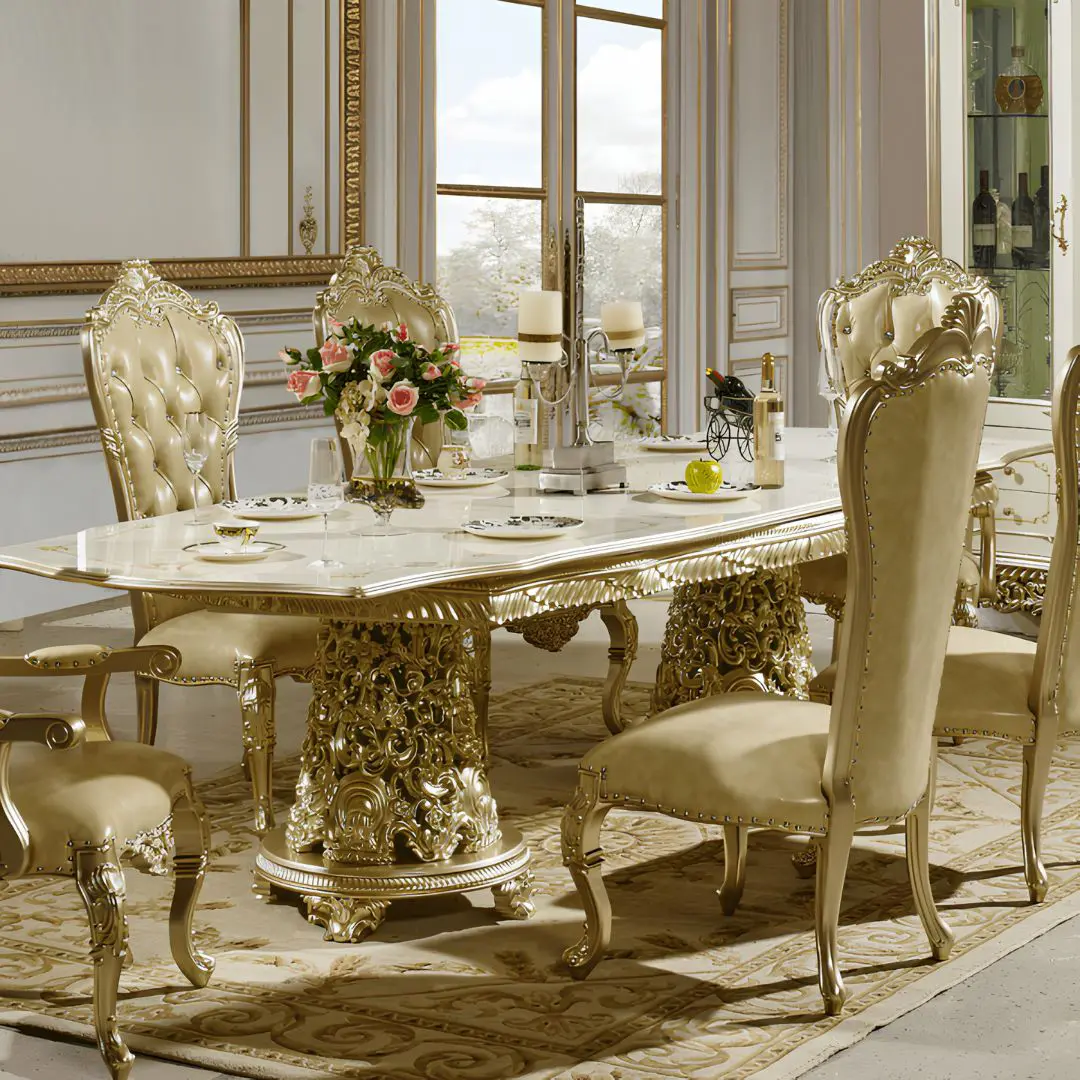
Custom Luxury Furniture Materials
Why Materials Matter in Luxury Furniture Design
Luxury furniture design is often associated with refined aesthetics, yet materials shape the experience far beyond style alone.
Structural integrity begins with furniture construction. Premium woods and joinery techniques determine whether a piece remains stable through years of environmental changes and daily use. Inferior materials may appear attractive initially but often struggle with warping, instability, or premature wear.
Comfort and usability are equally material-driven. Upholstery choices influence temperature, softness, resilience, and tactile experience. A linen sofa offers relaxed sophistication, while leather provides tailored durability and aging character.
Materials also influence interior aesthetics in profound ways. Luxury interior design depends on layering textures and finishes to create balance. Natural stone introduces visual weight, polished metals contribute refinement, and textiles soften architectural spaces.
Long-term value remains one of the strongest reasons materials matter. Heirloom furniture derives its appeal not simply from design but from longevity. Furniture capable of being appreciated for decades often begins with thoughtful material choices.
In premium interiors, furniture is rarely temporary. Material decisions shape how pieces age, how they interact with surrounding décor, and whether they continue to feel relevant over time.
Solid Wood vs Engineered Wood in Luxury Furniture
Among the most discussed topics in luxury furniture is the distinction between solid wood and engineered wood.
Solid wood luxury furniture is constructed from natural hardwood lumber. Hardwood furniture construction using walnut, oak, mahogany, or maple is valued for strength, grain variation, and longevity. Solid wood develops character over time, often becoming more visually appealing as finishes mature.
However, engineered wood should not automatically be dismissed. In premium wood furniture design, engineered components can play an important supporting role. High-quality engineered wood offers dimensional stability and may be used strategically within veneers, panels, or concealed structural elements.
The difference lies in application and quality standards.
Hardwood furniture construction emphasizes authenticity and structural depth. Solid oak or walnut provides density and resilience, making it well suited to heirloom-quality tables and case goods.
Engineered materials, when thoughtfully incorporated, can help manage movement caused by humidity and temperature changes. Premium applications may pair engineered substrates with genuine wood veneers to maintain visual richness while improving stability.
Performance differences depend largely on craftsmanship and design intent. Poorly manufactured engineered furniture and carefully constructed bespoke furniture represent entirely different categories.
The most sophisticated custom furniture makers understand when to prioritize solid hardwood and when engineered solutions may support performance without compromising luxury standards.
Premium Wood Types Used in Custom Furniture
Wood remains among the most admired custom furniture materials because it combines beauty, versatility, and durability.
Walnut is frequently associated with contemporary luxury. Its rich grain, warm undertones, and natural movement make it a favorite for designer furniture collections and modern interiors. Walnut balances refinement with organic character.
Oak is prized for strength and versatility. White oak, particularly in American luxury interiors, supports both minimalist and traditional aesthetics. Its durability makes it suitable for dining furniture and high-traffic applications.
Mahogany carries historical significance and timeless elegance. Often associated with traditional furniture and classic luxury interiors, mahogany offers depth, fine grain, and visual richness.
Maple and cherry wood provide refined alternatives. Maple is known for subtle grain and durability, while cherry develops deeper coloration with age, enhancing its appeal over time.
Teak and ebony occupy more exclusive territory. Teak is naturally resistant to moisture and prized for longevity. Ebony delivers dramatic contrast and sophisticated visual impact, often reserved for accent details and specialty applications.
Exotic hardwoods may also appear in bespoke furniture, introducing distinctive grain patterns and individuality. Their use, however, requires responsible sourcing and thoughtful integration.
Premium woods contribute far more than structure. They shape mood, establish design language, and influence how furniture ages within residential interiors.
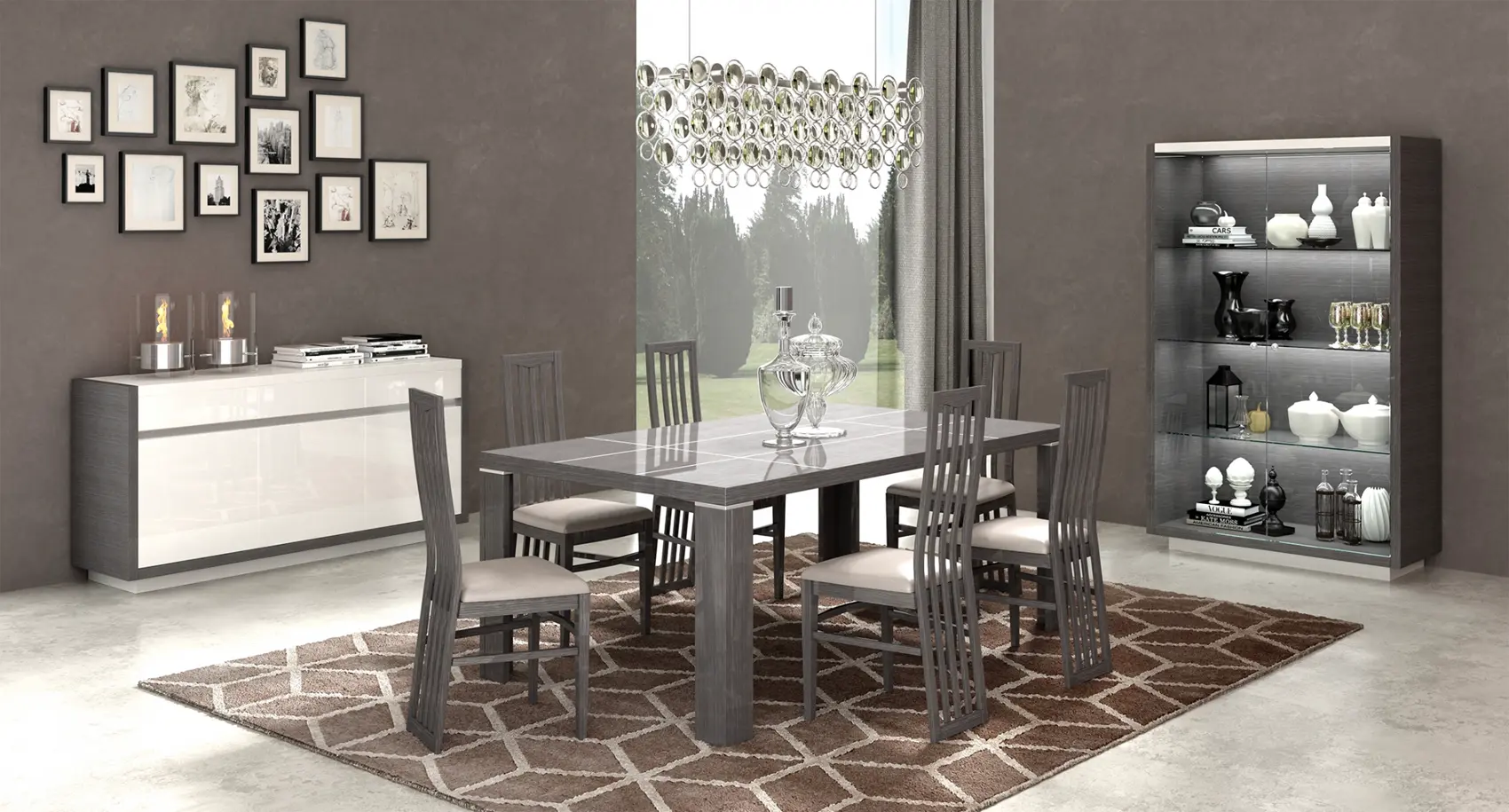
Custom Luxury Furniture Materials
Luxury Upholstery Fabrics and Their Design Impact
Luxury upholstery fabrics define comfort as much as appearance.
Velvet remains a favorite for softness and visual drama. Its reflective surface creates depth and richness, making it especially popular in statement seating and contemporary luxury spaces.
Linen offers a different expression of luxury. Relaxed yet sophisticated, linen supports breathable comfort and understated elegance. It complements both transitional and European-inspired interiors.
Leather represents timeless luxury. High-quality leather develops patina over time, making it particularly valued in heirloom-quality furniture. Its durability and tailored appearance suit both modern and traditional environments.
Bouclé and chenille introduce texture. Their tactile qualities help create warmth and visual layering, particularly within minimalist and contemporary interiors.
Silk blends and premium upholstery textiles offer refinement through subtle sheen and softness. While often selected for formal environments, these materials contribute elevated texture and detail.
Performance fabrics have become increasingly important in modern living. Luxury no longer requires sacrificing practicality. Premium performance textiles offer stain resistance and durability while preserving elegance.
Custom upholstered furniture materials must align with lifestyle, design goals, and maintenance expectations. Upholstery choices shape the daily experience of furniture as profoundly as its silhouette or construction.
Marble, Stone, and Decorative Surface Materials
Stone surfaces bring permanence and sophistication to luxury furniture design.
Marble furniture materials remain among the most recognizable symbols of luxury. Whether featured in dining tables, consoles, or accent pieces, marble introduces visual movement and natural artistry impossible to replicate precisely.
Quartz and granite offer additional options. Granite provides remarkable durability, while quartz may support cleaner visual consistency and contemporary styling.
Travertine and onyx have gained renewed popularity within designer interiors. Travertine introduces earthy texture and warmth, while onyx delivers dramatic translucency and exclusivity.
Glass and ceramic surfaces contribute lighter visual profiles. Glass helps create openness, particularly in urban or minimalist spaces, while ceramic surfaces offer durability and contemporary appeal.
Natural stone requires thoughtful application and maintenance, but its beauty often justifies the commitment. In custom furniture, these materials serve not merely as decorative surfaces but as architectural components that define presence and character.
Metal Accents in High-End Furniture Design
Metal accents provide contrast, refinement, and structural definition.
Brass detailing remains especially prominent in luxury furniture. Warm and versatile, brass complements walnut, marble, and upholstered forms with understated richness.
Bronze and iron contribute strength and sculptural character. Bronze often feels refined and timeless, while iron introduces architectural weight and industrial sophistication.
Stainless steel and brushed nickel support cleaner aesthetics. Their cooler tones align naturally with modern luxury and minimalist interiors.
Gold-finish metals and aluminum accents introduce decorative flexibility. When carefully balanced, these materials elevate furniture without overwhelming design integrity.
Brass and metal furniture accents succeed when integrated thoughtfully. In luxury furniture, metal is rarely decorative alone—it reinforces composition and craftsmanship.
Craftsmanship Techniques That Elevate Luxury Furniture
Materials achieve distinction through craftsmanship.
Joinery techniques such as mortise and tenon construction and dovetail joints support structural longevity. These methods create stronger connections than simple mechanical fasteners and remain hallmarks of handcrafted furniture.
Decorative artisan techniques add depth and individuality. Wood carving introduces dimension, while veneering allows designers to highlight rare grain patterns.
Marquetry and inlay work require exceptional precision. These decorative traditions transform furniture into artistic statements, blending materials with meticulous detailing.
Metal detailing contributes visual contrast and structural refinement.
Finishing techniques complete the process. Hand finishing, lacquer applications, polishing, and carefully executed distressed finishes reveal material depth and enhance durability.
Precision craftsmanship ensures that luxury furniture materials perform as beautifully as they appear.
How Design Style Influences Material Selection
Material selection is inseparable from design style.
Contemporary luxury often favors walnut, glass, brushed metals, and restrained palettes. Clean lines benefit from materials capable of expressing subtle texture and craftsmanship.
Classic and neoclassical furniture leans toward mahogany, carved detailing, and polished finishes. Traditional elegance values ornamentation and historical references.
Art Deco interiors celebrate contrast. Brass, lacquer, exotic woods, and marble support the style’s dramatic geometry and glamour.
French-inspired interiors prioritize softness and decorative craftsmanship, frequently pairing carved wood with elegant upholstery.
Minimalist luxury depends on restraint. Materials become the primary visual language, making texture and finish especially important.
Furniture materials succeed when aligned with architectural context and stylistic intention.
Sustainable Luxury Furniture Materials
Sustainability increasingly influences luxury furniture decisions.
Responsible sourcing has become an important consideration among discerning buyers. Sustainable luxury furniture materials prioritize quality and longevity rather than disposability.
Durable luxury furniture materials support sustainability naturally. Furniture designed to remain functional and beautiful for decades generates less waste than pieces intended for short lifecycles.
Craftsmanship also contributes to sustainability. Bespoke manufacturing and artisan construction methods encourage preservation rather than replacement.
Quality over replacement culture aligns naturally with luxury values. Furniture intended to age gracefully supports both environmental awareness and long-term design investment.
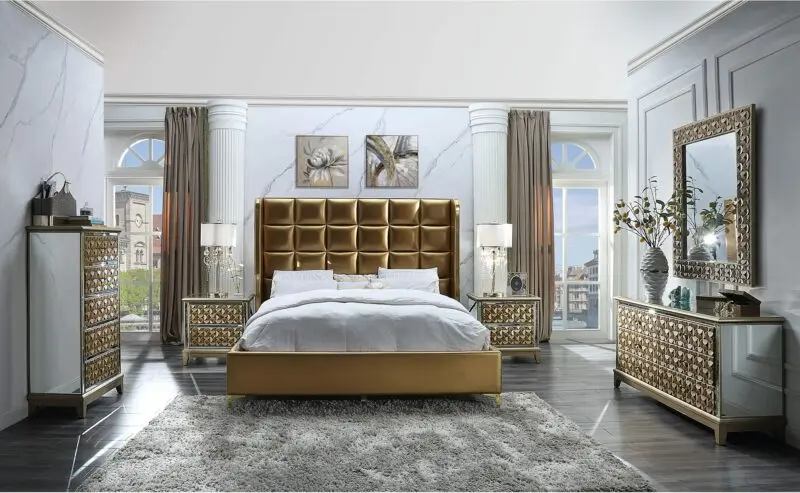
Custom Luxury Furniture Materials
Choosing the Best Materials for Different Rooms
Material selection should respond to function and environment.
Living room furniture often prioritizes upholstery and visual impact. Velvet, leather, bouclé, and statement wood finishes create layered sophistication.
Luxury dining furniture materials must balance beauty with resilience. Walnut, oak, marble, and durable finishes help dining spaces accommodate everyday use and entertaining.
Luxury bedroom furniture materials emphasize comfort and atmosphere. Softer woods, upholstered headboards, and tactile fabrics contribute to calm, inviting environments.
Room-specific material choices support both practicality and interior cohesion.
How to Evaluate Heirloom-Quality Furniture Materials
Heirloom-quality furniture reveals itself through details.
Superior craftsmanship appears in precise joinery, stable construction, and thoughtful finishing. Construction transparency matters; reputable furniture makers openly discuss materials and techniques.
Finish quality offers additional clues. Premium finishes enhance rather than conceal material character.
Maintenance expectations should also be realistic. Luxury furniture requires care, yet well-made pieces reward maintenance with longevity and beauty.
Furniture craftsmanship materials deserve close examination because lasting value depends on more than appearance alone.
The Role of Custom Material Selection in Bespoke Furniture
Custom material selection transforms furniture from product to personal design statement.
Personalization supports interior cohesion. Matching woods, textiles, and finishes to architecture creates spaces that feel intentional rather than assembled.
Designer collaboration often guides these decisions. Material selection involves balancing lifestyle, aesthetics, and performance requirements.
Creating one-of-a-kind luxury interiors requires thoughtful dialogue between design vision and craftsmanship expertise.
For Mobilia Cleopatra, bespoke furniture reflects this collaborative process. Handcrafted collections and custom furniture projects prioritize material integrity, artisan detailing, and tailored solutions suited to sophisticated residential interiors. Rather than relying on standard specifications alone, premium furniture design benefits from curated materials chosen to complement both architecture and lifestyle.
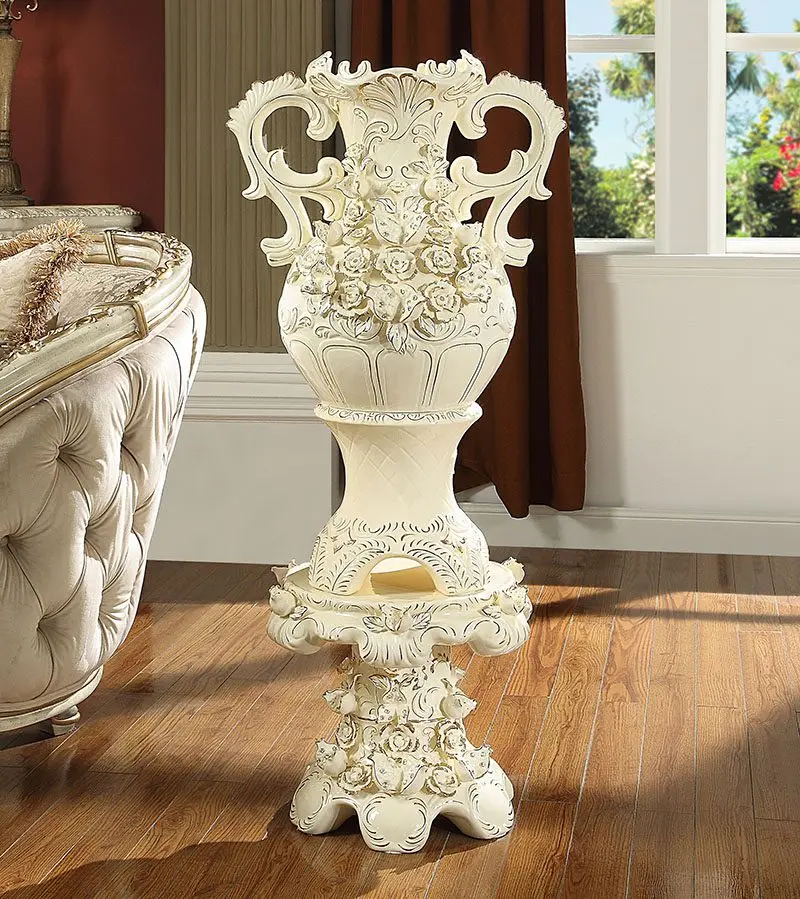
Custom Luxury Furniture Materials
Frequently Asked Questions
What are the best materials for custom luxury furniture?
The best materials depend on function, style, and performance expectations. Hardwood species such as walnut, oak, mahogany, and teak are frequently chosen for structural quality and visual richness. Upholstery may include velvet, leather, linen, or performance fabrics, while marble, brass, and natural stone add architectural character.
Is solid wood better than engineered wood in luxury furniture?
Solid wood is often preferred for visible structural elements and heirloom-quality furniture. However, engineered wood can serve valuable purposes in premium applications when used thoughtfully for stability and performance.
Which hardwoods are most commonly used in high-end furniture?
Walnut, oak, mahogany, maple, cherry, and teak are among the most common hardwoods used in luxury furniture due to their durability and design versatility.
What upholstery fabrics are considered luxury?
Luxury upholstery fabrics include velvet, leather, linen, bouclé, chenille, silk blends, and high-quality performance textiles designed for both comfort and elegance.
Why is marble popular in luxury furniture design?
Marble introduces natural movement, sophistication, and architectural presence. Its distinctive veining ensures that no two surfaces are identical.
Are brass and metal accents durable in custom furniture?
Yes. Brass, bronze, stainless steel, and related metals can be highly durable when finished and maintained properly. They also contribute structural and decorative value.
How does craftsmanship affect furniture quality?
Craftsmanship determines how materials are assembled, finished, and preserved. Skilled construction supports durability, stability, and visual refinement.
What is mortise and tenon construction?
Mortise and tenon construction is a traditional joinery method in which one wood component fits securely into another. It is widely respected for strength and longevity.
Are sustainable materials used in luxury furniture?
Many luxury furniture makers prioritize responsibly sourced woods, durable materials, and long-lasting construction practices that support sustainability.
How do I choose furniture materials for different rooms?
Consider traffic levels, maintenance requirements, and mood. Dining rooms often benefit from durable woods and stone, while bedrooms may prioritize softer textures and comfort.
What makes furniture heirloom quality?
Heirloom furniture combines premium materials, strong joinery, thoughtful design, and craftsmanship capable of supporting decades of use.
How should premium furniture materials be maintained?
Maintenance depends on the material. Wood benefits from controlled humidity and gentle cleaning, leather requires conditioning, and natural stone often needs specialized care and sealing.
Conclusion
Luxury furniture materials tell a story long before a room is fully furnished. They communicate craftsmanship, establish atmosphere, and determine whether furniture becomes a temporary purchase or a lasting part of the home.
From solid walnut and oak to velvet upholstery, marble surfaces, and artisan metalwork, custom luxury furniture materials influence every aspect of design and performance. Their importance extends beyond aesthetics into comfort, durability, and emotional connection.
For homeowners and designers navigating the U.S. luxury market, understanding materials creates greater confidence and clearer expectations. Premium furniture is rarely defined by appearance alone. It emerges through thoughtful sourcing, skilled craftsmanship, and material decisions that support both beauty and longevity.
As bespoke furniture continues to shape contemporary interiors, material selection remains one of the most meaningful design choices available. Furniture designed with intention—and crafted from materials chosen for integrity and performance—has the potential to become not simply part of a room, but part of its identity.
